
Kohler Courage 26 HP Engine Problems Solved: Your Ultimate Guide
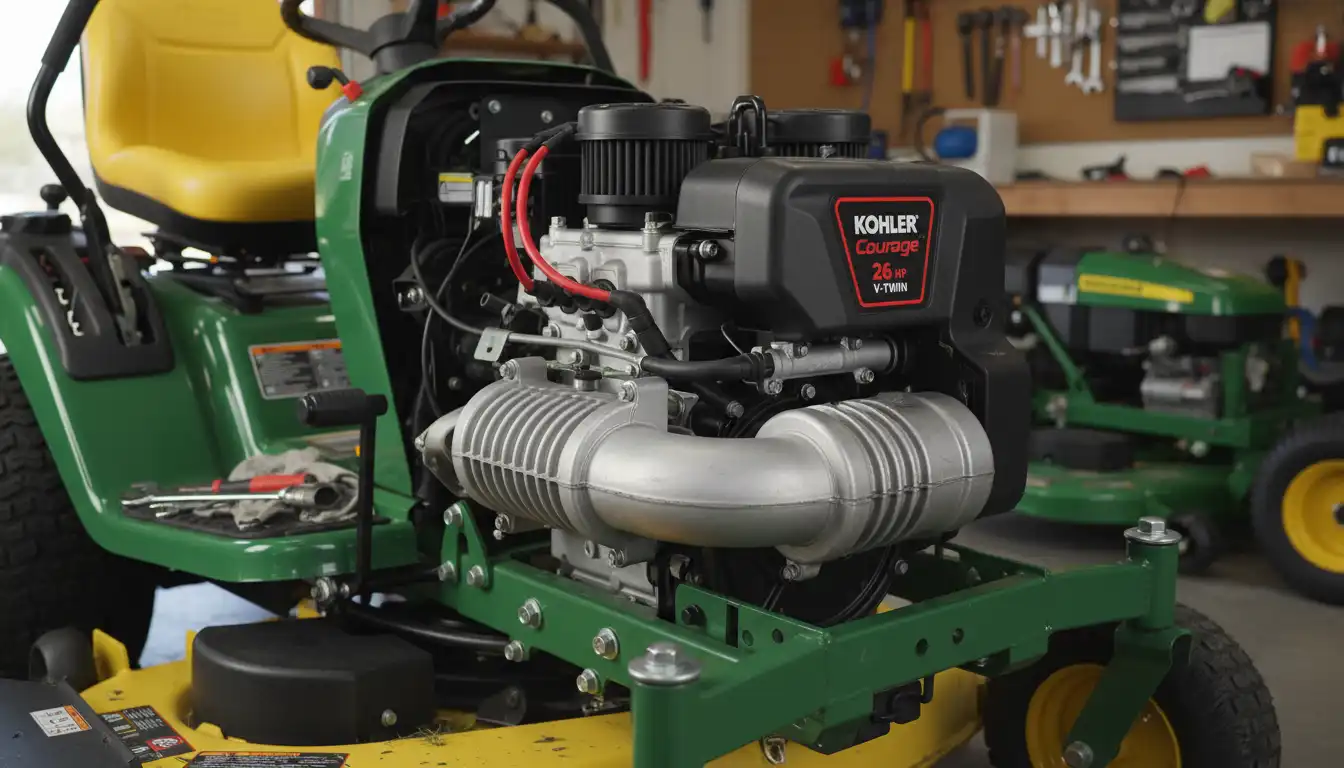
The Kohler Courage 26 HP V-Twin engine powers countless riding mowers and garden tractors, promising robust performance. Yet, many owners find themselves battling a frustrating array of persistent issues that can bring their landscaping work to a grinding halt. From sudden starting failures to alarming plumes of smoke, these problems can turn a reliable workhorse into a source of constant headaches.
This comprehensive guide dives deep into the most common Kohler Courage 26 HP engine problems. We will explore the root causes of these failures and provide clear, actionable solutions to get your mower running smoothly again. Consider this your go-to resource for troubleshooting and mastering this powerful but often problematic engine.
You'll Learn About
Decoding the Common Fail Points of the Kohler Courage Engine
Understanding the inherent weaknesses of the Kohler Courage series is the first step toward effective troubleshooting. Many of the most severe problems stem from specific design choices and materials that don’t always stand up to long-term, heavy use. Addressing these core issues head-on will save you time, money, and frustration.
The Notorious Plastic Camshaft Gears
One of the most widely discussed failures in the Kohler Courage line involves the plastic camshaft gears. While intended as a cost-saving measure, these components are a significant weak point. Over time, heat and stress cause the plastic to become brittle, leading to stripped or broken gear teeth.
When these gears fail, the engine’s timing is thrown off completely, resulting in a catastrophic loss of compression. Symptoms often include a sudden refusal to start, sometimes accompanied by a single “thud” or “clank” as the internal components lose synchronization. Unfortunately, this is a major repair that often requires a complete engine teardown.
Persistent Carburetor and Fuel System Headaches
More common and slightly less dire are the endless carburetor problems. The majority of running issues, such as surging, sputtering, or stalling, can be traced back to the fuel system. Modern ethanol-blended gasoline is a primary culprit, as it can degrade rubber fuel lines and leave gummy deposits in the carburetor bowl and jets.
A faulty fuel solenoid on the carburetor is another frequent issue. This component can get stuck, preventing fuel from entering the main jet and causing the engine to die moments after starting. Many owners find themselves repeatedly cleaning the carburetor to keep the engine running smoothly.
Ignition System Glitches and Starting Failures
When your engine refuses to crank or spark, the ignition system is a likely suspect. Ignition coils on the Courage V-Twin can fail, especially when hot, leading to a situation where the mower runs for a short time and then dies, refusing to restart until it has cooled down. This intermittent failure can be particularly tricky to diagnose.
Beyond the coils, simple components like spark plugs can foul, and safety switches—located on the seat, brake pedal, and PTO engagement—can fail or become misaligned. These switches are designed to prevent accidental starting and are a common reason an engine won’t turn over at all.
The Smoking Engine: What the Colors Mean
Few things are as alarming as seeing thick smoke pouring from your engine’s exhaust. The color of the smoke is a critical clue that points directly to the underlying problem. Ignoring this symptom can lead to severe and permanent engine damage.
Blue or grayish smoke indicates that the engine is burning oil. This can be caused by worn piston rings, failing head gaskets, or a faulty crankcase breather. White smoke often points to a blown head gasket, allowing coolant or condensation to enter the combustion chamber. Black smoke signifies a rich fuel mixture, meaning too much gasoline is being burned, which usually points to carburetor issues.
Your Step-by-Step Troubleshooting and Repair Manual
Now that you understand the common culprits, it’s time to roll up your sleeves. This section provides a practical, step-by-step guide to diagnosing and fixing the most frequent Kohler Courage 26 HP engine problems. Always disconnect the spark plug wires before performing any repairs to prevent accidental starting.
Engine Won’t Start or Cranks Slowly
A no-start condition is one of the most common complaints. Begin with the simplest solutions first. Ensure your battery is fully charged and the terminals are clean and tight. A weak battery can cause a slow, struggling crank that is insufficient to start the engine.
Next, check all safety switches. Make sure you are firmly in the seat, the parking brake is engaged, and the mower deck (PTO) is disengaged. If these are all set correctly, you may need to test the switches themselves for continuity. Finally, inspect your ignition coils and replace them if they show signs of damage or fail a spark test.
Engine Surges, Sputters, or Runs Rough
Engine surging is almost always a fuel-related problem. The first step is to replace the fuel filter and ensure there is a clean, fresh supply of gasoline in the tank. If the problem persists, the carburetor is the next area to address.
A thorough carburetor cleaning often resolves surging issues. This involves removing the carburetor, disassembling it, and cleaning all jets and passages with carburetor cleaner and compressed air. Pay special attention to the main jet and the fuel solenoid to ensure they are free of debris and functioning correctly.
Tackling Excessive Oil Consumption and Smoke
If your engine is burning through oil and smoking, a blown head gasket is a highly probable cause. This is a common failure point on the Courage V-twin models. Replacing a head gasket is an involved but manageable job for a mechanically inclined owner.
Performing a compression test can confirm the health of your piston rings and head gaskets. Low or uneven compression readings between the two cylinders are a strong indicator of an internal problem that needs immediate attention. Some owners have also noted that these engines can be sensitive to the type and weight of oil used, with some brands burning off more quickly than others.
| Problem | Common Causes | Solution |
|---|---|---|
| Engine will not turn over | Dead battery, faulty solenoid, bad safety switch, seized engine | Charge/replace battery, test/replace solenoid, check all safety switches |
| Engine cranks but won’t start | No fuel, no spark, clogged carburetor, failed ignition coils | Check fuel level, test for spark, clean carburetor, replace coils |
| Engine runs rough or surges | Clogged fuel filter, stale fuel, dirty carburetor, vacuum leak | Replace fuel filter, use fresh fuel, thoroughly clean carburetor |
| Engine smokes (Blue/Gray) | Worn piston rings, blown head gasket, overfilled with oil | Perform compression test, replace head gasket, check oil level |
| Engine smokes (Black) | Carburetor running rich, stuck choke, clogged air filter | Clean/adjust carburetor, check choke linkage, replace air filter |
| Engine dies when hot | Failing ignition coil(s), vapor lock, faulty fuel pump | Test coils when hot, check fuel lines, inspect/replace fuel pump |
Preventative Maintenance: The Key to a Healthy Engine
The best way to deal with Kohler Courage engine problems is to prevent them from happening in the first place. A proactive and consistent maintenance routine is non-negotiable for ensuring longevity and reliable performance. This goes beyond the basic checks and requires a deeper understanding of the engine’s needs.
More Than Just an Oil Change
Regular oil changes are the lifeblood of any engine, but especially an air-cooled one that runs hot. Use a high-quality oil of the recommended viscosity, and always change the oil filter at the same time. Check the oil level before every single use, as these engines are known for oil consumption, and running one low on oil is a recipe for disaster.
The oil passages in the Courage series can be unforgiving. Using old or contaminated oil can lead to blockages that starve critical components like rod bearings of lubrication, causing catastrophic failure. Don’t cheap out on oil or stretch your change intervals.
Protecting Your Fuel System
To combat the harmful effects of ethanol, use a fuel stabilizer in every tank of gas. If possible, use ethanol-free gasoline, which will significantly reduce carburetor gumming and fuel line degradation. Replace your fuel filter at least once per season to ensure a clean supply reaches the carburetor.
Storing your mower for the winter requires extra care. Either drain the fuel system completely or fill the tank with stabilized fuel and run the engine for a few minutes to ensure the treated fuel circulates through the carburetor.
The Importance of a Clean Engine
Air-cooled engines rely on airflow over the cooling fins to dissipate heat. It is absolutely critical to keep the engine shrouds and cooling fins free of grass clippings, mouse nests, and other debris. Overheating is a primary cause of blown head gaskets and other serious internal damage.
Periodically remove the engine covers and use compressed air or a brush to clean the cooling fins thoroughly. A clean engine runs cooler, and a cooler engine lasts longer. This simple step is one of the most effective preventative measures you can take.
DIY vs. Calling a Professional: Know Your Limits
Many routine maintenance and repair tasks on the Kohler Courage 26 HP engine are well within the grasp of the average homeowner. However, it’s crucial to recognize when a problem is beyond your skill level or requires specialized tools. Making this distinction can save you from turning a small problem into a costly disaster.
Tasks You Can Confidently Tackle
Most owners can handle jobs like changing the oil and filter, replacing spark plugs, and swapping out air and fuel filters. With a little confidence and guidance from online videos, a thorough carburetor cleaning is also a very achievable DIY task. These jobs require basic hand tools and are the first line of defense in keeping your engine running well.
Even a starter or ignition coil replacement can be done at home. These are often simple bolt-off, bolt-on procedures. Taking on these repairs yourself can save a significant amount on labor costs and give you a better understanding of your equipment, much like understanding the mechanics of a powerful machine like a Craftsman MTS 5500.
When It’s Time to Call for Backup
Major internal engine work is best left to a qualified small engine mechanic. This includes replacing a failed camshaft, repairing a blown head gasket, or any task that involves splitting the crankcase. These jobs require precise measurements, specific torque sequences, and a deep understanding of engine mechanics.
If you’re facing a complex repair, it’s wise to get a professional opinion. When seeking help, it’s important to understand your rights as a consumer. For instance, knowing whether it’s legal to be charged for an estimate can help you navigate the repair process more confidently. A good mechanic will have the tools and experience to diagnose the issue accurately and perform the repair correctly the first time.
Conclusion: Taming the Kohler Courage
The Kohler Courage 26 HP engine has a reputation for being powerful but problematic. Its known weak points, from plastic internal components to sensitive fuel systems, can create a host of frustrating issues for homeowners. However, knowledge is power, and understanding these common failures is the first step toward overcoming them.
By adopting a diligent preventative maintenance schedule and learning to tackle common repairs, you can significantly improve the reliability and extend the life of your engine. While some of its design flaws are inherent, proper care and swift troubleshooting can keep your mower out of the repair shop and on the lawn, performing the work it was designed to do.
