
Kitchen Resource Direct: Your Guide to Avoiding Online Cabinet Nightmares
Embarking on a kitchen remodel is both thrilling and daunting. The dream of a perfect space can quickly turn into a stressful reality, especially when it comes to the most significant decision: your cabinets.
The rise of online retailers, pioneered by companies like Kitchen Resource Direct (now known as Cabinets.com), promised showroom quality at a fraction of the price. Yet, for many homeowners, this digital convenience comes with a heavy dose of anxiety and risk.
You'll Learn About
The High-Stakes Gamble: Why Buying Cabinets Online Feels So Risky
The core problem isn’t just about choosing a color or style. It’s about making one of the largest home investments, sight unseen, through a screen.
This leap of faith involves trusting digital images, your own measurements, and a company you’ve never met in person. The fear of costly mistakes, damaged goods, or a final product that looks nothing like the picture is a significant barrier for homeowners.
From Showroom Comfort to Digital Doubt
In a traditional showroom, you can touch the materials, open the drawers, and see the finish in person. This tactile experience builds confidence in your decision.
Online, you’re relying on photos and descriptions. The inability to physically inspect the craftsmanship and quality before spending thousands of dollars is the primary source of hesitation and a major pain point for buyers.
The Measurement Minefield: One Inch from Disaster
A kitchen is a puzzle where every piece must fit perfectly. An error of even half an inch in your measurements can lead to disaster, causing ill-fitting cabinets, unusable appliances, and costly delays.
This pressure to get every dimension right is immense, especially for those who aren’t professional contractors. When planning for specific units, such as those that house appliances, precision is paramount to ensure proper function and ventilation, an issue often overlooked with a wall oven vent system.
Quality Questions: Is It Premium Plywood or Pricey Particleboard?
Online descriptions can be filled with jargon that is difficult to decipher. Terms like “all-wood,” “plywood construction,” and “furniture board” can mean very different things in terms of durability and value.
Without a deep understanding of cabinet construction, it’s easy to overpay for inferior materials. The fear of investing in cabinets that will warp, chip, or fail within a few years is a valid and widespread concern.
Decoding the Digital Showroom: A Step-by-Step Vetting Process
Navigating the world of online cabinets doesn’t have to be a gamble. By following a structured process, you can protect your investment and ensure your kitchen dreams become a reality.
This methodical approach transforms you from a hopeful buyer into an informed consumer, capable of making smart, confident decisions from the comfort of your home.
Step 1: Beyond the Brand Name – Researching the Retailer
Before you even look at cabinet styles, investigate the company itself. Look for their history, read reviews from multiple sources (not just their website), and check their rating with the Better Business Bureau.
Understanding their policies on returns, damages, and warranties is crucial. A transparent and responsive company will make this information easy to find and understand.
Step 2: Samples Are Non-Negotiable
Never, ever buy cabinets without first ordering door samples. This is the single most important step in the online buying process. It allows you to see the true color, finish, and quality in your own home’s lighting.
A sample door lets you feel the weight, inspect the joinery, and test the finish. This small investment is your best insurance against color disappointment and quality concerns.
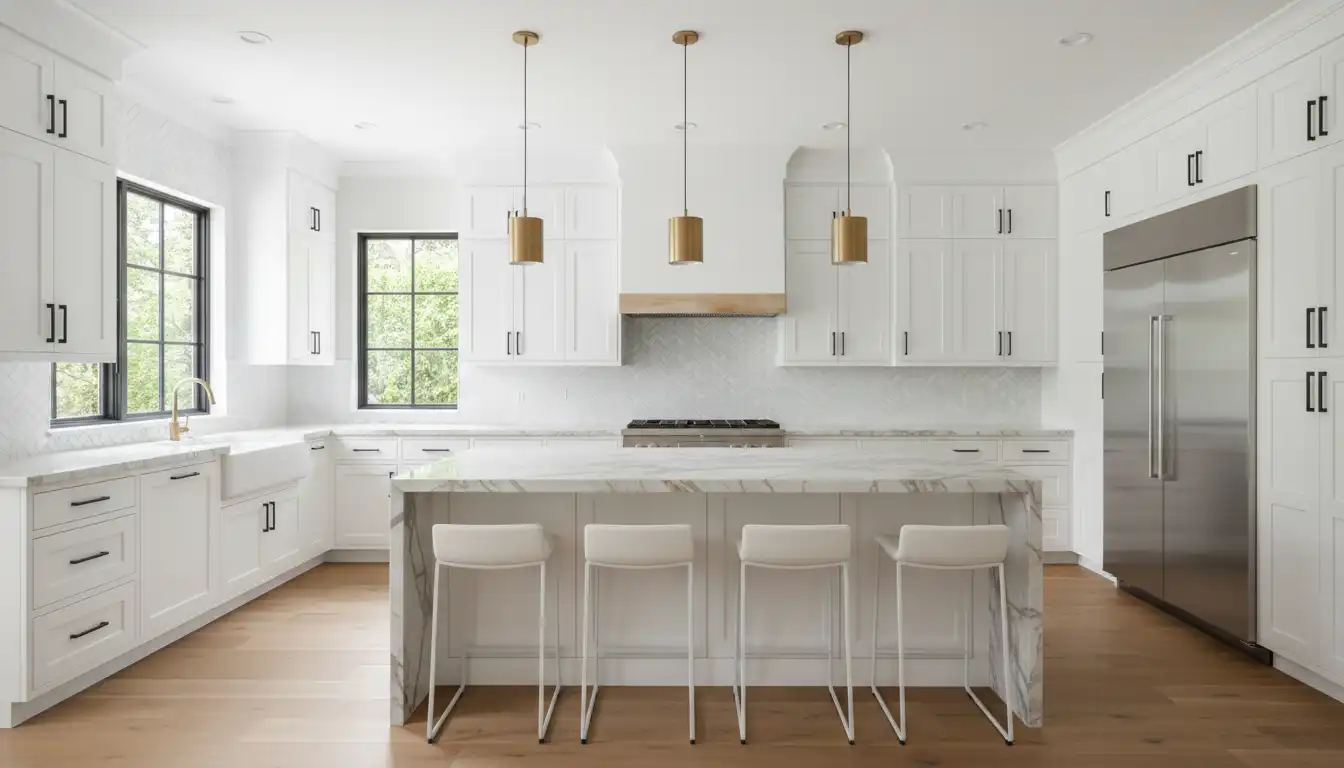
Step 3: Leverage Free Design Services
Most reputable online cabinet stores offer free professional design services. This is an invaluable resource that you should absolutely use.
A professional designer will not only help you create a beautiful and functional layout but will also act as a second pair of eyes on your measurements. They are trained to spot potential issues, optimize storage, and ensure you order all the necessary components, from fillers to crown molding.
Step 4: Master Your Measurements (And Have Them Double-Checked)
Measure your space meticulously. Measure everything at least twice, and have someone else verify your numbers. Pay close attention to the locations of windows, doors, plumbing, and electrical outlets.
Provide these measurements to your designer, along with photos and even a rough sketch of your space. The more information you provide, the more accurate your final design and cabinet order will be. This detailed planning is essential whether you’re choosing high-end appliances in a Jenn-Air vs. KitchenAid comparison or integrating existing ones.
Assembled vs. RTA (Ready-to-Assemble): Making the Right Choice
One of the key decisions you’ll face is whether to order pre-assembled cabinets or RTA cabinets. The right choice depends on your budget, timeline, and DIY comfort level.
Each option has distinct advantages and disadvantages that can significantly impact the cost and complexity of your remodel.
The Pros and Cons of Assembled Cabinets
Assembled cabinets arrive at your home ready to install. They are built in a factory setting, which often results in a stronger, more square, and more durable final product. This option saves a significant amount of time and labor during installation.
The downside is that they are more expensive to purchase and ship due to their size and weight. However, for those who want a faster installation process and guaranteed professional construction, the extra cost is often worth it.
When Does RTA Make Sense?
RTA cabinets are shipped in flat packs and require you to assemble them on-site. This significantly reduces shipping costs and the upfront purchase price, making them a budget-friendly option.
The trade-off is the time and skill required for assembly. If you are a confident DIYer with the right tools and patience, RTA can be a great way to save money. However, improper assembly can compromise the structural integrity of the cabinets, so it’s not a task to be taken lightly.
| Feature | Assembled Cabinets | RTA (Ready-to-Assemble) Cabinets |
|---|---|---|
| Cost | Higher initial purchase and shipping cost. | Lower initial purchase and shipping cost. |
| Installation Time | Significantly faster; ready to hang upon arrival. | Requires extensive time for assembly before installation. |
| Construction Quality | Generally stronger and more consistent due to factory assembly. | Quality depends heavily on the skill of the assembler. |
| DIY Skill Level | Minimal; basic installation skills needed. | Moderate to advanced; requires tools and patience. |
| Best For | Homeowners prioritizing speed, convenience, and guaranteed build quality. | Budget-conscious DIYers comfortable with hands-on projects. |
The Delivery Day Protocol: Your Most Critical Inspection
The day your cabinets arrive is the most critical moment of the online purchase process. What you do in the first 30 minutes after the truck arrives can determine the outcome of any potential damage claims.
Being prepared with a clear plan of action is not just advisable; it is essential to protecting your investment.
Before You Sign: A Delivery Checklist
Do not let the delivery driver rush you. Before you sign any paperwork, conduct a thorough inspection of the exterior of the packages. It’s a different shopping experience than visiting a store for a Lowe’s cabinets sale, where you can inspect items before purchase.
Use a checklist: count every box to ensure it matches the shipping manifest, and carefully examine each one for visible signs of damage like crushed corners, tears, or water stains. Note every single issue, no matter how small, on the delivery receipt before signing.
Documenting Damage: Your Key to a Swift Resolution
Immediately after the driver leaves, begin unpacking and inspecting each cabinet individually. Take clear photos of any damage you find, from multiple angles. Document scratches, dents, cracked frames, or finish imperfections.
Contact the cabinet company’s customer service department within their specified timeframe, which is often 24-48 hours. Providing clear, photographic evidence and the notes you made on the delivery receipt will make the claims process faster and more straightforward.
Beyond the Purchase: Warranty, Support, and Long-Term Value
Your relationship with the cabinet company doesn’t end after delivery. The long-term value of your purchase is heavily dependent on the quality of their warranty and the responsiveness of their customer support.
These elements are just as important as the physical product itself, providing peace of mind for years to come.
Understanding Your Warranty
A good warranty is a sign that the company stands behind its product. Read the warranty carefully to understand what is covered and for how long. Look for coverage against manufacturing defects in construction and the finish.
Be aware of what is not covered, such as normal wear and tear or damage from improper installation or cleaning. A limited lifetime warranty is the gold standard and offers the best long-term protection.
Evaluating Customer Support Responsiveness
Before you even make a purchase, test the company’s customer support. Send them an email with a question or use their online chat feature. Their response time and the quality of their answer will give you insight into how they’ll handle issues after you’ve spent your money.
A company with accessible, knowledgeable, and helpful support staff is an invaluable partner in a kitchen remodel. This support system is your safety net, ensuring that any problems that arise will be handled efficiently and professionally, safeguarding the heart of your home.
