Kill Dandelions But Not Clover: A Gardener’s Guide to a Perfect Lawn
Many homeowners dream of a lush, uniform green lawn, a beautiful carpet of nature right outside their door. However, this dream is often disrupted by the appearance of bright yellow dandelions, which can quickly spread and take over. While many weed killers effectively eliminate dandelions, they also harm the beneficial clover that many people now encourage in their lawns.
Clover is increasingly valued for its ability to fix nitrogen in the soil, which naturally fertilizes the grass, and for its drought resistance. The challenge, then, is how to selectively remove dandelions while preserving the clover. This guide provides a comprehensive approach to achieving that perfect balance in your lawn.
You'll Learn About
Understanding the Challenge: Dandelions vs. Clover
Dandelions and clover are both classified as broadleaf plants, which is why most common herbicides kill both without distinction. A dandelion’s survival is credited to its long, thick taproot, which can extend deep into the soil. If even a small piece of this root is left behind, the plant can regenerate, making manual removal a challenging task.
Clover, on the other hand, has a more fibrous root system and spreads through stolons, or above-ground runners. This growth habit allows it to form a dense mat that can help to crowd out other weeds. Understanding these differences is key to choosing the right method for dandelion control that won’t harm your clover.
Why Most Weed Killers Are Not the Answer
The majority of broadleaf herbicides available at garden centers contain active ingredients like 2,4-D, MCPP, and dicamba. These chemicals are effective against dandelions, but they are equally lethal to clover. Using such products will result in bare patches where clover once thrived, which can then be colonized by new weeds.
This is why a more targeted and nuanced approach is necessary. The goal is to exploit the biological differences between dandelions and clover to find a method of removal that is selective. For those who are looking for effective ways to maintain their garden, understanding different equipment can be helpful, for instance by looking into reviews of various tools like the Ariens ST824LE.
Effective Methods to Kill Dandelions While Sparing Clover
Achieving a dandelion-free lawn without harming your clover is possible with the right techniques. The methods range from manual removal to the careful application of specific herbicides. Each method has its own set of advantages and challenges, and the best choice will depend on the extent of the dandelion infestation and your personal preferences.
Some methods require more effort but are more environmentally friendly, while others offer a quicker solution but require careful handling of chemicals. A combination of approaches may be the most effective strategy in the long run.
Manual Removal: The Organic Approach
For small-scale dandelion problems, manual removal is the most eco-friendly and precise method. The key to success with this method is to remove the entire taproot. A specialized dandelion-pulling tool can be very effective, as it is designed to grip the root deep in the soil.
The best time to pull dandelions is after a rain, when the soil is moist and the roots are easier to extract. Be sure to fill any holes left behind with topsoil and clover seed to prevent new weeds from taking root. While this method can be labor-intensive, it is completely safe for your clover and the environment.
Spot Treatment with Selective Herbicides
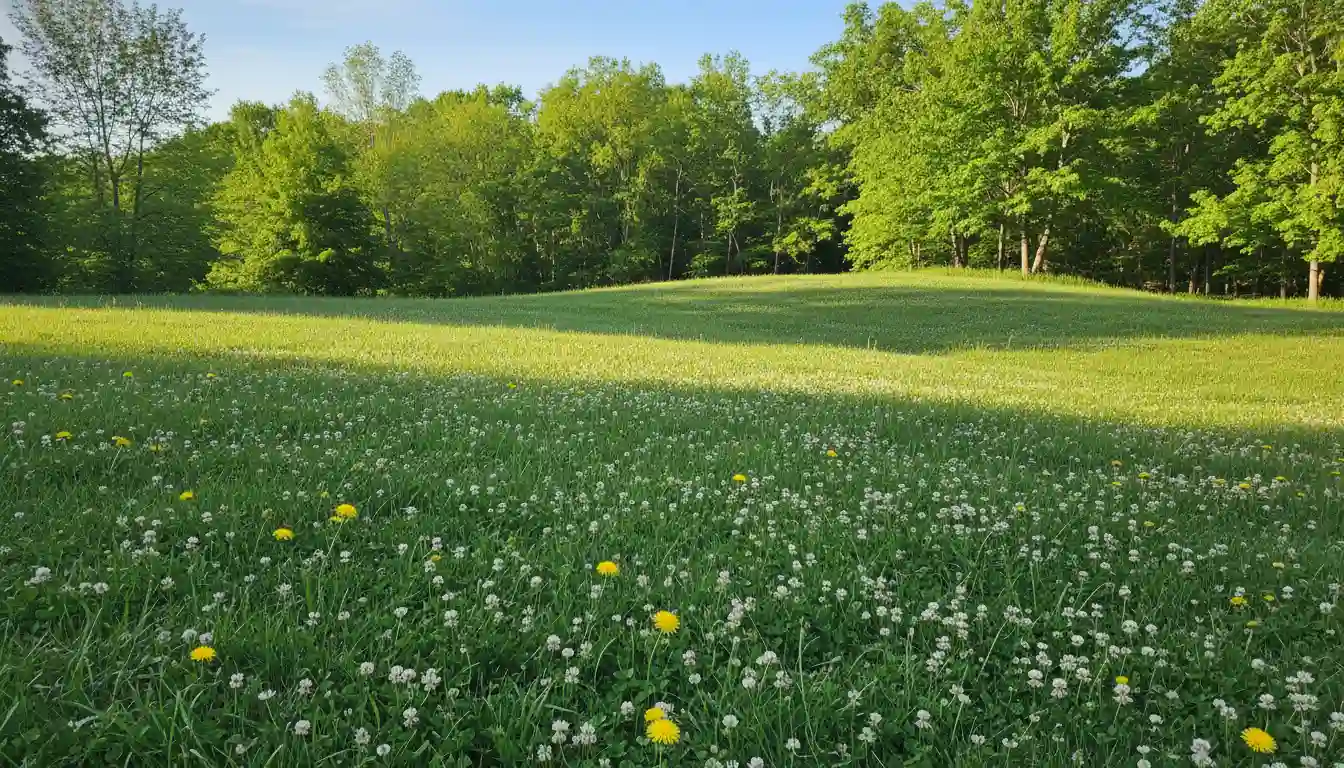
If manual removal is not practical, spot treating individual dandelions with a selective herbicide is a viable option. This involves carefully applying the herbicide directly to the leaves of the dandelion, avoiding contact with the surrounding clover. A small brush or a sponge applicator can be used for this purpose.
Some herbicides are more effective on dandelions than on clover, especially when applied at a lower concentration. It is important to read the product label carefully and to test the herbicide on a small, inconspicuous area first. When considering lawn treatments, some people explore options like weed and feed products, which can be further researched in resources such as Forever Green Weed and Feed reviews.
The Use of Iron-Based Herbicides
A newer class of selective herbicides uses chelated iron as the active ingredient. These products are particularly effective against many broadleaf weeds, including dandelions, but are generally safe for clover and grass. The iron is absorbed by the weed, leading to a rapid breakdown of the plant tissue.
These iron-based herbicides are a more environmentally friendly option and are often approved for organic use. They work best when applied on a sunny day, and you will typically see the dandelions start to wilt and turn black within a few hours. Multiple applications may be necessary for well-established dandelions.
A Closer Look at Dandelion Control Methods
To help you decide on the best approach for your lawn, the following table provides a comparison of the different methods for killing dandelions without harming clover. Each method is evaluated based on its effectiveness, the effort required, and its impact on the environment.
| Method | Effectiveness | Effort Required | Environmental Impact |
|---|---|---|---|
| Manual Removal | High (if taproot is removed) | High | None |
| Spot Treatment with Herbicides | High | Medium | Low (if applied carefully) |
| Iron-Based Herbicides | Medium to High | Low | Very Low |
| Boiling Water | Medium (may not kill deep roots) | Medium | None |
| Horticultural Vinegar | Medium (multiple applications needed) | Medium | Low |
Natural and DIY Solutions
For those who prefer to avoid commercial herbicides altogether, there are several natural and DIY solutions that can be effective. Pouring boiling water directly onto the crown of a dandelion can kill the plant, although it may not be effective on very deep taproots. This method is highly targeted and will not harm the surrounding clover if applied carefully.
Horticultural vinegar, which has a higher acetic acid content than household vinegar, can also be used as a natural herbicide. It works by burning the leaves of the plant, but multiple applications may be necessary to kill the root. As with any spot treatment, care must be taken to avoid spraying the clover.
Long-Term Strategy for a Dandelion-Free Clover Lawn
The most effective way to control dandelions is to create a healthy and dense lawn where they cannot establish themselves. Mowing your lawn at a higher setting can help the grass and clover to shade out dandelion seedlings. Regular watering and fertilization will also promote a thick turf that is resistant to weeds.
Encouraging a healthy clover population is also a key part of the strategy. Clover’s ability to fix nitrogen will naturally fertilize the lawn, making it more competitive against weeds. For those who are also thinking about indoor air quality, a stand-alone humidifier with a water line can be a great addition to the home environment.
The Importance of Healthy Soil
Dandelions often thrive in compacted, acidic soil. Aerating your lawn annually can help to alleviate compaction and improve drainage. A soil test can determine the pH of your soil, and if it is too acidic, applying lime can help to create conditions that are more favorable for grass and clover and less so for dandelions.
Amending your soil with compost can also improve its structure and fertility. Healthy soil is the foundation of a healthy lawn, and by focusing on soil health, you can create an environment where dandelions struggle to compete.
Timing is Everything: When to Tackle Dandelions
The best time to control dandelions is in the fall. During this time, dandelions are transferring nutrients from their leaves to their roots in preparation for winter. If you apply an herbicide at this time, it will be transported to the root system, resulting in a more effective kill.
Spring is another good time to address dandelions, before they have a chance to flower and set seed. A single dandelion plant can produce thousands of seeds, so preventing them from flowering is crucial. By being proactive and consistent with your control methods, you can significantly reduce the dandelion population in your lawn over time.
Frequently Asked Questions
Is there a weed killer that will kill dandelions but not clover?
Most herbicides designed to kill broadleaf weeds like dandelions will also harm clover. Some products containing the chemical 2,4-D may be less effective on clover and can be carefully used to spot-spray dandelions. It is always best to test any chemical on a small patch first.
What is the best non-chemical way to remove dandelions?
Hand-pulling is a very effective method, especially when the soil is moist, making it easier to remove the entire deep taproot. Using a special weed-pulling tool can help ensure you get the whole root, as even small pieces left behind can regrow.
Are natural sprays like vinegar or boiling water safe for my clover?
No, these natural methods are non-selective, meaning they will kill any plant they come into contact with, including your clover. Boiling water and horticultural vinegar should only be used to spot-treat individual dandelions, taking care to avoid contact with surrounding clover.
When is the most effective time to treat dandelions?
The best time to use an herbicide on dandelions is in the fall. During this season, the plant is channeling nutrients down to its roots, and it will transport the herbicide along with them, resulting in a more effective kill.
How can I prevent dandelions from growing in my clover lawn?
Maintaining a thick, healthy lawn is key to preventing dandelions. Mowing high allows the grass and clover to crowd out potential new weeds. You can also apply corn gluten meal in the spring, which can help suppress the germination of new dandelion seeds.
Conclusion
Maintaining a diverse lawn means moving away from “scorched-earth” herbicide tactics in favor of precision and patience. By utilizing selective broadleaf herbicides specifically formulated to spare clover, or by opting for manual extraction with a taproot tool, you can eliminate the yellow intrusion without sacrificing your lawn’s natural fertilizer.
Ultimately, the goal is to foster a resilient ecosystem where grass and clover work in tandem to outcompete future weeds. With a targeted approach and proper timing, you can enjoy a vibrant, healthy landscape that balances the pristine look of a managed lawn with the sustainable benefits of a clover-rich environment.