
Jujube Tree for Sale Houston: Your Ultimate Guide to Sweet Success
Finding a jujube tree for sale in Houston feels like the start of a sweet adventure. Yet, many gardeners quickly discover the path to a fruitful harvest is filled with unique challenges specific to the Gulf Coast climate. The dream of harvesting crisp, apple-like fruits can sour when faced with heavy clay soil, relentless humidity, and uncertainty about which varieties will actually perform.
The core problem isn’t a lack of effort, but a lack of specialized knowledge for this region. Standard planting advice often fails to address Houston’s infamous “gumbo” soil, which can lead to root rot despite the jujube’s reputation for drought tolerance. This guide provides actionable, Houston-centric solutions to turn that frustration into a reliable, sweet harvest year after year.
You'll Learn About
The Houston Gardener’s Dilemma: Why Jujubes Can Struggle Here
The allure of the jujube tree is its toughness; it’s known for handling heat, drought, and having few pests. While these traits are true, Houston’s environment presents a specific set of hurdles that can prevent these hardy trees from thriving. Understanding these obstacles is the first step toward overcoming them and achieving a bountiful crop.
The primary issue lies beneath the surface: the soil. Most of the Houston area is built on dense, heavy clay soil that drains very slowly. While jujubes don’t demand rich soil, they absolutely require good drainage to prevent root rot. During periods of heavy rain, this compacted clay can become waterlogged, suffocating the root system of a newly planted or even an established tree.
Another challenge is variety selection. Not all jujube cultivars perform equally in high humidity. Some may be more susceptible to fungal issues, while others might not set fruit as reliably as they would in a drier climate. Choosing a variety that is proven to produce well on the Gulf Coast is critical for success.
Conquering Houston’s Gumbo Clay
Successfully growing a jujube tree in Houston begins and ends with the soil. Ignoring the challenge of heavy clay is a recipe for a weak, unproductive tree. The goal is not to replace the native soil entirely, but to amend it to drastically improve its structure and drainage, creating an environment where the jujube’s roots can breathe and expand.
The most effective strategy is to create a raised planting area or a large, amended planting hole. When digging the hole, make it at least two to three times wider than the root ball of the nursery tree. Instead of backfilling with only the dense clay you removed, create a superior soil mixture. A highly effective blend for this region is one part native clay, one part high-quality compost, and one part expanded shale or small-grade lava rock.
This mixture provides the perfect balance. The native clay retains some moisture, the compost adds vital organic matter and nutrients, and the expanded shale creates permanent air pockets in the soil. This amended zone gives the young tree a strong start and a much better chance of establishing a healthy root system that can withstand both periods of drought and heavy rainfall.
Selecting the Perfect Jujube Variety for Houston’s Climate
With the soil challenges addressed, the next critical decision is choosing the right jujube variety. While many types exist, only a handful have a proven track record of thriving and producing consistently in the hot, humid conditions of the Texas Gulf Coast. Focusing on these recommended varieties significantly increases your chances of enjoying a sweet, reliable harvest.
The most commonly recommended varieties for Texas are ‘Li’ and ‘Lang’. However, other excellent choices like ‘Sugar Cane’ and ‘Honey Jar’ have also shown great promise for Houston gardeners. When making your selection, consider fruit size, flavor profile, and whether you prefer eating them fresh and crisp or dried like dates. Planting more than one variety is also recommended, as cross-pollination can lead to heavier fruit sets on many types.
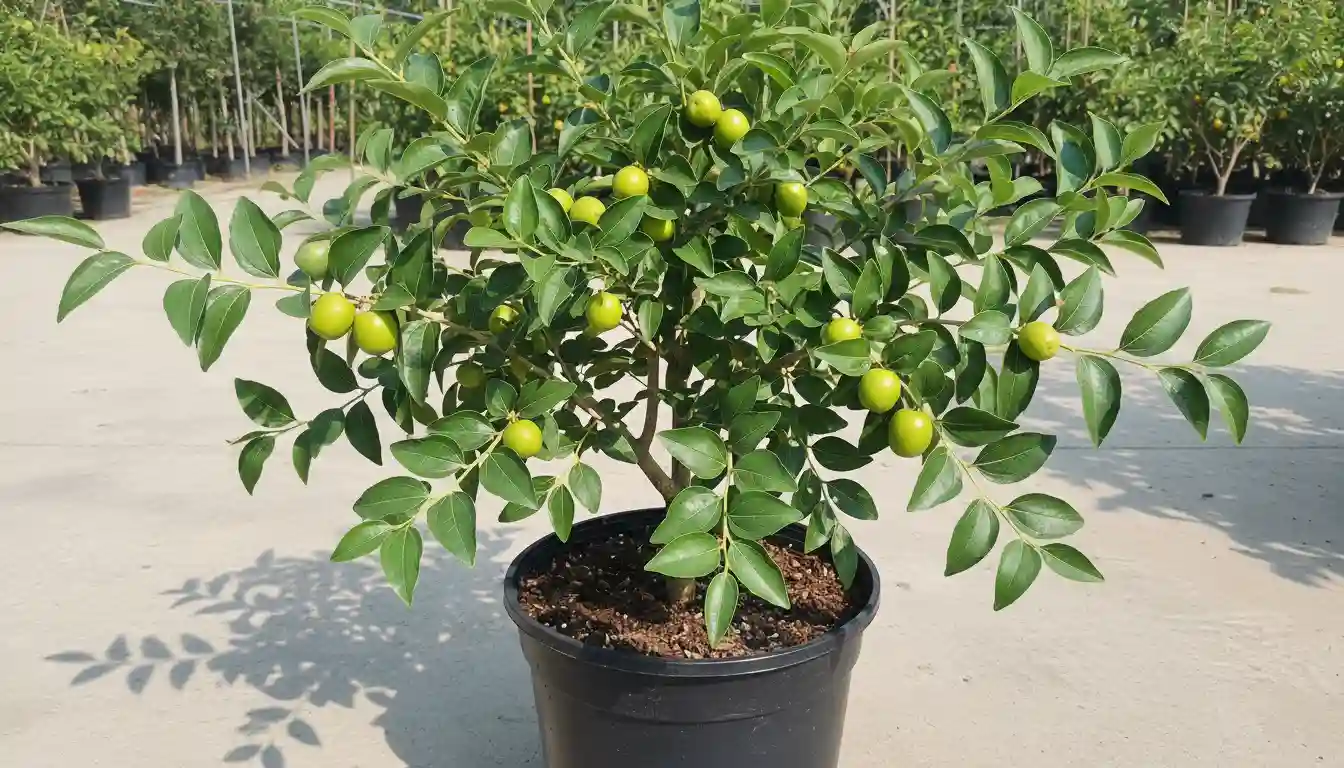
Top Contenders for Your Houston Garden
‘Li’ is arguably the most popular variety for Texas home gardens, and for good reason. It produces large, round fruit that is delicious when eaten fresh, possessing a crisp texture and sweet, apple-like flavor. A key advantage of ‘Li’ is that the fruit can be picked at the yellow-green stage and will continue to ripen off the tree.
‘Lang’ is another Texas staple, known for producing heavy crops of large, pear-shaped fruit. This variety is best used for drying, as the fruit becomes chewy and date-like when fully mature. It is an excellent pollinator for ‘Li’, making them a perfect pairing for any backyard orchard.
For those who crave intense sweetness, ‘Honey Jar’ is an exceptional choice. The fruit is smaller than ‘Li’ but has an incredibly high sugar content and a delightful crunch. ‘Sugar Cane’ is similarly sweet and juicy, with a crisp texture that makes it a favorite for fresh eating right off the tree.
A Closer Look at Recommended Cultivars
Choosing the right tree is the most important decision you’ll make. This table breaks down the key characteristics of the top-performing jujube varieties for the Houston area, helping you select the perfect tree for your taste and garden space.
| Variety | Primary Use | Fruit Size & Shape | Key Characteristics | Pollination |
|---|---|---|---|---|
| Li | Fresh Eating | Large, Round | Crisp and sweet like an apple; ripens well off the tree. | Self-fruitful, but produces more with a pollinator like ‘Lang’. |
| Lang | Drying | Large, Pear-shaped | Best when allowed to wrinkle on the tree; becomes chewy like a date. | Partially self-fruitful; benefits from cross-pollination. |
| Honey Jar | Fresh Eating | Small, Round | Extremely sweet with a juicy, crisp texture; very productive. | Self-fruitful. |
| Sugar Cane | Fresh Eating | Medium, Elongated | Very sweet and crunchy; known for being precocious (fruiting early). | Self-fruitful. |
| Shanxi Li | Fresh Eating | Very Large, Round | One of the largest jujube fruits; good sweet flavor and crisp texture. | Self-fruitful and a good pollenizer for other varieties. |
Finding and Planting Your Jujube Tree
Once you’ve chosen your desired varieties, the next step is sourcing a healthy tree. Local independent nurseries in and around Houston occasionally carry popular varieties like ‘Li’ and ‘Lang’. Calling ahead is always a good idea. For a wider selection, including varieties like ‘Honey Jar’ or ‘Shanxi Li’, reputable online mail-order nurseries are an excellent option.
When your tree arrives or you bring it home, timing the planting is key. The best time to plant a jujube tree in Houston is during its dormancy, from late fall to early spring (typically November through February). This allows the root system to establish itself before the stress of the summer heat arrives.
Step-by-Step Planting Guide
First, prepare the planting site as previously described by digging a wide hole and creating your amended soil mix. Gently remove the tree from its nursery pot, inspecting the roots. If the roots are tightly coiled (root-bound), carefully tease them apart or make a few vertical cuts with a sharp knife to encourage outward growth.
Place the tree in the center of the hole, ensuring the graft union—the noticeable bump on the lower trunk—is a couple of inches above the final soil line. Back fill the hole with your amended soil mixture, lightly tamping it down to remove air pockets. Create a small berm of soil around the outer edge of the hole to form a watering basin, which will help direct water to the root zone.
Water the newly planted tree thoroughly, allowing the water to settle the soil around the roots. Finally, apply a generous 3-4 inch layer of native hardwood mulch over the entire planting area, keeping it a few inches away from the trunk itself. This mulch will help retain soil moisture, regulate soil temperature, and suppress weeds.
Long-Term Care for a Thriving Houston Jujube
One of the greatest appeals of the jujube is its low-maintenance nature once established. However, a little strategic care, especially in the first few years, will ensure your tree remains healthy, vigorous, and highly productive in Houston’s climate.
Watering is the most critical task for a young tree. For the first year, provide a deep watering once a week during dry periods. After the first year, the tree becomes remarkably drought-tolerant, but will produce better quality fruit with occasional deep watering during the hottest, driest parts of the summer.
Pruning, Pests, and Potential Problems
Pruning jujubes is straightforward. During the winter dormancy, remove any dead, damaged, or crossing branches to maintain an open structure that allows for good air circulation. This is especially important in humid Houston to help prevent fungal diseases. Also, be mindful of where you plant your tree; while not as damaging as large nuts, falling fruit can be a nuisance on patios or walkways. Planning the tree’s location thoughtfully can prevent issues similar to concerns about whether can falling acorns damage a roof.
Pest and disease pressure is remarkably low for jujubes in Texas. The most significant issue to watch for is root suckers. These are vigorous shoots that can emerge from the root system, sometimes many feet away from the main trunk. It is crucial to prune these suckers off at or below the ground level as soon as they appear, as they will not produce the same quality of fruit as the grafted tree and can eventually form a thorny thicket.
Finally, fertilization is generally minimal. A light application of a balanced organic fertilizer in the early spring is usually sufficient. Over-fertilizing, especially with high nitrogen, can encourage excessive leafy growth at the expense of fruit production. By following these simple care guidelines, your Houston jujube tree will be well-equipped to provide you with sweet, delicious fruit for many years to come.
