The #1 Secret to a Thriving Joseph’s Coat Rose in a Container
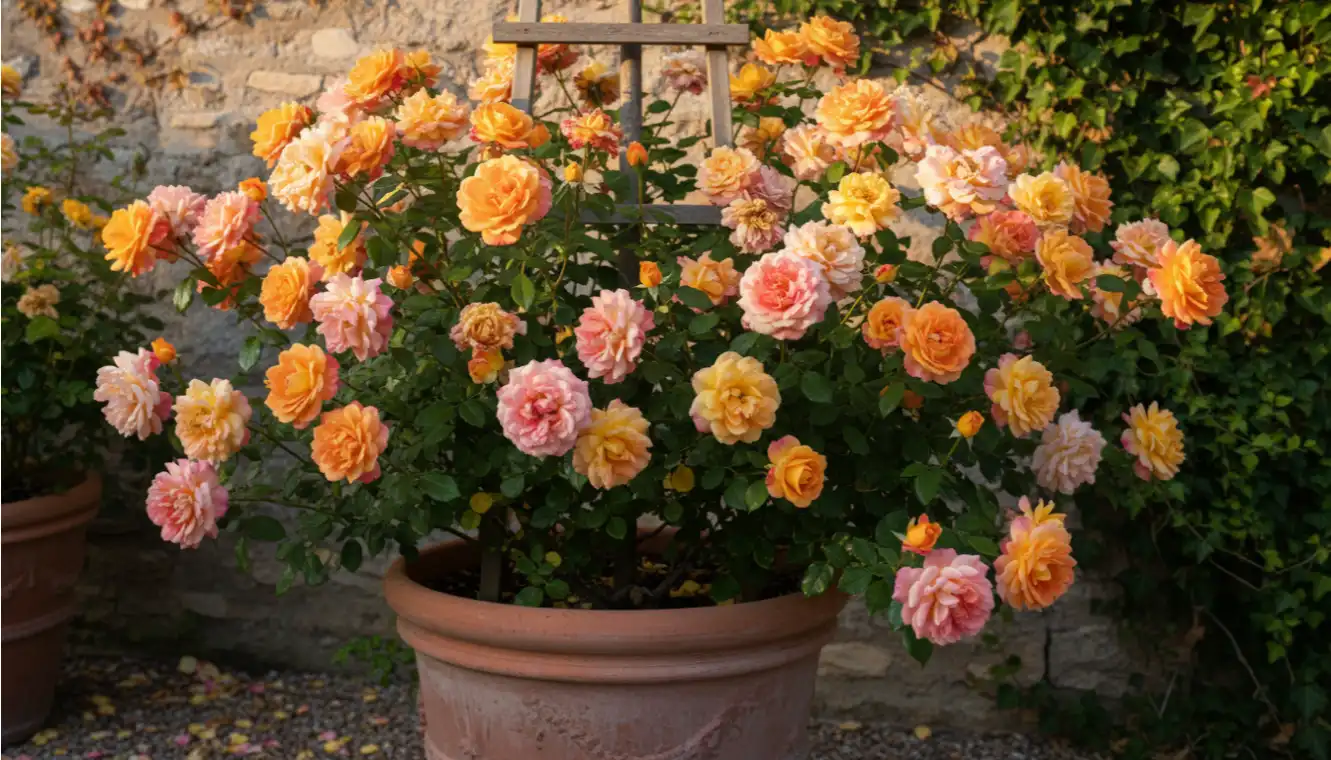
The allure of the Joseph’s Coat rose is undeniable. Its vibrant, kaleidoscopic blooms shift from yellow to orange and blush-red, creating a dynamic display that can transform any garden space. But for gardeners with limited ground, the dream of cultivating this vigorous climbing rose on a patio or balcony often feels like an impossible challenge.
Many have tried, only to be met with lackluster growth, sparse flowering, and a plant that struggles to survive the winter. The core problem is attempting to tame a rose bred for expansive growth within the strict confines of a pot. This leads to a cascade of issues, from root congestion to severe nutrient deficiencies that standard care advice fails to address.
This guide provides a comprehensive, structured approach to successfully growing a spectacular Joseph’s Coat rose in a container. By focusing on foundational choices and consistent, targeted care, you can create a stunning vertical accent that defies spatial limitations and becomes the highlight of your garden.
You'll Learn About
Why Container Growing a Joseph’s Coat Rose is a Unique Challenge
Understanding the nature of this specific rose is the first step. The Joseph’s Coat is a powerful climber, capable of reaching heights of 10-12 feet. Its root system is designed to anchor this large structure and aggressively seek out water and nutrients from the earth.
Confining this extensive root system to a container immediately creates several hurdles. The limited soil volume depletes nutrients and moisture at an accelerated rate, the roots can quickly become pot-bound, and the plant is far more susceptible to the stresses of heat, drought, and winter cold. Success is not just possible; it’s achievable with a deliberate strategy.
The Foundation of Success: Choosing the Perfect Container
The single most critical decision you will make is selecting the right container. This choice dictates the long-term health, stability, and blooming potential of your rose. Skimping on size is the most common and detrimental mistake gardeners make.
Size Matters More Than You Think
To accommodate its vigorous root system, a Joseph’s Coat rose requires a substantial container from the very beginning. Choose a pot that is at least 20 to 25 gallons in volume, which roughly translates to a container about 24 inches wide and deep. A half-whiskey barrel is an excellent option.
A large container provides thermal insulation, protecting the roots from extreme temperature fluctuations in both summer and winter. It also holds a greater volume of soil, which means it retains moisture longer and provides a more stable supply of nutrients, preventing the boom-and-bust cycle that stresses smaller potted plants.
Material and Drainage Decisions
The material of your pot impacts watering frequency and durability. Terracotta is porous and allows for good air exchange to the roots, but it also dries out quickly. Glazed ceramic and plastic pots retain moisture more effectively but can become very hot in direct sun.
Regardless of the material, abundant drainage is non-negotiable. Ensure your container has multiple large drainage holes at the bottom. To prevent waterlogging, you can elevate the pot slightly on “pot feet” or bricks, a principle just as important for outdoor containers as it is for indoor structures like ensuring proper shower curb height and width for water management.
Crafting the Ideal Soil “Recipe” for Potted Roses
Standard bagged potting mix is not sufficient for a heavy-feeding, long-term resident like a climbing rose. You must create a custom blend that provides structure, aeration, moisture retention, and sustained nutrition. A superior mix is the secret to unlocking vibrant, continuous blooms.
A highly effective and balanced recipe combines three key components. Start with a base of two-thirds high-quality, peat-free potting soil. Then, blend in one-third well-rotted compost or manure to provide rich organic matter and a slow release of essential nutrients.
Finally, to ensure excellent drainage and prevent compaction over time, add a generous amount of perlite or horticultural grit. This custom soil blend creates the perfect environment for a strong, healthy root system capable of supporting a magnificent display of flowers.
The Art of Watering and Feeding Your Potted Climber
Roses in containers are entirely dependent on you for their water and nutritional needs. Establishing a consistent and strategic routine is vital for preventing stress and encouraging prolific blooming throughout the growing season.
Mastering Moisture Levels
The goal is to keep the soil consistently moist but never waterlogged. Employ the “drench and dry” method: water thoroughly until it runs from the drainage holes, then allow the top two inches of soil to dry out before watering again. Check the soil moisture daily, especially during hot weather, as container roses can require watering every day.
Always water at the base of the plant in the morning. Wetting the foliage, particularly in the evening, creates an ideal environment for fungal diseases like black spot and powdery mildew.
A Strategic Feeding Schedule
Container roses are heavy feeders. Begin in early spring by incorporating a slow-release granular rose fertilizer into the top layer of soil. This provides a baseline of nutrients for the initial growth surge.
Supplement this by feeding with a balanced liquid fertilizer every two to three weeks during the peak growing season, from spring through late summer. Stop all fertilizing about six to eight weeks before your first expected frost to allow the plant to prepare for dormancy.
Pruning for Structure and Blooms in a Confined Space
Pruning a climbing rose in a container is less about size reduction and more about creating a healthy, productive framework. Proper pruning encourages airflow, prevents disease, and stimulates the growth of new, flower-bearing wood.
The Annual Pruning Strategy
The main pruning should be done in late winter or early spring, just as the buds begin to swell. Start by removing any dead, damaged, or spindly canes. The primary goal is to establish a strong structure of several main canes trained onto your support.
From these main canes, prune the side shoots (laterals) back to two or three buds. These are the shoots that will produce this season’s flowers. An open structure allows sunlight and air to penetrate the center of the plant, significantly reducing the risk of fungal diseases.
Deadheading for Continuous Color
This is the simplest yet most effective way to encourage repeat blooming. As soon as a flower begins to fade, snip it off just above the first five-leaflet leaf. This redirects the plant’s energy from seed production to creating new blossoms.
Essential Support: Trellising Your Containerized Climber
A Joseph’s Coat rose will not support itself and requires a sturdy structure to climb. Given that the base is a pot and not the ground, the support system must be well-anchored and stable enough to handle the weight of a mature, flowering rose.
Obelisks that can be inserted directly into the pot are excellent for creating a vertical pillar of blooms. For a broader display, position the pot against a wall and install a fan trellis. Ensure the trellis is securely fastened to the wall, as a mature rose laden with blooms can be surprisingly heavy. In a similar vein, properly securing exterior features is key, whether it’s a trellis or a Costco genius screen door, to ensure they withstand the elements and function correctly.
Overwintering Your Joseph’s Coat: The Container Gardener’s Guide
Roses in containers are more vulnerable to winter cold because their roots are not insulated by the earth. In zones 7 and colder, providing winter protection is absolutely crucial for survival.
After the first hard frost, water the rose thoroughly and move the container to a sheltered location, such as an unheated garage, shed, or a protected spot against the house. If moving it is not possible, insulate the pot by wrapping it in burlap or bubble wrap, and mound mulch or compost over the top of the soil to protect the root crown.
Troubleshooting Common Problems
Even with the best care, you may encounter issues. Identifying problems early is key to keeping your Joseph’s Coat rose healthy and beautiful. The following table outlines common problems and their solutions.
| Problem | Likely Cause | Solution |
|---|---|---|
| Yellowing Leaves | Overwatering or nutrient deficiency (often nitrogen). | Check soil moisture before watering. Ensure good drainage. Apply a balanced liquid fertilizer if the soil is not overly wet. |
| Few or No Blooms | Insufficient sunlight, improper pruning, or lack of phosphorus. | Move the container to a location that receives at least six hours of direct sun. Prune correctly in late winter. Use a “bloom booster” fertilizer. |
| Powdery Mildew | Poor air circulation and damp foliage. | Improve spacing between canes. Water only at the soil level. Apply a fungicide if necessary. |
| Aphids or Spider Mites | Common garden pests, often on new growth. | Spray forcefully with water to dislodge them. For persistent issues, use insecticidal soap or neem oil. |
Long-Term Care and Repotting
Approximately every three to four years, the rose will need to be repotted. This is not just to provide a bigger pot, but to refresh the soil which becomes depleted and compacted over time. The best time to do this is in late winter when the plant is dormant.
Carefully remove the rose from its container and gently prune back some of the thicker, older roots to encourage new feeder root growth. When cleaning the empty pot, avoid harsh, abrasive materials that could cause damage, a good rule to remember for other surfaces as well, as some homeowners experience honed quartz problems from using the wrong cleaning agents. Repot into the same container using a fresh batch of your custom soil mix.
By embracing a strategy of providing ample space, superior soil, and consistent care, you can successfully cultivate a breathtaking Joseph’s Coat rose in a container. This approach transforms a common gardening frustration into a rewarding achievement, proving that even the most vigorous climbing roses can flourish on a patio or deck, bringing vertical color and life to any space.