
Stop! Your John Deere LT133 Deck Belt Diagram is Here
There are few things more frustrating than a lawn tractor that won’t cut properly. You hear the engine running, but the blades aren’t spinning with power, leaving behind uneven patches of grass and turning a simple chore into a massive headache. This is a classic sign of a worn, damaged, or incorrectly installed mower deck belt.
For owners of the reliable John Deere LT133, this problem can bring your entire lawn care routine to a halt. The solution often lies in replacing the belt, but the real challenge is understanding the precise routing. Without a clear John Deere LT133 deck belt diagram, you risk installing the new belt incorrectly, leading to it slipping off, shredding, or failing to engage the blades at all.
You'll Learn About
Decoding the Signs of a Failing Deck Belt
Before you start disassembly, it’s crucial to confirm that the deck belt is the true culprit. A failing belt often gives several warning signs. Ignoring them can lead to more significant damage to your mower’s spindles or pulleys.
Look for visible cracks, fraying, or glazed, shiny spots on the belt itself. These are clear indicators of age and wear. You might also hear a loud squealing or chirping sound when you engage the mower blades, which points to a slipping belt that can no longer grip the pulleys effectively.
Beyond the Belt: Inspecting Pulleys and Tensioners
A frequent mistake is replacing the belt without checking the surrounding components. A new belt will fail quickly if the underlying issue is a bad pulley or a weak tensioner. These parts are critical for maintaining the belt’s path and pressure.
With the mower off and the spark plug disconnected, manually spin each pulley on the deck. They should rotate smoothly and silently. Any grinding noise, wobbling, or excessive resistance suggests a failing bearing that needs to be addressed before installing a new belt.
Your Essential Toolkit and Safety Checklist
Tackling this job requires a few basic tools and a strong focus on safety. Taking a few moments to prepare will ensure the process is smooth and accident-free. You don’t need a professional workshop, just a handful of common hand tools.
Gather a socket wrench set, a pair of heavy-duty work gloves to protect your hands, and safety glasses. Ensure the tractor is on a flat, level surface and, most importantly, disconnect the spark plug wire. This single step prevents any chance of the engine accidentally starting while you are working on the deck.
The John Deere LT133 Deck Belt Diagram Explained
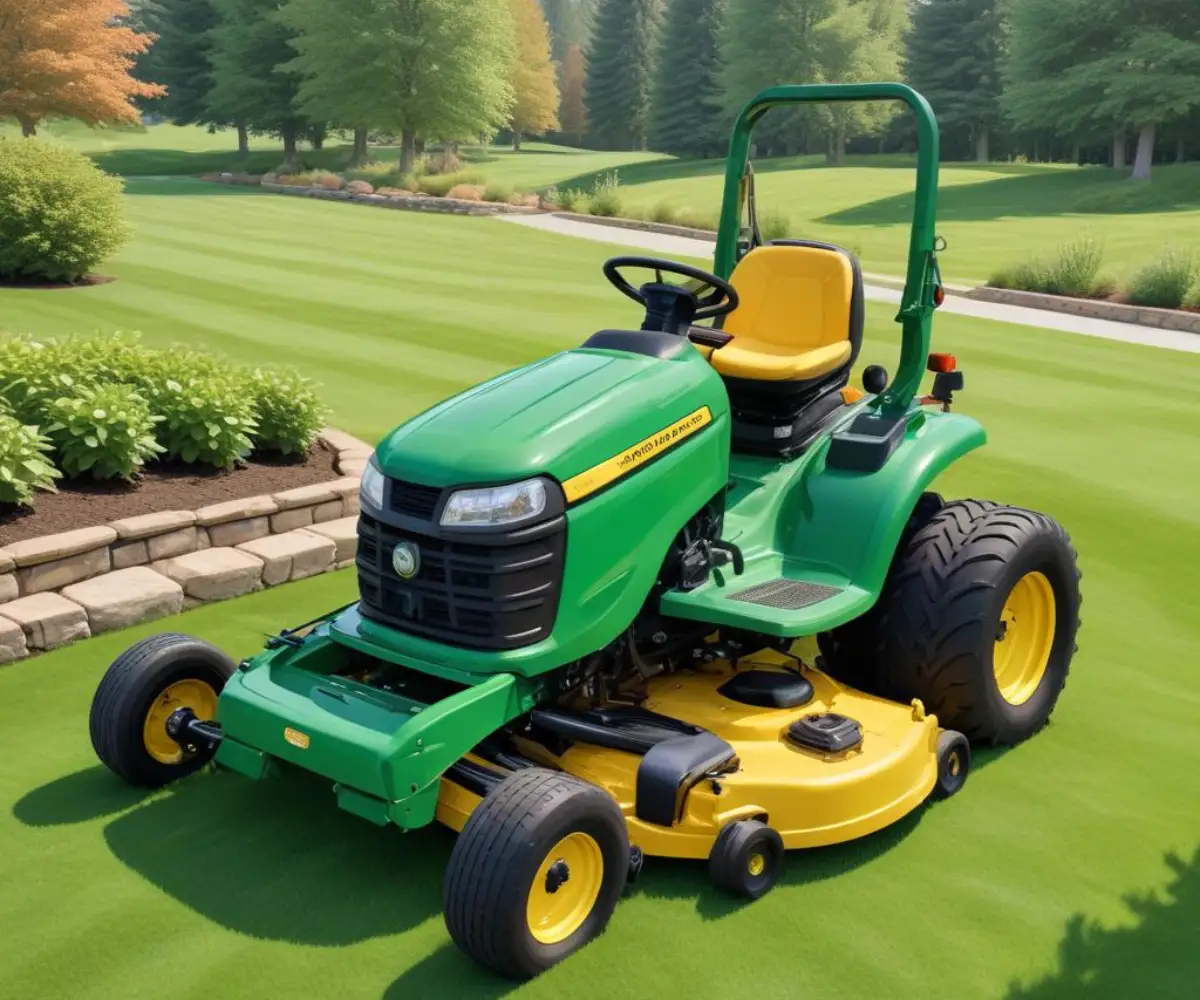
The routing of the deck belt on an LT133 can seem complex, but it follows a logical path designed to power both blade spindles and maintain tension. This is where a clear diagram and understanding become invaluable. The belt must navigate around the main engine pulley, two spindle pulleys, and a tensioner idler pulley system.
The key is ensuring the ‘V’ side of the belt sits correctly in the V-groove pulleys (the spindles and the engine PTO) while the flat, back side of the belt presses against the flat idler pulleys. Incorrectly routing the belt with the V-side on a flat pulley is a primary cause of premature belt failure and slippage.
A Step-by-Step Guide to Replacing Your LT133 Deck Belt
With your tools ready and safety precautions in place, you can confidently proceed with the replacement. Follow these steps methodically for a successful outcome. Taking your time here will save you from future headaches.
Step 1: Lower and Prepare the Mower Deck
Set your mower deck height to its lowest position. This will relieve some of the tension on the linkages, making it easier to remove. This simple adjustment is the first step towards accessing the belt and pulleys.
Step 2: Release the Belt Tension
Locate the idler tensioner arm. You will need to move this arm to create slack in the old belt, allowing you to slip it off the engine’s PTO pulley first. This is often the most challenging part, but applying steady pressure should release the tension spring’s grip.
Step 3: Remove the Old Belt and Clean the Deck
Once the tension is released, carefully unthread the old belt from around all the pulleys. Before installing the new one, take this opportunity to thoroughly clean the mower deck. Scrape away all caked-on grass and debris, as this buildup can interfere with the new belt and cause it to jump off the pulleys.
Step 4: Route the New Belt Correctly
Referring to the diagram, begin routing the new belt. It’s often easiest to start with the two main spindle pulleys. Ensure the belt is seated deep within the pulley grooves and that there are no twists in the belt itself. A single twist can cause the belt to derail as soon as you engage the blades.
Step 5: Engage the Tensioner and Final Check
With the belt routed around the spindles and idlers, the final step is to loop it around the engine’s PTO pulley and carefully re-engage the tensioner arm. Double-check that the belt is secure on every pulley and that the tensioner spring is providing firm pressure. Manually rotate the blades to ensure the belt moves freely without binding or rubbing against any guards.
Troubleshooting Common Post-Installation Problems
Sometimes, even after a careful installation, problems can arise. A new belt might slip off immediately, or you might hear new noises. Don’t panic; these issues are typically caused by a few common oversights that are easy to fix.
If your belt comes off, the most likely culprits are incorrect routing or a missed belt guide. If the belt seems too tight or too loose, the tensioner arm or spring may not be seated correctly. Proper home and garden equipment maintenance requires attention to detail, much like knowing the best time to buy flooring at lowes for a big project; timing and correct procedure are everything.
Why Component Health is Non-Negotiable
The entire deck system works in harmony. A worn pulley bearing or a bent belt guide will compromise even the best new belt. Ensuring every component is in good working order is foundational to a lasting repair. This holistic approach to maintenance is what separates a quick fix from a long-term solution.
Just as you wouldn’t ignore a foundation issue when looking at mainstreet siding reviews for your house, don’t overlook the “foundation” of your mower deck. The pulleys and tensioners are just as critical as the belt itself for reliable performance.
| Symptom | Likely Cause | Solution |
|---|---|---|
| New belt comes off immediately | Incorrect belt routing, twisted belt, or a missed belt guide/keeper. | Re-check the routing against the diagram and ensure all guides are in place. |
| Squealing or burning smell | Belt is slipping due to incorrect tension, a seized spindle/pulley, or oil/grease on the belt. | Verify tensioner function, check all pulleys for free rotation, and clean the belt and pulleys. |
| Blades engage when they should be off | Belt is too tight, often due to being the wrong size or misrouted. | Confirm you have the correct OEM part number belt and re-verify the routing path. |
| Uneven or poor cut quality | Belt is slipping, installed upside down, or blades are dull. | Check belt tension and installation. Also, take the time to sharpen or replace the mower blades. |
Proactive Care: Extending the Life of Your New Belt
Once your new belt is installed and working perfectly, a few simple habits can dramatically increase its lifespan. The most important is to keep the mower deck clean. A clean deck prevents debris from damaging the belt and pulleys.
Also, be mindful while mowing. Avoid hitting large rocks or stumps, as the sudden stop can shock the system and stretch or break the belt. Proper care is simple and pays dividends in longevity. This is similar to knowing what you can and cannot process in your kitchen, such as putting limes in garbage disposal; avoiding harmful actions prevents damage.
The Final Word on Your LT133
Replacing the deck belt on your John Deere LT133 is a completely manageable task that can save you time and money. By following a clear diagram, performing a thorough inspection of all components, and adhering to safety procedures, you can restore your mower’s cutting performance.
A successful replacement will give you a pristine cut and the satisfaction of a job well done. Armed with this knowledge, you are now equipped to handle one of the most common lawn tractor repairs with the confidence of a pro, ensuring your John Deere is ready to keep your lawn looking its best for years to come.
