
Don’t Get Duped: Your Ultimate Guide to Spotting Fake Jack Seeds
You envision a lush garden, perhaps boasting an exotic jackfruit tree grown from a seed you nurtured. The excitement of cultivating something unique is a powerful motivator for any gardener. But this dream can quickly turn into a frustrating waste of time, money, and effort when the seeds you purchased are fake.
This is an increasingly common problem for home and garden enthusiasts. Unscrupulous online sellers capitalize on the desire for rare and unusual plants, flooding the market with worthless seeds that will never grow into the promised specimen. Understanding how to identify these scams is the first line of defense for your garden and your wallet.
You'll Learn About
Why the Fake Seed Market is Booming
The rise of vast online marketplaces has made it easier than ever for anyone to become a seller. Unfortunately, this low barrier to entry also opens the door for scammers. They leverage the excitement for exotic plants, knowing that many buyers may not know what the authentic seeds are supposed to look like.
These sellers create listings with fantastical, often digitally altered images of plants in impossible colors, like rainbow roses or vibrant blue strawberries. They promise unbelievably high germination rates and sell these “rare” seeds for just a few dollars, making the purchase feel like a low-risk bargain. The sad reality is that the seeds received are often common weeds, old and non-viable seeds, or something else entirely.
Unrealistic Promises and “Too Good To Be True” Deals
One of the biggest red flags of a fake seed scam is the product listing itself. Scammers often use doctored photos displaying plants with impossible colors and patterns. If a plant looks like it belongs in a fantasy movie, the seeds are almost certainly fake.
Be wary of descriptions that promise 100% germination or immediate, effortless growth. Legitimate seed sellers provide realistic expectations and detailed growing instructions, not magical guarantees. Excessively low prices for seemingly rare seeds are another warning sign; authentic, rare seeds typically come with a higher price tag from reputable sources.
Scrutinizing the Seller’s Profile and Location
Before making a purchase, take a moment to investigate the seller. Check their reviews, but read them with a critical eye. Some scammers create fake positive reviews to build false credibility. Look for detailed reviews from users who have successfully grown the plant in question.
Pay attention to the seller’s location. A significant number of fake seed operations have been traced to sellers based overseas. While not all international sellers are fraudulent, purchasing seeds from other countries can be risky and may violate import regulations. Always check for a physical address and contact information for the company.
How to Physically Identify Fake “Jack” Seeds (and Others)
Let’s focus on the jackfruit seed, a common target for scams. Genuine jackfruit seeds are quite distinctive. Being able to recognize them is a key skill in avoiding disappointment. When you receive a packet of seeds, a careful physical inspection can often reveal a fraud immediately.
Knowing what you’re looking for before the seeds even arrive is your best defense. This knowledge empowers you to assess the product as soon as it’s in your hands, long before you waste any time trying to plant it. The differences between real and fake can be stark if you know the signs.
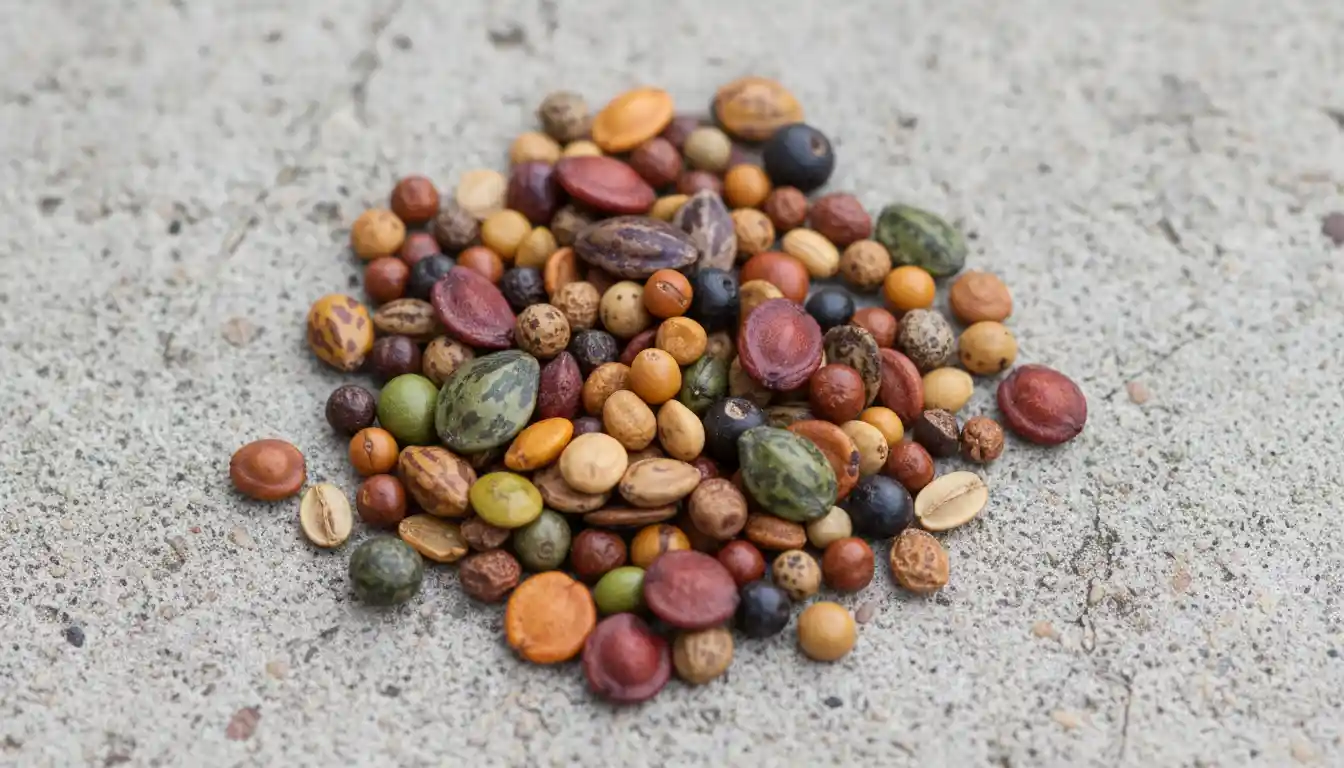
Visual Inspection: Size, Shape, and Color
A real jackfruit seed is large, waxy, and generally has an oblong or kidney-bean shape. They can be over an inch long. They typically have a thin, pale, parchment-like outer layer over a darker brown inner seed coat.
Fake seeds, on the other hand, are often small, inconsistent in shape, and may have strange colors. If you ordered jackfruit seeds and received a packet of tiny, black, pellet-like objects, you have been scammed. Many fraudulent sellers simply package cheap, bulk seeds like mustard or weed seeds.
The Float Test: A Simple First Step
A common method gardeners use to test seed viability is the float test. Simply drop the seeds into a container of water. Generally, viable seeds will sink, while old, dried-out, or empty seeds will float.
While this test isn’t foolproof for every type of seed, it’s a good starting point for larger seeds like jackfruit. If your supposed jackfruit seeds float, it’s a strong indication they are not viable and may not be authentic. This simple test can save you from preparing soil and pots for seeds that have no chance of sprouting.
| Characteristic | Genuine Jackfruit Seeds | Common Fake Seeds |
|---|---|---|
| Size | Large, typically 1-2 inches long. | Small, often pellet-sized or tiny specks. |
| Shape | Oblong, kidney-bean, or irregular oval. | Often uniform, round, or indistinct shapes. |
| Color | Pale, waxy outer husk with a brown seed coat underneath. | Typically black, dark brown, or sometimes unnaturally colored. |
| Texture | Smooth, slightly waxy surface. | Can be rough, smooth, or grainy, but lacks the waxy feel. |
| Consistency | Seeds in a batch will have slight natural variations. | May be perfectly uniform (machine-made) or a mix of random debris. |
You Bought Fake Seeds… Now What?
Discovering you’ve been scammed is disheartening, but there are steps you can take. Your quick action can help you get a refund and prevent the seller from duping others. The key is to act as soon as you realize the seeds are not what you ordered.
Many online marketplaces have buyer protection policies in place, but they often have time limits. Scammers rely on the fact that it can take weeks or months to realize seeds are fake, by which point the return window has closed. This is why immediate inspection is so crucial.
Document Everything and Contact the Platform
The moment you suspect the seeds are fake, take clear photographs. Capture images of the seeds themselves, the packaging they arrived in, and the original online listing with its doctored photos and false promises. This evidence will be vital.
Next, contact the customer service department of the platform where you made the purchase (e.g., Amazon, eBay, Etsy). File a complaint, stating that the item is “not as described.” Provide your photographic evidence and explain why you believe the seeds are fake. This is often the most effective way to secure a refund.
The Golden Rules for Buying Authentic Seeds Online
Protecting yourself from future scams involves shifting your purchasing habits. The allure of a rare plant for a bargain price can be strong, but the risk of fraud is high. Adopting a more discerning and informed approach is the best way to cultivate a garden of trust.
Building a list of reputable sources and learning to spot the red flags of a fraudulent seller are the most powerful tools a gardener can have. A little research upfront can prevent immense frustration later. Sometimes, managing the practical aspects of a large gardening project feels overwhelming, and one might even wonder about the garage with master suite above cost as a comparison for complex undertakings, but sourcing good seeds is a foundational first step that shouldn’t be rushed.
Stick to Reputable Nurseries and Seed Banks
The single most effective way to avoid fake seeds is to buy from established, reputable sources. Look for dedicated online seed stores, nurseries with an online presence, and non-profit organizations like seed exchanges. These sellers have a reputation to uphold and rely on quality to maintain their business.
While their prices may be higher than a random third-party seller on a large marketplace, you are paying for authenticity, viability, and customer support. Many reputable sellers also provide extensive growing guides and are certified by agricultural departments.
Understand Your Climate Zone and Growing Conditions
A major telltale sign of a scam is a seller offering seeds for plants that cannot possibly survive in your climate. Scammers will gladly sell tropical jackfruit seeds to someone in a freezing northern climate without any warning or information. A reputable seller, by contrast, will provide USDA Hardiness Zone information and be clear about a plant’s needs.
Before buying seeds for an exotic plant, do your own research. Can this plant survive your winters? Does it need high humidity? Properly preparing the growing environment is key, and that includes preventing issues like fungus. For enclosed spaces like greenhouses, understanding how to manage moisture and prevent problems is critical, much like knowing how to handle drylok mold in a basement is essential for home maintenance. A seller who doesn’t provide this crucial context is not a professional.
Look for Proper Packaging and Labeling
Legitimate seeds come in professional packaging. This typically includes the plant’s common name, its full botanical (Latin) name, the seed count or weight, the packing date, and germination information. This detailed labeling demonstrates a commitment to quality and transparency.
Scammers, however, usually ship seeds in a small, unlabeled plastic baggie with no information at all. If your “rare” seeds arrive looking like this, it’s an almost certain sign of a scam. Proper storage and handling are also key to seed viability, and this includes keeping things dry and clean, which brings to mind everyday household solutions, like figuring out the best where to hang bath mat to dry to prevent mildew.
Beyond Jackfruit: Other Common “Fake Seeds” to Avoid
While this article focuses on jackfruit, the fake seed scam extends to many other plants. The tactics are the same: use sensational, photoshopped images and rock-bottom prices to lure in hopeful gardeners. Being aware of the most common fakes can help you spot scammer profiles more easily.
Some of the most notoriously fake seeds sold online include “Rainbow Roses,” “Blue Strawberries,” “Black Orchids,” and “Giant Bonsai” trees that promise a full-sized, ancient-looking tree in a tiny pot. Remember, if a plant’s coloration or growth habit defies nature, the seeds are not real. Always perform a quick search on a university extension or botanical garden website to verify a plant’s authenticity before you buy.
