
Is Shaw Engineered Flooring Good? The Brutal Truth for Homeowners
Choosing the right flooring feels like navigating a minefield. You want the timeless beauty of hardwood, but your busy life—complete with kids, pets, and the occasional spilled drink—demands something tougher. This is the exact problem homeowners face when they discover engineered hardwood, and one name dominates the market: Shaw Floors.
But with so much conflicting information online, a critical question emerges: is Shaw engineered flooring genuinely a good investment for your home, or is it an expensive mistake waiting to happen? This article cuts through the noise to deliver the unvarnished truth about its performance, durability, and real-world value.
You'll Learn About
Diving Deeper: What Exactly Is Shaw Engineered Flooring?
Before judging its quality, it’s crucial to understand what you’re buying. Unlike solid hardwood, which is a single plank of wood, engineered flooring is a multi-layered product. It consists of a thin top layer of real hardwood veneer bonded to a high-density core.
Shaw elevates this basic construction with proprietary technologies that directly address common flooring failures. Their Stabilitek core is designed for high performance and durability, constructed from wood fibers and proprietary chemistry to resist climate fluctuations and subfloor moisture. Many collections also feature ScufResist Platinum, a finish that significantly enhances wear and scuff resistance, or Repel splash-proof technology, which protects against everyday spills.
The Core Debate: Understanding Shaw’s Construction
One of the most significant, yet least discussed, factors in engineered flooring’s performance is the core. Shaw’s use of a high-density fiberboard (HDF) core in lines like their EPIC Plus collection is a notable point of difference. While some consumers are wary of anything that isn’t a plywood core, modern HDF cores are engineered to be incredibly dense and stable.
This construction makes the flooring less susceptible to dents and provides enhanced stability against moisture and temperature changes. It’s this core technology that allows for installation in areas where solid hardwood is a gamble, such as basements or on concrete slabs.
The Good: Where Shaw Engineered Flooring Truly Shines
When you invest in flooring, you’re buying a foundation for your life, and Shaw’s products offer several compelling advantages that solve real-world homeowner problems.
Unmatched Durability for Modern Life
The primary concern for any homeowner is whether their floor can withstand daily life. Shaw’s technological innovations provide a direct solution. Their ScufResist Platinum finish has been shown to be significantly more resistant to scuffs and scratches than standard finishes, a crucial feature for households with pets and children.
Furthermore, collections like Repel and the fully waterproof Floorté line address the constant anxiety over spills. This water-resistant technology provides a protective barrier that keeps moisture on the surface, giving you precious time to clean up messes without worrying about immediate damage to the wood.
Aesthetic Versatility and Design Freedom
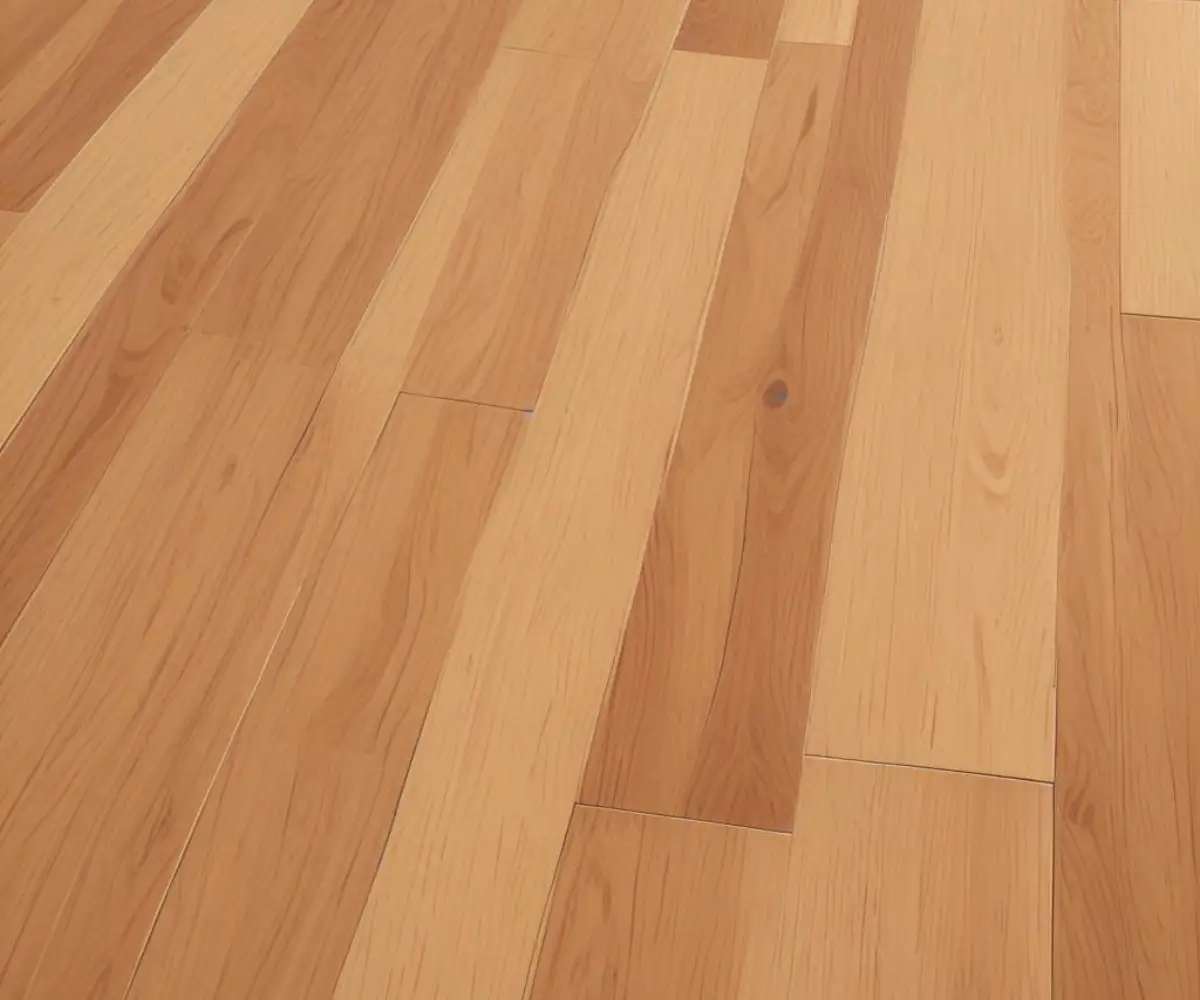
Your floor shouldn’t just perform well; it should look beautiful. Shaw offers an extensive range of styles, from classic oak and hickory to more contemporary maple and walnut. Their collections come in various finishes, textures (like wire-brushed and hand-scraped), and plank widths.
This vast selection solves the problem of finding a floor that perfectly matches your home’s aesthetic. Whether your style is rustic farmhouse or sleek modern, there is a Shaw engineered product designed to complement it, offering the authentic look of hardwood with enhanced performance.
Installation Flexibility Solves Tricky Home Layouts
One of the greatest advantages of engineered hardwood is its versatility in installation. Unlike solid wood, which is typically nailed down and not recommended for below-grade areas, Shaw engineered flooring can be installed on any level of the home. It can be glued, stapled, nailed, or floated, even over concrete subfloors or existing flooring.
This flexibility is a massive problem-solver for homeowners with concrete slabs or those who want a continuous wood look throughout different levels of their house. This adaptability can also lead to simpler and sometimes less costly installation.
The Bad: Confronting the Downsides and Common Complaints
No product is perfect, and ignoring the potential drawbacks of Shaw engineered flooring would be a disservice. Many negative reviews stem from a misunderstanding of the product’s limitations or, more often, from critical errors during installation.
The Veneer Thickness and Refinishing Myth
A common pain point is the thickness of the top hardwood layer, or veneer. Many Shaw products have a thinner veneer, which means they cannot be sanded and refinished multiple times like solid hardwood. Some may not be refinishable at all.
This is a critical trade-off. While the advanced finishes provide excellent initial durability, you sacrifice the long-term ability to sand out deep scratches or change the stain color decades down the line. It’s essential to weigh the immediate benefits of durability against the future desire for refinishing.
Dents, Dings, and Unrealistic Expectations
While the surface finish is highly scratch-resistant, the wood veneer itself is still real wood. A heavy dropped object can still dent hickory, oak, or maple, regardless of the brand. Homeowners expecting their floor to be completely indestructible will be disappointed.
Understanding this distinction is key. Shaw’s finish protects against scuffs from a sliding chair; it does not make the wood impervious to a dropped cast-iron skillet. Setting realistic expectations is the solution to preventing this common complaint.
The Hidden Culprit: The Catastrophic Impact of Poor Installation
Here lies the most critical and often overlooked issue: a vast majority of flooring failures are due to improper installation, not product defects. Issues like gapping between boards, cupping (where edges raise), and a hollow or bouncy feel underfoot are almost always traced back to installation errors.
Shaw, like all reputable manufacturers, has very specific guidelines for subfloor preparation. The subfloor must be perfectly clean, flat, and dry. Furthermore, the flooring must be acclimated to the home’s environment—meaning the boxes must be left in the room for a specific period to adjust to the temperature and humidity. Skipping these steps is a recipe for disaster and will void the warranty, leaving the homeowner with a costly problem and no recourse.
Shaw Engineered Flooring vs. The Competition
To provide a clear picture, it’s helpful to see how Shaw stacks up against other flooring options. While a deep dive into Earthwerks engineered hardwood reviews or other brand comparisons is useful, this table provides a high-level overview.
| Feature | Shaw Engineered Hardwood | Solid Hardwood | Laminate Flooring | Luxury Vinyl Plank (LVP) |
|---|---|---|---|---|
| Core Material | Multi-ply wood or HDF | Single piece of solid wood | High-density fiberboard | Stone-plastic or wood-plastic composite |
| Moisture Resistance | Good to Excellent (Repel/Floorté) | Poor | Fair to Good | Excellent (Often 100% waterproof) |
| Refinishing Ability | Limited to none | Yes, multiple times | No | No |
| Installation Areas | All levels of the home | On or above grade only | All levels of the home | All levels of the home |
| Cost (Material Only) | $2.50 – $15.00+ / sq. ft. | $3.00 – $15.00+ / sq. ft. | $1.00 – $6.00 / sq. ft. | $2.00 – $7.00+ / sq. ft. |
When considering alternatives, many homeowners look at high-quality laminate. For those curious about how it compares, our Mannington laminate reviews provide an in-depth analysis of a top competitor in that category.
The Verdict: Is Shaw Engineered Flooring Good?
After a thorough analysis, the answer is a definitive yes, Shaw engineered flooring is a good, high-quality product, but with critical caveats. Its value and performance are not solely dependent on the product itself, but are inextricably linked to proper installation and homeowner expectations.
The flooring’s innovative core, durable finishes, and water-resistance technologies provide effective solutions for the demands of a modern household. However, these benefits can be completely negated by a rushed or improper installation. The negative reviews detailing peeling, splintering, and gapping are often heartbreaking stories of installation failure, not product failure.
Your Final Action Plan
To ensure a successful outcome, you must take control of the process. Vet your installer meticulously. Ask for references, see examples of their work with engineered hardwood, and confirm they will follow Shaw’s installation guidelines to the letter, including subfloor prep and acclimation.
Ultimately, Shaw provides a robust and beautiful flooring product that successfully bridges the gap between the beauty of natural wood and the need for everyday durability. By understanding its limitations and ensuring flawless installation, you can confidently make an investment that will serve your home well for years to come.
