Is Algae Killing Your Lotus? The Surprising Truth Revealed
You envisioned a serene water garden, a pristine oasis crowned by the magnificent leaves and blossoms of your lotus plant. Instead, you’re staring at murky green water or unsightly green strands clinging to your plant’s stems. It’s a common problem that leaves many home gardeners asking the same frustrating question: is this algae actively harming my prized lotus?
The immediate impulse is often to declare war on this green intruder. However, the relationship between algae and your lotus is far more complex than a simple battle of good versus evil. Understanding this dynamic is the first step toward creating a truly balanced and healthy aquatic ecosystem where your lotus can thrive.
You'll Learn About
Understanding the Algae in Your Lotus Pond
Before you can manage it, it’s crucial to know what you’re dealing with. Algae are simple, plant-like organisms that are a natural and inevitable part of any pond ecosystem. They appear when the conditions are right, primarily when there’s an abundance of two key ingredients: sunlight and excess nutrients. These nutrients can come from various sources, including fish waste, decaying leaves, or fertilizer runoff from your lawn.
In a typical home and garden pond, you’ll encounter a few common types of algae. Green water is caused by millions of single-celled phytoplankton suspended in the water. String algae, or filamentous algae, forms those familiar long, hair-like strands. Then there are blue-green algae, which are technically a type of bacteria called cyanobacteria and can sometimes be toxic.
The Surprising “Good” Side of Algae for Your Lotus
While an explosion of algae is alarming, a small amount is not only normal but can be a sign of a living, breathing ecosystem. In moderation, algae play a beneficial role. Through photosynthesis, they produce oxygen, which is vital for the submerged roots of your lotus and any fish or beneficial bacteria living in the pond.
Think of algae as the foundational layer of the pond’s food web. It serves as a food source for microscopic organisms called zooplankton, which are then eaten by fish and other pond inhabitants. In this way, a controlled amount of algae indicates a healthy, functioning environment where nutrients are being cycled effectively.
When Good Algae Goes Bad: The Tipping Point for Your Lotus
The problem arises when the natural balance is disrupted, leading to an “algae bloom.” This is when algae growth explodes, becoming detrimental to your lotus plant. The relationship shifts from a minor competitor to a formidable threat that can cause significant harm in several ways.
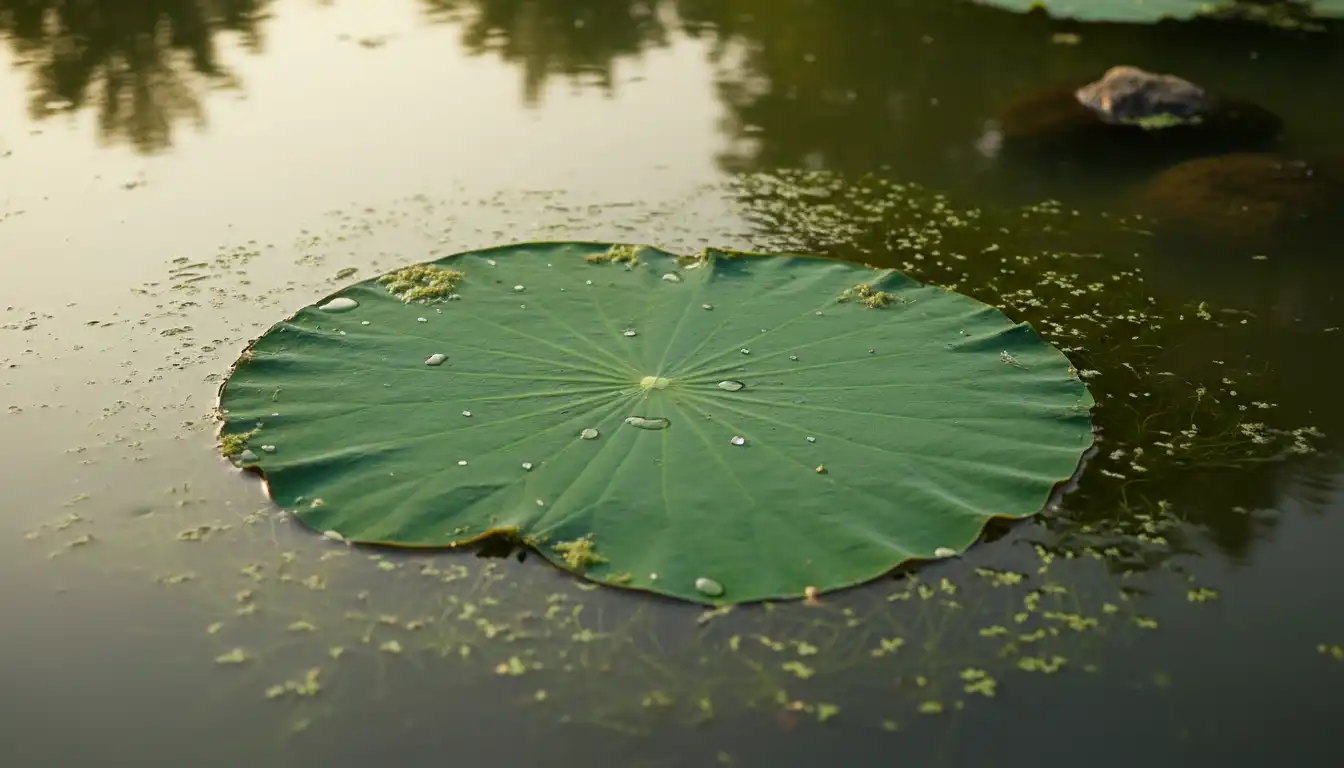
An aggressive algae bloom creates a thick blanket on the water’s surface, which can block essential sunlight from reaching the lotus’s submerged leaves and developing pads, stunting its growth. While algae produce oxygen during the day, they consume it at night. A massive bloom can cause a severe overnight oxygen depletion in the water, creating a stressful, low-oxygen environment that can suffocate plant roots.
The Hidden Dangers of an Algae Outbreak
Beyond the obvious competition for light and nutrients, a severe algae bloom introduces more insidious problems. The rapid photosynthesis and respiration cycles can cause drastic daily swings in the water’s pH level, moving from alkaline during the day to acidic at night. This instability is highly stressful for lotus plants.
Furthermore, when the massive amounts of algae in a bloom eventually die off, their decomposition consumes even more of the pond’s dissolved oxygen. This can lead to a catastrophic crash in water quality, further endangering your lotus and any other aquatic life. Some blooms, particularly those of blue-green algae, can also release toxins that are directly harmful to plants and animals.
Achieving Perfect Harmony: A Proactive Guide to Algae Management
The goal is not to completely eliminate algae but to manage the ecosystem so your lotus is the star of the show. Achieving this harmony requires a multi-pronged approach focused on limiting the resources algae need to thrive: nutrients and sunlight. The key is to create an environment where the lotus and other beneficial plants outcompete the algae.
Your first line of defense is nutrient control. Lotus are heavy feeders, but their fertilizer should be delivered directly to their roots. Use slow-release aquatic fertilizer tabs pushed deep into the soil of the pot. This feeds the lotus without releasing excess nutrients into the water column for algae to consume.
Creating a Balanced Ecosystem to Suppress Algae
One of the most effective long-term strategies is to introduce other aquatic plants to compete with algae for nutrients. Submerged oxygenating plants like hornwort and anacharis are excellent choices as they absorb nutrients directly from the water. Floating plants like water hyacinths can also help by shading the water surface, limiting the sunlight available for algae growth.
Enhancing water circulation and aeration is another powerful tool. Stagnant water is an invitation for algae. A small pump, fountain, or waterfall not only adds beauty to your garden but also keeps the water moving and increases oxygen levels, which helps stabilize the pond environment and supports the beneficial bacteria that break down organic waste.
| Algae Control Method | How It Works | Pros | Cons |
|---|---|---|---|
| Manual Removal | Physically removing string algae with a net or brush. | Immediate results, chemical-free. | Labor-intensive, doesn’t address the root cause. |
| Barley Straw | Decomposing straw releases compounds that inhibit algae growth. | Natural, safe for fish and plants. | Slow to act (takes several weeks), may not work in all ponds. |
| Beneficial Plants | Other aquatic plants compete with algae for nutrients and light. | Creates a balanced, beautiful, and self-sustaining ecosystem. | Takes time to establish, requires initial investment. |
| Aeration | Pumps and fountains increase oxygen and circulate water. | Improves overall pond health, beneficial for fish and plants. | Requires electricity and equipment purchase. |
| Algaecides | Chemicals that kill algae directly. | Fast-acting for severe outbreaks. | Can harm lotus plants, kill beneficial bacteria, and cause oxygen crashes. Use as a last resort. |
The Unspoken Indicator: What Algae Tells You About Your Pond’s Health
Instead of viewing algae purely as a pest, learn to see it as a diagnostic tool. The type and amount of algae in your pond provide valuable clues about the underlying conditions of the water. This perspective shifts you from being a frustrated gardener to a savvy ecosystem manager.
A sudden bloom of green water, for example, often points to a recent spike in dissolved nutrients. Did you recently fertilize your lawn? Did a large amount of organic debris fall into the pond? The appearance of thick mats of string algae typically indicates both high nutrient levels and ample direct sunlight, a common situation in new ponds before lotus leaves have grown to cover the surface.
A Note on Chemical Warfare: The Algaecide Dilemma
When faced with a stubborn algae bloom, reaching for a chemical algaecide can be tempting. However, this approach should be considered a last resort. Applying chemicals is like using a quick-fix sealant when a structural repair is needed; for a more nuanced comparison of quick fixes versus robust solutions, one might consider the logic behind choosing kwik seal vs silicone for a home repair project. It addresses the symptom, not the cause, and can have unintended consequences.
Algaecides can be harmful to your lotus, stressing or even killing it. They also kill the beneficial bacteria that are essential for a healthy pond cycle. The sudden death of a large algae population will trigger a massive decomposition event, which severely depletes water oxygen levels and can be fatal to fish, creating a worse problem than the one you started with.
Your Lotus and Algae FAQs
Is a little bit of algae okay for my lotus?
Yes, a small amount of algae is a normal and even healthy sign of a functioning aquatic ecosystem. It only becomes a problem when it grows excessively and begins to outcompete your lotus.
Will algae directly kill my lotus plant?
Algae will not typically “attack” and kill a lotus directly. The harm is indirect, caused by blocking sunlight, depleting oxygen at night, causing pH swings, and outcompeting the lotus for essential nutrients. An uncontrolled bloom can certainly lead to the decline and eventual death of a lotus plant.
How long will it take to balance my pond?
Creating a balanced pond is an ongoing process, not a one-time fix. Natural methods like adding competitive plants can take a full growing season to become fully effective. The key is consistent management and patience as you nurture a stable ecosystem.
Conclusion: From Adversary to Ally
The relationship between algae and your lotus plant is one of delicate balance. Algae is not an evil intruder to be eradicated at all costs, but rather an indicator of your pond’s overall health. An overabundance is a clear signal that the system is out of equilibrium, typically due to excess nutrients and sunlight.
By focusing on creating a balanced ecosystem—managing nutrient inputs, introducing competitive plants, and ensuring proper aeration—you can control algae naturally. This proactive approach transforms your role from a constant battler of “pond scum” to a skilled gardener cultivating a thriving aquatic environment where your lotus can flourish, rightfully claiming its place as the jewel of your water garden.