
Is a House Without a Basement a Bad Investment? The Truth
The classic image of a dream home often includes a sprawling basement, a space for storage, recreation, or a workshop. For many, a home without one feels incomplete or even risky from a financial standpoint.
This uncertainty leads to a critical question for countless homebuyers: is a house without a basement a bad investment? The fear of losing resale value, sacrificing storage, and compromising on safety can be paralyzing.
The truth is, a basement-free home isn’t inherently a poor choice. It’s a complex decision that hinges on geography, budget, and lifestyle. This guide will dissect the financial realities, debunk the myths, and provide a clear framework to help you decide if a home on a slab or crawl space is the right investment for you.
You'll Learn About
Understanding Foundation Types: Beyond the Basement
Before weighing the investment potential, it’s crucial to understand the alternatives. Most homes are built on one of three foundation types, each with distinct characteristics and costs.
A full basement is a deep foundation that creates an entire subterranean level. A crawl space is a shorter foundation, creating a gap just a few feet high between the ground and the home’s floor. Finally, a slab-on-grade foundation is a solid pour of concrete that sits directly on the ground, with the house built on top.
The Financial Equation: Upfront Cost vs. Long-Term Value
The investment question ultimately comes down to a balance between what you save now and what you might gain or lose later. This calculation changes dramatically depending on where you live.
The Immediate Savings of Skipping the Basement
There is no ambiguity here: building a house on a slab or crawl space is significantly cheaper than excavating for a full basement. The process of digging, pouring concrete walls, waterproofing, and adding drainage can add tens of thousands of dollars to the initial construction cost.
These upfront savings can be a game-changer for your budget. The money saved can be redirected into a larger down payment, higher-quality finishes inside the home, or a more robust landscaping plan.
The Resale Value Debate: A Tale of Two Climates
The impact on resale value is where the “it depends” answer truly comes into play. In regions with cold winters and frost lines, like the Northeast and Midwest, basements are the standard. Homebuyers in these areas often expect a basement for mechanicals (like furnaces and water heaters), storage, and as a safe haven from tornadoes.
In these markets, a house without a basement can be a harder sell. It may sit on the market longer or fetch a lower price than a comparable home with a basement. Conversely, in the warmer climates of the South and West, slab foundations are extremely common due to stable soil conditions and a lower risk of frost heave. In these regions, the absence of a basement has little to no negative impact on resale value because it’s the market norm.
Debunking the Top 3 Myths About Basement-Free Homes
Many fears about basement-free living are based on outdated information or misconceptions. It’s time to separate fact from fiction.
Myth 1: “You’ll Have Zero Storage Space”
This is the most common concern, but it’s easily solved with smart design. While you lose the chaotic “shove it in the basement” option, it forces more organized and efficient storage solutions.
Modern homes without basements compensate with oversized garages, walk-in pantries, and thoughtfully designed closets. Furthermore, attic spaces with proper flooring and shelving can hold vast amounts of seasonal items. A high-quality, modern shed can also serve as a clean, dry workshop or storage space, rivaling the utility of an unfinished basement.
Myth 2: “They Are Unsafe in a Tornado”
While a below-ground basement is considered the gold standard for tornado safety, it is not the only option. The critical factor is having a certified storm shelter.
FEMA-rated safe rooms can be constructed within the interior of a slab-on-grade home. These fortified closets or small rooms are built with reinforced concrete and steel to withstand extreme winds and debris, offering a comparable level of protection to a traditional cellar.
Myth 3: “Slab Foundations Are a Plumbing Nightmare”
The concern here is that plumbing lines are embedded directly into the concrete slab. If a leak occurs, it can require jackhammering the floor to access and repair the pipe, which is both disruptive and expensive.
However, this fear is more relevant to older homes with copper or cast-iron pipes. Modern construction overwhelmingly uses PEX (cross-linked polyethylene) tubing, which is far more durable, flexible, and resistant to leaks. While a pre-purchase plumbing inspection is crucial for any slab home, the “nightmare” scenario is much rarer with contemporary materials.
The Surprising Practical Benefits of No Basement
Beyond the cost savings, living without a subterranean level offers distinct advantages that are often overlooked in the investment debate.
Say Goodbye to Flooding and Moisture Problems
This is perhaps the single greatest benefit. Basements are, by their nature, holes in the ground that are constantly battling water and hydrostatic pressure. This leads to a host of potential issues, from minor leaks to catastrophic flooding.
Without a basement, you eliminate the risk of leaky foundation walls and the dread of a failed sump pump. A home with a sump pit without a pump can be a ticking time bomb; a home without a pit at all offers true peace of mind. This also significantly reduces the risk of mold and mildew, creating a healthier indoor environment.
Embracing Accessibility and Single-Level Living
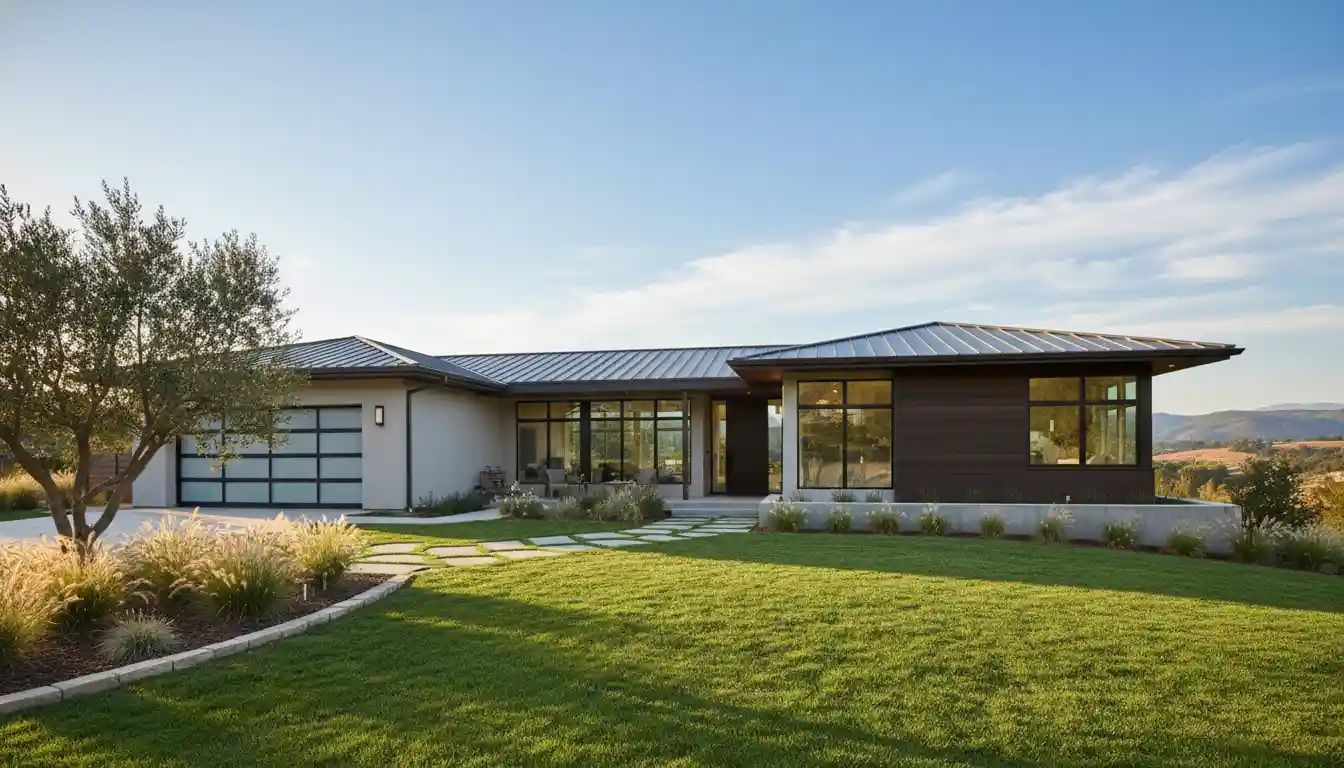
Homes without basements are frequently single-story ranch or patio homes. This layout is incredibly desirable for a wide range of buyers, especially those planning to age in place or anyone with mobility challenges.
Having the laundry, storage, and all living areas on one level without any stairs to navigate is a major quality-of-life improvement. This accessibility can be a powerful selling point that broadens your pool of potential buyers.
What Every Buyer MUST Check in a Basement-Free Home
If you’re considering buying a house without a basement, your due diligence is paramount. A thorough inspection is key to ensuring your investment is sound.
The Foundation Inspection is Non-Negotiable
For any foundation type, a detailed inspection is vital. With a slab, the inspector should be looking for any significant cracks, evidence of shifting, or signs that the slab is heaving or sinking.
If the house is older or if any red flags appear, do not hesitate to hire a specialist. An evaluation from an old house structural engineer can provide definitive answers about the foundation’s integrity and save you from a costly mistake.
Scrutinize the Drainage and Grading
With a slab foundation, water management on the surface is everything. The ground around the house must have a positive grade, meaning it slopes away from the foundation to direct rainwater away.
Check for any low spots where water might pool. A large gap between the patio and house, for instance, could be a sign of soil settling due to poor drainage, a potential problem for the nearby foundation.
Investigate the Plumbing System Thoroughly
As mentioned, plumbing in a slab deserves special attention. Ask about the age and material of the pipes. For any home that isn’t brand new, investing in a sewer scope inspection is a wise move.
This involves sending a camera down the main drain line to check for cracks, blockages, or tree root intrusion before they become a major problem hidden beneath a layer of concrete.
To help you weigh your options, here is a breakdown of how the different foundation types stack up against key homeowner considerations.
| Feature | Slab Foundation | Crawl Space | Full Basement |
|---|---|---|---|
| Initial Cost | Lowest | Moderate | Highest |
| Storage Space | None (Requires other solutions) | Limited | Excellent |
| Risk of Flooding/Mold | Very Low | Moderate | High |
| Utility/HVAC Access | Difficult (in attic/closets) | Good | Excellent |
| Storm Safety | Requires a dedicated safe room | Requires a dedicated safe room | Excellent |
| Resale Value Impact | Region-dependent (Neutral in South/West) | Region-dependent | Generally Positive (Expected in North/Midwest) |
| Accessibility | Excellent (No stairs) | Good (Can have stairs to entry) | Poor (Stairs are required) |
Creative Solutions for Thriving Without a Basement
A basement-free lifestyle doesn’t mean a life without storage or functional space. It simply requires a different approach to home organization and design.
The Rise of the “Above-Ground Basement”
One of the most innovative solutions is to build what you’re missing above ground. A well-designed addition can serve all the functions of a basement without the water risks.
You can create an above ground basement that acts as a large workshop, a dedicated home gym, or a massive storage room. This strategy allows you to customize the space to your exact needs while adding valuable square footage to your home.
Maximizing Garages, Attics, and Sheds
Don’t underestimate the power of vertical space. Installing heavy-duty overhead storage racks in the garage can get bulky items like kayaks, tires, and holiday decorations out of the way. Similarly, properly decking an attic with plywood creates a vast, usable storage platform.
Modern sheds are a far cry from the rickety tin boxes of the past. They can be finished, insulated, and wired for electricity, transforming them into perfect workshops, art studios, or home offices, effectively replacing the “bonus space” a basement would otherwise offer.
The Final Verdict: A Smart Investment for the Right Buyer
So, is a house without a basement a bad investment? The answer is a definitive no. It is not inherently bad, but it is a different kind of investment that requires careful consideration.
It represents a trade-off. You gain significant upfront cost savings, lower maintenance, and freedom from water-related worries. In return, you may sacrifice built-in storage and, in certain regions, face a potential hurdle at resale. For the right buyer in the right market—someone who values single-level living, lower maintenance, and a healthier home environment—it can be an exceptionally smart and savvy investment.
