Is 2800 Square Feet a Big House? The Ultimate Guide
Deciding on the right home size is one of the most significant choices a person can make. The term “big house” is subjective, sparking endless debate among homeowners and buyers. For many, 2800 square feet sits right on the cusp of this debate, leaving them to wonder if it’s ample, excessive, or just right.
The core problem isn’t just about numbers on a blueprint; it’s about understanding how square footage translates into livable space. A poorly designed 3000-square-foot house can feel more cramped than a cleverly laid-out 2500-square-foot home. This guide will demystify the numbers, explore the nuances of home size, and provide a clear framework to help you decide if 2800 square feet is the perfect fit for your lifestyle.
You'll Learn About
Decoding the Numbers: What Does 2800 Square Feet Actually Look Like?
To put it in perspective, 2800 square feet is considerably larger than the average American home. While the median size of a new single-family home has fluctuated, recent data shows it hovering around 2,200 to 2,400 square feet. This means a 2800-square-foot home offers a significant amount of extra space compared to the national average.
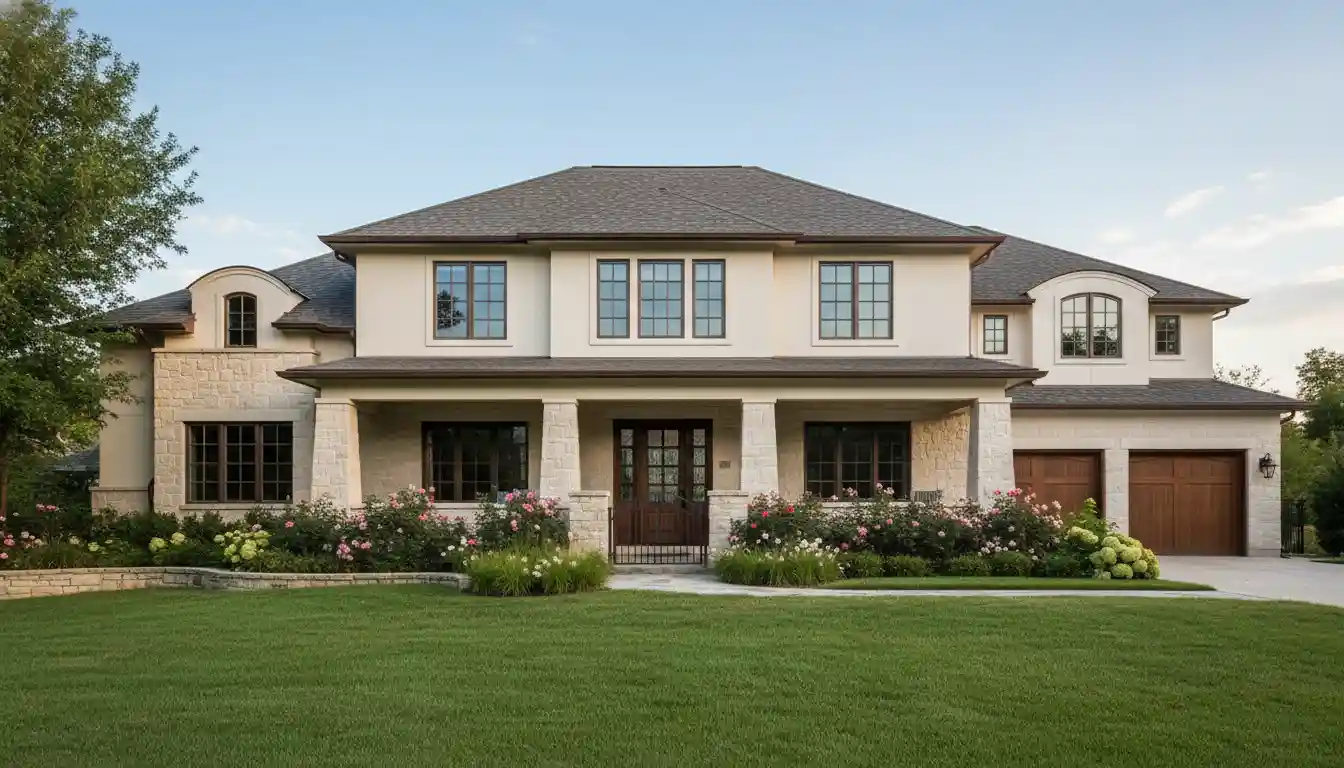
A home of this size can comfortably accommodate a variety of layouts. Typically, you can expect to find four to five bedrooms, three or more bathrooms, a spacious kitchen, a formal dining room, a large living or great room, and often a dedicated home office or bonus room. This provides ample space for a family of four or five to live without feeling crowded.
Visualizing the Space in Everyday Terms
Forget abstract numbers for a moment. Imagine a standard two-car garage, which is roughly 400 square feet. A 2800-square-foot home is equivalent to seven of those garages. It’s enough space for each family member to have their own private retreat while still offering generous common areas for gathering and entertaining.
The layout is the most critical factor in how large a home feels. An open-concept design can make 2800 square feet feel vast and airy, while a more traditional, partitioned floor plan provides defined, private spaces. The choice between these designs depends entirely on your personal preferences and lifestyle needs.
The “Big House” Debate: A Matter of Perspective
Whether 2800 square feet is considered “big” depends heavily on your frame of reference. Location, household size, and lifestyle all play a significant role in shaping this perception.
Geographic and Urban vs. Rural Divides
In a dense, high-cost urban center like New York City or San Francisco, a 2800-square-foot apartment would be considered palatial. However, in a sprawling suburban or rural area in the Midwest, it might be seen as a standard, comfortable family home. The cost of land and construction varies dramatically across regions, directly influencing the average home size.
For example, a family moving from a 1200-square-foot city condo would likely view a 2800-square-foot house as enormous. Conversely, someone accustomed to a 4000-square-foot home in a less populated area might see it as a modest size. It’s all relative to your environment and past experiences.
Household Size and Lifestyle Needs
The ideal square footage per person is often suggested to be between 600 and 700 square feet. By this measure, a 2800-square-foot house is perfectly sized for a family of four. It allows enough room for individual privacy and shared activities without leading to feelings of isolation that can sometimes occur in excessively large homes.
Your lifestyle is another crucial element. Do you work from home? Do you need a dedicated space for hobbies, a home gym, or a playroom for children? A 2800-square-foot home offers the flexibility to accommodate these needs without sacrificing essential living areas.
The Practical Pros and Cons of a 2800 Sq. Ft. Home
Living in a larger-than-average home comes with a distinct set of advantages and challenges. Understanding both sides is key to making an informed decision.
The Advantages: More Than Just Extra Room
The most obvious benefit is flexibility. A 2800-square-foot home provides room to grow and adapt. A room that serves as a nursery today can easily become a teenager’s bedroom or a home office in the future. This adaptability makes it a practical long-term investment.
Another significant pro is comfort and personal space. In a larger home, family members can coexist peacefully, with enough room for both communal activities and solitary pursuits. This can lead to a more harmonious living environment, especially as children grow older and desire more independence.
The Challenges: Bigger Isn’t Always Better
On the flip side, a larger home comes with higher costs. Utility bills for heating and cooling a 2800-square-foot space will be noticeably higher than for a smaller home. Property taxes and homeowners insurance are also directly tied to the value and size of your property.
Maintenance is another major consideration. More square footage means more to clean, more to repair, and more to furnish. This translates to a greater investment of both time and money. A persistent issue, even a minor one like when the top piece of vinyl siding keeps falling off, can become a more significant and costly problem on a larger house.
Maximizing Every Inch: Smart Design for 2800 Square Feet
The key to loving a 2800-square-foot home is intelligent design. How you use the space is far more important than the raw number. A well-thought-out layout can make the home feel both spacious and intimate.
The Power of an Open Floor Plan
Open-concept layouts that merge the kitchen, dining, and living areas create a sense of expansive, light-filled space. This design is ideal for families who enjoy entertaining and spending time together. However, it can also lead to challenges with noise control and a lack of privacy, which are important considerations.
Multi-Functional Spaces: The Modern Solution
One of the best ways to leverage the space in a 2800-square-foot home is by creating multi-functional rooms. A guest bedroom can double as a home office with the addition of a stylish Murphy bed or a fold-out desk. This ensures that every square foot of the home is utilized efficiently, preventing rooms from sitting empty for long periods.
Smart storage solutions are also essential. Built-in cabinetry, walk-in pantries, and well-organized closets can keep clutter at bay and maintain the home’s open, spacious feel.
The Unseen Factor: Ceiling Height and Natural Light
Vertical space plays a huge role in the perception of size. High ceilings can make any room feel grander and more open. Similarly, large windows that allow for abundant natural light create a bright, airy atmosphere that enhances the sense of space.
The right window treatments are crucial for managing this light. When weighing options, a detailed comparison like one between Blinds.com vs Selectblinds can help you find the perfect balance of style, privacy, and light control to complement your home’s design.
Comparing Home Size and Associated Costs
To provide a clearer picture of the financial commitment, it’s helpful to compare the estimated monthly costs associated with different home sizes. While these figures are approximate and vary by location, they illustrate the general trend.
| Feature | 1500 Sq. Ft. Home | 2800 Sq. Ft. Home | 4000 Sq. Ft. Home |
|---|---|---|---|
| Avg. Monthly Electricity | $100 – $150 | $180 – $270 | $250 – $400 |
| Avg. Monthly Gas/Heating | $70 – $120 | $130 – $220 | $200 – $350 |
| Estimated Annual Maintenance (1% of Value) | $3,000 (@ $300k value) | $5,000 (@ $500k value) | $7,500 (@ $750k value) |
| Avg. Property Taxes (Varies Greatly) | Lower | Moderate | Higher |
Beyond the Blueprint: Factors You Haven’t Considered
The decision about home size goes beyond mere practicality; it also has a profound psychological impact. The space you inhabit can influence your mood, your stress levels, and even your family dynamics.
The Psychological Impact of Space
While too little space can lead to feelings of being cramped and stressed, too much space can have its own downsides. In an overly large home, family members might retreat to their separate corners, leading to a sense of disconnection. A 2800-square-foot home often strikes a healthy balance, offering personal space without sacrificing family togetherness.
The goal is to find a “right-sized” home that aligns with your lifestyle, not just to acquire the largest house you can afford. The mental and emotional comfort of living in a space that feels just right is invaluable.
Future-Proofing Your Home
A 2800-square-foot home is well-suited for future-proofing. It can adapt to various life stages, from raising young children to accommodating aging parents or evolving into a space for hobbies and remote work after the kids have moved out. Designing for flexibility from the start ensures your home can evolve with you.
This might involve planning for multi-purpose rooms or considering accessibility features. Even simple logistical planning, like knowing in advance who to call to move a washer and dryer during a renovation, contributes to a home that can adapt to changing needs with minimal disruption.
Is 2800 Square Feet the Right Size for *You*? A Final Checklist
To make the final determination, reflect on your personal needs and priorities. Ask yourself the following questions:
- What is my realistic budget for monthly utilities, taxes, and insurance?
- How much time am I willing to dedicate to cleaning and maintenance each week?
- What are my family’s needs over the next 5, 10, and 15 years?
- Does my lifestyle require specialized spaces like a home office, gym, or workshop?
- Do I prefer an open, social living environment or more defined, private rooms?
Conclusion: The Verdict on 2800 Square Feet
Ultimately, a 2800-square-foot house strikes a perfect balance for many, sitting comfortably between “manageable” and “massive.” It is large enough to offer the luxury of specialized rooms—like a dedicated home office or a guest suite—without the overwhelming maintenance and high utility costs typically associated with true mansions. For a growing family, it provides the essential “elbow room” needed for harmony.
Whether this size feels “big” depends entirely on your lifestyle and how the footprint is utilized. A well-designed open concept can make 2800 square feet feel palatial, while a poorly partitioned layout might feel surprisingly snug. The key is to look beyond the raw numbers and ensure the flow of the home matches your daily routines and long-term goals.
In the grand scheme of modern real estate, 2800 square feet is a generous and versatile space that offers a high quality of life. It provides a sanctuary that can evolve with you, offering plenty of room for making memories today while remaining a practical and marketable asset for the future. It isn’t just a big house; for many, it is the “just right” house.