
Invisacook Reviews: The Ultimate Guide to Invisible Cooktops
The modern kitchen is a battleground between form and function. Homeowners crave sleek, uninterrupted lines and multi-purpose spaces, yet the necessity of bulky appliances often disrupts this minimalist vision. A traditional cooktop, whether gas or electric, carves out a significant portion of valuable counter space, creating visual clutter and limiting how the surface can be used.
This fundamental design conflict has left many searching for a solution that doesn’t compromise on culinary power or clean aesthetics. The desire for a kitchen that is as beautiful as it is functional is the core problem that has spurred one of the most significant innovations in home cooking technology: the invisible cooktop.
You'll Learn About
Unveiling the Magic: What Exactly is Invisacook?
Invisacook is a revolutionary induction cooking system installed directly beneath your countertop. Using advanced magnetic field technology, it heats your cookware through the surface without heating the countertop itself. When not in use, the cooking surface vanishes, leaving a seamless, fully usable countertop for prep, dining, or entertaining.
The system is operated via a discreet touch control panel or even a smartphone app, maintaining the kitchen’s clean aesthetic. This technology represents a paradigm shift, moving from visible, space-consuming appliances to integrated, hidden solutions that prioritize design freedom and functionality equally.
The Unseen Advantage: Pros of an Invisible Cooktop
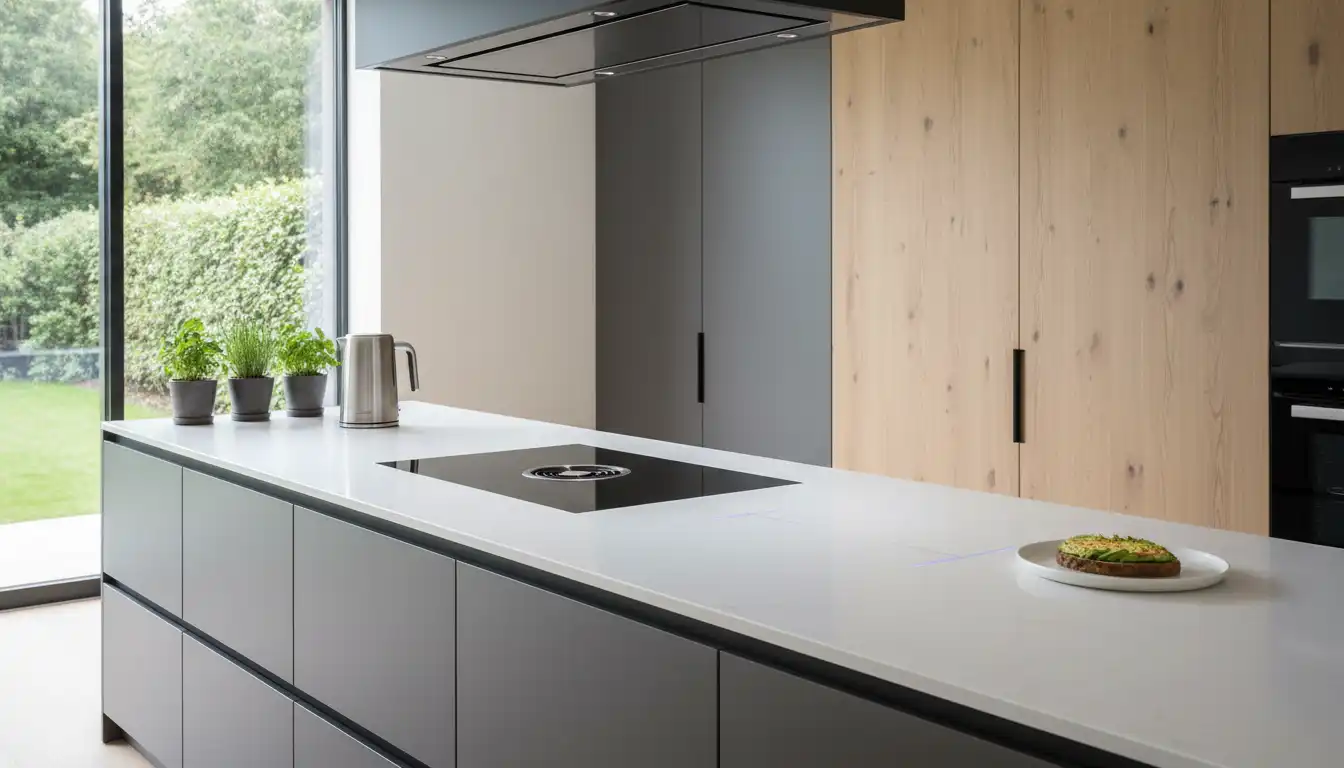
The most celebrated benefit of Invisacook is its profound impact on kitchen design. It allows for a completely uninterrupted countertop, which is a game-changer for minimalist and modern aesthetics. Kitchen islands can now truly be multi-functional hubs without the visual break of a black glass cooktop.
This seamless integration supports the kind of clean architectural lines seen in high-end design, similar to the sleek profile of a roof overhang without posts. The result is a more open, spacious, and versatile kitchen environment.
Effortless Upkeep and Superior Safety
Cleaning a traditional stove can be a chore, with grates, knobs, and seams that trap grease and spills. The Invisacook system eliminates this problem entirely. Since the cooktop is the countertop, cleanup is as simple as wiping down a flat surface. Spills don’t burn onto heating elements, making the process quick and effortless.
Safety is another paramount advantage. Induction technology only heats magnetic cookware, so the surrounding countertop remains cool to the touch, dramatically reducing the risk of burns. Features like automatic pan detection, which shuts off the unit when a pot is removed, and child locks provide additional peace of mind for families.
Performance That Rivals the Pros
Beyond its stunning looks, Invisacook delivers the high-performance cooking that induction is known for. It offers incredibly fast heating, boiling water in a fraction of the time of gas or electric counterparts. This efficiency translates to lower energy consumption and reduced utility bills over time.
Furthermore, the precise temperature control offered by induction allows for a level of culinary finesse that is difficult to achieve with other cooking methods. From a gentle simmer to a powerful sear, the control is instantaneous and accurate, empowering home chefs to achieve professional results.
The Reality Check: Cons and Critical Considerations
While the benefits are compelling, potential buyers must weigh them against some significant considerations. The most prominent factor is the cost. Invisacook is a premium product, with the unit itself costing thousands of dollars, and that doesn’t include the specialized countertop and professional installation required.
The total investment can be substantially higher than that of a high-end traditional induction cooktop. This positions Invisacook as a luxury appliance, best suited for those undertaking a complete kitchen remodel or new build where the budget can accommodate this advanced technology.
The Countertop Conundrum: Material Compatibility is Key
This is arguably the most critical technical limitation of the Invisacook system. It cannot be installed under just any countertop. The material must be non-porous, highly heat-resistant, and of a specific thickness to allow the magnetic field to work effectively. This narrows the choices significantly.
Ultra-compact surfaces and porcelain are the most recommended materials. Certain types of granite and quartzite may also be compatible on a case-by-case basis, but popular choices like marble and most man-made quartz are not suitable due to the risk of discoloration or damage. This makes countertop selection a crucial and early part of the planning process. A beautiful kitchen palette, such as pairing countertops in colors like White Dove with Chantilly Lace trim, can be achieved, but the material must be compatible.
| Countertop Material | Invisacook Compatibility | Key Considerations |
|---|---|---|
| Porcelain / Sintered Stone | Excellent | Highly recommended for durability, heat resistance, and ideal thickness (12mm). Brands like Neolith and Dekton are often cited. |
| Granite | Case-by-Case | Can work, but the area must be milled to the correct thickness. Performance can be less consistent than with porcelain. |
| Quartzite | Conditional | Some heat-resistant quartzites may be compatible, but it’s not a recommended material due to the natural variations in the stone. |
| Man-Made Quartz | Not Compatible | The resins used in quartz countertops can discolor or be damaged by the heat transferred from the cookware. |
| Marble | Not Compatible | Marble is too soft and porous, making it susceptible to staining and thermal shock from the focused heat. |
Installation and Maintenance Hurdles
Installing an Invisacook is not a DIY project. It requires a certified fabricator who has experience with milling the underside of the countertop to the precise specifications needed to house the induction unit. This specialized process adds to the overall cost and complexity of the renovation.
A significant long-term concern is maintenance. If the induction unit malfunctions, accessing it for repair or replacement requires the removal of the entire countertop. This is a disruptive and potentially costly process that stands in stark contrast to simply sliding out a conventional cooktop.
Living with an Invisible Cooktop: Real User Experiences
Feedback from homeowners who have installed Invisacook is generally positive, with most praising the aesthetic transformation of their kitchens. Users frequently highlight the “wow” factor when guests see them cooking directly on the countertop and the daily convenience of the extra space and easy cleaning.
However, some common challenges emerge from user reviews. A frequent point of discussion is the learning curve associated with not having visible burners. Placing cookware correctly over the induction elements can take practice. While some systems offer faint markings or app guides, many users rely on memory or small, removable locator stickers, which slightly detracts from the seamless look.
Minor Annoyances and Technical Quirks
Some users have reported issues with the cooktop’s sensitivity, such as burners shutting off unexpectedly or difficulty detecting smaller pans. The mandatory use of a silicone “Invisamat” between the pot and the countertop is another point of contention for some, as it’s an extra step and another item to store, though crucial for protecting the surface.
It’s also essential to remember that, like all induction cooktops, Invisacook requires ferromagnetic cookware. Your existing aluminum, copper, or glass pots and pans won’t work, potentially adding the cost of a new cookware set to the overall investment.
A New Philosophy in Home Design
The Invisacook is more than just an appliance; it represents a forward-thinking approach to home technology. It’s part of a larger trend of integrating smart, space-saving solutions throughout the home, much like how a toe kick heater in a bathroom vanity provides warmth without occupying valuable wall space. This philosophy prioritizes creating environments that are adaptable, efficient, and aesthetically serene.
This technology also opens up possibilities beyond the primary kitchen. Imagine a hidden warming station integrated into a dining room buffet or a small, invisible cooktop on a wet bar for preparing appetizers. The potential to embed functionality seamlessly into furniture and surfaces could redefine how we interact with our living spaces.
The Final Verdict: Is Invisacook Worth the Investment?
Deciding on an Invisacook cooktop is a choice that hinges on priorities. There is no question that it is a visually stunning piece of technology that solves a real design problem, offering unparalleled sleekness, multi-functionality, and a futuristic appeal. For the design-forward homeowner building a dream kitchen with a substantial budget, it can be the perfect centerpiece.
However, the high cost, strict countertop requirements, complex installation, and potential maintenance challenges make it a less practical choice for many. If your primary concerns are cooking performance and budget, a high-quality traditional induction cooktop can offer the same power and efficiency for a fraction of the price. Ultimately, Invisacook is an investment in aesthetics and innovation. It is for those who value a completely seamless kitchen and are willing to embrace the costs and considerations that come with living on the cutting edge of home design.
