
Interior Designers for Small Projects: Your Ultimate Guide
Ever felt your small project wasn’t “big enough” for a professional interior designer? You’re not alone. Many homeowners with a single room to decorate or a small space to furnish hesitate to seek expert help, fearing high costs and minimum project sizes.
This common misconception creates a frustrating gap. You have a design challenge, and professionals with the exact skills to solve it exist, yet connecting seems impossible. The result is often analysis paralysis, costly mistakes, and a space that never quite feels right.
You'll Learn About
Why Small Projects Deserve a Designer’s Touch
Thinking a designer is an unnecessary luxury for a small project is a major oversight. In reality, professional expertise is often more impactful in a compact space where every single decision—from furniture scale to paint color—carries immense weight. A designer provides far more than just a decorative eye.
They bring technical knowledge in space planning to maximize functionality, a trained perspective on color theory to make a room feel larger, and access to resources you can’t find on your own. Hiring a designer is an investment in avoiding expensive errors, like buying a sofa that overwhelms the room or choosing a lighting fixture that casts awkward shadows. It saves you time, stress, and ultimately, money.
The Shift in the Design Industry: Help is More Accessible Than Ever
The good news is the interior design world has evolved. A new wave of design services has emerged specifically to cater to smaller-scale needs and budgets. The old model of full-service, whole-home renovations is no longer the only option. Flexible, affordable, and targeted design help is now readily available.
From hourly consultations to virtual design packages, you can now access professional guidance for nearly any task. Whether you need help choosing the perfect grout for your tile or want a complete plan for your living room, there’s a service model that fits.
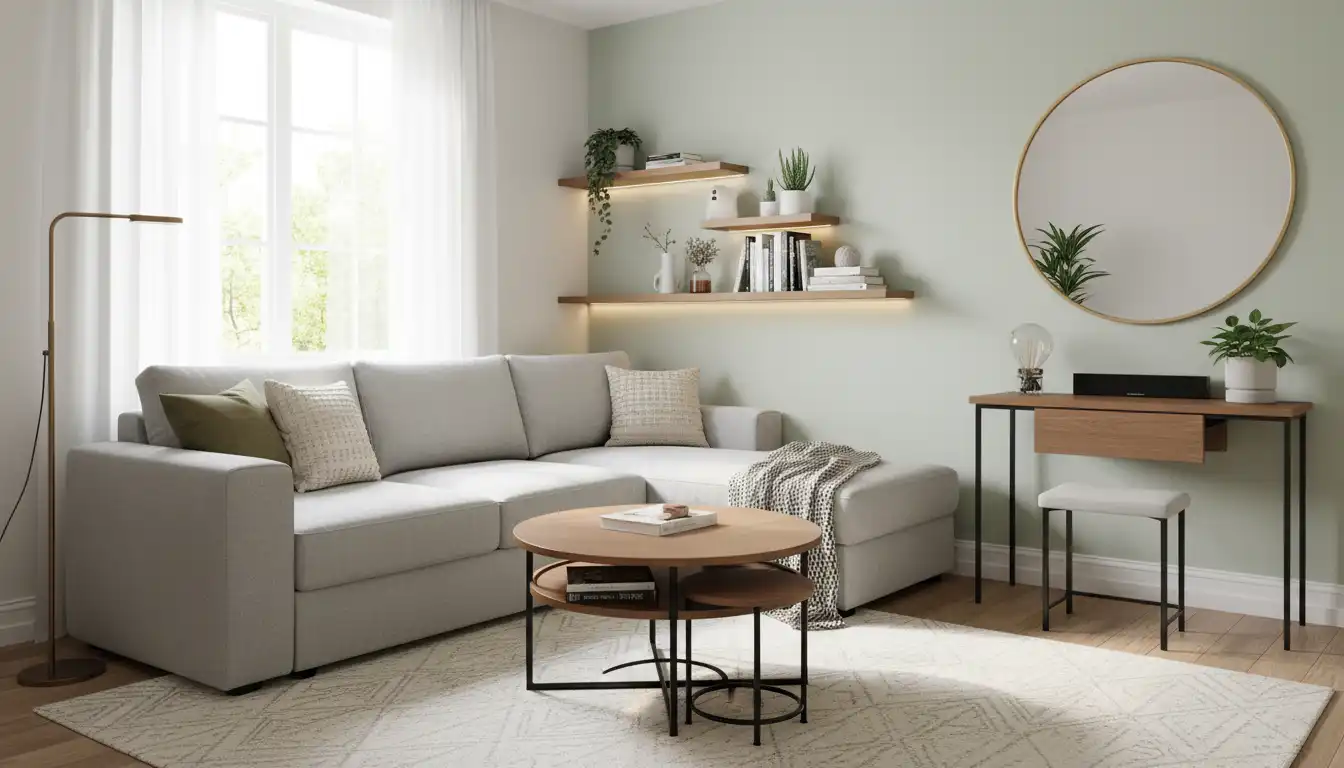
Decoding the New Menu of Design Services
Understanding the different ways you can hire a designer is the first step. Forget the one-size-fits-all approach; modern interior design is about customized solutions. Here are the most common service types perfect for small projects.
1. The Hourly Design Consultation
This is the most flexible and accessible entry point for professional design advice. You hire a designer for a set number of hours to help you tackle specific challenges. This is ideal for DIYers who need expert direction to move forward with confidence.
During a consultation, you can get advice on paint colors, furniture layout, window treatments, art placement, or even review renovation plans. It’s a focused, high-impact way to get professional eyes on your project without committing to a full-service package.
2. E-Design: Virtual Interior Design
E-design, or virtual design, has revolutionized the industry. The entire process is conducted online, making it an incredibly affordable and convenient option. E-design is perfect for clients who are comfortable managing the implementation themselves but want a professional, cohesive plan to follow.
Typically, the process involves you providing photos and measurements of your space. The designer then delivers a complete package, including a mood board, a to-scale floor plan, 3D renderings, and a clickable shopping list for you to purchase items on your own timeline.
3. Single-Room Packages
Many designers now offer flat-fee packages for designing a single room from start to finish. This provides cost certainty, which is a major advantage for anyone working with a strict budget. The scope is clearly defined upfront, so you know exactly what you’re getting.
These packages often blend elements of e-design with more traditional services, sometimes including in-person meetings. It’s a comprehensive solution that takes you from concept to a fully designed space, whether it’s a bedroom, home office, or living area. Exploring unique design ideas, such as finding creative solutions for outlets on a waterfall island, can be part of this focused process.
How to Find and Hire the Right Designer for Your Small Project
Once you know what type of service you need, the next step is finding the right professional. The key is to look for designers who specifically advertise or specialize in these flexible service models.
Where to Look for Designers
Start your search on platforms known for connecting homeowners with design professionals. Websites like Houzz and even social media platforms like Instagram are excellent resources. Searching for terms like “e-designer,” “interior design consultation,” or “one-room designer” will yield targeted results.
Don’t overlook recent graduates from local design schools. They are often eager to build their portfolios and may offer more competitive rates for smaller projects. For those seeking unique travel and design inspiration, exploring options like Houzz rentals can also provide fresh ideas and connect you with design-forward properties and their creators.
Vetting Your Potential Designer
Before making a decision, do your homework. A strong portfolio is essential—look for examples of projects similar in scale and style to your own. Read client reviews and testimonials to get a sense of their process and communication style.
Prepare a list of questions for your initial conversation. Ask about their experience with small projects, their fee structure, and what their process looks like. A clear and transparent designer will be happy to walk you through every step.
| Service Type | Best For | Typical Cost Structure | Estimated Price Range |
|---|---|---|---|
| Hourly Consultation | Specific questions, DIY validation, color selection, layout advice | Per hour | $100 – $500 per hour |
| E-Design Package | A full room plan for DIY implementation, tech-savvy clients | Flat-fee per room | $500 – $2,500 per room |
| Single-Room Full Service | Clients wanting a professional plan and product sourcing | Flat-fee or Percentage of Budget | $2,000 – $10,000+ per room (design fee) |
Preparing Your Project to Attract the Best Talent
To make your small project appealing to a top-tier designer, preparation is key. Designers are business owners who value efficiency and clarity. Presenting your project professionally shows you respect their time and are serious about a great outcome.
First, clearly define the scope of your project. What do you need help with? Is it just a furniture layout, or do you need a full color scheme and material selection? The more specific you are, the better a designer can assess if they are a good fit.
Budget, Vision, and Inspiration
Have a realistic budget in mind. This includes not only the designer’s fee but also the funds for furniture, decor, and any labor. Being upfront about your budget from the start is crucial for a successful partnership.
Gather inspiration images to create a visual brief. A Pinterest board or a collection of images helps communicate your aesthetic goals far more effectively than words alone. This gives the designer a clear starting point and ensures you are both aligned on the vision for the space, including fine details like choosing the right grout color for white subway tile to complete the look.
Frequently Asked Questions
What is considered a “small” interior design project?
A small interior design project can range from a single room makeover to providing specific advice on elements like paint colors or furniture layout. Many designers offer services tailored to smaller jobs, so you can find help that fits your specific needs and budget. Some firms may have a minimum project size or hourly requirement, so it’s always best to inquire about their specific policies.
How much does it cost to hire an interior designer for a small project?
The cost of hiring an interior designer for a small project can vary greatly depending on the scope of work and the designer’s experience. Many designers charge an hourly rate, which can range from $50 to over $500 per hour. For a single room, you might expect to pay a flat fee between $1,000 and $10,000, not including furniture.
What are the benefits of hiring an interior designer for a small space?
Hiring an interior designer for a small space can help you maximize functionality and style. They are experts in space planning and can create layouts that make a small area feel more open and functional. Designers also have access to a wide range of resources and can help you avoid costly mistakes, ultimately saving you time and money.
How can I find an interior designer who takes on small projects?
A good starting point is to search online for interior designers in your area and look at their portfolios and client reviews. Many online platforms connect homeowners with freelance designers for projects of all sizes. Don’t hesitate to reach out to designers whose work you admire and inquire if they offer consultations or services for smaller-scale projects.
What can I expect during a consultation for a small design project?
During an initial consultation, you can expect the designer to ask about your style, budget, and how you use the space. They will likely want to see the room and may take measurements. This meeting is a good opportunity to see if the designer’s style and personality are a good fit for you and to ask about their design process and fees.
Making the Final Decision
Choosing an interior designer is a personal decision. Beyond the portfolio and fees, it’s about connection and communication. Select a professional whose work resonates with you and who you feel comfortable collaborating with.
By leveraging the new, flexible models of design services, you can get the exact level of expert help you need. Your small project is worthy of great design, and with the right approach, a professionally curated space is well within your reach.
