Stop! Installing a Vessel Sink Over an Existing Hole? Read This First
You have a dated, uninspired bathroom with a standard drop-in or undermount sink. You crave the modern, spa-like elegance of a vessel sink, but the thought of replacing your entire countertop is overwhelming and expensive. This leads to the big question: can you install a vessel sink over the existing sink hole? The short answer is yes, but it’s a project filled with potential pitfalls that can turn a dream upgrade into a costly nightmare.
The core problem isn’t just about covering a hole; it’s about structural integrity, plumbing alignment, and aesthetics. A standard drop-in sink cutout is significantly larger than the small drain hole required for a vessel sink. This mismatch creates a series of challenges that, if ignored, can lead to a wobbly sink, water damage, and a finished look that screams “DIY gone wrong.” This guide provides the expert solutions you need to navigate this popular but tricky home improvement project successfully.
You'll Learn About
The Hidden Dangers of a Simple Swap: Why It’s Not Just Covering a Hole
Placing a heavy ceramic or stone bowl over a gaping hole in your countertop without proper preparation is a recipe for disaster. The existing cutout for a drop-in sink leaves very little surface area for the new vessel sink to rest on, creating an unstable and hazardous setup. The weight of the sink, combined with the pressure of use, can lead to cracks in the countertop or even cause the sink to shift or fall.
Furthermore, you have to consider the leftover faucet holes. Most old setups use a three-hole faucet, while vessel sinks typically use a single, tall faucet mounted directly on the counter. This leaves you with two or more unsightly holes to deal with. Simply covering them up without a proper strategy can lead to water seepage and an unprofessional finish. Addressing these foundational issues is the first and most critical step.
Countertop Integrity: The Unseen Foundation of Your Project
The material and condition of your existing countertop are paramount. Laminate countertops, for example, have a particleboard substrate that is highly susceptible to water damage. If the edges of the large cutout are not perfectly sealed, any moisture will cause the wood to swell and warp, compromising the entire installation. Stone countertops like granite or quartz offer more stability, but the narrow lip around the cutout is a significant weak point that can crack under the focused weight of a vessel sink. Heavy stone or concrete vessel sinks require even more support.
Before proceeding, thoroughly inspect your countertop for any signs of damage, especially around the sink area. A countertop that is not perfectly level will also cause major headaches, preventing the vessel sink from sitting flat and creating drainage issues. Ensuring your base is solid is a non-negotiable part of the process.
The Comprehensive Solution: A Step-by-Step Guide to a Flawless Installation
Successfully installing a vessel sink over an existing hole requires a methodical approach that prioritizes stability, waterproofing, and aesthetics. This isn’t just about placing the sink; it’s about retrofitting your current setup to safely accommodate a completely different style of fixture. Follow these detailed steps to ensure a secure and beautiful result.
Step 1: Measurement and Sink Selection are Crucial
Your first task is to measure the existing cutout in your countertop precisely from edge to edge. Then, measure the diameter of the base of the vessel sinks you are considering. The base of your new vessel sink MUST be larger than the existing hole. This is the golden rule. A sink with a base that is too small will not have enough surface area to rest on and will be impossible to install safely without replacing the countertop.
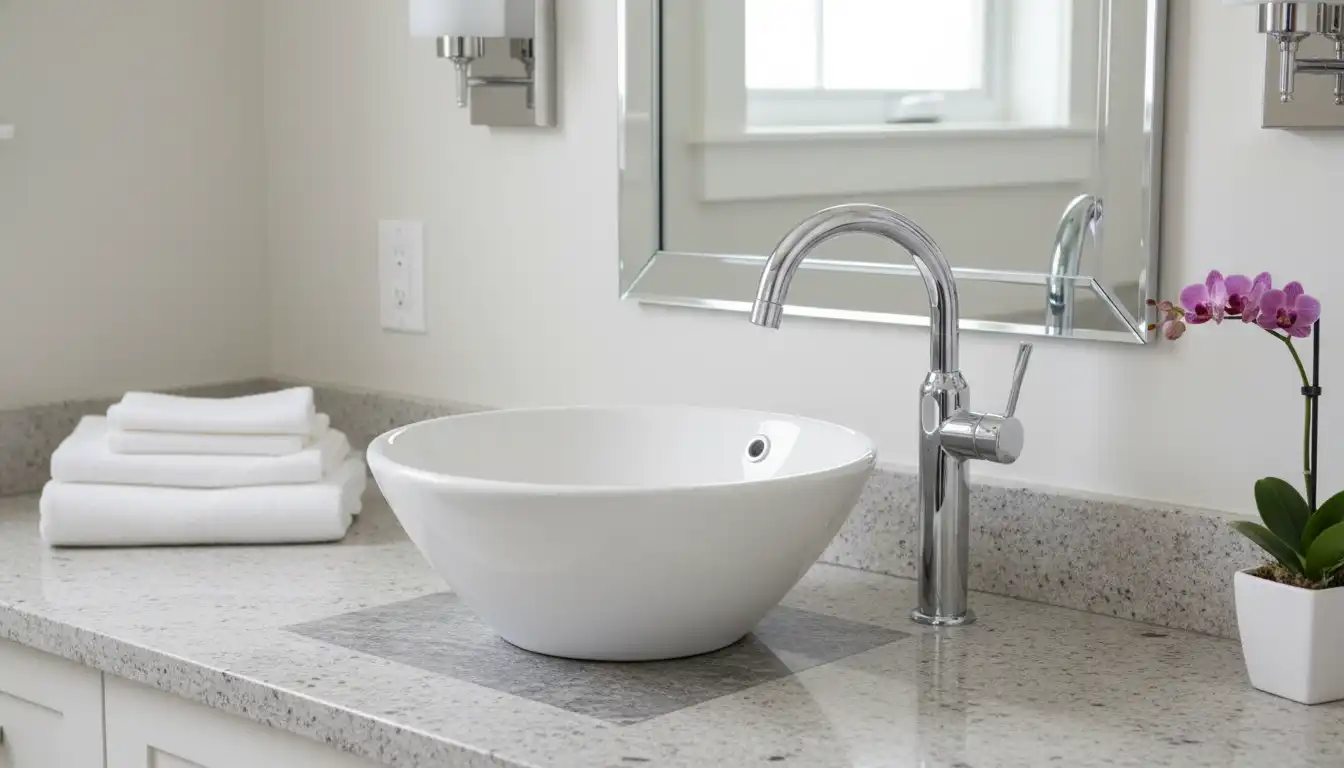
Choose a sink style that complements this requirement. Rectangular vessel sinks or those with a wide, flat bottom are often ideal candidates as they provide maximum coverage and stability over a large hole. Take your measurements with you when you shop to avoid a frustrating and costly mistake. Don’t forget to think about vanity size; knowing what size sink for 18 inch vanity setups is crucial for maintaining proper proportions and functionality in smaller spaces.
Step 2: Preparing the Countertop Surface
Once you have your sink, the next step is to prepare the countertop. Begin by thoroughly cleaning the area around the old sink cutout to remove any soap scum, grime, or old sealant. Use a utility knife and a scraper to carefully remove all traces of the old silicone caulk. A clean, smooth surface is essential for achieving a watertight seal with the new sink.
After cleaning, inspect the edges of the cutout. For laminate or wood countertops, it is absolutely critical to seal the exposed particleboard or wood. Apply a high-quality waterproof sealant or a thin layer of epoxy to the raw edge inside the cutout. This creates a moisture barrier that prevents swelling and damage over time.
Step 3: Creating a Stable and Secure Mounting Platform
This is where many DIY attempts fail. You cannot simply rest the sink on the narrow edges of the old cutout. You need to build a secure platform. One of the most effective methods is to use a mounting ring, which is specifically designed to provide a stable base for vessel sinks. However, a standard mounting ring may not be wide enough to bridge the large gap.
A better, more robust solution involves creating custom support. You can do this by installing wooden support braces underneath the countertop. Screw 2×4 blocks to the inside walls of the vanity cabinet so they run parallel to the edges of the cutout. Then, attach cross braces that span the opening, positioned just below the countertop surface. This framework provides the reinforcement needed to support the weight of the sink and prevent any stress on the countertop material itself.
Step 4: Positioning and Securing the Vessel Sink
With your support structure in place, it’s time to place the sink. Dry-fit the sink first to ensure it sits perfectly level and is centered as desired. Once you are satisfied with the positioning, remove the sink and apply a generous bead of 100% silicone adhesive to the bottom rim of the sink’s base. The silicone acts as both an adhesive and a waterproof sealant.
Carefully lower the sink into position, pressing down firmly to ensure a solid bond with the countertop. Be precise, as adjusting the sink after the silicone makes contact can be messy and may compromise the seal. Wipe away any excess silicone that squeezes out immediately with a damp cloth or a specialized silicone removal tool for a clean, professional finish.
Step 5: Addressing Unused Faucet Holes
With the sink in place, you now need to address the old faucet holes. You have a few excellent options. The simplest solution is to use dedicated sink hole covers. These are available in various finishes (chrome, brushed nickel, matte black) to match your new faucet. They install easily by screwing on from underneath the counter, providing a clean, watertight seal.
Another option is to purchase a faucet with a wide base plate, known as an escutcheon plate. These are designed to cover the outer two holes of a standard 4-inch centerset faucet installation, allowing you to install a single-hole faucet in a three-hole counter. Always check the specifications of the faucet to ensure the plate is large enough to cover your existing holes completely.
Plumbing and Faucet Installation: The Final Frontier
Installing the faucet and drain for a vessel sink presents unique challenges compared to a traditional setup. The increased height of the sink basin requires careful planning to ensure everything aligns correctly and functions without leaks. This phase demands precision and an understanding of how the new components will interact with your existing plumbing.
Choosing the Right Faucet and Drain
Vessel sinks require a specific type of faucet. You’ll need a tall, vessel-style faucet that is high enough for the spout to comfortably clear the rim of the sink. Alternatively, you can opt for a wall-mounted faucet, though this is a more complex installation that requires opening the wall. Ensure the spout reach is adequate, so the water flows into the center of the basin, not onto the back edge.
The drain is equally important. Vessel sinks typically do not have an overflow. Therefore, you must use a drain assembly designed for sinks without an overflow. Using the wrong type of drain will result in improper sealing and inevitable leaks. Pay close attention to this detail when purchasing your materials.
| Component | Key Consideration | Pro Tip |
|---|---|---|
| Vessel Sink | Base diameter must be larger than the existing countertop hole. | Choose a rectangular or wide-bottomed sink for maximum coverage and stability. |
| Faucet | Must be a tall “vessel” style faucet to clear the sink rim. | Measure spout height and reach to ensure water flows into the center of the drain. |
| Drain Assembly | Must be compatible with sinks that do not have an overflow. | Ensure the drain finish matches your new faucet for a cohesive look. |
| Sealant | Use 100% silicone adhesive for a waterproof and strong bond. | Apply a continuous bead and clean up excess immediately for a professional seam. |
| Hole Covers | Select finishes that match your faucet and other hardware. | Consider a faucet with an included escutcheon plate to cover multiple holes at once. |
Connecting the Plumbing
The new, higher position of the sink drain often means your existing P-trap and drain pipe in the wall will no longer align. Do not try to force the connection with flexible, accordion-style pipes, as these are notorious for trapping debris and causing clogs. The correct approach is to reconfigure the PVC pipes.
You may need to cut the existing drainpipe and use couplings and additional lengths of pipe to extend it upwards or adjust its position to meet the new drain tailpiece. Always dry-fit all your plumbing components first to ensure a perfect alignment before applying any PVC primer and cement. Finally, connect your new faucet to the hot and cold water supply lines. If the existing lines are too short, you can easily purchase longer, flexible steel-braided supply lines. After everything is connected, turn the water on slowly and meticulously check every connection point for leaks.
This project, while complex, offers a transformative result. By carefully addressing the unique challenges of placing a modern fixture into an existing footprint, you can achieve a high-end look without the expense of a full countertop replacement. From ensuring structural support to mastering the plumbing, every step is crucial for a durable and beautiful bathroom upgrade. While you’re in a DIY mindset, consider other home maintenance tasks, like lubricating pop-up sprinkler heads, which can also save you from costly future repairs. And if you find yourself facing larger logistical challenges, such as figuring out how you cant get furniture up the stairs in your home, remember that careful planning and creative solutions are key to any successful project.