
Inground Pool Steps Replacement Cost: Your Ultimate Guide
Cracked, flexing, or discolored inground pool steps are more than just an eyesore. They represent a significant safety hazard and a clear sign that a critical component of your pool is failing.
Many homeowners delay this essential project, fearing a complicated and expensive process. This guide cuts through the confusion, providing a transparent breakdown of the inground pool steps replacement cost to help you budget effectively and make a confident investment in your home’s safety and value.
You'll Learn About
Telltale Signs Your Inground Pool Steps Are Failing
Recognizing the early warning signs of step failure can save you from more extensive and costly repairs down the line. It’s crucial to distinguish between minor cosmetic issues and indicators of structural decay.
Pay close attention to these red flags during your regular pool maintenance. Addressing them promptly is key to ensuring safety and preventing further damage.
Visible Cracks and Fractures
Hairline or spider cracks might just be in the surface gel coat, but larger, deeper fractures signal a structural problem. These cracks can allow water to seep behind the steps, leading to more significant issues.
This water intrusion can erode the backfill material supporting the steps, causing them to become unstable. Over time, this can lead to serious leaks that affect the entire pool structure.
Flexing or Spongy Feeling
Your pool steps should feel completely solid underfoot. If you notice any give, flexing, or a spongy sensation when you walk on them, it’s a critical sign that the underlying support has been compromised.
This often happens when the backfill material, like sand or gravel, washes away or compacts over time. This lack of support puts immense stress on the step structure itself, eventually leading to cracks and total failure.
Severe Discoloration and Stains
While some fading from UV rays and chemicals is normal, deep, stubborn stains or significant discoloration can indicate that the material itself is breaking down. The protective outer layer may have worn away, making the steps porous.
Porous steps become a breeding ground for algae and bacteria, making them difficult to clean and potentially hazardous. This material degradation is a clear sign that the steps are nearing the end of their functional life.
Leaks Around the Step Seams
One of the most urgent signs of failure is detecting water loss from the pool, specifically around the area where the steps meet the pool wall. The gaskets and seals in this area can degrade over time.
A persistent leak not only wastes water and chemicals but can cause catastrophic damage to the pool’s foundation and the surrounding deck. Much like how leaking front steps can damage a home’s foundation, a leaking pool step can undermine the entire pool structure, a problem you can learn more about in our guide on what to do when front steps are leaking into the basement.
Unpacking the Costs: What Really Drives the Price?
The total cost of replacing your inground pool steps is influenced by a combination of material choices, labor complexities, and several often-overlooked expenses. Understanding these factors is key to creating a realistic budget.
Each element plays a crucial role in the final price tag, from the type of steps you select to the condition of the area surrounding your pool.
Step Material: The Foundation of Your Budget
The material you choose for your new steps is the single largest determinant of the project’s cost. Each option offers a different balance of durability, aesthetics, and price.
Consider the long-term maintenance and lifespan of each material, not just the initial purchase price, to make the most cost-effective decision for your pool.
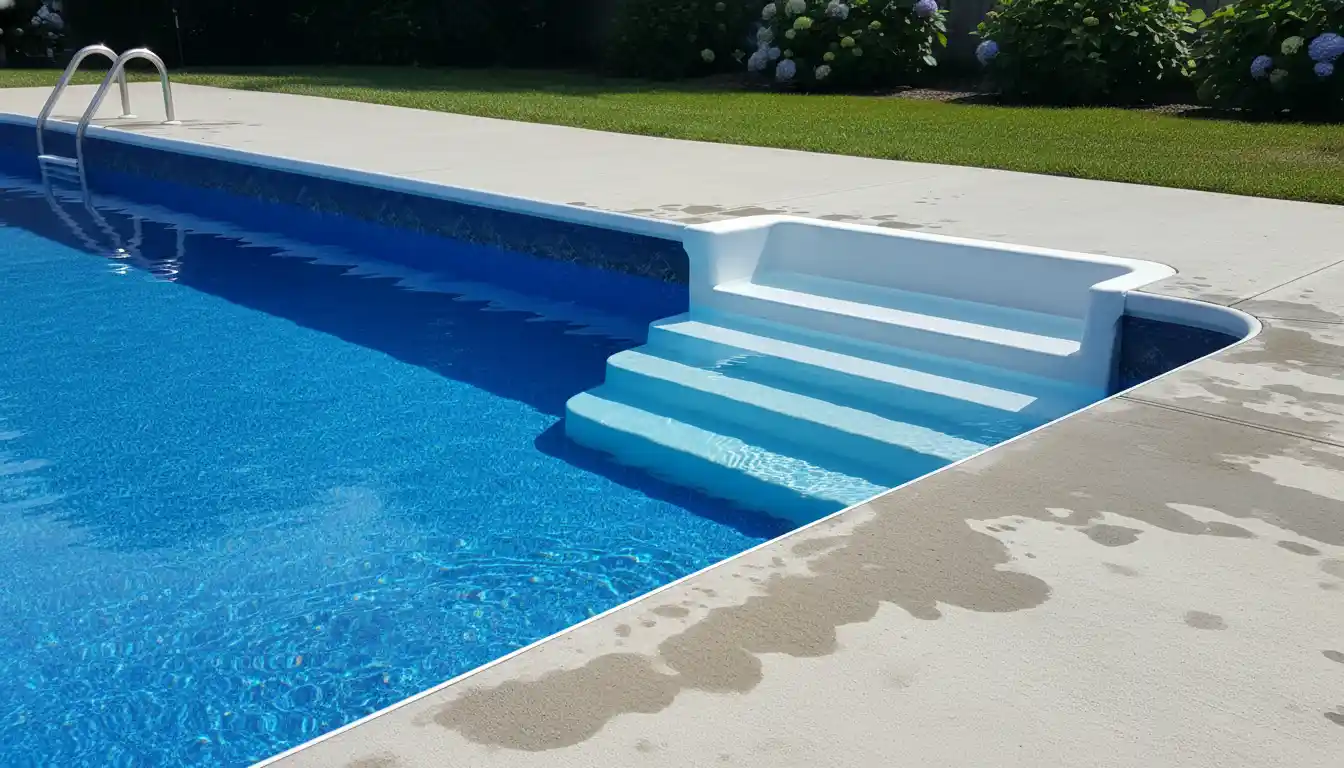
Thermoplastic (Acrylic): These are often the most budget-friendly option. They provide a smooth, non-porous surface that is comfortable on the feet and easy to clean, but they can become brittle with age and UV exposure.
Fiberglass: Offering a step up in durability, fiberglass steps have a tough gel coat finish that resists algae and staining. They are a mid-range option known for their longevity and strength.
Vinyl-Over-Steel: These steps create a seamless, integrated look in vinyl liner pools because the liner itself covers the steel step structure. The primary drawback is that if the steps need replacing, the pool liner must almost always be replaced as well, significantly increasing the project scope and cost.
Concrete (Gunite): The most expensive and durable option, concrete steps are built as part of the pool shell. Replacing them is a major renovation, often performed alongside a complete pool resurfacing. The finish can be customized, much like the surfaces discussed in our River Rok pool finish reviews, for a high-end, cohesive look.
Labor Costs: The Expert Difference
Labor is a significant portion of the replacement cost, typically accounting for 25% to 50% of the total project. This isn’t just for dropping a new set of steps into place.
Professional labor includes the careful demolition and removal of the old steps, site preparation, precise installation and sealing of the new unit, plumbing adjustments, and proper backfilling to ensure stability.
The “Hidden” Costs Few Homeowners Consider
Beyond the steps and the direct labor, several other expenses can impact your final bill. Planning for these from the start will prevent budget overruns.
Pool Draining & Refilling: The pool will likely need to be at least partially drained. This means you’ll incur costs for the water to refill it and the chemicals needed to rebalance the water chemistry.
Liner Replacement: As mentioned, with vinyl-over-steel steps, a liner replacement is almost unavoidable. This can add thousands of dollars to the project.
Deck and Coping Repair: The process of removing the old steps can sometimes damage the surrounding concrete deck or pool coping. Budget for potential repairs to this area.
Permits and Debris Removal: Your municipality may require a permit for this type of work. Additionally, the old steps and any excavated material must be properly disposed of, which comes with a fee.
Cost Breakdown: A Realistic Budgeting Table
To provide a clearer picture of potential expenses, the following table outlines the average costs associated with replacing inground pool steps. Prices can vary based on your location, the complexity of the job, and the specific contractor.
Use this table as a starting point for your budget, but always be sure to get detailed quotes from multiple qualified professionals in your area.
| Step Type | Material Cost (Avg.) | Labor & Installation Cost (Avg.) | Total Estimated Cost |
|---|---|---|---|
| Thermoplastic/Acrylic | $1,000 – $2,500 | $1,500 – $3,000 | $2,500 – $5,500 |
| Fiberglass | $2,000 – $4,000 | $2,000 – $4,000 | $4,000 – $8,000 |
| Vinyl-Over-Steel | $1,500 – $3,500 | $2,500 – $5,000+ (plus new liner) | $4,000 – $8,500+ |
| Concrete/Gunite | $4,000 – $7,000+ | $5,000 – $10,000+ | $9,000 – $17,000+ |
DIY vs. Hiring a Pro: A High-Stakes Decision
When faced with a significant expense like replacing pool steps, the temptation to save money with a do-it-yourself approach is strong. However, this is one home improvement project where the risks can easily outweigh the potential rewards.
A deep understanding of the complexities involved is essential before you decide to tackle this job yourself. An error during installation can lead to far greater costs than hiring a professional from the outset.
The Allure of DIY Replacement
The primary motivation for a DIY replacement is, without question, saving on labor costs, which can be substantial. For homeowners with significant construction, plumbing, and excavation experience, the project may seem manageable.
However, the risks are immense. Improper sealing can lead to chronic leaks, damaging the pool’s structure. Incorrect backfilling can cause the new steps to shift or crack, and mishandling a vinyl liner during the process can result in an expensive replacement. This is a task with the complexity of major structural work, akin to learning how to replace a sill plate without jacking; it requires specialized knowledge to avoid catastrophic failure.
Why a Professional is Often Worth the Investment
Hiring a seasoned pool professional provides more than just labor; it provides peace of mind. Professionals have the specialized tools, experience with various step types, and a deep understanding of how to create a permanent, watertight seal.
They can anticipate and solve problems that a DIYer wouldn’t see coming, such as issues with the pool wall or plumbing. Most importantly, reputable contractors provide warranties on their workmanship, protecting your investment for years to come.
The Replacement Process: A Step-by-Step Overview
Understanding the professional process can help you know what to expect. While specifics may vary, a typical replacement project follows a logical sequence of steps to ensure a safe and durable result.
This systematic approach minimizes downtime and ensures every critical detail, from demolition to final chemical balancing, is handled correctly.
Step 1: Assessment and Measurement
A professional will first assess the existing steps and the surrounding area to determine the best course of action. They take precise measurements to ensure the new step unit will fit perfectly.
Step 2: Draining the Pool
The pool water level must be lowered below the step area. Depending on the type of steps and the extent of the work, this may involve partially or fully draining the pool.
Step 3: Demolition and Removal
This is often the most labor-intensive phase. The concrete deck around the steps is carefully cut, and the old step unit is demolished and removed from the pool structure.
Step 4: Site Preparation and Installation
The area is cleared of debris, and the ground is prepared for the new unit. The new steps are then carefully lowered into place, bolted to the pool walls, and meticulously leveled.
Step 5: Sealing, Backfilling, and Finishing
This is the most critical stage for preventing future leaks. A watertight seal is created between the steps and the pool wall. The area behind the steps is then backfilled with appropriate material and compacted to provide solid support.
Step 6: Deck Repair, Refilling, and Balancing
The concrete deck is repaired and finished. Finally, the pool is refilled with water, and the necessary chemicals are added to restore the proper water balance, making it safe for swimming.
Beyond the Basics: Ensuring Durability and Value
A successful pool step replacement goes beyond just swapping an old unit for a new one. True long-term value comes from paying attention to details that enhance durability and functionality.
Making smart choices during the replacement process can prevent future problems and improve your overall pool experience.
The Unseen Importance of Backfill Material
While you may never see it, the material used to backfill behind your new steps is critically important. Some contractors may use sand because it’s cheap and easy, but it can be prone to washing out over time, leading to a loss of support and step failure.
Insist on using clean, crushed gravel. Gravel provides superior support, locks together to prevent shifting, and allows for much better drainage, preventing water from pooling behind the steps and causing issues. This is a detail that significantly extends the life of the installation.
Water Chemistry’s Impact on Longevity
Aggressive water chemistry can prematurely age your new steps. Water that is consistently low in pH (acidic) or calcium hardness will actively seek to pull minerals from any surface it touches, including the gel coat of fiberglass steps or the finish of thermoplastic.
Maintaining a properly balanced pool isn’t just about swimmer comfort; it’s about protecting your investment. Regularly test your water and keep pH, alkalinity, and calcium hardness within the recommended ranges to preserve the finish and structural integrity of your new steps for years to come.
Upgrading During Replacement for a Better ROI
Since the area around your steps is already undergoing major work, this is the perfect opportunity to add features that enhance your pool. Consider incorporating modern, energy-efficient LED lighting or therapy jets into the new step unit.
These upgrades can transform your pool entrance into a relaxing spa-like feature. The incremental cost of adding these during the main replacement project is far less than trying to retrofit them later, boosting both your enjoyment and your home’s resale value.
Conclusion: A Smart Investment in Safety and Aesthetics
Replacing your inground pool steps is a significant but necessary investment in the safety, functionality, and beauty of your swimming pool. The cost can range from a few thousand dollars for a simple thermoplastic swap to well over $15,000 for a complex concrete rebuild.
By understanding the key cost factors—material, labor, and hidden expenses—you can approach this project with a clear and realistic budget. While a DIY approach may be tempting, the risk of costly errors makes professional installation the wiser choice for ensuring a durable, leak-free result that will serve your family for years to come.
