
Your Ultimate Guide to Indoor Potting Soil Without Bugs
There’s nothing quite like the vibrant life indoor plants bring to a home. But when you bring in a new plant, you might also be unknowingly welcoming a host of tiny, unwanted guests. Suddenly, you notice small black flies flitting around your living room, and your serene indoor garden has become a battleground. This common problem often starts with the very foundation of your plant’s life: the potting soil.
Many commercially available potting mixes can, unfortunately, be the perfect breeding ground for pests like fungus gnats, spider mites, and mealybugs. These bugs, often present as eggs or larvae in the soil, can quickly multiply and spread, turning your plant paradise into a source of frustration. Understanding why this happens is the first step toward reclaiming your bug-free home and ensuring your plants thrive in a healthy, pest-free environment.
You'll Learn About
Why Your Potting Soil is a Bug Magnet
The issue often begins with how potting soil is produced and stored. Many mixes contain rich organic matter like peat moss, compost, and decomposing bark, which are excellent for plant nutrition but also create an ideal habitat for insects to lay their eggs. If this soil sits in warm, damp conditions at a nursery or in its packaging, it becomes a perfect incubator for a new generation of pests just waiting to emerge in your home.
Overwatering is another significant contributor to pest problems. Consistently damp soil is a primary attractant for fungus gnats, one of the most common indoor plant pests. Their larvae feed on fungi and decaying organic material in the soil, and excessive moisture creates the perfect environment for this fungus to grow, providing an abundant food source for the gnat larvae.
Meet the Unwanted Tenants: Common Soil Pests
To effectively combat these intruders, you first need to know who you’re dealing with. Different pests require different strategies, and a one-size-fits-all approach is rarely effective. Here’s a closer look at the most common culprits you might find lurking in your indoor potting soil.
Fungus gnats are small, dark, mosquito-like insects that are often the first sign of a soil infestation. While the adult gnats are primarily a nuisance, flying around your plants and home, their larvae can cause real damage. These tiny, translucent worms live in the top layer of the soil and feed on plant roots and fungi, which can lead to stunted growth and yellowing leaves, especially in seedlings and delicate plants like ferns. If you’ve ever struggled with a delicate fern, fungus gnats could be the hidden cause of its decline.
Spider mites are another common pest, though they are much harder to spot with the naked eye. These tiny arachnids often live on the undersides of leaves, sucking the sap from the plant. The first sign of their presence is often fine, silky webbing on the plant. Left unchecked, they can cause leaves to become stippled with yellow or white dots, eventually leading to the death of the plant.
Mealybugs appear as small, white, cottony masses on the stems and leaf nodes of plants. Like spider mites, they feed on plant sap, causing stunted growth and leaf drop. They also excrete a sticky substance called honeydew, which can lead to the growth of sooty mold. Proper identification is key to choosing the right treatment and preventing these pests from spreading to your other indoor plants.
Creating a Bug-Free Foundation: Prevention is Key
The best way to deal with pests is to prevent them from establishing a foothold in the first place. This starts with being proactive and making smart choices about your potting mix and plant care routine. A little effort upfront can save you a lot of time and frustration down the road.
One of the most effective preventative measures is to sterilize your potting soil before using it. This might sound complicated, but it’s a simple process that can be done at home. Baking the soil in an oven at 180-200°F (82-93°C) for about 30 minutes is enough to kill any existing pests, eggs, and harmful pathogens. You can also sterilize smaller batches of soil in the microwave by heating it for about 90 seconds per pound. Just be sure to let the soil cool completely before potting your plants.
Choosing and Preparing the Right Soil
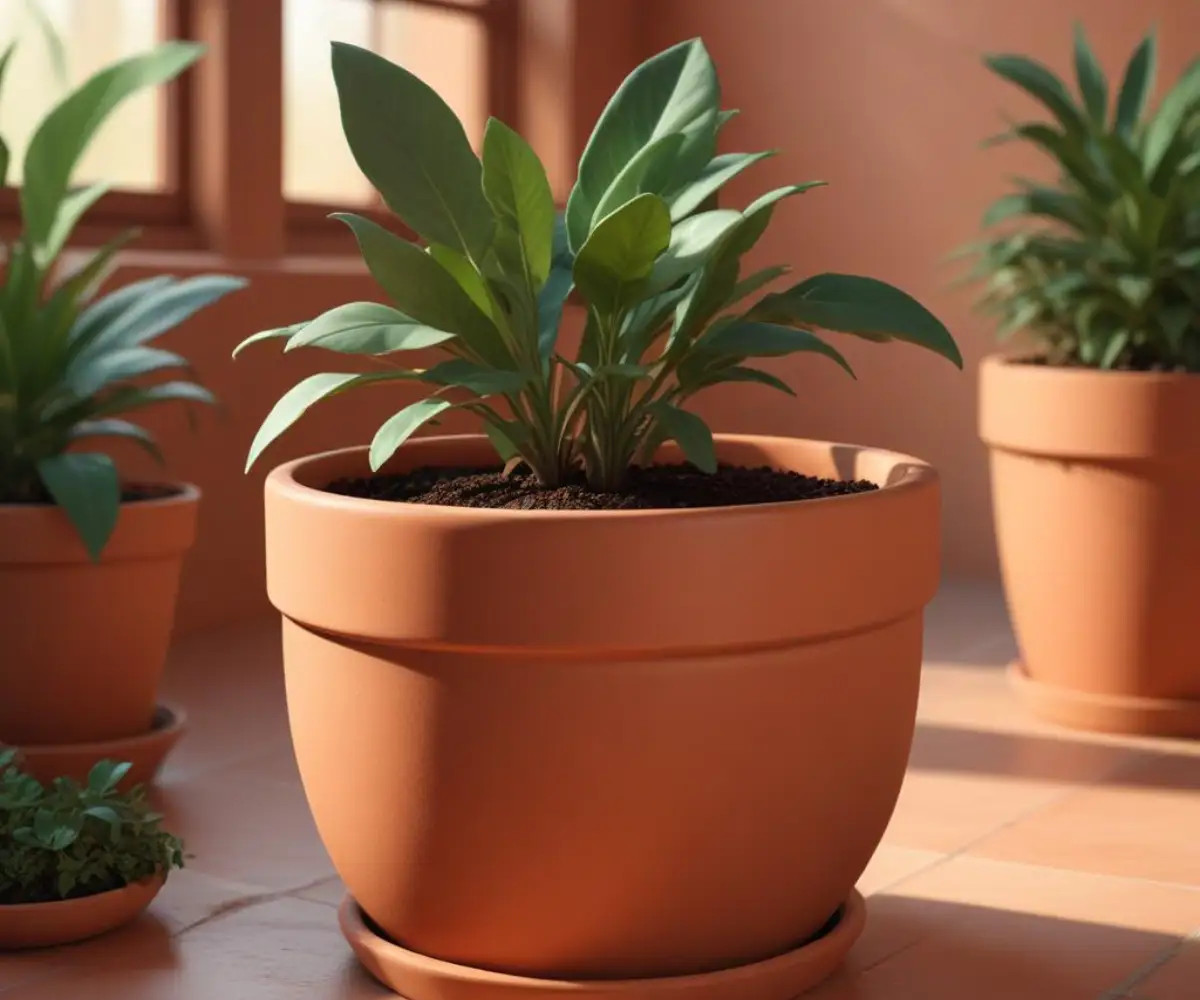
When selecting a commercial potting mix, look for one that is specifically formulated for indoor plants and comes from a reputable brand. These mixes are often designed to be lighter and better draining than general-purpose potting soils, which can help prevent the overly moist conditions that attract pests. Some indoor mixes also contain ingredients like perlite, vermiculite, and coconut coir, which improve aeration and drainage.
Another excellent strategy is to create your own custom potting blend. This gives you complete control over the ingredients and allows you to tailor the mix to the specific needs of your plants. A good basic recipe for a bug-resistant indoor potting mix is one part sterile potting soil, one part perlite or pumice for drainage, and one part coco coir for moisture retention without becoming waterlogged. For plants that are particularly sensitive to overwatering, you can increase the amount of perlite.
Watering Wisely to Deter Pests
Your watering habits play a crucial role in pest prevention. As mentioned earlier, overwatering is a leading cause of fungus gnat infestations. To avoid this, always allow the top one to two inches of soil to dry out completely between waterings. This simple change disrupts the life cycle of fungus gnats by creating an inhospitable environment for their larvae.
Consider bottom-watering your plants as an alternative to traditional top-watering. To do this, place your plant in a saucer or tray of water and allow it to soak up moisture through the drainage holes for about 15-30 minutes. This technique helps keep the top layer of soil dry, further deterring fungus gnats from laying their eggs.
Active Warfare: Eradicating an Existing Infestation
If you’re already dealing with a bug problem, don’t despair. There are many effective and non-toxic methods for getting rid of pests and restoring peace to your indoor garden. The key is to be persistent and use a combination of methods to target pests at all stages of their life cycle.
For flying adult pests like fungus gnats, yellow sticky traps are an invaluable tool. These traps are coated with a strong adhesive that captures the gnats when they land. Placing these traps near the soil of infested plants can significantly reduce the adult population, preventing them from laying more eggs. While this won’t solve the root of the problem, it’s an essential part of a multi-pronged attack.
Natural and Effective Soil Treatments
To target the larvae living in the soil, there are several natural treatments you can use. A soil drench with a solution of one part 3% hydrogen peroxide to four parts water is highly effective at killing fungus gnat larvae on contact. The peroxide will fizz when it comes into contact with the soil, which is a sign that it’s working. This treatment is safe for most plants and has the added benefit of aerating the soil.
Another powerful natural insecticide is neem oil. This oil, derived from the neem tree, can be diluted with water and a small amount of mild soap and used as a soil drench. Neem oil works by disrupting the hormonal systems of insects, preventing them from growing and reproducing. It’s effective against a wide range of pests, including fungus gnats, mealybugs, and root aphids.
For a dry treatment option, consider sprinkling a layer of diatomaceous earth over the surface of the soil. This fine powder is made from the fossilized remains of diatoms and works by abrading the exoskeletons of insects, causing them to dehydrate and die. It’s a non-toxic and effective way to create a barrier that pests cannot cross.
| Treatment Method | Target Pests | Application |
|---|---|---|
| Yellow Sticky Traps | Adult Fungus Gnats, Whiteflies | Place traps near the soil surface of infested plants. |
| Hydrogen Peroxide Drench | Fungus Gnat Larvae | Mix 1 part 3% hydrogen peroxide with 4 parts water and water plants thoroughly. |
| Neem Oil Drench | Fungus Gnat Larvae, Mealybugs, Root Aphids | Dilute neem oil according to package directions and apply to the soil. |
| Diatomaceous Earth | Fungus Gnats, Springtails, Ants | Sprinkle a thin layer over the dry surface of the soil. |
The Importance of a Proactive Approach
Maintaining a pest-free indoor garden is an ongoing process, not a one-time fix. Regularly inspecting your plants for any signs of trouble is one of the most important habits you can develop. Check the undersides of leaves, the stems, and the soil surface each time you water. Catching an infestation early makes it much easier to control.
Quarantining new plants is another crucial step. Keep any new additions to your plant family separate from your existing plants for at least a few weeks. This will give you time to observe them for any signs of pests and treat them if necessary before they have a chance to spread. This simple practice can prevent a small problem from turning into a major infestation.
Long-Term Health for Your Indoor Garden
Ultimately, the best defense against pests is a healthy, thriving plant. Plants that are stressed due to improper watering, lighting, or nutrition are more susceptible to infestations. By providing your plants with the optimal conditions for their specific needs, you are also bolstering their natural defenses against pests.
Don’t be afraid to repot plants that are struggling or that are in soil that seems to be a chronic source of pests. A fresh start in a sterile, well-draining potting mix can make a world of difference. When repotting, be sure to gently remove as much of the old, infested soil from the roots as possible. This is also a good opportunity to check for any signs of root rot, which can be caused by the same overly moist conditions that attract pests. And if you ever find yourself with a serious mess, remember that even a potting soil clogged drain can be fixed with the right approach.
By being mindful of your soil, your watering habits, and the overall health of your plants, you can create a beautiful and vibrant indoor garden that is free from the annoyance of pests. Even a tropical beauty like a passion flower can thrive indoors with the right care and a pest-free environment. A little knowledge and a proactive approach are all you need to ensure that your home remains a peaceful, green sanctuary.
