
I Hate Gardening? This Guide Will Radically Change Your Mind
The feeling is common. You look out at a patch of earth and feel not joy, but a sense of overwhelming dread. The weeds, the watering, the sheer endlessness of it all—it’s no wonder so many people secretly, or openly, confess to hating gardening.
This dislike isn’t a personal failing. It is often the result of a fundamental mismatch between the type of gardening you’ve been told to do and the life you actually live. The secret isn’t to force yourself to love a chore you despise; it’s to redefine gardening on your own terms.
You'll Learn About
Unearthing the Roots of Your Frustration
Understanding why you dislike gardening is the first step toward finding a version you can tolerate, or perhaps even enjoy. Most frustrations stem from a few common, deeply rooted issues that turn a potential hobby into a source of stress.
The Crushing Pressure for Perfection
Modern life bombards us with images of flawless, magazine-worthy gardens. This creates an unrealistic standard that can make your own efforts feel inadequate. The constant battle for a perfect lawn and pristine flower beds leads to burnout and a sense of failure.
When reality doesn’t match the idealized image, it’s easy to feel discouraged. A few weeds or a struggling plant can feel like a personal indictment, turning the garden into a place of judgment rather than peace. This pressure is a significant barrier to finding any enjoyment in the process.
The Endless Cycle of Chores
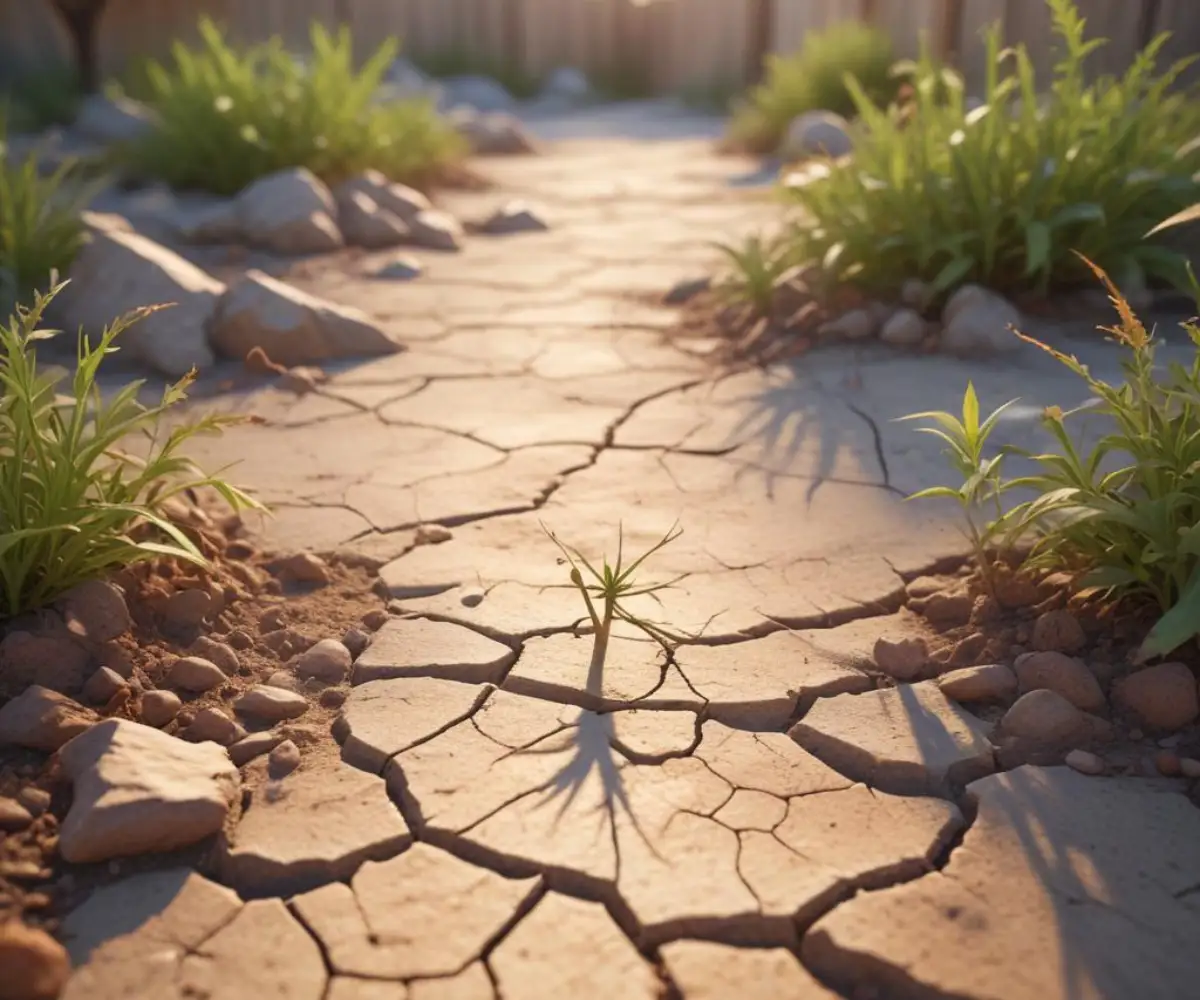
For many, gardening feels less like a creative outlet and more like a never-ending to-do list. Weeding, watering, pruning, and mowing can consume precious free time, making the garden a source of constant work rather than relaxation. This is especially true when using outdated, high-effort methods.
The physical toll is also a major factor. Bending, kneeling, and lifting can lead to aches and pains, reinforcing the idea that gardening is nothing but strenuous labor. When a hobby requires this much physical and mental energy, it’s natural to start resenting it.
The War Against Nature: Pests and Problems
A relentless battle against pests and diseases can drain the enthusiasm from even the most determined individual. Watching your carefully tended plants get devoured by slugs or succumb to fungus is incredibly disheartening. It often feels like a constant, losing fight against the forces of nature.
Dealing with these issues requires knowledge and persistence. For example, understanding the difference between various pest control methods is crucial for success. A detailed comparison like the one in Sluggo vs Sluggo Plus can provide clarity on how to effectively manage common pests, but the need for such vigilance can be exhausting.
The Knowledge Gap: Feeling Lost and Overwhelmed
The sheer volume of gardening advice available can be paralyzing. Contradictory information about when to plant, how to prune, and what soil to use can make you feel completely lost before you even start. This feeling of being overwhelmed is a major reason many people give up.
Without a clear, simple starting point, it’s easy to make mistakes that lead to poor results. When your efforts don’t yield the beautiful flowers or tasty vegetables you hoped for, the motivation to continue quickly disappears. The cycle of trying and failing solidifies the belief that you simply “can’t” garden.
Redefining “Gardening”: Find Your True Plant Personality
The key to overcoming a dislike for gardening is to stop trying to be the gardener you think you should be. Instead, identify your “gardening personality.” This allows you to tailor your approach to your lifestyle, temperament, and goals, transforming the experience from a chore into something genuinely rewarding.
The “Set It and Forget It” Gardener
This personality type values results with minimal ongoing effort. The ideal garden is one that largely takes care of itself after the initial setup. The focus is on creating a resilient, self-sustaining ecosystem rather than a meticulously manicured plot.
Embrace the concept of “weaponized neglect” by choosing plants that thrive when left alone. Think hardy native perennials, ornamental grasses, and succulents. Techniques like xeriscaping—designing landscapes to reduce or eliminate the need for irrigation—are perfect for this hands-off approach.
The “Instant Gratification” Gardener
If the slow pace of traditional gardening is a turn-off, this is your personality. The “Instant Gratification” gardener needs quick, tangible rewards to stay motivated. The joy comes from seeing rapid growth and harvesting something in weeks, not months.
Focus on fast-growing crops like radishes, lettuces, and many herbs. Adopt a mindset of “micro-dopamine gardening,” where you focus on small, quick wins. Harvesting a few salad greens for dinner or watching a zucchini appear overnight provides the positive feedback needed to keep going.
The “Aesthetic Minimalist” Gardener
For this type, the garden is a form of design, not agriculture. The goal is to create a beautiful, tranquil space with strong structure and form, rather than a chaotic explosion of flowers or food. Quality over quantity is the mantra.
Concentrate on hardscaping elements like elegant pathways or a modern patio. Select one or two stunning specimen plants as focal points. Even a curated collection of beautiful indoor plants, such as a rare Hoya Wilbur Graves China vs Russia, can satisfy the minimalist’s desire for aesthetic beauty without the commitment of a full garden.
Your Action Plan: Making Peace with Plants
Once you’ve identified your gardening personality, you can create a practical plan. The goal is to build a positive feedback loop where minimal, targeted effort produces satisfying results, encouraging you to continue.
Step 1: Radically Shrink Your Scale
The single biggest mistake is starting too big. Overwhelm is almost guaranteed. Instead, shrink your battlefield to a comically small size. One beautiful pot on the patio is a garden. A single 2×2 foot raised bed is a garden.
By starting small, you make the tasks of watering, weeding, and pest control manageable. A five-minute check-in is all that’s required. Success in a small space builds the confidence needed to gradually expand if, and only if, you want to.
Step 2: Choose Plants That Thrive on Neglect
Your plant choices will make or break your experience. Stop choosing fussy, demanding plants. Instead, seek out “bulletproof” varieties that are known for their resilience and low-maintenance nature.
Look for plants like Sedum, Hostas, Coneflowers, Russian Sage, and ornamental grasses. These perennials come back year after year with minimal intervention. For edible options, consider hardy herbs like mint (in a container!), oregano, and thyme, or vegetables like garlic and perennial onions.
Step 3: Automate, Delegate, and Use Smart Tools
Leverage technology and smart techniques to reduce manual labor. Modern tools and methods can eliminate the most tedious gardening chores. An initial investment of time or money can save you hundreds of hours in the long run.
Drip irrigation systems with automatic timers take watering off your to-do list entirely. Heavy mulching with wood chips or straw can suppress 90% of weeds. Investing in ergonomic, long-handled tools can save your back and knees. The table below outlines some of the most effective high-effort to low-effort swaps.
| High-Effort Task | Low-Effort Alternative | Primary Benefit |
|---|---|---|
| Daily hand-watering | Drip irrigation on an automatic timer | Saves hours of time and conserves water. |
| Endless weeding | Applying a thick (3-4 inch) layer of mulch | Suppresses weed growth and retains soil moisture. |
| Tilling soil annually | No-dig or “lasagna” gardening methods | Improves soil health and eliminates back-breaking work. |
| Fighting lawn edges | Installing permanent mowing strips (brick, stone) | Creates a clean edge and eliminates the need for trimming. |
| Planting annuals every spring | Planting hardy perennials and self-seeding flowers | Reduces yearly planting chores and saves money. |
Beyond the Backyard: Expanding Your Definition of a Gardener
Gardening doesn’t have to happen in a traditional yard. For many people who dislike the conventional version, exploring alternative ways to interact with plants can be a breakthrough. These unconventional approaches offer the benefits without the common drawbacks.
The Indoor Jungle: Houseplants as Your Garden
Caring for houseplants is a valid and rewarding form of gardening. It eliminates concerns about weather, large-scale pests, and back-breaking labor. You can create a lush, green environment inside your home, purifying the air and boosting your mood.
Start with famously low-maintenance plants like Snake Plants, ZZ Plants, or Pothos. These species tolerate a wide range of conditions and can survive occasional neglect. Success with one or two easy plants can build a sense of confidence and competence.
Community and Container Gardening
If you lack space or are overwhelmed by the thought of managing a whole yard, container gardening is a perfect solution. A few pots on a balcony or patio can provide a surprising amount of beauty or food. This approach keeps the scale small and manageable by default.
Alternatively, joining a community garden allows you to share the workload and learn from others. You get a designated plot to manage without being responsible for the entire property. The social aspect and shared knowledge can transform gardening from an isolated struggle into a collaborative and enjoyable activity.
The Financial and Mental Equation
It’s crucial to acknowledge that gardening involves costs—not just in money for tools and plants, but in time and energy. Thinking strategically about these investments can shift your perspective from seeing them as sunk costs to valuable assets for your home and well-being.
Long-Term Gains vs. Short-Term Pains
While the initial setup can be an investment, a well-planned, low-maintenance garden adds significant value to your property. Mature perennials and shrubs create curb appeal that lasts for decades. Furthermore, viewing your garden as an extension of your home’s overall efficiency is a modern, practical approach.
Making smart, efficient choices in the garden mirrors the benefits of making them inside the home. Just as you might research whether you should use a tankless water heater for baseboard heat to improve energy efficiency, choosing self-sufficient plants and automated systems improves your time efficiency. It’s about creating a lifestyle, both indoors and out, that is less wasteful and more rewarding.
Conclusion: From Hating to Tolerating (and Maybe More)
It is perfectly fine to hate gardening as it is traditionally practiced. The relentless pressure, the back-breaking work, and the frequent failures are enough to turn anyone away. The solution is not to force it, but to find a new way.
By identifying your gardening personality, starting incredibly small, choosing the right plants, and using smart techniques, you can design a way of interacting with plants that fits your life. The goal is not to become a master gardener overnight. It is simply to find a way to bring a little bit of nature into your life that reduces stress, rather than adding to it.
