
I Don’t Want a Dining Room: Your #1 Guide to a Better Home Layout
In today’s fast-paced world, many homeowners are rethinking traditional floor plans, questioning the need for a dedicated formal dining room that often sits unused. Ditching this space allows for more flexible, open-concept layouts that prioritize everyday living and family connection.
By eliminating walls and repurposing the area—perhaps into a larger kitchen island, cozy living zone, or home office—you gain spaciousness, better flow, natural light, and multifunctional rooms that adapt to modern lifestyles. This guide explores creative alternatives for a home that truly feels lived-in and efficient.
You'll Learn About
The End of an Era: Why Your Formal Dining Room is Obsolete
The formal dining room was once a staple of the American home. It was a space reserved for holiday feasts, special occasions, and showing off the good china. But for many modern households, it has become the least-used room in the house—a ghost town of polished wood and dusty chairs.
If you find yourself thinking, “I don’t want a dining room,” you are not alone. This is not about rejecting tradition; it’s about embracing a lifestyle that values function, flexibility, and daily comfort over seldom-used formality. Reclaiming this space isn’t a loss; it’s a massive gain in usable square footage.
The Real Reasons the Formal Dining Room is Disappearing
The shift away from formal dining rooms is rooted in fundamental changes in how we live. Our lives are more casual, our homes more open, and our needs more diverse than ever before. Understanding this shift is the first step to confidently repurposing your space.
Open-concept floor plans have revolutionized home design, blending the kitchen, living, and dining areas into one cohesive “great room.” This encourages social connection and casual interaction, making a separate, closed-off dining room feel redundant and isolating. Kitchen islands with bar seating and cozy breakfast nooks have become the new hubs for daily meals and conversations.
Furthermore, the rise of remote work, at-home fitness, and creative hobbies has created a pressing need for dedicated specialty spaces. A room that sits empty 360 days a year is a luxury most can’t afford when a home office, playroom, or personal gym would be used daily. It’s a simple matter of maximizing your home’s potential to serve your actual life, not a fantasy of formal entertaining.
Before You Start: 3 Critical Questions to Ask Yourself
Before you start tearing down walls or buying new furniture, a little planning goes a long way. Answering these questions will ensure your new space is a perfect fit for your household and avoids costly mistakes.
1. How Do You *Actually* Live and Entertain?
Be honest about your lifestyle. Do you host large, formal dinner parties, or are your gatherings more of a casual buffet-style affair in the living room? If your entertaining style doesn’t require a dedicated dining room, you have permission to let it go. Think about what activity or function your family is truly missing—that’s the best use for your space.
2. What is the Current Layout?
Is your dining room a completely separate, walled-off space, or is it a designated area in an open floor plan? A separate room is a blank canvas for a home office or gym. An open-concept dining area might be better suited for a library nook or an extension of your living room, requiring clever design to define the new zone.
3. What is Your Budget and Timeline?
Converting a dining room can be as simple as a furniture swap or as complex as a full renovation. A home office might just need a desk and good lighting, while expanding your kitchen is a major project. Setting a clear budget will help you decide the scope of your transformation.
7 Genius Alternatives for Your Unused Dining Room
Ready for some inspiration? Here are seven practical and stylish ways to transform that wasted space into a room you’ll love and use every single day.
1. The Ultimate Home Office or Productivity Hub
In the age of remote work, a dedicated home office is no longer a luxury—it’s a necessity. A former dining room is the perfect candidate, offering a quiet, separate space away from the distractions of the main living areas. This separation helps create a crucial boundary between work and home life.
Focus on creating an environment that boosts productivity. Invest in an ergonomic chair, a spacious desk, and smart storage solutions like bookshelves and cabinets to keep clutter at bay. Proper lighting, both natural and artificial, is key to reducing eye strain. For a clean and modern workspace, consider selecting pieces of Roomba friendly furniture to make maintenance effortless.
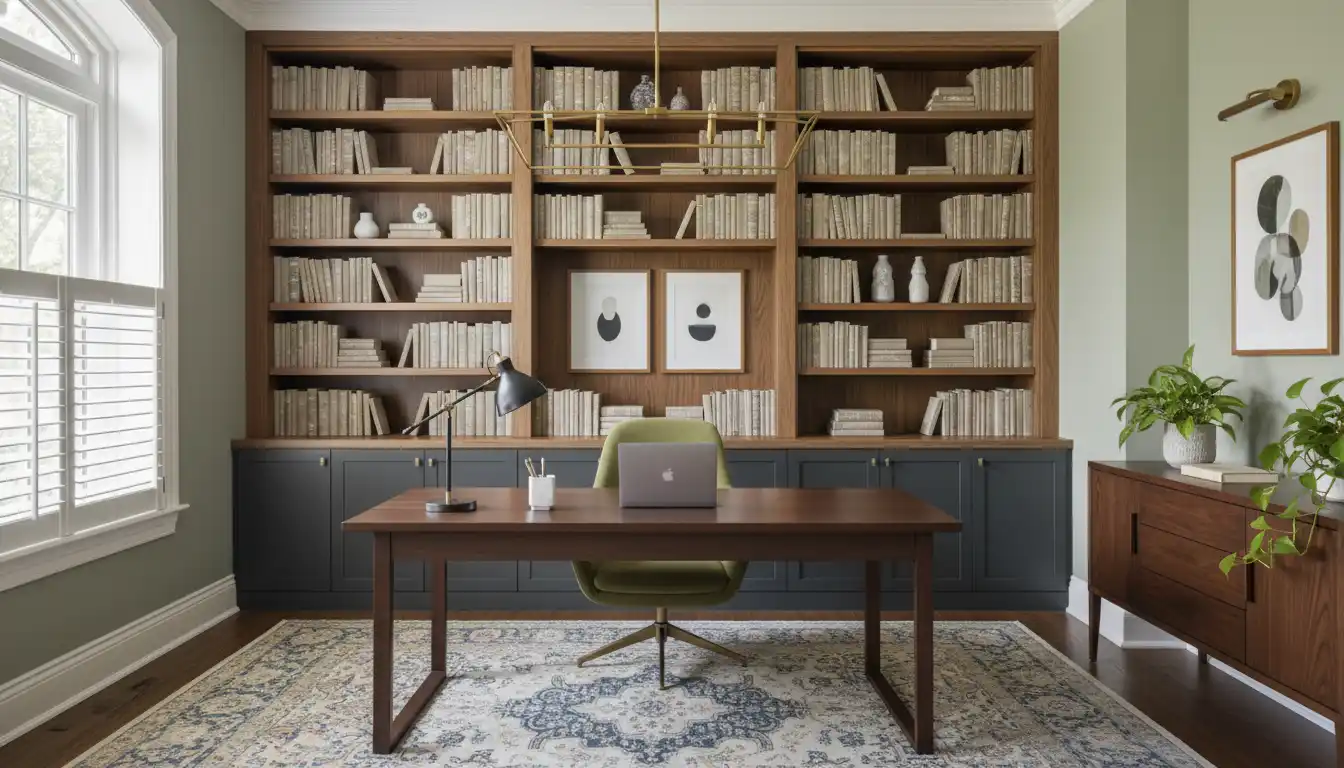
2. The Cozy Reading Nook or Library
Imagine a quiet sanctuary dedicated to relaxation and escaping into a good book. Transform your old dining room into a personal library with floor-to-ceiling bookshelves, a plush armchair or chaise lounge, and a soft area rug. A beautiful reading lamp and a small side table for your tea are the only other things you need.
This idea works wonderfully in both open and closed-off dining spaces. It adds a touch of sophistication and creates a designated “low-tech” zone where family members can unwind without screens, promoting mindfulness and quiet time.
3. The Dream Playroom or Teen Hangout
For families with children, a dedicated playroom is a game-changer. It contains the inevitable chaos of toys, games, and art supplies, keeping your main living areas tidy and organized. A dining room is often conveniently located on the main floor, making it easy to supervise younger children.
Use durable flooring, bright colors, and plenty of low, accessible storage bins. For older kids and teens, convert the space into a hangout lounge with a small sofa, a TV for video games, and a table for homework or board games. It gives them a sense of independence while keeping them close to home.
4. The Personal Fitness Studio or Yoga Den
Cancel that expensive gym membership and create a convenient workout space right at home. A former dining room is ideal for a personal fitness studio. You can add rubber flooring, a wall of mirrors to check your form, and storage for weights, bands, and other equipment.
This space is perfect for a yoga or meditation den, providing a serene environment for your practice. The key is to keep the design minimal and clutter-free to promote a clear mind and focused workout. The convenience of having this space available 24/7 removes one of the biggest barriers to regular exercise.
5. The Functional Hobby Room or Creative Studio
Unleash your creativity by dedicating a room to your favorite hobby. Whether you’re a painter, a crafter, a musician, or a seamstress, having a designated studio is invaluable. It allows you to leave projects out without them taking over the kitchen table.
Customize the space to your needs with specific work surfaces, task lighting, and clever storage for all your supplies. This transformation celebrates your passions and integrates them into the fabric of your home, turning unused space into a hub of creativity and personal fulfillment.
6. The Sophisticated Bar or Lounge Area
If you love to entertain but prefer cocktails and conversation over formal dinners, a home bar or lounge is a perfect fit. This creates a stylish, adult-oriented space that feels like a private club. Add a built-in or freestanding bar, some comfortable lounge chairs or a small settee, and dramatic, low-level lighting.
This conversion is perfect for hosting friends or enjoying a quiet nightcap. It elevates your home’s entertainment potential and offers a far more practical and modern alternative to the stuffy formal dining room for today’s social gatherings.
7. The Expanded Living or Kitchen Space
For those with a separate, walled-off dining room, the most ambitious and often most rewarding option is to remove a non-load-bearing wall. This can dramatically open up your floor plan, creating a larger, more functional great room or allowing for a massive kitchen expansion.
This is a major renovation that requires professional help, but the payoff is huge. Merging the spaces creates better flow and a more connected feeling. One common challenge during this process is creating a seamless floor. If you find yourself in this situation, knowing what to do when you can’t match floor tiles can be a lifesaver, ensuring a beautiful, cohesive result.
Comparing Your Dining Room Alternatives
Feeling overwhelmed by the options? This table breaks down the key factors for each idea to help you make the best decision for your home and lifestyle.
| New Room Idea | Best For… | Key Considerations (Cost/Effort) | Potential Resale Impact |
|---|---|---|---|
| Home Office | Remote workers, students, and home-based businesses. | Low to Moderate. Requires furniture and good lighting. Can be done on a tight budget. | Very Positive. A dedicated home office is a top priority for many modern buyers. |
| Playroom / Teen Lounge | Families with children of any age. | Low. Focus is on storage and durable, kid-friendly furnishings. | Positive. Buyers with families will see this as a huge bonus feature. |
| Home Gym / Yoga Studio | Fitness enthusiasts and those seeking wellness at home. | Low to Moderate. Cost depends on flooring choice and amount of equipment. | Neutral to Positive. A desirable feature for health-conscious buyers. |
| Library / Reading Nook | Book lovers and those seeking a quiet retreat. | Low to Moderate. Bookshelves are the main expense. Can be a simple DIY project. | Positive. Adds a touch of class and can be staged as a flexible space. |
| Hobby / Craft Room | Artists, crafters, musicians, and creators. | Moderate. Often requires specialized storage and work surfaces. | Neutral. Buyers may see it as a “bonus room” they can adapt to their own needs. |
| Expanded Living Space | Those desiring an open-concept floor plan. | High. Involves demolition, construction, and flooring work. Requires professionals. | Very Positive. Open-concept layouts are highly sought after and can increase home value. |
But What About Holiday Dinners? Solving the Big Gathering Dilemma
The number one hesitation people have about ditching the dining room is, “Where will we eat on Thanksgiving?” This is a valid concern, but one with simple, modern solutions that don’t require dedicating an entire room to a once-a-year meal.
Solution 1: The “Flex” Dining Space
Instead of a massive formal table, opt for a smaller, everyday table in a multi-use space. This could be a “breakfast room” or a designated corner of your great room. Many homeowners are surprised to learn they can still fit a comfortable table in a compact area; the key is understanding scale. A common question is about what size dining table for a 9×10 room, and the answer is often a round or extendable table that seats 4-6 for daily use but can expand for guests.
Solution 2: Invest in Smart, Convertible Furniture
The market for multi-functional furniture is booming. You can find incredible console tables that magically unfold into a dining table for 10-12 people. When not in use, it sits discreetly against a wall. Pair this with stylish, modern folding chairs that can be stored in a closet, and you are always ready for a crowd without sacrificing a room.
The Resale Value Myth: Will No Dining Room Hurt Your Home’s Worth?
For decades, real estate agents insisted that a formal dining room was essential for resale. This is outdated thinking. Today’s buyers prioritize functional, well-utilized spaces over rigid, traditional layouts. A dusty, unused dining room is far less appealing than a beautiful, practical home office, a fun playroom, or a spacious, open-concept kitchen.
The key is in the execution and presentation. A thoughtfully converted space that is well-designed and staged effectively will be seen as a valuable asset, not a missing feature. You are selling a lifestyle, and a home that reflects a modern, flexible lifestyle is highly marketable.
Staging Your Repurposed Space for a Quick Sale
When it’s time to sell, make your “bonus room” a star feature. Stage it clearly for its purpose. If it’s a home office, present it as a pristine, organized workspace. If it’s a playroom, make it look fun and tidy. This helps buyers visualize how they could use the space and appreciate the added functionality your home offers over others.
Final Thoughts: It’s Your Home, Design It for Your Life
Ultimately, your home should be a reflection of you and your family’s needs. Don’t let outdated conventions dictate how you use your space. If a formal dining room doesn’t fit your life, you have full permission to reclaim that square footage and turn it into something you will use and cherish every single day.
By making this change, you are not just redesigning a room; you are redesigning your home to be a better, more efficient, and more joyful place to live. Embrace the freedom and create a home that truly works for you.
