
Hydrangea and Azalea: Your Ultimate Guide to a Perfect Pairing
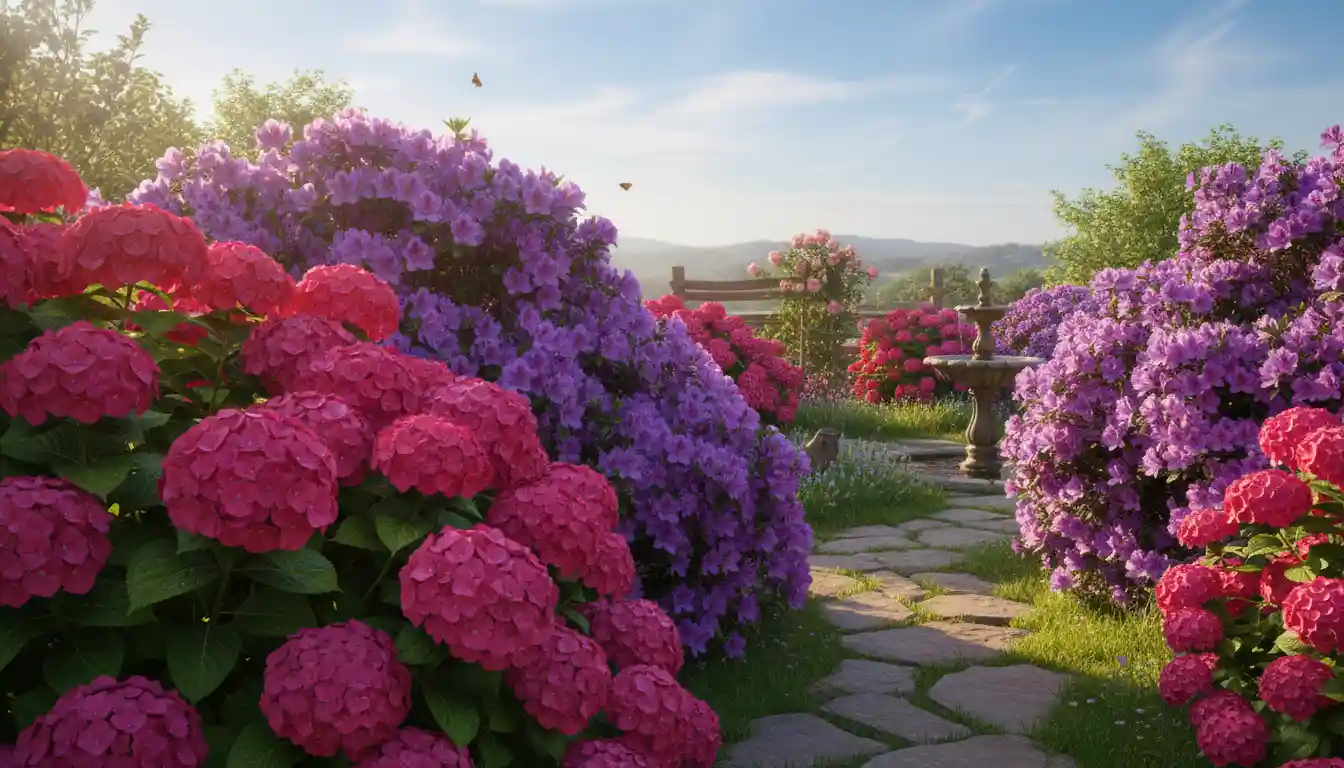
Many gardeners dream of a landscape bursting with color, where the magnificent, cloud-like blooms of hydrangeas perfectly complement the vibrant, early-season splendor of azaleas. Yet, this seemingly perfect match often leads to frustration. Instead of a harmonious display, gardeners find themselves battling yellowing leaves, stunted growth, and a disappointing lack of flowers.
The vision of these two garden powerhouses thriving side-by-side quickly fades, replaced by the reality of plants that appear to be in a constant state of struggle. This common problem leaves many wondering why a pairing that seems so right can go so wrong. The answer lies hidden just below the surface, in the very soil they share.
You'll Learn About
Why Your Hydrangeas and Azaleas Are Secretly at War
The primary conflict between hydrangeas and azaleas arises from subtle yet critical differences in their environmental needs. While both are celebrated as acid-loving plants, their ideal conditions are not identical. This mismatch is the root cause of the widespread failure to cultivate them together successfully, turning a dream garden into a display of distress.
Failure to address these specific needs leads directly to common plant ailments. Gardeners often observe yellowing leaves with dark green veins, a classic sign of nutrient deficiency known as chlorosis. This occurs when the soil pH is incorrect, locking up essential nutrients like iron and making them unavailable to the plant, no matter how much you fertilize.
Mastering Your Soil: The Foundation of Success
The single most important factor for success is achieving the correct soil acidity. Azaleas demand a strongly acidic soil with a pH between 4.5 and 6.0 to flourish. While many hydrangeas also prefer acidic conditions, their tolerance can vary, and for some varieties, the soil pH famously dictates their flower color.
Before planting, you must test your soil’s pH. Do not skip this step. Simple home testing kits are widely available and provide the crucial information needed to create the perfect environment. If your soil is too alkaline, you will need to amend it to create the acidic conditions these plants crave.
To lower soil pH, incorporate materials like elemental sulfur, sphagnum peat moss, or iron sulfate. A more advanced technique involves creating “layered amendments.” Instead of merely mixing additives into the topsoil, work organic matter like composted oak leaves or pine bark fines deeper into the planting hole. This method builds a more stable, long-term acidic foundation for the roots.
The Balancing Act: Finding the Perfect Light
Sunlight is another critical battleground where these plants have differing needs. Azaleas thrive in dappled shade or gentle morning sun, as the harsh afternoon sun can scorch their delicate leaves. In contrast, some hydrangea varieties, like the popular Panicle types (‘Limelight’, ‘PeeGee’), love full sun, while others, such as Bigleaf hydrangeas, require protection from the afternoon heat.
The ideal solution is to find a location that offers the best of both worlds: bright, filtered morning sun followed by afternoon shade. This “sweet spot” protects both plants from stress and encourages abundant blooming. Consider planting them on the east side of a house or beneath tall, high-canopied trees that provide a natural light filter.
Quenching Their Thirst: A Strategic Watering Guide
Both hydrangeas and azaleas enjoy consistently moist soil, but they absolutely despise soggy conditions or “wet feet.” Poor drainage is a swift path to root rot, a fungal disease that can quickly prove fatal. The key is to provide deep, thorough watering that encourages roots to grow downward, rather than frequent, shallow sprinklings.
Use soaker hoses or a drip irrigation system to deliver water directly to the base of the plants. This method is highly efficient and keeps the foliage dry, which is essential for preventing the spread of fungal diseases like powdery mildew. A two- to three-inch layer of mulch is non-negotiable; use pine straw or pine bark, as these materials help retain crucial soil moisture and contribute to maintaining an acidic pH as they decompose.
Beyond the Basics: Designing a Show-Stopping Garden Display
Successfully growing hydrangeas and azaleas together is more than a science; it’s an art. With a solid understanding of their needs, you can move on to creating a truly breathtaking landscape design that provides year-round interest and a succession of stunning blooms.
Strategic placement and thoughtful selection of companion plants are what elevate a simple planting to a masterful garden composition. The goal is to create layers of texture, color, and form that look intentional and beautiful through every season. For foundation plantings, it’s wise to consider how large shrubs will scale against architectural features, such as those near an 8 wide window, ensuring they enhance rather than obscure the view.
Choosing the Right Partners: Varieties that Thrive Together
Not all hydrangeas and azaleas are created equal. Selecting varieties with compatible sizes, bloom times, and cultural requirements is crucial for a low-maintenance, high-impact garden. For example, pairing a reblooming ‘Encore’ azalea with an ‘Endless Summer’ hydrangea ensures a continuous wave of color from spring through fall.
This table provides a starting point for selecting varieties that are known to perform well and offer complementary characteristics for a harmonious garden design.
| Plant Type | Variety Name | Mature Size (H x W) | Bloom Time | Light Needs | Key Features |
|---|---|---|---|---|---|
| Azalea | ‘Encore Autumn Royalty’ | 4-5 ft x 4-5 ft | Spring, Summer, Fall | Part Sun | Reblooming; Rich purple flowers |
| Hydrangea | ‘Endless Summer’ The Original | 3-5 ft x 3-5 ft | Late Spring to Fall | Part Shade | Reblooming on old & new wood |
| Azalea | ‘Girard’s Fuchsia’ | 3-4 ft x 4-5 ft | Mid to Late Spring | Part Shade | Extremely cold hardy; Vibrant color |
| Hydrangea | Oakleaf ‘Ruby Slippers’ | 3-4 ft x 4-5 ft | Summer | Full Sun to Part Shade | Stunning fall foliage; Cone-shaped flowers |
| Azalea | ‘Perfecto Mundo’ Double Pink | 2-3 ft x 2-3 ft | Spring, Summer, Fall | Part Sun | Compact size; Double flowers |
| Hydrangea | Panicle ‘Limelight’ | 6-8 ft x 6-8 ft | Mid-Summer to Fall | Full Sun to Part Shade | Very sun tolerant; large blooms |
The Art of Placement: Companion Plants and Layering
A truly dynamic garden relies on more than just two types of plants. To create a lush, layered look, incorporate other acid-loving companions that share similar light and water requirements. Ferns, hostas, and coral bells are excellent choices for the foreground, providing beautiful foliage that contrasts with the bolder leaves of hydrangeas and azaleas.
A classic design strategy involves planting shorter, evergreen azaleas in the front of the border. This provides structure and color year-round. Behind them, place your hydrangeas, which will emerge in summer to become the stars of the show. This layering technique ensures a seamless transition of color and interest from spring to fall, preventing any “bare” periods in the garden.
Decoding Distress Signals: A Troubleshooting Guide
Even with the best planning, plants can sometimes show signs of stress. Learning to identify these signals early is key to correcting the issue before it becomes a major problem. From discolored leaves to a lack of flowers, your plants are communicating their needs.
Understanding these common issues will empower you to act quickly and confidently. Just as you might meticulously compare home systems like an Amana vs. Trane furnace for optimal performance and longevity, applying the same diagnostic care to your garden ensures its long-term health and beauty. Being proactive is the best way to maintain a thriving landscape.
Problem: Yellow Leaves with Green Veins (Chlorosis)
This is the most common symptom of a soil pH that is too high (alkaline). The plant is unable to absorb iron from the soil, resulting in the tell-tale yellowing leaves. The immediate, short-term fix is to apply a foliar spray containing chelated iron, which allows the leaves to absorb the nutrient directly.
For a long-term solution, you must address the root cause: the soil itself. Apply elemental sulfur or iron sulfate to the soil around the plant according to package directions. Re-test the soil pH annually to ensure it remains in the optimal acidic range.
Problem: Hydrangea Won’t Bloom
A lack of flowers on a hydrangea is incredibly frustrating and usually points to one of three culprits: improper pruning, insufficient sunlight, or damage from a late frost. Many popular hydrangeas, like the Bigleaf varieties, bloom on “old wood”—stems that grew the previous year. If you prune these in the fall or spring, you are cutting off the flower buds.
Only prune these types right after they finish flowering in the summer. For hydrangeas that bloom on “new wood,” like Panicle and Smooth varieties, pruning should be done in late winter or early spring. Ensure your plant is also receiving at least four to six hours of sunlight, as too much shade will prevent bud formation.
Problem: Brown, Crispy Leaf Edges
Scorched, crispy leaf margins are a clear sign of either underwatering or excessive sun exposure. Hydrangeas, in particular, will wilt dramatically when they are thirsty. Check the soil moisture by inserting your finger a few inches down; if it’s dry, provide a deep, thorough watering at the base of the plant.
If you are watering consistently and the problem persists, the plant is likely receiving too much intense, direct sunlight. The afternoon sun is the most common offender. You may need to transplant the shrub to a location with more afternoon shade or provide temporary shade with a screen during the hottest parts of the summer.
By mastering the foundational elements of soil, light, and water, you can successfully unite these two garden icons. The perceived conflict between hydrangeas and azaleas dissolves when their specific needs are met, allowing them to coexist and create the stunning, season-long display you’ve always envisioned.
