
Husky Cherry Red vs Super Sweet 100: Which Tomato Wins?
Choosing the right cherry tomato can feel like a monumental task for any home gardener. You want bountiful harvests, incredible flavor, and a plant that won’t succumb to the first sign of disease. This often leads to the classic showdown: Husky Cherry Red versus Super Sweet 100.
Both are garden favorites, yet they offer vastly different experiences from planting to plate. Making the wrong choice can lead to a season of frustration, whether it’s battling unruly vines or being underwhelmed by the taste. This guide will dissect the critical differences between these two titans of the tomato world.
You'll Learn About
Meet the Contenders: A Tale of Two Tomatoes
Before diving into a detailed comparison, it’s essential to understand the fundamental nature of each plant. They may both produce delicious, bite-sized red fruits, but their genetics and growth habits set them on distinct paths in your garden.
One is a compact, sturdy plant perfect for small spaces, while the other is a sprawling vine known for its almost unbelievable productivity. Their flavor profiles and disease resistance also present a study in contrasts.
Husky Cherry Red: The Sturdy and Reliable Choice
The Husky Cherry Red is what’s known as a dwarf indeterminate variety. This means it has a compact, bushy growth habit, typically reaching a manageable height of about 3 to 4 feet. Its stout nature and dense, dark green foliage make it an attractive plant, well-suited for container gardening or smaller garden beds where space is a premium.
Despite its smaller stature, it produces fruit consistently throughout the season. The tomatoes themselves are about one inch in diameter, boasting a classic, well-balanced tomato flavor that is neither overly sweet nor excessively tart.
Super Sweet 100: The Prolific Powerhouse
On the other end of the spectrum is the Super Sweet 100, a classic indeterminate variety. These plants are vigorous growers, with vines that can easily reach lengths of 8 to 12 feet if left untamed. This sprawling nature means they require significant support, such as tall, sturdy cages or stakes.
As its name suggests, the Super Sweet 100 is famous for two things: its high sugar content and its incredible yield. It produces long, dangling clusters of small, intensely sweet tomatoes, often with hundreds of fruits per plant over the season.
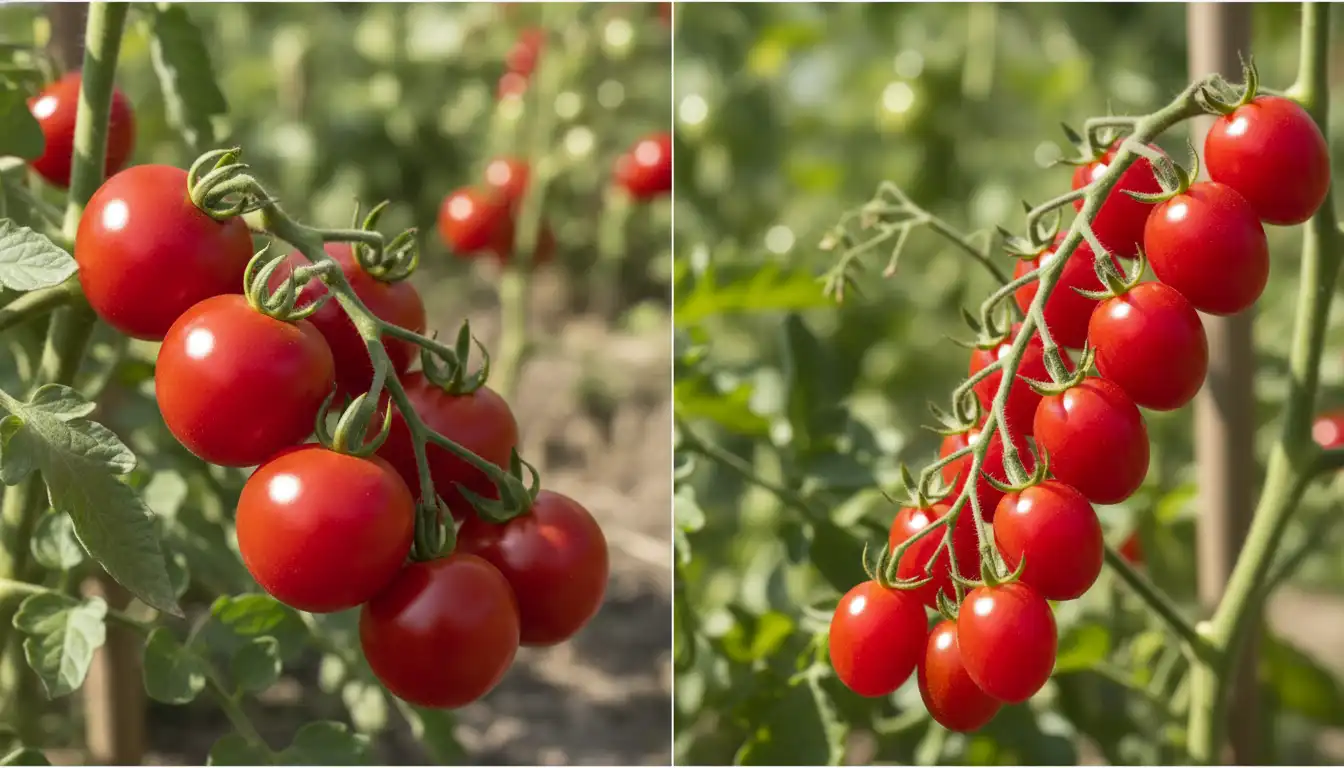
The Ultimate Showdown: A Head-to-Head Comparison
When selecting the perfect cherry tomato, gardeners are often balancing a few key factors: taste, plant size, yield, and resilience. How these two popular varieties stack up against each other can help you decide which one deserves a spot in your garden patch.
Understanding these differences is crucial for garden planning and setting realistic expectations for the growing season. A gardener with a small balcony will have very different needs than one with a large, dedicated vegetable plot.
| Feature | Husky Cherry Red | Super Sweet 100 |
|---|---|---|
| Plant Type | Dwarf Indeterminate | Indeterminate |
| Mature Size | 3-4 feet tall, bushy | 6-10+ feet tall, vining |
| Flavor Profile | Balanced, classic tomato flavor with moderate sweetness | Extremely sweet, high sugar content |
| Fruit Size | Approx. 1 inch | Approx. 1 inch |
| Yield | Good, consistent production | Very high, prolific clusters |
| Days to Maturity | Approx. 65 days | Approx. 65-70 days |
| Support Needed | Cage or stake recommended | Tall, sturdy cage or trellis is essential |
| Best For | Containers, small spaces, balanced flavor | Large gardens, high yield, snacking |
| Disease Resistance | Good resistance to Verticillium and Fusarium wilts | Good resistance to Verticillium and Fusarium wilts |
Flavor Profile: Sweetness vs. Balance
The ultimate test for any tomato is its taste. Here, the Husky Cherry Red and Super Sweet 100 appeal to different palates, and the choice is purely a matter of personal preference.
Do you crave a candy-like burst of sweetness, or do you prefer a more traditional, complex tomato flavor? Your answer will likely point you to your ideal variety.
The Richness of Husky Cherry Red
The Husky Cherry Red offers a rich and well-balanced flavor. It has a pleasant sweetness that is perfectly complemented by a mild acidity, creating a classic tomato taste that is incredibly versatile. This balance makes it a fantastic all-purpose cherry tomato.
Its flavor holds up well in salads, and its slightly thicker skin helps it maintain its structure when cooked lightly in pasta dishes or roasted. Some gardeners note a deep, almost “old-fashioned” tomato taste that can be hard to find in smaller varieties.
The Candy-Like Burst of Super Sweet 100
As the name implies, the Super Sweet 100 is all about sweetness. With a high sugar content, these tomatoes are like nature’s candy and are a favorite for snacking right off the vine. The flavor is bright and fruity, with very low acidity, making it a hit with children and adults who prefer a milder taste.
This intense sweetness makes it the star of any fresh dish, but it can sometimes be overpowering in cooked applications where a more savory flavor is desired. They are perfect for fresh salads, appetizer skewers, and as a healthy snack.
Growth Habits and Garden Performance
How a tomato plant grows is just as important as how its fruit tastes. The vastly different growth habits of these two varieties will dictate where you can plant them and how much maintenance they will require throughout the season.
One is a low-maintenance, space-saving option, while the other is a vigorous giant that demands attention but rewards it with an enormous harvest.
Plant Size and Support Needs
The most significant difference between the two is their size and structure. The Husky Cherry Red is a dwarf plant, rarely exceeding four feet in height. Its sturdy, compact form makes it an ideal candidate for container gardening on a patio or balcony. While it benefits from a small cage or stake for support, it won’t take over your garden.
In contrast, the Super Sweet 100 is a true indeterminate vine. It will continue to grow and sprawl all season long, easily topping a six-foot cage and cascading back down. Providing strong, tall support is not optional; it is essential to keep the plant healthy, promote air circulation, and make harvesting manageable.
Harvest Window and Yield
Both varieties begin producing fruit around 65 days after transplanting, but their production patterns differ. As an indeterminate, the Husky Cherry Red will produce a steady, reliable supply of tomatoes all season until the first frost.
The Super Sweet 100 is known for its explosive productivity. It sets fruit in massive clusters, and a healthy plant can yield hundreds, if not thousands, of tomatoes over the growing season. The harvest is continuous and abundant, often providing more than a single family can eat fresh.
Disease Resistance: A Gardener’s Insurance Policy
A beautiful plant that produces delicious fruit is worthless if it succumbs to disease halfway through the season. Both of these varieties are modern hybrids bred for improved resilience against common tomato ailments, but there are subtle differences to consider.
Both varieties offer good resistance to two of the most common soil-borne fungal diseases: Verticillium wilt and Fusarium wilt. This is often indicated by the letters ‘V’ and ‘F’ in the plant’s description and is a crucial feature for garden success.
Common Vulnerabilities
While resistant to major wilts, both varieties can still be susceptible to other issues. Gardeners report that the thin skin of the Super Sweet 100, which contributes to its pleasant eating quality, can make it prone to splitting or cracking, especially after heavy rain or inconsistent watering.
The dense foliage of the Husky Cherry Red, while attractive, can sometimes reduce airflow. This can create a humid microclimate within the plant, potentially making it more susceptible to fungal issues like early blight in wet weather if not properly spaced or pruned.
The Unspoken Factor: Soil and Climate Impact
While the genetic blueprint of a tomato variety dictates its primary characteristics, the final outcome is heavily influenced by its environment. Factors like soil composition, nutrient availability, and regional climate can subtly alter the flavor, texture, and even the disease susceptibility of both the Husky Cherry Red and Super Sweet 100.
For instance, the intense sweetness of the Super Sweet 100 can be further enhanced by soil rich in potassium. This crucial nutrient aids in sugar transport within the plant. Conversely, a nitrogen-heavy fertilizer might promote lush vine growth at the expense of fruit sweetness. The Husky Cherry Red’s balanced flavor profile tends to remain more consistent across different soil types, but its fruit texture can be affected by watering. Consistent moisture will yield juicier tomatoes, whereas periods of drought can lead to a tougher skin.
Making the Final Choice for Your Garden
Ultimately, the decision between Husky Cherry Red and Super Sweet 100 comes down to your space, your taste, and your gardening style. Both are excellent varieties that can deliver a rewarding harvest.
Consider your personal circumstances and what you truly want from a cherry tomato. The right choice is the one that best fits your garden and your kitchen. Just as you need the right tools for seasonal yard work, like a reliable Honda HS 622 for winter snow, you need the right plant for summer success.
Choose Husky Cherry Red If…
You have limited space, such as a patio, balcony, or a small garden bed. You prefer a classic, well-balanced tomato flavor that is versatile in the kitchen. You want a lower-maintenance plant that doesn’t require extensive staking or pruning.
Choose Super Sweet 100 If…
You have ample space and are prepared to provide tall, sturdy support. Your primary goal is a massive yield of incredibly sweet tomatoes. You love snacking on tomatoes straight from the garden and want a season-long supply.
Conclusion: Your Perfect Tomato Awaits
There is no single “winner” in the matchup between Husky Cherry Red and Super Sweet 100. The superior choice is entirely dependent on the gardener’s individual needs and preferences. By understanding the distinct characteristics of each—the compact, balanced Husky Cherry Red and the sprawling, candy-sweet Super Sweet 100—you can make an informed decision that leads to a successful and delicious harvest.
A bountiful garden is a source of pride, and enjoying the fruits of your labor is one of the great joys of home life. Investing in quality extends beyond the garden; understanding what makes for lasting value, whether in plants or in home furnishings, is key. When considering durability and style for your home, exploring what defines Mitchell Gold quality can provide valuable insights. Choose the tomato variety that best suits your lifestyle, and you’ll be rewarded with the taste of summer all season long.
