Hoya Wilbur Graves China vs Russia: The Secret to Epic Splash
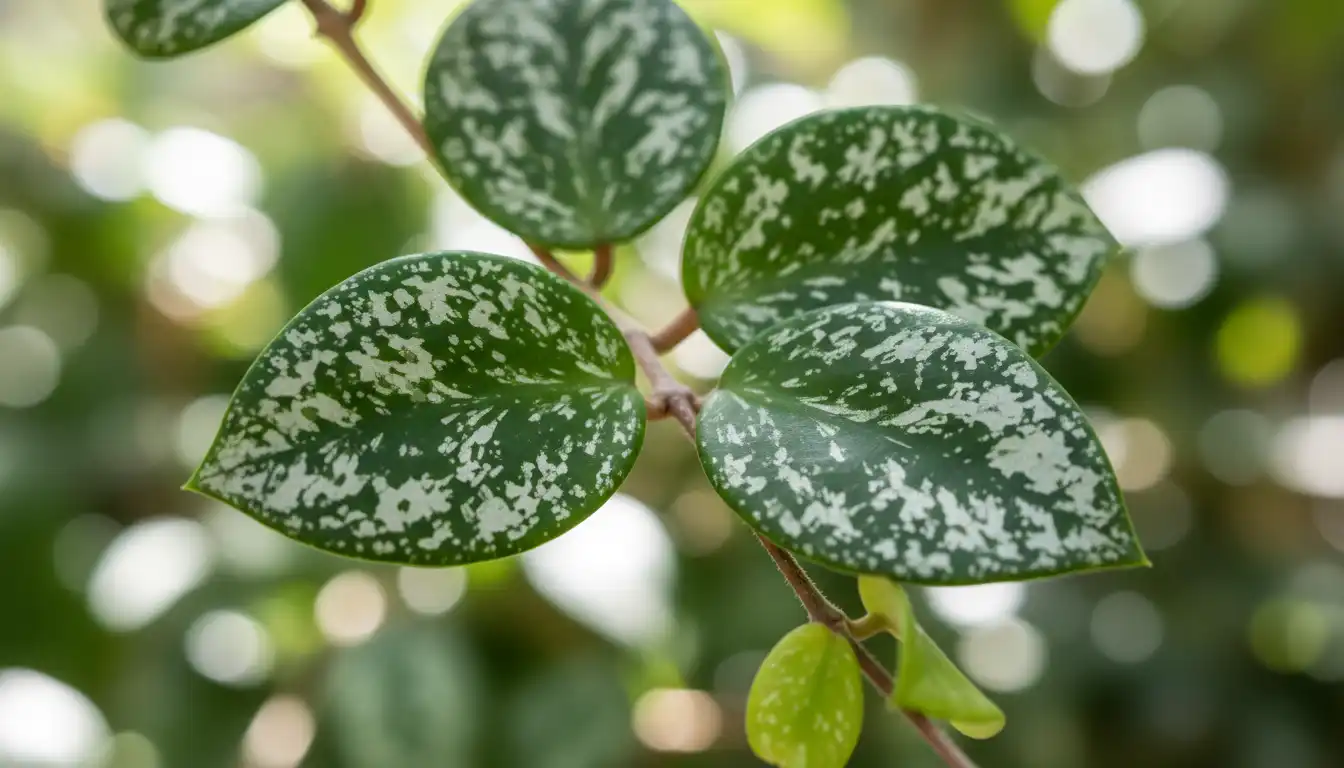
The Hoya Wilbur Graves is a showstopper, captivating plant enthusiasts with its thick, waxy leaves generously adorned with silvery splashes. For many collectors, the ultimate goal is to achieve the most dramatic and extensive silver variegation possible. However, a confusing debate often surfaces in online forums and collector circles: the distinction between “Hoya Wilbur Graves China” and “Hoya Wilbur Graves Russia.” This elusive naming convention has left many growers wondering if they are two distinct plants and, more importantly, if one holds the secret to that coveted, heavy silver splash.
This article will demystify the “China vs. Russia” debate, revealing that the key to stunning foliage lies not in a specific, hard-to-find variant, but in understanding the plant’s genetics and providing meticulous care. We will explore the common problems that lead to diminished splash and provide actionable solutions to help your Hoya Wilbur Graves reach its full, spectacular potential, regardless of its supposed origin.
You'll Learn About
The Great Debate: Demystifying the “China” vs. “Russia” Myth
The core of the problem for many Hoya lovers is the confusion surrounding the “China” and “Russia” labels. The Hoya Wilbur Graves is a cultivar of Hoya carnosa, selected specifically for its beautiful silvery markings. The informal names “China” and “Russia” arose within the collector community to differentiate between imports from different regions or mother plants. Some growers claim the “Russia” clone has more elongated leaves, while the “China” clone features rounder, smaller leaves. However, many seasoned collectors have observed that a single plant can produce leaves with all these characteristics, suggesting the difference is not genetically distinct.
The consensus among many experts is that these are not separate, officially recognized cultivars but rather different clones or lineages of the same plant. The perceived differences are often attributable to environmental conditions, the maturity of the plant, and the genetics of the specific cutting. Instead of searching for a “superior” version, the focus should be on starting with a healthy cutting from a plant with strong silver splash and providing optimal growing conditions. This approach empowers you to influence your plant’s appearance through care, not by chasing a label.
What *Really* Determines Your Hoya’s Silver Splash?
Losing the beautiful silver splash is a common frustration among Hoya Wilbur Graves owners. A cutting that starts with heavy variegation may begin producing greener leaves, a phenomenon known as reversion. This issue isn’t about having the “wrong” plant; it’s about not providing the right conditions to support and encourage that delicate silver splash. Understanding the true drivers of variegation is the first step toward solving this problem.
Several key factors work together to determine the intensity of the silver markings on your Hoya Wilbur Graves. Genetics are the foundation; a cutting from a plant with historically high splash is more likely to produce splashy leaves itself. Beyond genetics, light is the most critical environmental factor. Inadequate or improper light is a primary cause of splash loss. Additionally, temperature, humidity, and proper nutrition all play significant roles in the plant’s overall health and its ability to produce vibrant foliage.
The Ultimate Grower’s Guide to Epic Wilbur Graves Variegation
Achieving and maintaining the breathtaking silver splash on a Hoya Wilbur Graves is a rewarding process that requires attention to detail. The solution lies in a holistic approach that optimizes every aspect of its environment. From light and water to the very soil it grows in, each element can be fine-tuned to encourage the stunning variegation this plant is known for.
By moving beyond the “China vs. Russia” myth and focusing on these controllable factors, any grower can unlock their plant’s potential. This guide provides the specific, actionable steps needed to create the perfect conditions for a healthy and spectacularly splashed Hoya Wilbur Graves.
Mastering the Light Factor
Light is paramount for vibrant splash. Hoya Wilbur Graves thrives in bright, indirect light. An east-facing window that provides gentle morning sun is often ideal. While it can tolerate lower light levels, its growth will be stunted, and the signature silver markings will fade.
Conversely, direct, harsh sunlight, especially from a south or west-facing window, can scorch the leaves. If using grow lights, be mindful of their intensity. Many growers find success with T5 bar lights, as overly powerful bulbs can sometimes burn the leaves or, paradoxically, cause the plant to produce greener foliage. The goal is a long duration of consistent, bright, but not intense, light.
Humidity and Watering: The Unsung Heroes
As epiphytic plants native to Southeast Asia, Hoyas appreciate high humidity. Aim for humidity levels above 60% if possible. Using a humidifier, grouping plants together, or placing the pot on a tray of pebbles and water can help create a more suitable microclimate. This mimics their natural environment and supports robust, healthy growth.
Proper watering is equally crucial. Hoyas are susceptible to root rot, so it’s essential to let the soil dry out between waterings. Water thoroughly only when the top inch or two of the soil feels dry. Always use a pot with drainage holes and a well-draining potting mix, typically containing orchid bark, perlite, and coco coir, to ensure excess water can escape easily.
Soil and Feeding: The Right Foundation
The right soil mix is the foundation of a healthy Hoya. These plants hate “wet feet” and require a light, airy, and well-draining medium. A chunky mix is ideal because it allows for excellent airflow to the roots, mimicking how they grow on trees in the wild. You can create your own by combining potting soil with amendments like perlite, orchid bark, or coco coir.
During the growing season (spring and summer), feed your Hoya Wilbur Graves to support foliage development. Use a balanced, water-soluble fertilizer diluted to half-strength once a month. Formulations with a higher nitrogen number (the “N” in N-P-K) can be beneficial for leaf growth. Avoid fertilizing during the fall and winter when the plant is in a dormant period.
Pruning and Support: Encouraging Fuller, Splashier Growth
Strategic pruning can be a powerful tool for managing variegation. If you notice your plant producing a vine with significantly less splash, don’t be afraid to cut it back to the last node that had highly variegated leaves. This can encourage the plant to activate a new growth point, hopefully one that carries the strong splash genetics. This technique is essential for preventing the plant from fully reverting to green.
As a natural climber, the Hoya Wilbur Graves also benefits from a support structure like a trellis or moss pole. Providing support encourages upward growth and can lead to a fuller, more robust plant. This is more than just an aesthetic choice; a well-supported plant is often a healthier and more vigorous grower. Sometimes, ensuring all parts of the home are in top shape, including functional elements like a fire rated pet door for garage, contributes to a stable and well-maintained growing environment.
| Factor | Condition for High Splash | Condition for Low Splash (Reversion) |
|---|---|---|
| Genetics | Cutting taken from a mother plant with consistent, heavy silver splash. | Cutting taken from a plant with weak or unstable variegation. |
| Light | Bright, indirect light for 12+ hours daily (e.g., east-facing window or grow lights). | Low light or, conversely, overly intense direct sun that burns leaves. |
| Watering | Water thoroughly only when the top 1-2 inches of soil are dry. | Overwatering, leading to root rot and stress, or chronic underwatering. |
| Soil | Chunky, airy, well-draining mix (orchid bark, perlite, coco coir). | Heavy, water-retentive potting soil that suffocates roots. |
| Humidity | Consistently high humidity (60%+). | Dry, low-humidity environment. |
| Pruning | Reverted green stems are pruned back to a highly splashed node. | Green vines are left to grow, allowing reversion to continue. |
Common Problems and Proactive Solutions
Even with perfect care, growers can encounter issues. One of the most insidious problems for Hoya owners is stunted growth, where a plant simply refuses to produce new leaves for months. This is often caused by microscopic pests called flat mites, which damage new growth points. Treating the plant with a sulfur-based spray can eliminate these pests and allow growth to resume.
Yellowing leaves can be another concern. This is most frequently a sign of overwatering and potential root rot. If you suspect this, immediately check the roots. Healthy roots are firm and white; rotted roots will be dark, soft, and mushy. Trim any rotted portions and repot in fresh, chunky soil. When considering maintenance, a proactive mindset helps, whether it’s comparing the efficiency of machine parts, like in an mmr vs rmr analysis, or ensuring your gardening tools, like those from a reliable brand discussed in an ariens st 2 2 review, are ready for the job.
Beyond the Myth: A Stunning Hoya for Every Home
The Hoya Wilbur Graves, with its paint-splattered leaves, remains a prized collector’s plant for a reason. While the “China vs. Russia” debate adds a layer of mystique, it ultimately distracts from what truly matters. The secret to a stunning specimen doesn’t lie in a name or a supposed origin but in the hands of a dedicated grower.
By focusing on strong genetics, providing optimal light, and mastering watering and humidity, you can directly influence the beauty of your plant. Understand that its variegation is a dynamic trait, not a static one, and use techniques like pruning to guide its growth. Embrace the process, and you will be rewarded with a spectacular Hoya Wilbur Graves that is a testament to your care and expertise.