
Hoya Polyneura Flower Smell: Unlocking the Truth Behind Its Elusive Scent
You’ve nurtured your Hoya polyneura, admiring its unique fishtail-like leaves, and waited patiently for the moment of truth: the blooms. But when they finally arrive, a perplexing question arises. What are they supposed to smell like? The internet offers a confusing mix of answers, leaving many plant owners wondering if their plant is normal or if they are missing something.
This guide confronts the mystery head-on. We will delve into the enigmatic world of the Hoya polyneura’s fragrance, exploring why one person detects a sweet perfume while another smells nothing at all. More importantly, we provide a clear, actionable roadmap to encourage your plant to flower, so you can experience its unique aroma for yourself.
You'll Learn About
The Enigmatic Aroma: What Does Hoya Polyneura Really Smell Like?
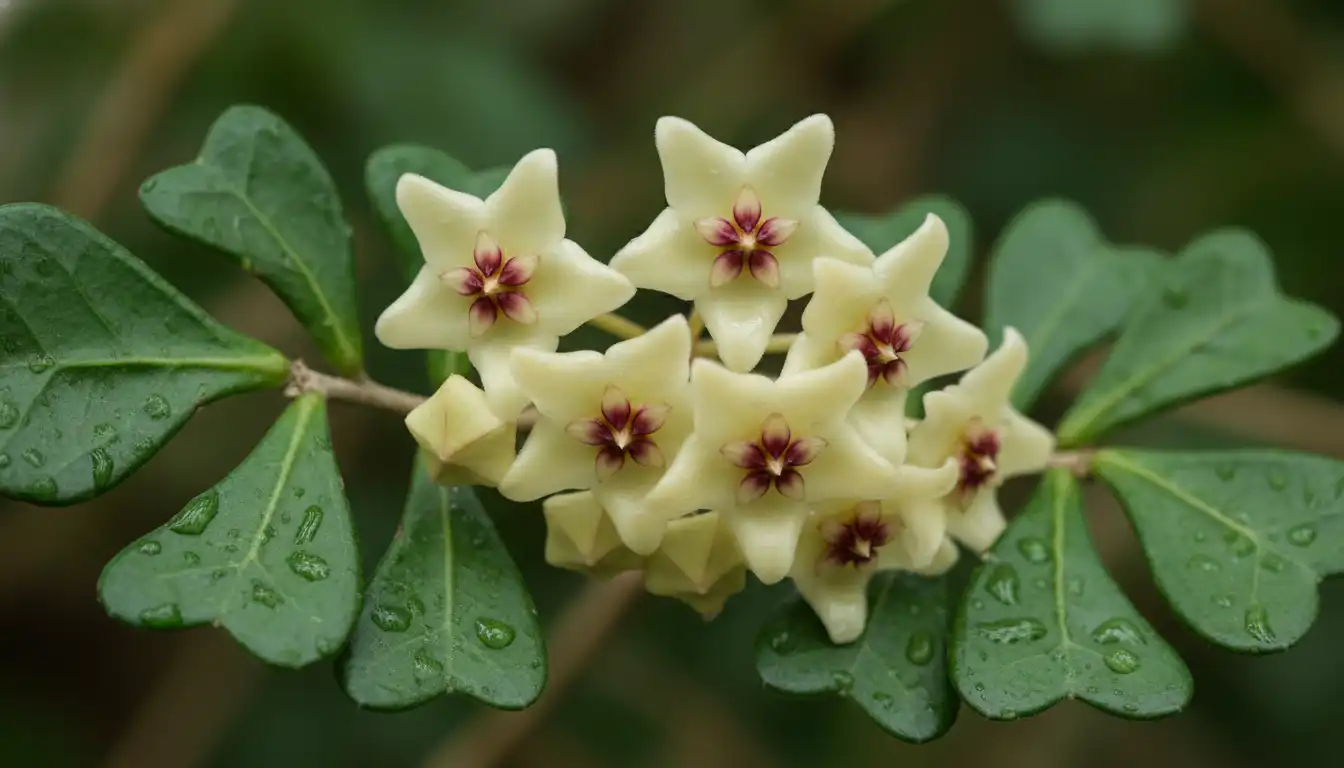
The scent of the Hoya polyneura, often called the Fishtail Hoya, is one of the most debated topics among hoya enthusiasts. Unlike the powerful, room-filling fragrances of some cousins like Hoya lacunosa, the polyneura’s scent is notoriously subtle and variable. Describing it is challenging because experiences differ so dramatically.
Many growers report a complete lack of scent, even when placing their nose directly in the flowers. Others describe it as a very faint, mild, or vague perfume that is hard to pin down. This subtlety is a key characteristic of the plant’s blooms.
A Symphony of Scents: Common Fragrance Profiles
For those who do detect a fragrance, the descriptions are incredibly diverse. The most commonly reported notes are fresh, clean, and slightly floral. Some people notice a light, sweet smell, occasionally with hints of honey or citrus.
More unusual descriptions have also emerged from various online forums and discussions. Hobbyists have reported scents resembling cinnamon, fresh-cut grass, and even slightly musky or acidic tones. This wide spectrum highlights that the scent is not only faint but also complex and highly subjective.
The Scent That Isn’t There: Why You Might Not Smell Anything
Several factors can explain why you might not be able to smell your Hoya polyneura’s flowers. The most common reason is simply the inherent faintness of the fragrance. It is not a powerful aroma that perfumes an entire room.
Timing is also crucial. Many hoya species release their strongest scent in the evening and early morning to attract nocturnal pollinators. If you’re checking during the middle of the day, you may miss the peak fragrance window. Individual differences in sense of smell also play a significant role; some people are naturally more sensitive to certain scent compounds than others.
Unlocking the Fragrance: Your Ultimate Guide to Encouraging Blooms
The only way to experience the Hoya polyneura flower smell is to get the plant to bloom in the first place. This requires mimicking its natural habitat in the Himalayas. These hoyas have specific needs that, when met, will reward you with their beautiful, star-shaped flowers.
Achieving consistent blooming is not about a single secret trick but rather about providing a stable and correct environment. From light to fertilizer, each element plays a critical role in signaling to the plant that it is time to reproduce.
Mastering the Light: The #1 Factor for Flowers
Proper lighting is the most critical component for encouraging a Hoya polyneura to bloom. While it can tolerate lower light conditions, it will not flower without sufficient bright, indirect light. Placing your plant near an east-facing window is often ideal, as it receives gentle morning sun that isn’t harsh enough to scorch the leaves.
A south or west-facing window can also work, but you may need to diffuse the light with a sheer curtain to prevent sunburn. If your plant’s vines appear to be shrinking back or the leaves are losing their vibrant green color, it’s a clear sign it needs more light.
The Perfect Drink: Watering for Scented Success
Watering is a delicate balance. Hoya polyneura does not like to dry out completely, but it is also highly susceptible to root rot from overwatering. The best practice is to wait until the top inch or two of the soil is dry before watering thoroughly.
During the active growing seasons of spring and summer, your plant will need more frequent watering to support growth and blooming. Ensure your pot has excellent drainage, and never let the plant sit in a saucer of excess water. Inconsistent watering can stress the plant and cause it to drop any buds it may be forming.
Creating a Humid Haven: Replicating Its Native Environment
Originating from the Himalayas, Hoya polyneura thrives in higher humidity levels, ideally above 60%. Low humidity is a common reason for a healthy-looking plant to refuse to bloom. If your home’s air is dry, consider using a humidifier or placing the plant on a pebble tray filled with water.
Grouping it with other plants can also help create a more humid microclimate. A bright, well-ventilated bathroom can be an excellent location for this hoya, as the steam from showers provides a consistent source of humidity.
The Right Foundation: Soil and Potting Insights
As an epiphyte, Hoya polyneura grows on other trees in its natural habitat, meaning its roots need excellent air circulation. Use a very chunky, well-draining soil mix. A high-quality mix for orchids or a custom blend of potting soil, perlite, and orchid bark works well.
Hoyas also prefer to be slightly root-bound, as this condition encourages them to put energy into flowering rather than developing a larger root system. Avoid repotting too frequently. Only move it to a pot that is one size larger when it has become completely pot-bound.
Feeding for Flowers: A Strategic Approach to Fertilizer
To bloom, your Hoya polyneura needs the right nutrients. During spring and summer, feed it with a balanced liquid fertilizer every month. Some growers have success switching to a “bloom booster” fertilizer with a higher phosphorus content to encourage flower production.
Pale or yellowing leaves can be a sign that the plant is hungry for more nutrients. However, be careful not to over-fertilize, which can harm the plant. Always follow the dilution instructions on the product label.
Troubleshooting Common Hoya Polyneura Flowering Problems
Even with the best care, you might encounter issues. Understanding the common problems can help you diagnose and fix them quickly, getting your plant back on track to blooming. Patience is key, as some plants simply need more time to mature.
A plant’s refusal to flower is its way of communicating that one of its core needs is not being met. By systematically reviewing its conditions, you can identify the underlying cause.
Why Won’t My Mature Plant Bloom?
If your Hoya polyneura is several years old and has never flowered, light is the most probable culprit. It is likely not receiving enough bright, indirect light to have the energy reserves needed for blooming. Try moving it to a brighter location for a few months to see if new peduncles form.
Another factor is temperature. Being a cool-growing hoya, it often initiates blooming in response to cooler nighttime temperatures, especially in the fall. An environment that is too hot or has no temperature fluctuation between day and night can inhibit flowering.
Why Are the Buds Falling Off?
Bud blast, or the dropping of buds before they open, is incredibly frustrating. This is almost always caused by a sudden change in the plant’s environment. Common triggers include abrupt changes in watering, a sudden drop in humidity, or moving the plant to a new location.
Overwatering or underwatering are also frequent causes. Maintain a consistent care routine once you see buds forming, and avoid moving the plant to ensure the buds have the stable conditions they need to develop and open fully.
| Problem | Potential Cause | Solution |
|---|---|---|
| No Flowers on a Mature Plant | Insufficient Light | Move to a location with brighter, indirect light, such as an east-facing window. |
| Yellowing Leaves | Overwatering or Lack of Nutrients | Allow soil to dry more between waterings and fertilize monthly during the growing season. |
| Flower Buds Drop Before Opening | Environmental Stress or Inconsistent Watering | Maintain a consistent watering schedule and avoid moving the plant or changing its conditions. |
| Wrinkled or Limp Leaves | Underwatering | Water thoroughly and check the soil more frequently. Don’t let it stay completely dry for long. |
| No Scent from Blooms | Time of Day or Natural Subtlety | Check for fragrance in the evening or early morning; accept that the scent is naturally very faint. |
Beyond the Basics: Advanced Tips for Prolific Blooms
Once you have mastered the fundamental care requirements, you can employ more advanced techniques to encourage even more prolific flowering. These methods focus on creating the specific environmental triggers that stimulate reproduction in Hoya polyneura.
These strategies require a bit more attention to detail but can make the difference between a plant that blooms sporadically and one that produces a reliable show of flowers year after year. Sometimes, after a long project, deciding on new flooring is the next step; you can check out some hydrocork flooring reviews to see if it fits your home’s aesthetic.
The Importance of Temperature Differentials
Hoya polyneura originates from cooler climates in the Himalayas and is sensitive to temperature. It generally thrives in temperatures between 50-77°F (10-25°C). Critically, it often requires cooler nighttime temperatures to set buds, mimicking the natural drop in temperature that occurs after sunset in its native habitat.
If your plant is kept in a room with a constant temperature day and night, it may not receive the signal to flower. Allowing the temperature to drop by a few degrees at night, especially during the autumn, can be a powerful bloom trigger. Thinking about redecorating the room your plants are in might lead you to wonder how much painters charge to move furniture, a practical consideration for any home refresh.
Strategic Neglect and Stress-Induced Flowering
Sometimes, a little stress is a good thing. For many hoyas, a period of mild, controlled stress can shock them into reproductive mode. This often involves reducing watering for a short period at the end of winter to simulate a dry season.
When you resume regular watering as spring approaches, the plant may respond by producing peduncles. This technique should be used with caution, as severe or prolonged stress will damage the plant. It’s a fine line between beneficial stress and harmful neglect.
The Unspoken Variable: Plant Maturity
Finally, it’s essential to have realistic expectations regarding the age of your plant. Most hoya species, including polyneura, will not bloom until they have reached a certain level of maturity. This can often take anywhere from two to five years.
If you have a young plant or a small cutting, the best approach is patience. Focus on providing excellent care to encourage strong vegetative growth. Once the plant is large and mature enough, and its environmental needs are met, it will reward you with its elusive and uniquely scented flowers.
