
Hoya Microphylla Care: Your Tiny Plant’s Big Secrets to Lush Growth
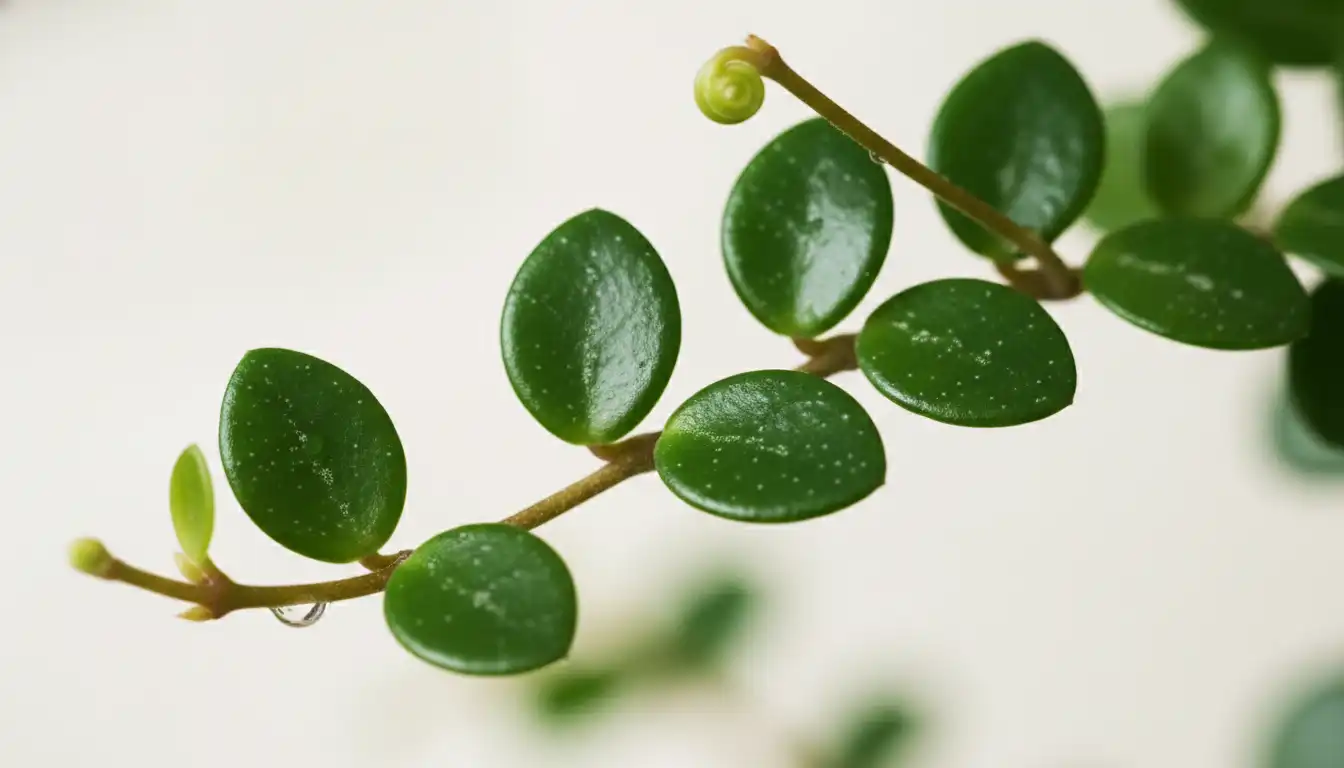
Delicate, charming, and endlessly fascinating, the Hoya microphylla captures the hearts of plant enthusiasts with its tiny, intricate leaves. Yet, this same delicate nature is the source of a common, frustrating problem for many home gardeners. Owners often find themselves staring at a plant that refuses to grow, sheds its precious leaves, or succumbs to a sudden decline, leaving them wondering where they went wrong.
The core issue isn’t that Hoya microphylla is an impossible plant; it’s that its needs are incredibly specific. Unlike its more robust cousins, this species offers little room for error. The frustration of watching this miniature marvel fail to thrive is a pain point felt across countless online forums and gardening groups, but the solution lies in a precise understanding of its unique requirements.
You'll Learn About
Decoding the Distress: Why Hoya Microphylla Struggles Indoors
To solve the problems plaguing your Hoya microphylla, one must first understand its origins. Native to the forests of New Guinea, this plant is an epiphyte, meaning it naturally grows on other trees, not in dense soil. Its roots are adapted for clinging to bark, receiving quick bursts of moisture and plenty of air circulation. This is the fundamental piece of the puzzle that many growers miss.
The Overwatering Catastrophe: A Plant’s Worst Enemy
The most common and fatal mistake is overwatering. Hoya microphylla’s fine, delicate roots are not designed to sit in soggy soil. When the potting medium retains too much water, the roots are deprived of oxygen and begin to decay, leading to the dreaded root rot. The initial signs are often subtle, starting with yellowing leaves that feel soft or mushy before they drop.
This issue is compounded by improper soil. A standard, all-purpose potting mix is a death sentence for this plant. It’s too dense, holds moisture for far too long, and compacts over time, effectively suffocating the root system that craves air.
Light and Temperature: A Delicate Balancing Act
Finding the right light exposure is another significant challenge. While this Hoya needs bright light to fuel its growth and eventually flower, direct, harsh sunlight will quickly scorch its tiny, leathery leaves. Conversely, insufficient light will lead to stalled growth, a leggy appearance, and a complete lack of blooms. It’s a “Goldilocks” scenario where the conditions must be just right.
Temperature fluctuations can also cause stress, leading to leaf drop. As a tropical plant, it prefers stable, warm conditions and can react poorly to sudden drafts from windows or vents. These environmental stressors, though seemingly minor, can halt a plant’s progress for months.
Your Blueprint for a Thriving Hoya Microphylla
Transforming a struggling Hoya microphylla into a vibrant, thriving specimen is entirely achievable with a targeted care strategy. The solution is to meticulously replicate its natural epiphytic environment within the confines of your home. This means focusing on three core pillars: an ultra-airy potting mix, a precise watering technique, and the perfect placement for light and air.
Crafting the Perfect Airy Soil Mix: The Foundation of Success
Forget traditional potting soil. The single most important factor for success is a potting medium that is extremely chunky and well-draining. Your goal is to create a substrate that water flows through quickly, allowing the roots to breathe. A proven recipe involves combining materials that create large air pockets.
A highly effective mix consists of two parts orchid bark, one part perlite, and one part coco coir or coco husk chips. The orchid bark and coco husk provide the chunky structure, while the perlite ensures excellent aeration. This blend prevents water from logging at the roots and mimics the debris-filled crevices of a tree trunk where it would naturally grow.
Mastering the Art of Watering: Less is More
With the right soil mix in place, your watering routine becomes much more forgiving. The key is to allow the soil to dry out completely between waterings. Do not water on a fixed schedule. Instead, assess the plant’s needs by lifting the pot to feel its weight or by using your finger to check the moisture level deep within the soil.
When you do water, do so thoroughly. Let water run through the pot until it freely escapes the drainage holes. Afterward, ensure you discard any excess water from the saucer. This method ensures the roots are hydrated without being left to sit in a pool of stagnant water.
The “Goldilocks Zone” for Light, Humidity, and Airflow
Place your Hoya microphylla where it will receive several hours of bright, indirect light each day. An east-facing window that gets gentle morning sun is often ideal. A west or south-facing window can also work, but the light should be filtered through a sheer curtain to prevent leaf burn.
This plant appreciates higher humidity levels, ideally around 50-60%. If your home is dry, grouping it with other plants or placing it on a pebble tray can help. However, what is often overlooked is the critical importance of air circulation. Gentle air movement helps prevent fungal issues and mimics the breezy conditions of its native treetop habitat. A small, oscillating fan in the room can make a significant difference, especially in humid environments.
Feeding Your Miniature Marvel: A Gentle Approach
Hoya microphylla is not a heavy feeder. During the growing season (spring and summer), you can fertilize it once a month with a balanced houseplant fertilizer diluted to half-strength. Over-fertilizing can burn the delicate roots and do more harm than good. In the fall and winter, when growth naturally slows, cease fertilizing altogether.
After you’ve tended to your plant, you might start planning your next home improvement task. Knowing details like Emerald paint dry time is crucial for managing your projects effectively and keeping your home environment stable for both you and your plants.
Troubleshooting Common Hoya Microphylla Heartaches
Even with the best care, problems can arise. Recognizing the signs early and knowing how to react is key to keeping your plant healthy. From yellowing leaves to a stubborn refusal to grow, most issues can be traced back to a handful of correctable causes.
Here is a quick guide to diagnosing and solving the most common problems you might encounter with your Hoya microphylla.
| Problem | Likely Cause | Actionable Solution |
|---|---|---|
| Yellow, Mushy Leaves | Overwatering / Root Rot | Immediately stop watering. Check roots; if brown and mushy, trim them and repot in a fresh, airy mix. |
| Wrinkled, Shriveling Leaves | Underwatering | Water the plant thoroughly, allowing the soil to become fully saturated. The leaves should plump up within a day. |
| Stunted or No Growth | Insufficient Light or Root-Bound | Move the plant to a location with brighter, indirect light. If it has been in the same small pot for years, check if it’s root-bound and repot if necessary. |
| Brown Crispy Leaf Edges | Low Humidity or Sun Scorch | Increase ambient humidity with a pebble tray or humidifier. Move the plant away from direct, intense sunlight. |
| White, Cottony Spots on Leaves/Stems | Mealybugs | Isolate the plant. Dab the pests with a cotton swab dipped in rubbing alcohol and treat the plant with insecticidal soap or neem oil. |
“My Hoya Microphylla Isn’t Growing!” Unlocking Stagnation
One of the most frequent complaints is a complete lack of new growth. This is almost always related to the plant’s environment. The first step is to assess the lighting. A Hoya that is not receiving enough energy from sunlight will remain in a dormant state. A move to a brighter location can often shock it into producing new vines and leaves.
If lighting is adequate, the culprit may be the roots. A plant that has been in the same pot for a very long time might be severely root-bound, with no space left to expand. Conversely, a small cutting in a massive pot will focus all its energy on filling the pot with roots before it even considers producing foliage. Ensure the pot size is appropriate—Hoyas prefer to be slightly snug in their pots.
Unlocking the Blooms: How to Encourage Flowering
Getting a Hoya microphylla to flower is the ultimate reward for excellent care. Flowering is typically triggered by a combination of maturity, bright light, and slight environmental stress. A plant generally needs to be a few years old before it is ready to bloom. Providing it with ample bright, indirect light is non-negotiable for flower production.
Many growers find that allowing the plant to become slightly root-bound can encourage flowering. This mild stress signals the plant to enter its reproductive phase. Be patient, as flowering can be infrequent, but consistent, proper care is the surest way to be graced with its beautiful, star-shaped blooms.
Advanced Care: Propagation and Pruning
Once you’ve mastered the basics of care, you can expand your collection by propagating new plants or prune your existing one to encourage a fuller, more lush appearance. These simple techniques can elevate your experience with this charming species.
Multiplying Your Marvel: A Simple Guide to Propagation
Hoya microphylla is surprisingly easy to propagate from stem cuttings. This is a fantastic way to create new plants to share or to serve as a backup in case the mother plant encounters issues. The best time to take cuttings is during the active growing season.
Select a healthy vine and, using clean, sharp scissors, take a cutting that has at least two nodes (the points where leaves emerge from the stem). You can root the cutting in water or a moist medium like sphagnum moss or perlite. Place the cutting in a warm, bright location, and roots should begin to form within a few weeks. Just as you would want to know if are Samsung stoves reliable before investing in a new appliance, taking a moment to propagate your prized plant is a wise investment in its future.
Pruning and Training for a Fuller Plant
While not strictly necessary, light pruning can stimulate your Hoya to branch out, resulting in a denser plant. Trimming a long, leafless vine can encourage new growth points to activate further down the stem. You can also train the vines to climb a small trellis, which mimics their natural growth habit and can promote healthier development.
A Plant Worth the Precision
The journey with Hoya microphylla is one of precision and patience. Its reputation for being difficult stems not from a fragile disposition, but from a set of very specific needs that diverge from the average houseplant. By providing it with an exceptionally airy soil mix, mastering a careful watering routine, and placing it in the perfect spot for light and air, you can solve the common problems that plague so many owners.
Embrace its unique requirements, and you will be rewarded with a stunningly beautiful plant that is a true testament to your gardening skill. This miniature marvel is more than just a plant; it’s a delightful challenge that offers immense satisfaction once you unlock its secrets to thriving.
