
How to Vent a Plastic Greenhouse: Stop Killing Your Plants!
A plastic greenhouse feels like a gardener’s dream, a personal slice of summer all year round. Yet, that dream can quickly turn into a nightmare of wilted, disease-ridden plants. The culprit is often an invisible enemy: trapped heat and suffocating humidity.
Without proper ventilation, your polyethylene paradise becomes a pressure cooker. Understanding how to vent a plastic greenhouse is not just a best practice; it is the single most critical factor for success. This guide provides the definitive solution to mastering airflow and ensuring your plants don’t just survive, but thrive.
You'll Learn About
Why Your Plastic Greenhouse Is a Death Trap Without Vents
The very feature that makes a greenhouse work—the “greenhouse effect”—is also its greatest weakness. Solar radiation enters through the plastic, warms the interior, and the heat becomes trapped. This leads to a cascade of problems that can wipe out your crops with surprising speed.
Failing to manage this environment creates a hostile space for plants. It’s a common and costly mistake for enthusiastic gardeners.
The Scourge of Extreme Heat Stress
On a mild sunny day, the temperature inside an unvented plastic greenhouse can soar 30°F (15°C) or more above the outside temperature. This intense heat scorches leaves, stunts growth, and can cause flowers and fruit to drop prematurely. Plants shut down their essential processes, like photosynthesis, just to survive.
Prolonged heat stress is a death sentence for most common garden vegetables and flowers. It weakens them significantly, making them vulnerable to other issues.
Humidity and the Fungal Invasion
Trapped heat also means trapped moisture. As plants transpire, they release water vapor, pushing the relative humidity to 90% or higher. This stagnant, damp air is the perfect breeding ground for devastating fungal diseases like powdery mildew, botrytis, and damping-off disease.
Proper air circulation is your number one defense against these pathogens. It dries the foliage and prevents spores from settling and germinating on your plants.
The Critical Need for CO2 and Pollination
Plants breathe in Carbon Dioxide (CO2) to grow. In a sealed greenhouse, the available CO2 is quickly depleted, causing growth to grind to a halt. Opening vents flushes the interior with fresh, CO2-rich air.
Furthermore, many plants rely on wind or insects for pollination. A lack of airflow means pollen doesn’t move effectively, leading to a poor harvest, especially for crops like tomatoes and peppers.
Mastering Greenhouse Airflow: Your Ventilation Toolkit
Effective ventilation is about creating a consistent and gentle exchange of air. You need to let hot, stale, humid air out while drawing cool, fresh, CO2-rich air in. This can be achieved through two primary methods: passive and active ventilation.
The best strategy often involves a combination of both. Your choice will depend on your greenhouse size, budget, and local climate.
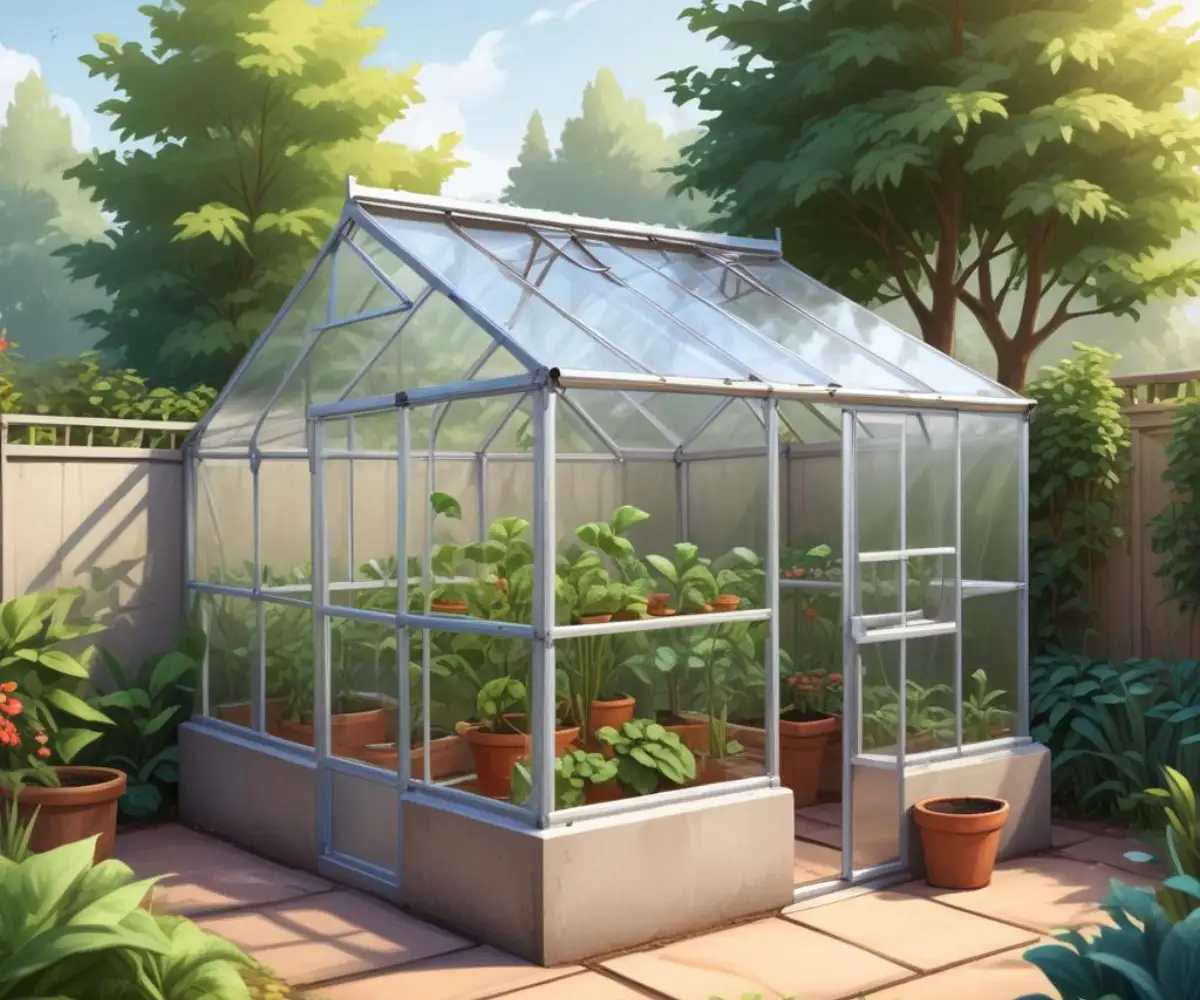
Passive Ventilation: Letting Nature Do the Work
Passive ventilation uses natural forces—namely wind and the principle that hot air rises—to move air. It requires no electricity and is the most cost-effective solution. For most home gardeners, a robust passive system is all that’s needed.
The key is having openings at different heights. This creates a natural “chimney effect,” where cool air enters through low vents and hot air is pushed out through high vents.
Common passive options include roof vents, side vents, and simply opening the doors. Many greenhouse kits come with these built-in, but they can also be added. Even creating custom door solutions, perhaps borrowing ideas from unconventional openings like large bifold doors, can dramatically increase airflow for walk-in structures.
Active Ventilation: Mechanical Air Movement
Active ventilation uses fans to physically force air in or out of the greenhouse. This method offers precise control over the environment and is essential for larger greenhouses or those in very hot climates. It requires electricity and a greater initial investment.
Exhaust fans are the cornerstone of active ventilation. Installed high on a wall, they pull hot air out, creating negative pressure that draws fresh air in through a lower intake vent on the opposite wall. This ensures a complete air exchange.
In addition to exhaust fans, horizontal airflow (HAF) or circulation fans are crucial. These fans don’t vent air but simply move it around inside the greenhouse. This prevents stagnant pockets of humid air, ensures even temperatures, and strengthens plant stems.
The Ultimate Greenhouse Ventilation Strategy
Achieving the perfect greenhouse climate isn’t about choosing one method; it’s about creating a smart system. Follow these steps to design a ventilation plan that guarantees success and protects your plants from the elements.
This systematic approach removes the guesswork. It allows you to build a reliable system that works for your specific setup.
Step 1: Assess Your Greenhouse and Climate
First, calculate the volume of your greenhouse in cubic feet (Length x Width x Height). This number is crucial for sizing an exhaust fan. Fan capacity is measured in Cubic Feet per Minute (CFM), and you should aim for a fan that can exchange the entire volume of air in your greenhouse every one to two minutes.
Also, consider your climate. A gardener in a hot, sunny region will need a far more aggressive ventilation strategy than someone in a cooler, overcast area.
Step 2: Compare and Select Your Methods
Use your assessment to choose the right combination of tools. For a small hobby greenhouse, roll-up sides and a roof vent might be sufficient. A larger structure in a warm climate will likely require an exhaust fan in addition to passive vents.
The goal is to create consistent cross-ventilation. Always ensure you have both an entry point and an exit point for the air.
| Ventilation Method | Pros | Cons | Best For |
|---|---|---|---|
| Roof Vents | Excellent for releasing hot air; Can be automated; No electricity needed. | Can be expensive to retrofit; May not be enough on their own. | Almost all greenhouses; Essential for passive heat removal. |
| Roll-Up Sides | Provides massive airflow; Excellent temperature control; Simple DIY option. | Less secure against pests; Manual operation (unless motorized). | Hoop houses and polytunnels; Hot climates. |
| Louvered Vents | Can be automated; Provides an air intake; More secure than open windows. | Limited airflow compared to larger openings; Requires framing. | Pairing with an exhaust fan as a dedicated air intake. |
| Exhaust Fan System | Powerful and reliable air exchange; Precise temperature control with a thermostat. | Requires electricity; Higher initial cost; Can be noisy. | Large greenhouses (>150 sq ft) or hot climates. |
| Circulation (HAF) Fans | Eliminates hot/cold spots; Strengthens plant stems; Dries foliage to prevent disease. | Requires electricity; Does not remove hot air, only moves it. | All greenhouses, especially those over 10 feet long. |
Step 3: Strategic Placement for Maximum Airflow
Where you place your vents and fans is just as important as which ones you choose. To create a natural convection current, intake vents (louvers, open windows, or lower side vents) should be placed low to the ground. Your exhaust vents or fans should be placed as high as possible on the opposite wall.
This setup ensures the cool, incoming air travels across the entire length of the greenhouse, pushing the hot, stale air up and out. Circulation fans should be mounted above plant level, aimed to create a gentle, circular airflow pattern down one side and back up the other.
Step 4: Embrace Automation
The biggest challenge with manual ventilation is inconsistency. Forgetting to open vents on a hot morning can be fatal for your plants. Automation provides peace of mind and optimal growing conditions.
Thermostatically controlled exhaust fans will turn on only when needed. Automatic vent openers for roof vents use a wax-filled cylinder that expands with heat to push the vent open, requiring no electricity. These simple devices are a game-changer for passive ventilation.
Advanced Strategies the Pros Use
Beyond the basics, a few extra techniques can elevate your greenhouse environment from good to perfect. These strategies work in synergy with your primary ventilation system to offer another layer of control and protection for your plants.
Integrating these methods demonstrates a deeper understanding of greenhouse climate management.
The Power of Shade Cloth
Sometimes, even excellent ventilation can’t keep up with intense solar radiation. A shade cloth is a specially designed fabric that covers the greenhouse and blocks a percentage of sunlight, typically from 30% to 60%. This is the single most effective way to reduce the peak temperature inside.
Using shade cloth in conjunction with ventilation is the ultimate defense against summer heat. It reduces the overall heat load, making your vents and fans much more effective.
Contrasting Goals: Venting vs. Sealing
It’s crucial to understand that managing a greenhouse climate is a balancing act. In summer, the goal is maximum ventilation to release heat. In winter, the goal is often the opposite: sealing air gaps to retain warmth, a concept similar to the principles used when insulating Keter sheds to prevent heat loss.
The key is having a versatile structure. A system with sealable vents and doors gives you the control to adapt to the changing seasons effectively.
DIY Ventilation Solutions
You don’t always need an expensive kit to ensure good airflow. For hoop houses or simple framed structures, you can install vents using basic materials. Cutting a flap in the plastic and reinforcing the edges with tape can serve as a simple roll-up window.
Building a greenhouse from scratch, or even undertaking a project like deciding to turn a metal shed into a greenhouse, forces you to plan for ventilation from the very beginning. Thinking about airflow at the design stage is always easier than retrofitting later.
Fatal Ventilation Mistakes to Avoid
Many gardeners invest in a greenhouse but fail at ventilation. Avoid these common pitfalls that sabotage an otherwise healthy garden.
Being aware of these errors can save you from a lot of frustration and dead plants.
1. No Air Intake: Installing an exhaust fan without a dedicated intake vent is a frequent error. The fan will struggle to pull air, work inefficiently, and may burn out. Always provide an opening for fresh air to enter.
2. Undersized Equipment: A small, cheap fan in a large greenhouse won’t make a difference. Do the math, calculate your cubic footage, and invest in a fan rated for the job. It’s better to have slightly more power than not enough.
3. Guessing the Temperature: Don’t rely on how it “feels.” Hang a minimum-maximum thermometer inside your greenhouse at plant level. This data is essential for knowing when to open vents or when your automated system should kick in.
Conclusion: From Hotbox to Hothouse
Proper ventilation is the invisible force that drives a successful greenhouse. It is the dividing line between a thriving, productive garden and a sweltering plastic box of disappointment. By understanding the principles of air exchange and implementing a smart system of passive and active methods, you take complete control of your growing environment.
Do not underestimate the importance of moving air. It regulates temperature, lowers humidity, prevents disease, and provides the fresh CO2 your plants need to flourish. A well-vented greenhouse is a healthy greenhouse, allowing you to extend your growing season and enjoy bountiful harvests.
