
How to Turn On Hand Shower: The #1 Guide You’re Missing
There’s nothing more frustrating than stepping into your shower, ready to wash away the day’s stress, only to find your new hand shower won’t cooperate. You push a button, turn a dial, or pull a knob, and nothing happens—or worse, a pathetic trickle of water leaks from the main shower head. This seemingly simple task can quickly become a bewildering puzzle, leaving you wondering if the fixture is broken or if you’re missing an obvious step.
The problem isn’t a lack of effort; it’s a lack of understanding. The silent commander of your shower’s water flow, the diverter valve, is often the source of this confusion. Understanding this small but crucial component is the key to mastering your hand shower and ensuring a perfect shower experience every time.
This guide will demystify the process, transforming you from a frustrated user into a confident shower aficionado. We will explore the hidden mechanics of your shower system, provide step-by-step instructions for activation, and offer expert troubleshooting advice for when things go wrong. Get ready to unlock the full potential of your hand shower.
You'll Learn About
Understanding Your Shower’s Command Center: The Diverter Valve
Before you can effectively use your hand shower, you must first understand the device that controls it: the shower diverter valve. This mechanism is responsible for directing the flow of water to different outlets in your shower, such as the main shower head, the tub spout, or your hand shower. Think of it as a traffic controller for your water supply.
The diverter’s job is simple but essential. When engaged, it closes the path to one fixture and opens the path to another. The reason many people struggle with their hand shower is that they aren’t activating this valve correctly, or the valve itself is compromised by mineral buildup or mechanical wear.
Identifying Your Diverter Type (The First Crucial Step)
Shower systems feature several types of diverter valves, and knowing which one you have is the first step toward solving your problem. Each type operates differently, so what works for one may not work for another. Let’s break down the most common varieties you’ll encounter in modern homes.
Tub Spout Diverter: This is the most common type in shower-tub combinations. It’s a small pin or knob located on top of the tub faucet itself. Pulling this knob up while the water is running redirects the flow from the tub spout up to the shower head system.
Three-Handle Diverter: Found in older homes or classic designs, this setup includes three separate handles. Two control the hot and cold water, while the central handle is the diverter. Turning this middle handle directs the water to either the tub spout or the shower outlet.
Single-Handle Rotational Diverter: In many modern showers, a single handle controls both temperature (by rotating left or right) and volume (by pulling out). The diverter in these systems is often a separate, smaller lever or button located on the main valve plate, which you turn to switch between outlets.
Push-Button Diverter: A sleek and simple option, this diverter is a button on the main shower valve trim plate. Pushing it in selects one outlet, and when the water is turned off, it often automatically resets to a default position, like the tub spout.
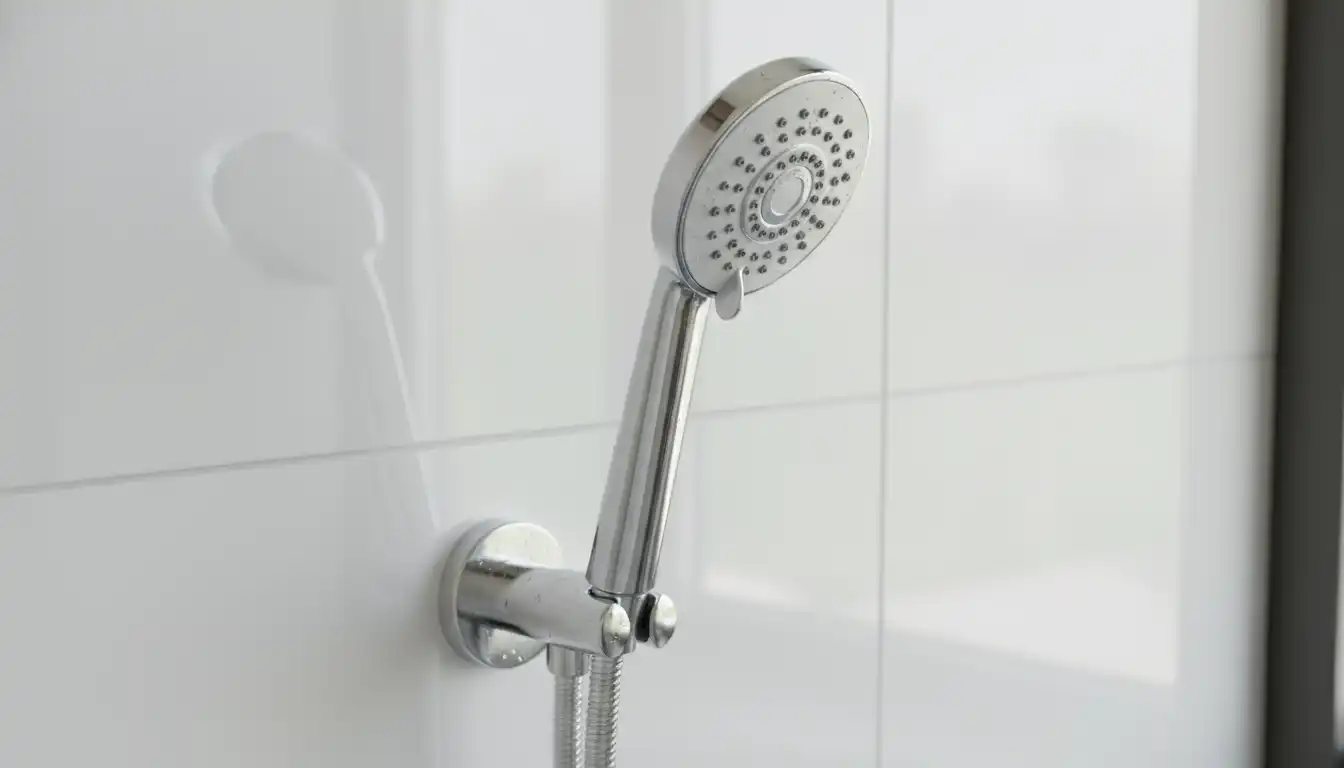
The Step-by-Step Guide to Activating Your Hand Shower
Once you’ve identified your diverter type, turning on your hand shower is a straightforward process. The key is to ensure the main water supply is running before you attempt to engage the diverter. This water pressure is often necessary for the valve to properly engage and seal off the other outlets.
Failing to do so can result in a weak flow, leaks from other heads, or the diverter failing to switch at all. Follow these precise steps for your specific system to achieve a seamless transition of water flow.
For Tub Spout and Push-Button Diverters
These systems are typically the most intuitive. First, turn on the water using your main shower handle and adjust it to your desired temperature through the tub spout. Once the water is flowing, pull up firmly on the pin on the tub spout or press the diverter button on the wall plate. You should feel a click or notice an immediate change as the water redirects to the overhead shower system.
If your system has a secondary diverter to switch between the main head and the hand shower, it will likely be a small knob or button located at the base of the shower arm or on the hand shower holder itself. Engage this second diverter to direct the water to your hand spray.
For Three-Handle and Rotational Diverter Valves
With a three-handle system, first use the hot and cold taps to set the water temperature. Then, turn the central diverter handle. Typically, one direction sends water to the tub, while turning it 180 degrees sends it to the shower head and hand shower.
For modern rotational diverters, the process is similar. Get the water flowing with the main handle. Then, turn the smaller diverter lever—often marked with icons—to point toward the hand shower symbol. This will channel the water exclusively to your handheld sprayer.
Troubleshooting: What to Do When Your Hand Shower Still Won’t Turn On
Sometimes, even with the correct steps, your hand shower may refuse to cooperate. This usually points to an underlying issue that needs to be addressed. From mineral buildup to worn-out seals, these common problems can disrupt your shower’s performance, but most can be fixed with a little DIY effort.
Before calling a plumber, work through these common troubleshooting scenarios. Identifying the root cause can save you time and money, and often the solution is simpler than you think. A little maintenance can go a long way in restoring your shower to perfect working order.
Problem 1: Low Water Pressure or a Weak Trickle
One of the most frequent complaints is weak water flow from the hand shower. This is almost always caused by sediment or mineral deposits clogging the system. Over time, calcium and magnesium from hard water can build up inside the diverter valve, the hose, or the spray nozzles of the hand shower itself.
To fix this, start by cleaning the shower head. Unscrew the hand shower and soak it in a bag or bowl of white vinegar for several hours. This will dissolve the mineral buildup. For tougher clogs, you may need to remove the flow restrictor, a small plastic disc inside the handle connection, but be aware this will increase water consumption.
Problem 2: The Diverter is Stuck or Won’t Engage
If the diverter knob or button is hard to move or won’t stay engaged, mineral buildup is again the likely culprit. The internal components of the valve can become so calcified that they can no longer move freely. This is especially common with push-button and tub spout diverters.
To solve this, you can attempt to soak the entire mechanism. Fill a plastic bag with white vinegar and secure it around the tub spout or valve so the diverter is fully submerged. Let it sit overnight. The acidity of the vinegar should break down the deposits, freeing the mechanism.
Problem 3: Water Leaks from the Main Shower Head
When you activate the hand shower but water continues to pour from the main shower head, your diverter valve isn’t creating a complete seal. This is typically caused by a worn-out rubber washer or O-ring inside the valve. These components degrade over time and lose their ability to block the water path effectively.
Replacing the washer is a straightforward DIY fix. For a tub spout diverter, you may need to unscrew the entire spout to access the internal gate. For in-wall diverters, you’ll need to remove the faceplate to access and replace the faulty seal. It is a small part that makes a huge difference in performance.
| Problem | Common Cause | DIY Solution |
|---|---|---|
| Weak Flow from Hand Shower | Mineral buildup in nozzles or hose | Unscrew hand shower and soak in white vinegar for 4-6 hours. Use a small brush to clear nozzles. |
| Diverter Button/Knob is Stuck | Limescale accumulation inside the valve | Submerge the diverter mechanism in white vinegar overnight using a plastic bag secured with a rubber band. |
| Water Leaks from Main Head | Worn-out rubber washer or O-ring in diverter | Turn off water supply. Disassemble the diverter valve and replace the internal rubber seals. |
| Hand Shower Works Intermittently | Debris inside the diverter valve | Turn off water supply, remove the diverter, and flush it with water to clear any loose sediment or debris. |
Beyond the Basics: Advanced Hand Shower Tips for a Spa-Like Experience
Mastering the on-off function is just the beginning. To truly elevate your daily routine, it’s time to explore the advanced features and integration possibilities of your hand shower. From creating a custom water massage to designing a fully immersive shower environment, these tips will help you unlock a true spa experience at home.
A hand shower is more than a utility; it’s a tool for relaxation and rejuvenation. By pairing it with the right accessories and design choices, you can transform a standard bathroom into a personal wellness retreat. The goal is to create a space that is both functional and luxurious.
Mastering Water Flow and Pressure Settings
Most modern hand showers come with multiple spray settings. Take the time to experiment with each one. A powerful, focused jet can be great for sore muscles, while a gentle, wide spray is perfect for a relaxing rinse. Some high-end models even offer pulsating massage functions.
Don’t be afraid to adjust the flow. Combining a specific spray pattern with the right water pressure can create a customized experience tailored to your needs. This level of control is one of the key benefits of a quality hand shower system.
Creating a Cohesive and Luxurious Bathroom Design
Your hand shower is a key element of your bathroom’s overall aesthetic. Coordinate its finish with other fixtures for a polished look. For example, pairing a hand shower with a stunning champagne bronze shower rod can create an immediate sense of luxury and design intentionality.
Consider the entire shower enclosure to enhance your experience. A shower door to ceiling design can trap steam and heat, creating a sauna-like atmosphere that perfectly complements a powerful hand shower massage. This holistic approach turns a simple shower into a full sensory experience.
Maintaining Your Hand Shower System for Long-Lasting Performance
Proper maintenance is the secret to ensuring your hand shower and diverter valve operate smoothly for years to come. Regular cleaning and preventative care can stop common problems like mineral buildup and seal degradation before they start. A few simple habits can save you from future headaches and costly repairs.
Think of maintenance as a small investment in your home’s comfort and functionality. By dedicating just a few minutes each month to care for your fixtures, you protect your investment and guarantee a flawless shower experience every day.
The Secret to Preventing Mineral Buildup
The best way to fight mineral buildup is to be proactive. After each shower, briefly switch the diverter back and forth a few times. This helps dislodge any water that might sit and evaporate, leaving minerals behind. Once a month, spray the diverter and shower head with a 50/50 vinegar and water solution and wipe them down.
The surrounding environment matters, too. Keeping your shower walls clean prevents mildew and grime that can affect your fixtures. When considering materials, the choice between acrylic vs quartz shower walls can play a role, as non-porous surfaces like quartz are easier to keep pristine, which contributes to a cleaner overall system.
When to Call a Professional
While many hand shower issues are simple DIY fixes, some problems require an expert. If you’ve tried all the troubleshooting steps and the diverter is still malfunctioning, or if you suspect a leak behind the wall, it’s time to call a licensed plumber. Attempting to fix complex internal valve issues without the proper tools or knowledge can lead to significant water damage.
A professional can diagnose deeper issues, such as a faulty diverter cartridge that needs replacement or problems with the main water lines. Knowing when to step back and call for help is the mark of a smart homeowner. Don’t risk a major repair bill for a minor issue that a professional could have solved quickly and safely.
