Annoying Rain Noise on Your Chimney Cap? Here’s How to Silence It for Good
That relentless drip… drip… ping… sound during a rainstorm. It starts as a minor annoyance but can quickly become a maddening disturbance, echoing down your chimney and filling your otherwise peaceful home with noise. If you’ve ever found yourself trying to sleep or relax to the sound of what seems like a tiny hammer tapping on metal, you know the problem all too well.
The good news is that you’re not imagining it, and you don’t have to live with it. That irritating sound is most likely rain hitting your metal chimney cap, and there are several highly effective ways to stop it. This comprehensive guide will walk you through why it happens and provide detailed, actionable solutions to reclaim your peace and quiet.
You'll Learn About
Understanding the “Drum Effect”: Why Your Chimney Cap Is So Loud
The primary reason for this disruptive noise is simple physics. Most chimney caps are made of metal, such as stainless steel, galvanized steel, or aluminum. When raindrops, especially heavy ones, strike the flat, thin surface of the cap, they cause it to vibrate. These vibrations create sound waves.
Your chimney flue, being a long, hollow chamber, acts as a natural amplifier. It captures the sound waves from the vibrating cap and funnels them directly into your home through the fireplace opening. This is often called the “drum effect,” where the chimney cap acts like the skin of a drum, and the flue works as the resonating body, making the sound much louder than it would be otherwise. The material and thickness of the cap play a huge role; thinner, harder metals tend to be the noisiest culprits.
First Steps: Simple Checks Before You Climb
Before undertaking a more involved solution, a few basic checks can sometimes solve the problem or at least reduce the noise. These simple inspections don’t require any special materials and can give you a better understanding of your chimney’s condition.
Start by visually inspecting the chimney cap from the ground, if possible, using binoculars. Check if the cap appears loose or tilted. A cap that isn’t securely fastened can rattle in the wind and will vibrate more intensely when hit by rain. Also, take note of your fireplace damper. If the damper is open when the fireplace is not in use, it creates a wide-open channel for sound to travel down. Closing the damper is the simplest first step to muffling any noise coming from the chimney.
Proven Methods to Soundproof Your Chimney Cap
If closing the damper isn’t enough, the next step is to address the source of the noise directly: the chimney cap itself. The goal is to dampen the vibrations caused by raindrops. This can be accomplished through several methods, ranging from simple DIY applications to professional installations.
DIY Sound-Dampening Solutions
For homeowners comfortable with working safely on their roofs, these DIY methods are cost-effective and can provide immediate relief. Always prioritize safety when accessing your roof and chimney.
1. Apply a Sound-Dampening Pad or Mat
One of the most effective DIY solutions is to affix a sound-absorbing material to the top of your chimney cap. High-density rubber or foam mats are excellent for this purpose. Materials like automotive sound deadeners (often a butyl rubber compound) are weatherproof and designed specifically to stop vibrations on sheet metal.
To do this, you will need to carefully access the chimney, thoroughly clean the top surface of the cap to remove any dirt or soot, and then apply the self-adhesive pad. If the pad is not self-adhesive, a strong, weatherproof construction adhesive is necessary. This layer adds mass and absorbs the impact of the rain, stopping the vibrations before they start.
2. Use a Liquid Sound Deadener
Another excellent option is a liquid-applied sound deadener. These are often rubberized coatings that can be painted or sprayed onto the chimney cap. Much like the pads, these coatings add a layer of mass that deadens sound. Products marketed for vehicle undercarriages or metal roof soundproofing work very well.
The application process involves cleaning the cap and then applying several thin coats of the product, allowing each coat to dry completely. The result is a seamless, durable, and weatherproof layer that significantly reduces rain noise. This method is particularly good for irregularly shaped caps where cutting a pad might be difficult.
3. The Artificial Turf Solution
A less conventional but surprisingly effective method is to glue a small piece of artificial turf to the top of the cap. The plastic blades of the turf work to break up the raindrops before they hit the metal surface, dissipating their energy and preventing the sharp “pinging” sound. The turf’s backing also provides a layer of cushioning. Ensure you use a high-quality, weatherproof adhesive to secure it firmly in place.
Professional and Permanent Solutions
If DIY solutions aren’t your preference, or if you’re looking for a more permanent fix, several professional options are available. These may involve replacing components of your chimney system.
1. Install a “Quiet” or High-Quality Chimney Cap
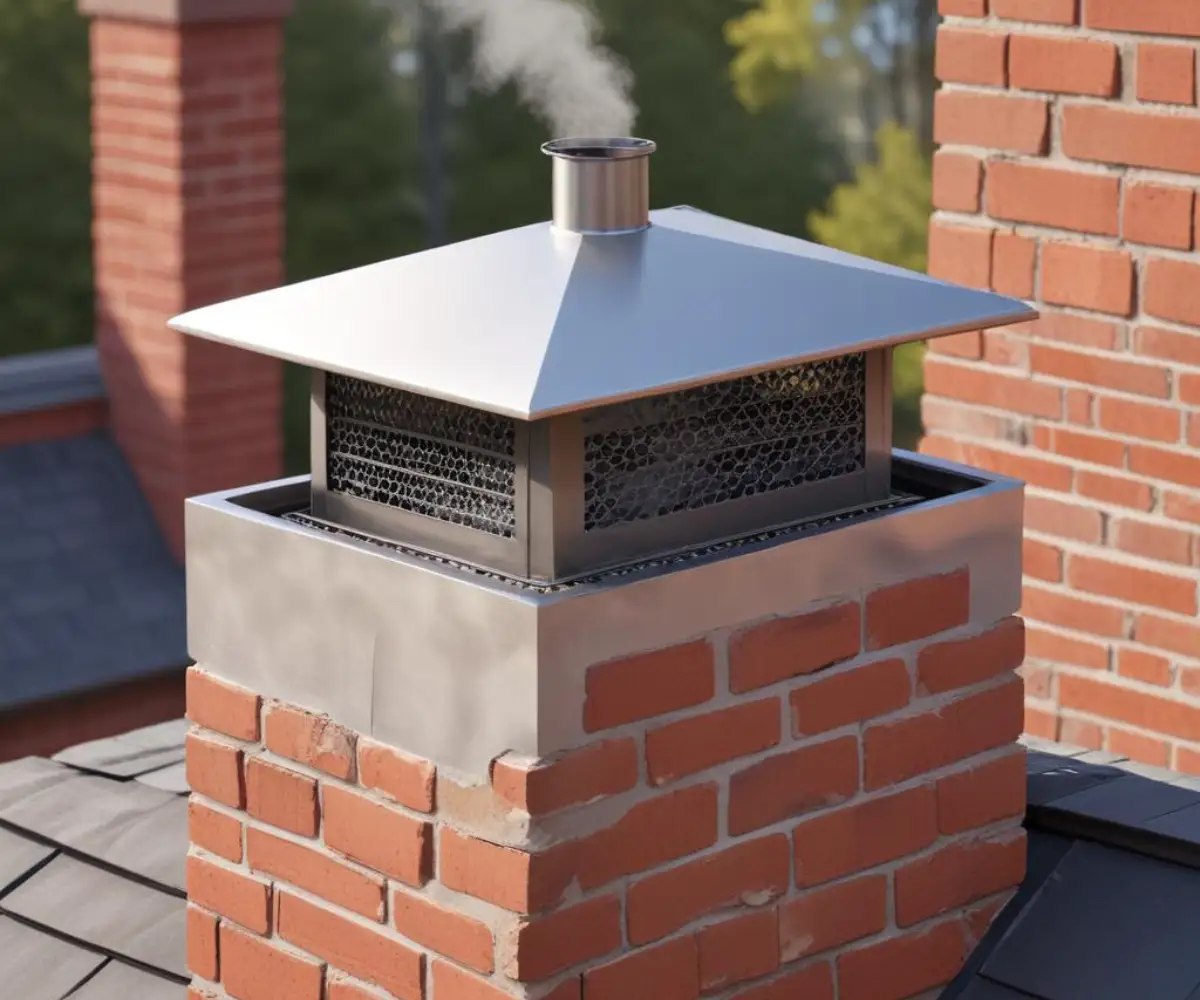
Not all chimney caps are created equal. Cheaper, thin-gauge galvanized steel caps are often the loudest. Upgrading to a cap made from a heavier gauge of stainless steel or copper can make a difference. These materials are not only more durable but also less prone to the high-frequency vibrations that cause noise. Some manufacturers even offer caps with built-in dampening features or curved designs that deflect rain more quietly.
2. Consider a Top-Sealing Damper
A traditional throat damper is located just above the firebox, leaving the entire flue open to amplify noise. A top-sealing damper, on the other hand, is installed at the very top of the flue, right under the chimney cap. When closed, it creates an airtight seal that not only stops noise from traveling down the chimney but also prevents energy loss and downdrafts. This is a highly effective, albeit more expensive, solution that addresses noise and energy efficiency simultaneously.
| Solution | Estimated Cost | Difficulty Level | Effectiveness |
|---|---|---|---|
| Closing the Damper | $0 | Easy | Low to Moderate |
| Sound-Dampening Pad | $20 – $50 | DIY Moderate | High |
| Liquid Sound Deadener | $30 – $60 | DIY Moderate | High |
| Artificial Turf Patch | $15 – $30 | DIY Easy | Moderate to High |
| Upgrade Chimney Cap | $150 – $500+ | Professional | High |
| Top-Sealing Damper | $400 – $1,000+ | Professional | Very High |
Safety First: A Critical Reminder When Working on Your Chimney
Any work that involves climbing on a roof carries significant risks. Falls from height are a leading cause of serious injury. If you are not completely confident in your ability to work safely on your roof, or if you do not have the proper safety equipment like a securely placed ladder and a safety harness, it is essential to hire a professional.
A certified chimney sweep or a qualified roofer can implement any of these solutions safely and effectively. They have the training, equipment, and experience to work at heights and can ensure the job is done correctly. Mishandling your chimney components can lead to other issues, so professional help is often the wisest investment.
When the Noise Isn’t Just the Rain on the Cap
You’ve applied a sound-dampening solution, but you still hear noise. While the cap is the most common source, it’s not the only one. If you’ve addressed the cap and still hear rain in your chimney, the sound may be originating from inside the flue itself, such as water dripping down the flue pipe and hitting the damper or firebox floor.
It’s also important to distinguish between different types of sounds. While rain creates a rhythmic tapping, a sudden loud banging noise in your chimney could signal a more serious issue, like a problem with the structure or an animal obstruction. Similarly, if you notice a persistent high-pitched noise in your house that you think is from the chimney, it may be wind-related or due to pressure changes, which a specialized cowl might resolve.
Conclusion: Reclaim Your Peace and Quiet
The constant sound of rain on your chimney cap doesn’t have to be a permanent feature of your home. From simple DIY fixes like applying a dampening pad or a rubberized coating to more permanent solutions like upgrading your cap or installing a top-sealing damper, there is a method to suit your budget and skill level.
By understanding the cause—the “drum effect” of rain on metal amplified by your flue—you can effectively target the problem at its source. Take the necessary safety precautions, choose the right solution for your home, and you can once again enjoy the soothing sound of a gentle rainstorm from the comfort of your quiet, peaceful living space.