
How to Revive a Begonia Rex: Your Ultimate Comeback Guide
Watching the vibrant, intricate leaves of your Rex Begonia droop and fade can be disheartening. Known for their spectacular foliage, these plants are a centerpiece in any home garden collection, but their dramatic appearance is matched by their equally dramatic sensitivities. One day it’s a thriving piece of living art; the next, it’s a wilted, crispy mess, leaving you wondering where you went wrong.
The truth is, Rex Begonias are notoriously particular. Their path to decline is often swift and can be triggered by subtle shifts in their environment. But a drooping begonia is not a death sentence; it’s a cry for help. Understanding the specific needs of this plant is the first step toward a successful revival and long-term health.
You'll Learn About
Understanding the Crisis: Why Is Your Rex Begonia Unhappy?
Rex Begonias hail from humid, tropical regions where they thrive in dappled light on the forest floor. This genetic makeup makes them ill-suited for the dry, stable conditions of the average home. The most common reasons for a sudden decline are almost always related to failures in replicating this native environment.
The primary culprits are improper watering, low humidity, incorrect lighting, and temperature stress. Unlike more forgiving houseplants, the Rex Begonia has a very narrow margin of error. Recognizing the specific cause is crucial for applying the correct remedy and bringing its stunning foliage back to life.
The First 24 Hours: Immediate Plant Triage
Before you make any drastic changes, take a moment to assess the situation. Panicked “solutions” like immediately drenching the soil or moving the plant to a sunny window can often make things worse. The first step is to stop and observe.
Begin by isolating the ailing plant from any other houseplants to prevent the potential spread of pests or disease. Perform a close visual inspection of the leaves, stems, and the surface of the soil. Do not water or fertilize the plant immediately; first, you must diagnose the underlying issue with confidence.
Diagnosing the Core Problem: A Symptom-Based Guide
Your plant’s leaves and stems are telling a story. Learning to read the signs is the most critical skill for reviving your Rex Begonia. Use the table below to match the symptoms with their likely causes and find your starting point for recovery.
| Symptom | Probable Cause | Immediate Action |
|---|---|---|
| Yellowing leaves, soft or mushy stems, wilting | Overwatering / Root Rot | Stop watering immediately. Check soil moisture deep in the pot. Prepare to inspect the roots. |
| Drooping leaves, crispy brown edges, dry soil | Underwatering / Low Humidity | Water thoroughly until it drains from the bottom. Increase ambient humidity. |
| Faded colors, scorched spots, crispy leaves | Too Much Direct Light | Move the plant to a location with bright, indirect light away from direct sunbeams. |
| Leggy growth, dull or faded leaf color | Too Little Light | Relocate to a brighter spot that still avoids direct sun. |
| White powdery patches on leaves | Powdery Mildew | Isolate the plant, remove affected leaves, and improve air circulation. Treat with a fungicide. |
| Fluffy white blobs in leaf crevices | Mealybugs | Isolate the plant. Remove visible pests with an alcohol-dipped cotton swab and treat with neem oil. |
The Watering Dilemma: Too Much or Too Little?
Improper watering is the most common killer of Rex Begonias. Overwatering leads to root rot, a fungal condition that suffocates the roots and prevents them from absorbing water and nutrients, causing the plant to wilt as if it were thirsty. Symptoms include yellowing lower leaves, mushy stems near the soil line, and soil that never seems to dry out.
Conversely, underwatering causes dehydration. The leaves will droop, the edges will become brown and crispy, and the entire plant will look lifeless. The key difference is the condition of the soil; if it’s bone-dry an inch or two down, underwatering is your problem.
The solution is a consistent and careful watering routine. Always check the top inch of soil before watering. If it feels dry to the touch, it’s time to water thoroughly until you see excess draining from the pot’s drainage holes. Discard this excess water immediately; never let the pot sit in a saucer of water.
Light and Location: Finding the Sweet Spot
Rex Begonias require bright, indirect light to maintain their vibrant colors. Too much direct sun will scorch their delicate leaves, causing them to fade, develop brown patches, or become crispy. An east-facing window with gentle morning sun or a spot a few feet back from a west-facing window is often ideal.
If the plant receives too little light, its growth will become “leggy” as it stretches toward a light source, and the brilliant colors of its foliage will become dull. When choosing a location, also consider environmental factors. Placing a begonia in a kitchen can provide extra humidity, but be mindful of heat from appliances; a zero clearance refrigerator door, for example, shows how modern appliances are designed to fit snugly, but they still vent warm air that can create dry microclimates harmful to sensitive plants.
Humidity Havoc: The Overlooked Requirement
Perhaps the most overlooked aspect of Rex Begonia care is humidity. These plants are native to tropical climates and require humidity levels of at least 50% to thrive. The air in most homes, especially during winter when heating systems are running, is far too dry.
Low humidity is the primary cause of brown, crispy leaf edges. To revive a plant suffering from dry air, you must increase the moisture in its immediate environment. Grouping it with other plants, placing it on a pebble tray filled with water, or using a small room humidifier are all highly effective methods.
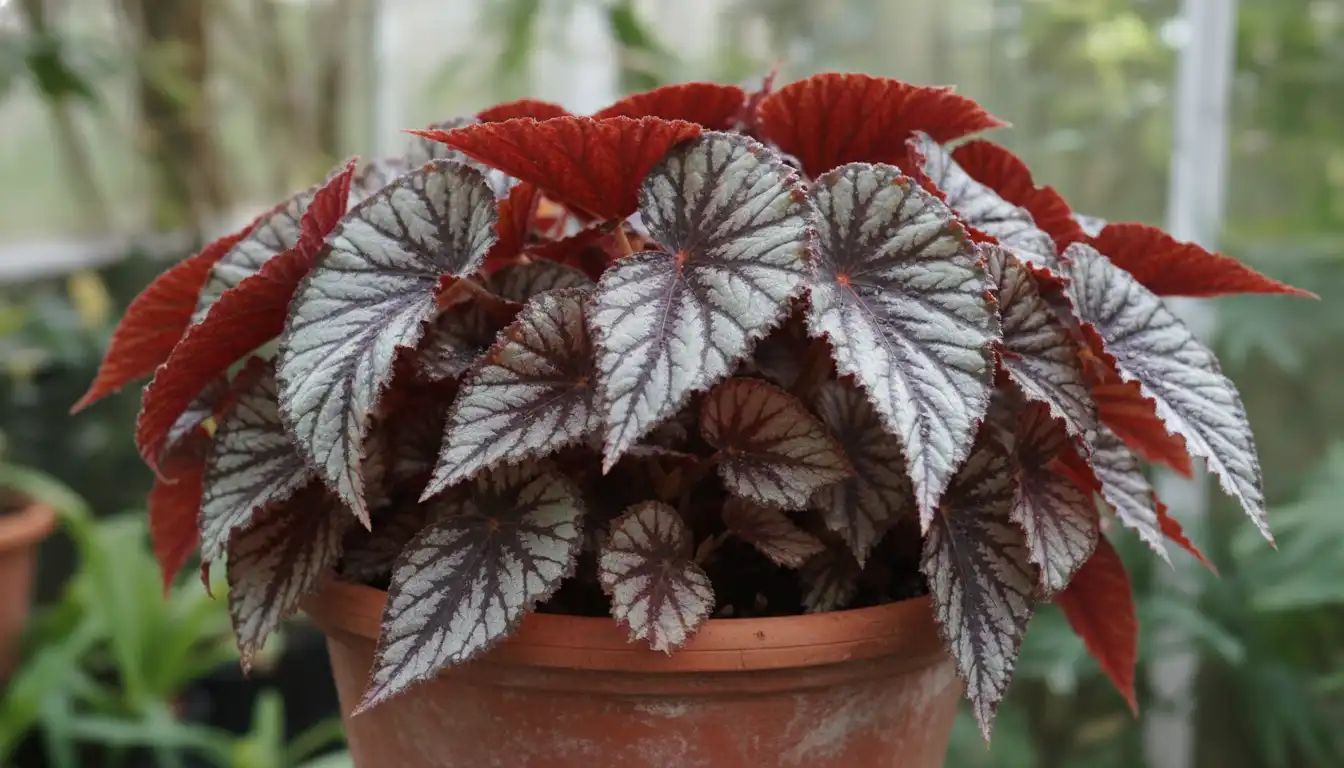
The Revival Process: A Step-by-Step Recovery Plan
Once you’ve diagnosed the primary issue, it’s time to take decisive action. A successful revival requires addressing the root cause and providing the plant with an optimal environment for recovery. This process may take several weeks, so patience is key.
Focus on creating stability for the plant. Avoid moving it frequently or making too many changes at once. The goal is to correct the initial problem and then allow the plant the time and space it needs to heal and produce new, healthy growth.
Tackling Root Rot: The Critical Surgery
If you suspect overwatering and root rot, you must act quickly. Gently remove the plant from its pot and inspect the roots. Healthy roots are firm and white or light tan; rotting roots will be brown or black, mushy, and may have a foul odor.
Using a sterile pair of scissors or pruning shears, carefully trim away all of the affected roots. Be thorough, as any remaining rot can continue to spread. If a significant portion of the root ball is removed, you should also prune back some of the foliage to reduce the stress on the remaining roots.
Repot the plant in a clean pot with fresh, well-draining soil. Choose a pot that is only slightly larger than the remaining root ball to prevent excess soil from holding too much moisture. Water it lightly and place it in a spot with good air circulation and indirect light.
The Perfect Soil Mix for a Thriving Recovery
Standard potting soil is often too dense for Rex Begonias, retaining too much water and contributing to root rot. For recovery and long-term health, a custom soil mix that promotes excellent drainage and aeration is non-negotiable. This mimics the loose, organic-rich floor of their native habitat.
Create a superior mix by combining two parts peat moss or coco coir, one part perlite, and one part fine orchid bark. The peat or coir provides a moisture-retentive base, while the perlite creates air pockets for the roots to breathe, and the orchid bark ensures the mix doesn’t become compacted. This blend allows water to flow freely while holding enough moisture to keep the delicate roots happy.
Pest and Disease Control
A stressed plant is more susceptible to pests and diseases. The most common pests are mealybugs, which appear as small, cottony white masses in the crooks of leaves and stems. Powdery mildew is a fungal disease that looks like a dusting of white powder on the leaves, often caused by poor air circulation and wet foliage.
For mealybugs, dip a cotton swab in rubbing alcohol and touch each pest to remove it. Follow up with a thorough spray of neem oil or insecticidal soap, ensuring you cover all surfaces of the plant. For powdery mildew, remove the most affected leaves, increase air circulation around the plant, and apply a copper-based or sulfur-based fungicide according to the product’s instructions.
Long-Term Care and Prevention: Ensuring It Never Happens Again
Reviving your Rex Begonia is only half the battle; the real victory lies in keeping it healthy. Consistency is the foundation of long-term success. Establish a routine that addresses the plant’s core needs for water, light, and humidity, and stick to it.
Monitor your plant regularly, but resist the urge to fuss over it. Small, proactive adjustments are far better than reactive, drastic interventions. A healthy Rex Begonia is a sign of a balanced and stable environment.
A Consistent Care Routine
Develop a weekly check-in schedule. On the same day each week, check the soil moisture, rotate the plant a quarter turn to ensure even growth, and inspect the leaves for any signs of trouble. This routine allows you to catch potential issues like pests or drying soil before they become serious problems.
Fertilize your Rex Begonia every 4-6 weeks during the spring and summer growing season with a balanced liquid fertilizer diluted to half-strength. Do not fertilize during the fall and winter when the plant’s growth naturally slows down. Over-fertilizing can cause a buildup of salts in the soil, which leads to leaf burn.
Pruning for Health and Vigor
Regular pruning encourages a fuller, bushier plant and removes old or dying foliage that could harbor pests or disease. Use clean, sharp scissors to snip off any yellowing or dead leaves at the base of their stem. If you notice the plant becoming leggy, you can pinch off the growing tips to promote branching.
Don’t be afraid to remove spent flowers. While Rex Begonias are grown for their foliage, they do produce small flowers. Pinching these off allows the plant to direct its energy toward producing more spectacular leaves.
Understanding Environmental Stressors
Beyond the basics, be aware of subtle environmental stressors that can impact your begonia’s health. Drafts from open windows, air conditioning vents, or heaters can cause sudden temperature fluctuations and dry out the leaves. Even minor changes in the home can have an effect; a project like installing new flooring can alter airflow near the ground, just as major outdoor work like drilling holes in concrete for fenceposts could temporarily stir up dust that settles on leaves.
Water quality can also be a factor. Rex Begonias can be sensitive to the minerals and chemicals in tap water. If you notice persistent brown leaf tips despite adequate humidity, try using distilled, filtered, or rainwater for a few weeks to see if it makes a difference.
Advanced Revival: Propagating to Save Your Plant
In dire situations where the root system is beyond saving but a few healthy leaves remain, propagation can be a last-ditch effort to save the plant’s lineage. Rex Begonias can be easily propagated from leaf cuttings, allowing you to grow a brand new plant from a piece of the old one.
Select a healthy, mature leaf and use a sterile blade to cut it from the plant, leaving about an inch of stem attached. You can place this stem in a small jar of water until roots form, or you can lay the leaf flat on a bed of moist potting mix. Make several small cuts across the main veins on the underside of the leaf and pin it to the soil surface. Cover the container with a plastic bag to create a high-humidity environment, and in a few weeks, new plantlets will begin to grow from the cuts.
Conclusion: From Surviving to Thriving
Bringing a Rex Begonia back from the brink is a rewarding experience that deepens your understanding of this exquisite plant. The key is to observe carefully, diagnose accurately, and act decisively. By addressing the core issues of water, light, and humidity, you can nurse your plant back to health.
Once revived, your focus should shift to creating a stable and nurturing environment that prevents these problems from recurring. With consistent care and attention to its unique needs, your Rex Begonia will not just survive; it will thrive, once again becoming the stunning, artistic centerpiece of your indoor garden.
