
Unlock Your Garden’s Potential: How to Make Yucca Extract
Are you tired of watching water bead up and run off your parched garden soil? Do your houseplants seem stressed despite your best efforts? Many home gardeners face the frustrating problem of hydrophobic soil, where the soil actually repels water, preventing moisture and vital nutrients from reaching the plant’s roots. This common issue leads to wasted water, stressed plants, and lackluster growth, leaving you wondering what you’re doing wrong.
The secret to solving this widespread gardening woe might be growing right in your backyard. Yucca, a hardy desert plant, holds the key to transforming your soil’s health and boosting your plants’ resilience. By creating a simple, all-natural yucca extract, you can unlock a potent solution that makes water “wetter,” ensuring deep, even hydration for every plant in your home and garden.
You'll Learn About
Why Your Garden is Begging for Homemade Yucca Extract
The magic of yucca lies in its high concentration of natural compounds called saponins. These substances act as powerful surfactants, or wetting agents, that fundamentally change the way water behaves. When you apply yucca extract to your soil or plants, you are deploying one of nature’s most effective tools for hydration and nutrient delivery.
Think of how soap breaks up grease; saponins work similarly on water’s surface tension. This allows water to shed its tendency to bead up and instead spread out in a thin, even film. In the garden, this means deeper soil penetration, elimination of dry pockets, and a significant improvement in your plants’ ability to absorb both water and nutrients.
The Science of Saponins: Nature’s Wetting Agent
Saponins are steroidal-based chemicals that break the polarity of the water molecule. This action is crucial for overcoming hydrophobic soil conditions, a common problem in container plants and garden beds with high peat or organic matter content that have dried out. By ensuring water spreads evenly, yucca extract helps flush away excess mineral salts that can build up and damage delicate root hairs.
Beyond improving water absorption, the complex sugars and other compounds in yucca extract also feed beneficial soil microbes. This fosters a healthier soil ecosystem, which in turn improves nutrient cycling and overall plant vigor. The extract can also enhance the effectiveness of foliar sprays, helping fertilizers and natural pesticides adhere to and penetrate leaf surfaces.
Safety First: Important Precautions Before You Begin
While making yucca extract is a straightforward process, it’s essential to handle the raw plant material with care. The skin of some yucca species can contain compounds that may cause skin irritation in sensitive individuals. Some sources even note the presence of cyanide-like compounds in the peel, making it crucial to handle with caution.
Always wear gloves when peeling and chopping fresh yucca root to prevent potential skin irritation. Furthermore, be certain you are harvesting from a true yucca plant (like *Yucca schidigera* or *Yucca filamentosa*) and not the similarly named but unrelated yuca or cassava (*Manihot esculenta*), which is a common root vegetable sold in supermarkets. Using cassava will not produce the desired saponin-rich extract.
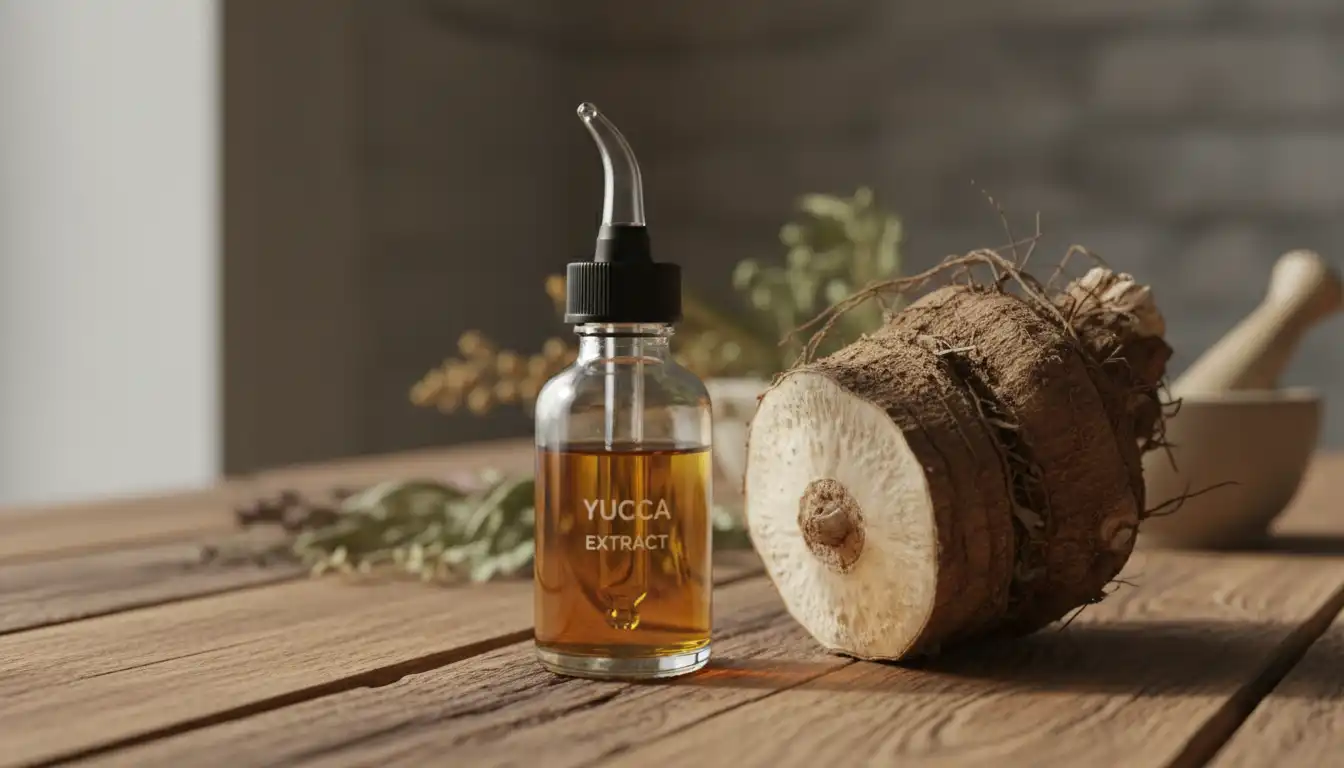
The Ultimate Guide: How to Make Yucca Extract Step-by-Step
Creating your own potent yucca extract at home is easier than you might think. You only need a few simple tools and fresh yucca root. There are two primary methods: a simple cold infusion and a slightly more involved heat-assisted extraction.
Harvesting and Preparing Your Yucca Root
First, you need to acquire your yucca root. If you have a yucca plant in your garden, you can carefully dig up a portion of its rhizomatous root system. Alternatively, fresh yucca roots can sometimes be found at specialty markets; just ensure it’s the correct plant.
Once you have your root, the preparation is key. Thoroughly wash the root with a brush under cool running water to remove all dirt. Using a sturdy vegetable peeler or a knife, and while wearing gloves, carefully remove the tough, dark outer skin. After peeling, chop the white inner root into small, nickel-sized pieces to maximize the surface area for extraction.
Method 1: The Simple Cold Water Infusion
This method is incredibly easy and perfect for beginners. It relies on time to gently draw the saponins out of the root. This technique is ideal for preserving the full spectrum of compounds within the yucca.
Place your chopped yucca root into a large glass jar. For a good ratio, use approximately one part yucca to five parts water. Simply cover the yucca pieces with cool, purified water, seal the jar, and let it sit at room temperature for at least 8-12 hours, or even up to 24 hours. You will notice the water becoming slightly thicker and developing a soapy texture.
Method 2: The Potent Heat-Assisted Extraction
If you’re looking for a stronger, more concentrated extract in less time, the heat-assisted method is an excellent choice. This process uses low heat to speed up the release of saponins.
Combine the chopped yucca root and water in a stainless steel pot, using a ratio of about one part yucca to three parts water. Gently heat the mixture on a low setting, allowing it to simmer for at least 30 minutes. Do not let it boil, as high heat can degrade some of the beneficial compounds. Stir occasionally as the water darkens and thickens.
Straining and Storing Your Extract
After your infusion or decoction is complete, you need to separate the liquid extract from the plant material. Line a fine-mesh sieve with a piece of cheesecloth and pour the mixture through it into a clean bowl or jar. Squeeze the cheesecloth to get every last drop of valuable extract. The remaining root pulp can be composted.
Your homemade yucca extract should be stored in a sealed container in the refrigerator. A fresh, unpreserved extract will last for about 5 to 7 days. For longer-term storage, you can pour the extract into ice cube trays and freeze it. These frozen cubes provide convenient, pre-portioned amounts for future use and can last for several months.
Troubleshooting Your Yucca Extract Creation
One common concern when making yucca extract is a lack of foaming. If your liquid doesn’t foam when shaken, it could be due to a few factors. You may have used yuca (cassava) instead of true yucca, which contains no saponins. Alternatively, the concentration may be too low; try using more root or less water in your next batch.
The texture of the final product should be slightly soapy or viscous. If it’s too thin, you can gently simmer it (even if you used the cold method) to evaporate some water and concentrate the saponins. Proper storage is also critical; discard the extract if you notice any signs of mold.
Unlocking the Applications: Putting Your Extract to Work
Now that you have your homemade liquid gold, it’s time to use it. The applications are vast, benefiting everything from your lawn and garden to your indoor houseplants. A little goes a long way with this potent natural concentrate.
Transform Your Garden Soil
The primary use for yucca extract in the garden is as a soil drench to combat soil hydrophobia and improve water distribution. This ensures that water and nutrients penetrate evenly, reaching the entire root zone and preventing the formation of dry pockets.
To use, dilute your extract with water. A good starting ratio is about 1 part extract to 10 parts water for a soil drench. Apply this mixture to the base of your plants during your regular watering schedule. It’s particularly effective for container gardens, raised beds, and any areas with compacted or dry soil. Using it regularly helps maintain optimal moisture levels and can even help keep drip irrigation systems clean.
A Natural Shield and Enhancer for Your Plants
Yucca extract also shines as an adjuvant for foliar sprays. Its surfactant properties help liquids spread evenly across the waxy cuticle of leaves, increasing the effectiveness of liquid fertilizers or natural pest-control solutions. For this application, a much more diluted ratio of 1:50 is recommended.
Some studies and anecdotal evidence suggest that the saponins in yucca can also help deter soft-bodied pests and may even have anti-fungal properties. This makes it a valuable, eco-friendly addition to your integrated pest management routine. Since it helps plants deal with heat, drought, and salinity stress, it acts as an overall plant health booster.
| Application Method | Recommended Dilution (Extract to Water) | Primary Benefit | Best For |
|---|---|---|---|
| Soil Drench | 1:10 | Improves water penetration and retention. | Hydrophobic soil, container plants, garden beds. |
| Foliar Spray Adjuvant | 1:50 | Increases coverage of other liquid treatments. | Applying liquid fertilizers or natural pesticides. |
| Root Zone Flush | 1:10 | Helps remove excess mineral salt buildup. | Potted plants or areas with heavy fertilizer use. |
| Seed Soak | 1:20 | May improve germination and protect seedlings. | Starting new plants from seed. |
Beyond the Garden: Household Uses
The usefulness of yucca doesn’t stop at the garden’s edge. Thanks to its saponin content, yucca has been used for centuries by Native Americans as a natural soap and cleanser. Your homemade extract can be used as a gentle, all-purpose cleaner for surfaces around your home.
It can also be used to create a mild hand soap or even a natural shampoo. Its gentle nature makes it suitable for delicate tasks. While using it for cleaning, remember its a natural product and won’t have the same degreasing power as commercial soaps, but it is an effective, chemical-free alternative for light cleaning.
Frequently Asked Questions
How often should I use yucca extract on my plants?
For soil applications, using it with every watering or every other watering is effective, especially during hot and dry periods. For foliar applications, use it whenever you are applying other liquid treatments.
Can I use yucca extract on all types of plants?
Yes, yucca extract is safe for a wide range of plants, including vegetables, flowers, lawns, fruit trees, and houseplants. It is gentle and beneficial for almost any plant that needs water.
Is homemade yucca extract safe for pets?
When used as directed in the garden and properly diluted, it is generally considered safe. However, concentrated extract should be kept out of reach of pets, and you should prevent them from drinking the solution directly.
What is the difference between yucca and yuca?
This is a critical distinction. Yucca (*Yucca schidigera*) is the desert plant rich in saponins used for this extract. Yuca (*Manihot esculenta*), also known as cassava, is a starchy root vegetable that does not contain the same properties and should not be used. You won’t get a soapy, effective extract from yuca. If you’re building new garden beds, you might consider how you can reuse fence posts with concrete for sturdy construction.
Will yucca extract burn my plants?
No, when properly diluted, yucca extract will not burn your plants. It is a natural and gentle product. In fact, it helps protect plants against environmental stressors. For appliances used in the process, ensuring you have the right electrical protection, like an swd circuit breaker, is always a good safety measure.
Can I freeze the fresh yucca root itself?
Yes, if you have a large amount of fresh root, you can peel it, chop it, and freeze it for later use. When considering long-term storage in your freezer, understanding what is normal freezer temperature fluctuation can help ensure your supplies stay well-preserved.
