
Stop the Slip! How to Keep Placemats from Sliding on Any Surface
There are few small domestic annoyances quite as persistent as a placemat that refuses to stay put. One moment, your table is perfectly set; the next, a slight nudge of a plate sends a placemat gliding across the surface, disrupting the entire arrangement and risking spills. This constant, subtle battle against sliding placemats is a frustration shared in many households.
The issue is more than just a matter of aesthetics. A shifting placemat can be a genuine hazard, leading to tipped glasses and messy accidents. This guide will explore the underlying reasons why your placemats slide and provide a definitive set of solutions, from quick fixes to permanent modifications, ensuring your table setting remains as secure as it is beautiful.
You'll Learn About
Understanding the Slippery Situation: Why Do Placemats Slide?
Before finding a solution, it’s essential to understand the core of the problem. The movement of a placemat is a simple matter of physics, primarily revolving around the concepts of friction and surface interaction. When there is not enough grip between the bottom of the placemat and the top of the table, even the slightest force can cause it to move.
The Role of Surface Tension and Friction
The primary reason placemats slide is a lack of friction. Smooth, glossy surfaces, such as polished wood, glass, or lacquered tables, offer very little for a placemat to grip onto. These finishes are designed to be sleek and non-porous, which unfortunately also makes them inherently slippery.
Conversely, a table with a matte or textured finish, like unfinished wood, provides more microscopic peaks and valleys for the placemat material to settle into, creating natural resistance. The cleanliness of the table also plays a crucial role; a thin layer of dust or grease can act as a lubricant, dramatically reducing friction and turning your table into a slip zone.
Common Culprits: Placemat Materials
The material of the placemat itself is a significant factor. Lightweight and smooth materials are the most likely to slide. This includes many common types of placemats, such as those made from thin vinyl, silk, satin, or linen without a proper backing.
The absence of a textured or rubberized backing means there’s nothing to anchor the placemat. Even some woven placemats can be culprits if the weave is too fine and the material is too light, as they will glide effortlessly over a smooth tabletop.
The Impact of Table Finishes
Modern table finishes, while beautiful and durable, often contribute to the problem. Polyurethane, lacquer, and high-gloss varnishes create an almost frictionless plane. It’s important to consider how your placemats interact with your specific table finish.
Some vinyl or plastic placemats can even have a subtle chemical reaction with certain lacquers over time, which can decrease grip and potentially harm the finish. Understanding this interaction is key to selecting both a placemat and a non-slip solution that preserves the integrity of your furniture.
Quick and Easy Fixes: Simple Solutions for Sliding Placemats
For those seeking immediate results without permanent alterations, several simple and effective methods can anchor your placemats. These solutions are often inexpensive and readily available, providing a quick end to the dinnertime slide.
The Magic of Non-Slip Gripper Pads
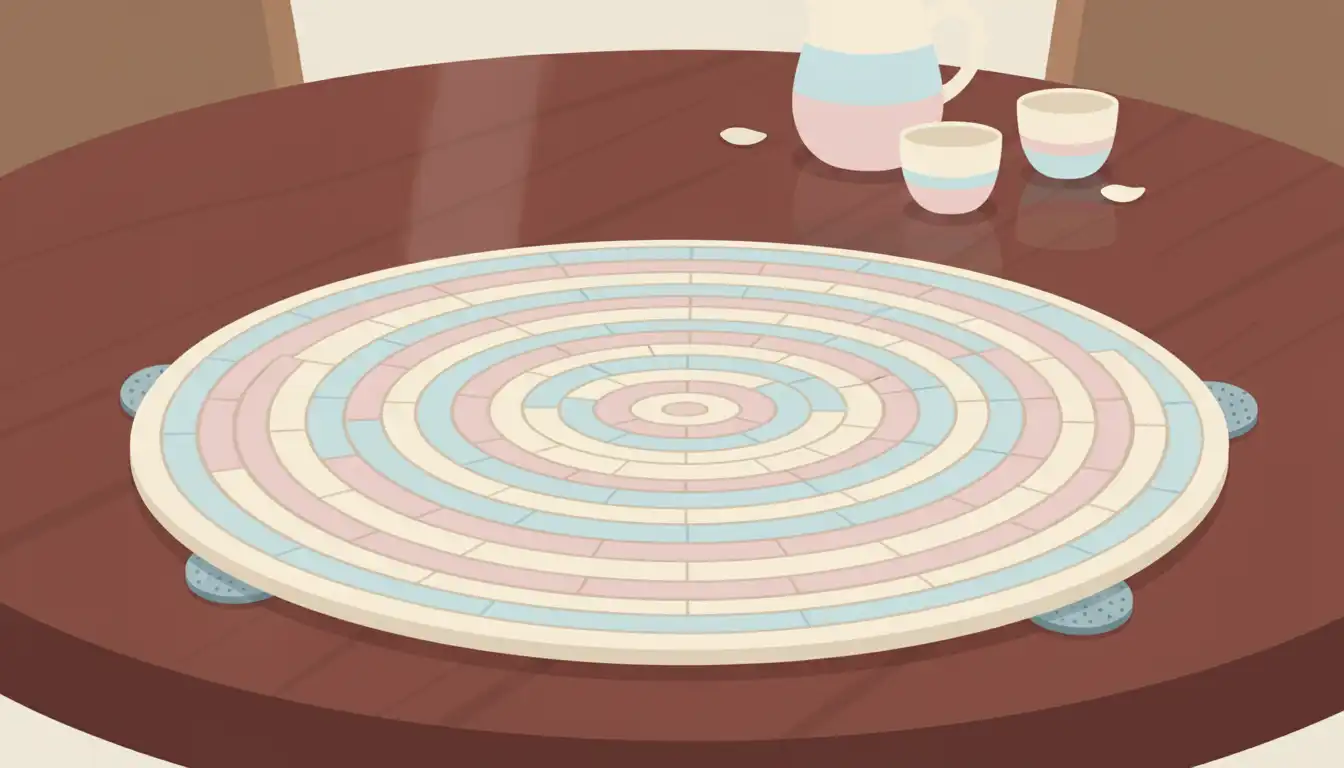
One of the most effective solutions is the use of non-slip gripper pads. These are often made of silicone or rubber and are designed specifically to create friction. They come in various forms, from small, clear adhesive dots to larger mesh pads that can be cut to size.
Silicone dots or small rubber bumpers are excellent for glass tables or when you want a discreet solution. For a more robust grip, a thin, rubbery mesh liner, similar to what’s used for rugs or shelves, can be placed underneath the entire placemat.
Double-Sided Tape: A Temporary but Effective Hold
Double-sided tape can be a reliable, albeit temporary, fix. It’s crucial to select a tape that is safe for your table’s surface. Look for removable tapes, such as those designed for mounting posters or fabric tapes used in sewing, as they are less likely to leave a sticky residue.
Apply small pieces to the corners of the placemat’s underside. While effective, this method requires regular replacement as the tape can lose its adhesion over time, especially with frequent cleaning.
The Unsung Hero: Shelf Liners
Non-adhesive, rubberized shelf liner is a fantastic and budget-friendly option. Sold in rolls, this material can be easily cut to a size slightly smaller than your placemat, making it completely hidden while providing an excellent grip.
This solution is reusable, washable, and won’t damage your table’s surface, making it one of the most versatile and practical choices for any type of placemat or table combination.
Advanced Strategies for a Permanent Non-Slip Solution
If you’re looking for a more permanent, set-it-and-forget-it solution, a few DIY methods can add a permanent grip to the back of your favorite placemats. These techniques are especially useful for fabric placemats that you plan to keep for a long time.
Applying a Silicone Sealant or Caulk
A thin application of 100% clear silicone caulk to the back of a placemat can create highly effective, permanent rubbery grips. Apply small dots in the corners or create thin, wavy lines across the surface. Use a putty knife to flatten the dots slightly for a lower profile.
Allow the silicone to cure completely—typically for at least 24 hours—before use. This method is durable, washable, and provides a professional-level grip. The skills learned here are transferable to other home maintenance, like knowing how to replace rubber seal around shower glass where a steady hand and knowledge of sealants are key.
Fabric Paint for a Textured Grip
Puffy fabric paint, available at craft stores, is another excellent way to add texture and grip to fabric placemats. Simply apply dots, lines, or any pattern you desire to the underside of the placemat.
As the paint dries, it creates a raised, rubber-like texture that prevents sliding. This is a fun, creative option that allows for customization in addition to its practical benefits.
The Power of a Hot Glue Gun
For a quick DIY grip, a hot glue gun can be used to create a textured surface. Apply small beads or squiggly lines of hot glue to the back of the placemat. Once the glue cools and hardens, it forms small, plastic bumps that act as effective grips.
This method is fast and easy, but be mindful that the glue may not be as flexible or durable as silicone, especially after multiple washes.
Choosing the Right Placemats: A Proactive Approach
The most effective way to prevent placemats from sliding is to choose ones that are inherently non-slip. By paying attention to material and construction from the start, you can avoid the problem altogether.
Materials with Natural Grip
Certain materials are naturally resistant to sliding. Silicone placemats are a top choice, as they cling securely to almost any surface. Cork-backed placemats are another excellent option, as the textured cork provides natural friction.
Heavier materials like leather, felt, or thick, tightly woven fabrics such as jute also tend to stay in place better due to their weight and texture. When shopping, always check to see if a placemat has a designated non-slip backing.
| Placemat Material | Grip Level | Best For (Table Surface) | Maintenance Notes |
|---|---|---|---|
| Silicone | High | Glass, Polished Wood, Laminate | Dishwasher safe, very durable. |
| Cork-Backed | High | All surfaces | Wipe clean; avoid soaking. |
| Woven Jute/Thick Cotton | Medium-High | Wood, Matte Finishes | Spot clean or gentle hand wash. |
| Leather/Faux Leather | Medium | Most surfaces | Wipe clean; may require conditioning. |
| Vinyl (no backing) | Low | Best with added grips | Easy to wipe clean but prone to sliding. |
| Linen/Silk | Low | Best with added grips | Requires careful washing; wrinkles easily. |
Special Considerations for Different Table Surfaces
The ideal non-slip solution can vary depending on your table’s material. A method that works perfectly on a wood table might not be suitable for a glass one. Tailoring your approach ensures both effectiveness and the safety of your furniture.
Glass and High-Gloss Tables
For transparent or highly reflective surfaces, aesthetics are key. Clear silicone dots or pads are the best choice as they are virtually invisible. Avoid any colored adhesives or thick liners that would be visible through the glass.
It is also important to avoid any adhesive that could be difficult to remove or could etch the surface over time. Non-adhesive solutions like a high-quality silicone placemat are often the simplest and safest option for glass tabletops.
Natural and Unfinished Wood Tables
With porous surfaces like unfinished or oil-finished wood, it’s critical to avoid any liquid-based DIY solutions like silicone caulk or paint that could seep into the wood grain and cause discoloration. Similarly, strong adhesives could pull up wood fibers when removed.
The best options are non-adhesive ones, such as heavy placemats made of felt or cork, or using a separate rubber gripper pad underneath. Maintaining these beautiful, natural surfaces is a priority, much like knowing the proper techniques for how to clean decomposed granite in your garden to preserve its appearance and integrity.
Outdoor and Patio Tables
Outdoor tables face unique challenges, including wind and moisture. For these settings, heavier placemats made from stone, thick rubber, or weighted materials are ideal. Some outdoor placemats are designed with clips or weights to keep them anchored.
The durability of your outdoor setup, from the table settings to the entryways, contributes to a seamless indoor-outdoor experience. For instance, high-quality doors, as explored in Therma-Tru French doors reviews, are essential for blending these spaces beautifully and functionally.
Maintaining Your Non-Slip Placemats
Once you’ve found the perfect non-slip solution, proper maintenance will ensure its longevity. Grippy surfaces can lose their effectiveness if they become dirty.
Cleaning and Care for Modified Placemats
If you have added a DIY grip like silicone or fabric paint, it’s best to hand wash the placemats. Avoid high heat in a dishwasher or dryer, which could degrade the grip material. Gently scrub the placemat and the non-slip backing with mild soap and water.
For placemats with removable gripper pads, take the pads off before washing the placemat. The pads themselves can be rinsed with water to restore their tackiness.
When to Replace Your Grips
Over time, even the best non-slip surfaces can accumulate dust and oils, which reduces their ability to grip. If you notice your placemats starting to slide again, it’s often a sign that the backing needs a good cleaning.
Wipe both the table surface and the back of the placemat with a damp cloth to remove any residue. For solutions like double-sided tape, this is a sign that it’s time for a fresh application.
A Slip-Free Dining Experience
Putting an end to sliding placemats is an achievable goal that can significantly enhance your dining experience. By understanding the interplay between your table surface and placemat material, you can choose the right solution for your home.
Whether you opt for a quick fix with gripper pads, a creative DIY project with silicone, or the proactive approach of selecting naturally non-slip placemats, a stable and secure table setting is within reach. Enjoy the peace of mind that comes with a beautiful table where everything stays exactly where it should be.
