
Half Moon Windows Outdated? Here’s How to Fix Them for Good
Half-moon windows, also known as arched or radius windows, were once a celebrated architectural feature, designed to add elegance and character to a home’s facade. However, for many modern homeowners, these curved windows present a series of practical challenges. From uncontrollable light and a lack of privacy to a look that can feel dated, the desire to “get rid of” half-moon windows is a common home improvement dilemma.
This comprehensive guide will walk you through every possible solution, from simple, non-invasive coverings to complete structural removal. Whether you’re looking for a quick fix or a permanent change, you’ll find an actionable strategy that fits your budget, style, and DIY comfort level. It’s time to reclaim your space and solve your arched window problem once and for all.
You'll Learn About
The Problem with Half-Moon Windows: Why They Fall Out of Favor
While aesthetically pleasing from the outside, half-moon windows often create frustrating problems on the inside. Understanding these common pain points is the first step toward finding the perfect solution for your home. These unique windows can disrupt the comfort and functionality of a room in several ways.
Unwanted Light and Glare
The most frequent complaint about half-moon windows is their inability to be easily covered. This leads to intense morning or afternoon sun flooding into bedrooms, nurseries, and home offices. The constant glare can disrupt sleep, make screens difficult to see, and even cause fading on furniture and flooring over time.
Leaving the arch uncovered is a common issue for homeowners. This is especially problematic in rooms where light control is essential for the room’s purpose, like a home theater or a bedroom that requires darkness for restful sleep.
Privacy Concerns
An uncovered arched window, especially on the first floor or in a densely populated neighborhood, offers a clear view into your home. This lack of privacy can be uncomfortable, forcing you to find creative but often awkward solutions. Many standard window treatments are not designed for curved shapes, leaving this portion of the window exposed.
This is a significant issue in bathrooms and bedrooms where privacy is paramount. The elegant arch becomes a direct line of sight for neighbors or passersby.
Energy Inefficiency
Specialty windows are often less energy-efficient than standard rectangular models. The large, uncovered glass surface of a half-moon window can be a major source of heat gain in the summer and heat loss in the winter. This can lead to uncomfortable temperature fluctuations and higher energy bills as your HVAC system works harder to compensate.
The unique shape can also make proper sealing and insulation more challenging. Leaks are a common problem with arched windows, often caused by aging caulk or improper flashing during installation.
A Dated Architectural Statement
For many, the half-moon window is a hallmark of 1980s and 1990s architecture. While once considered a luxury feature, it can now make a home’s exterior and interior feel dated. Homeowners seeking a more modern, streamlined aesthetic often find that the arch clashes with clean lines and contemporary design.
As home design trends shift towards minimalism and functional simplicity, ornate features like arched windows can detract from a home’s overall modern appeal. This has led many to seek ways to neutralize or remove them entirely during renovations.
Solution 1: Covering and Concealing Half-Moon Windows
If you’re not ready for a structural overhaul, covering your half-moon window is the most accessible and budget-friendly approach. Modern window treatment companies offer a wide range of custom solutions that are both functional and stylish. This approach solves the problems of light control and privacy without the cost and complexity of construction.
Custom Window Treatments: The Perfect Fit
Off-the-shelf solutions rarely work for arched windows, but custom treatments provide a seamless and effective fit. Custom-made options ensure that every curve is perfectly covered, offering optimal light control and a polished look. These products are specifically designed for the unique dimensions of your window.
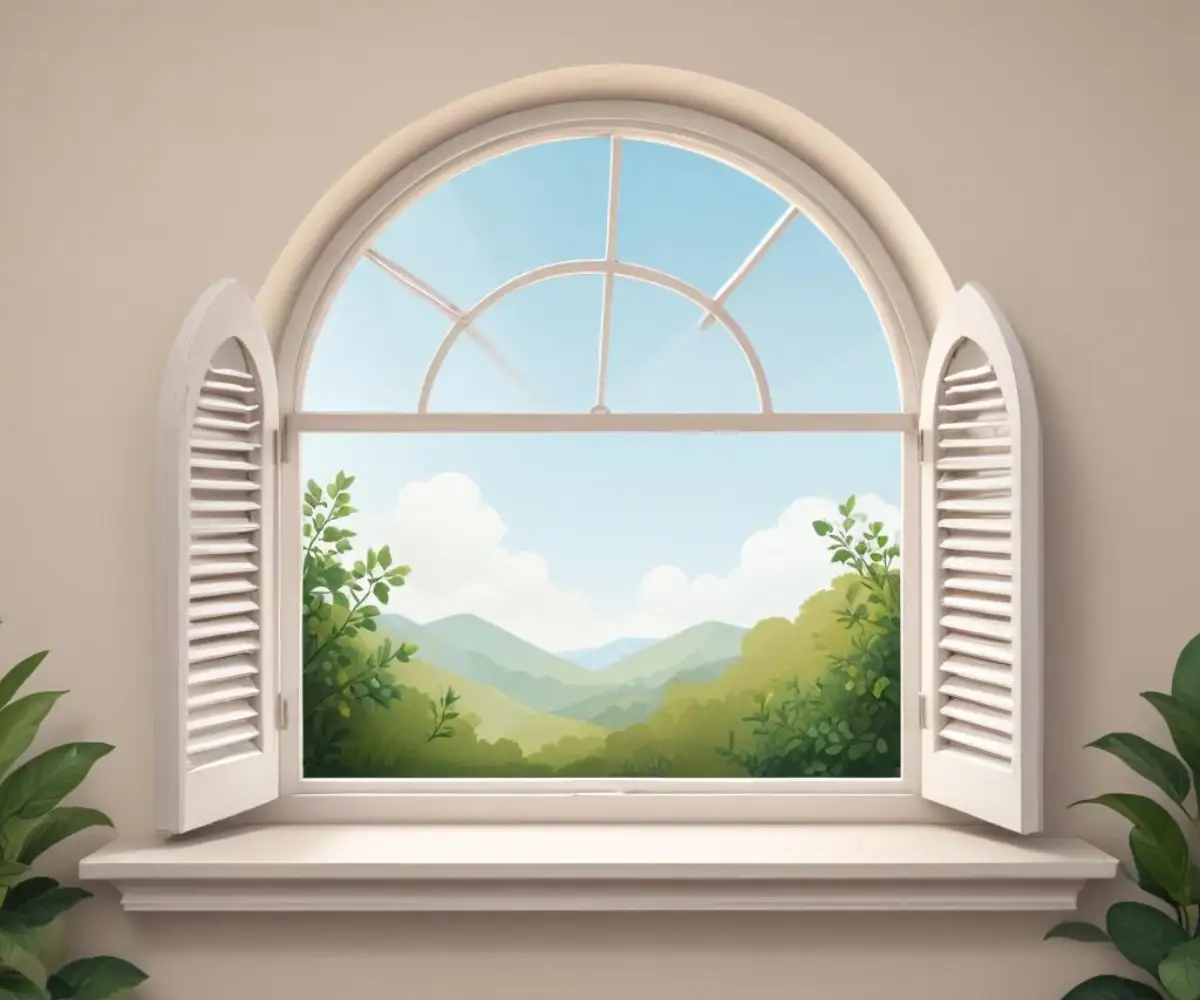
Popular custom options include plantation shutters, which can be crafted with a “sunburst” design that follows the arch, or with movable louvers for adjustable light. Cellular shades are another excellent choice, known for their insulating properties and ability to be made in a fan-like shape that fits perfectly within the half-moon. For a softer look, custom-fit Roman shades can add a touch of elegance.
DIY Window Film and Tinting
For a straightforward and cost-effective DIY solution, window film is an excellent choice. Available in various finishes, including frosted, tinted, and blackout, window film can be cut to fit the exact shape of your arch. Frosted film provides privacy while still allowing diffused light to enter, making it ideal for bathrooms or entryways.
UV-blocking or heat-control tints can significantly reduce solar gain, helping to keep rooms cooler and protect your interiors from sun damage. While applying the film can be tricky on a curve, creating a paper template first can help you achieve a clean, professional-looking result with minimal effort.
The Illusion of a Rectangular Window
A clever design trick is to use drapery to completely hide the arch, creating the illusion of a standard rectangular window. By installing a long curtain rod high above the peak of the arch—close to the ceiling—you can hang full-length curtains that cover the entire wall. This method not only solves light and privacy issues but also adds a sense of height and drama to the room.
When the curtains are closed, the window’s shape is completely concealed. When open, they frame the entire window assembly, making the room feel taller and more cohesive. This is an excellent strategy for bedrooms and living rooms where you want both complete darkness and a grand visual statement.
Solution 2: Removing the Half-Moon Window (The Structural Approach)
For those who want a permanent fix and a truly modern update, completely removing the half-moon window is the ultimate solution. This structural approach involves replacing the arched unit with a standard rectangular window or framing the opening and turning it into a solid wall. While more intensive and costly, this method provides a clean, contemporary look and eliminates all the functional problems associated with arched windows.
The Removal and Replacement Process
Removing an arched window is a job best left to experienced professionals, as it involves several critical steps. The process begins with removing the interior and exterior trim to expose the window unit and the surrounding wall structure. The entire window unit—often the half-moon and the rectangular windows below are a single assembly—is then carefully removed from the opening.
Next, a carpenter will reframe the top of the opening, removing the curved support and installing a straight header to accommodate a new rectangular window. Once the new window is installed and properly sealed, the exterior siding and interior drywall must be repaired, patched, and finished to blend seamlessly with the existing wall. This ensures a weather-tight seal and a flawless finish.
Cost Breakdown for Professional Removal
The cost of removing a half-moon window can vary significantly based on the window’s size, the type of exterior siding (brick is more costly to patch than vinyl), and local labor rates. The table below provides a general estimate of potential costs to help you budget for this project.
| Item or Service | Estimated Cost Range | Notes |
|---|---|---|
| Labor for Removal & Reframing | $500 – $1,500 | Includes removing the old window and framing a new rectangular opening. |
| New Rectangular Window | $300 – $1,200 | Cost depends on size, material (vinyl, wood, fiberglass), and energy efficiency. |
| Exterior Siding/Brick Repair | $400 – $2,000+ | Matching brick or stucco can be significantly more expensive than vinyl or wood. |
| Interior Drywall & Finishing | $300 – $800 | Includes new drywall, taping, mudding, and texturing. |
| Painting (Interior & Exterior) | $200 – $600 | Cost to paint the repaired areas to match existing surfaces. |
| Total Estimated Cost | $1,700 – $6,100+ | This is an estimate; obtain quotes from multiple contractors. |
When is Full Removal the Right Choice?
Deciding to completely remove a half-moon window is a significant investment. This option is best suited for homeowners undertaking a larger renovation, such as residing their house or remodeling an entire room. It’s also the ideal choice if the window is damaged, leaking, or severely inefficient.
Ultimately, if your primary goal is to fundamentally change your home’s architectural style and modernize its appearance, full removal is the most effective path forward. It offers a clean slate, allowing you to choose a window style that aligns perfectly with your design vision.
The Hidden Option: Framing Over the Interior
There is a third, often overlooked solution that offers a perfect compromise between temporary coverings and full structural removal. You can frame over the half-moon window from the inside, leaving the exterior appearance of the house unchanged. This innovative approach creates a standard, flat wall on the interior while preserving the home’s original architectural design from the outside.
Why Choose an Interior Frame-Over?
This method is uniquely suited for specific situations. If you live in a community with a strict Homeowners Association (HOA) that governs exterior modifications, an interior frame-over allows you to get the light control you need without breaking any rules. It’s also a more budget-friendly option than full removal because it avoids costly exterior work like siding, brick, or stucco repair.
By building a small interior wall in front of the arch, you achieve complete and total blackout—making it the ultimate solution for bedrooms or home theaters. This approach elegantly solves the interior problem without disturbing the home’s curb appeal.
DIY vs. Professional: A Reality Check
An interior frame-over can be a manageable DIY project for someone with basic carpentry and drywall skills. The process involves building a simple wood frame that fits snugly into the arched opening, attaching drywall to the new frame, and then taping, mudding, and painting to match the existing wall. The key is to ensure the new wall section is perfectly flush and seamless.
However, if you’re not confident in your finishing skills, hiring a professional handyman or contractor is a wise investment to ensure a flawless result. As you plan for these interior updates, it’s a good time to think about other elements that can complete the room’s transformation. For example, selecting from the best Lowes cabinets could complement the new, clean lines of your modernized wall.
Long-Term Considerations for Your Home’s Value
Any modification to your home’s architectural features can have an impact on its resale value and curb appeal. Before making a final decision, it’s important to weigh how your choice will affect the overall character and marketability of your property. Both preserving and altering these features have their own set of pros and cons.
The Impact of Modifying Architectural Features
Half-moon windows are a distinct stylistic element. For homes with a traditional, colonial, or Roman-inspired design, these arches can be a key part of their architectural identity. Removing them could potentially diminish the home’s unique character and make it appear less cohesive. However, if the arches feel out of place or contribute to a dated look, removing them can be seen as a valuable modernization.
Consider the architectural style of your neighborhood. If arched windows are a common feature on surrounding homes, keeping yours might be beneficial for maintaining a consistent aesthetic. On the other hand, if you are aiming for a standout modern design, a change could increase your home’s appeal.
Modernizing Your Home’s Aesthetic
Replacing an arched window with a clean, rectangular transom or a set of clerestory windows can instantly update your home’s look, both inside and out. This shift towards simpler, geometric lines is a hallmark of contemporary design. It reflects a broader trend of moving away from ornamental details in favor of sleek, functional elements.
This type of update is often part of a larger modernization effort. Homeowners are increasingly focusing on cohesive design, where every detail matters. This includes small but impactful touches, such as ensuring you have the right cabinet hardware to match Brizo luxe gold finishes in your kitchen or bathroom, to create a harmonious and high-end feel throughout the home.
Reclaiming Your Space: The Final Decision
Ultimately, the decision of how to handle your half-moon windows comes down to your personal priorities. Whether you choose to cover, remove, or frame over the arch, the goal is to create a space that is comfortable, functional, and aligns with your personal style. Each path offers a valid solution to the common problems these windows present.
Carefully consider your budget, long-term goals, and aesthetic preferences to determine the best course of action. Home improvement is about tailoring your environment to suit your lifestyle, whether that involves installing new window treatments or embarking on larger DIY projects, like building DIY outdoor smoking shelters for home. By exploring all available options, you can confidently transform a frustrating feature into a well-loved part of your home.
