
Hate Your Mansard Roof? Here’s How to Get Rid of It for Good
The mansard roof, with its distinct four-sided gambrel-style design, can be a charming architectural feature. However, for many homeowners, it feels more like a relic of the past—one that comes with a host of frustrating problems.
If you’re tired of the dated look, constant maintenance, and poor energy efficiency, you’re not alone. Transforming or completely removing a mansard roof is a major undertaking, but it can drastically improve your home’s curb appeal, functionality, and value.
You'll Learn About
Why That Mansard Roof Has to Go: Unpacking the Common Problems
Beyond aesthetics, there are practical reasons why so many homeowners consider getting rid of their mansard roofs. This style, while unique, presents several structural and maintenance challenges that are difficult to ignore.
The Dated Aesthetic Dilemma
Many mansard roofs were built in the 1970s and 80s, and their style can make a house look tired and out of place in a modern neighborhood. The heavy, top-heavy appearance can feel imposing and often detracts from the home’s overall architectural harmony, making a remodel feel necessary.
This design can also limit natural light in the upper story, making rooms feel darker and less inviting. For those seeking a more contemporary or timeless look, the mansard style presents a significant design hurdle.
Maintenance Nightmares and Leakage Risks
The complex structure of a mansard roof, with its steep lower slope and nearly flat top section, creates numerous points where problems can arise. The low-pitched upper roof is particularly susceptible to water pooling and leaks, which can lead to costly interior damage if not addressed immediately. Proper drainage is critical and often more complex to achieve than with simpler roof designs.
Furthermore, the steep sides make repairs and inspections challenging and dangerous. Shingles on these near-vertical surfaces are prone to slipping or falling off, especially if not installed with specialized techniques, leading to a cycle of frequent and expensive repairs.
Poor Energy Efficiency and Insulation Woes
The attic or living space created by a mansard roof is notoriously difficult to insulate properly. The awkward angles and boxed-in structure often result in poor ventilation and inadequate insulation coverage. This leads to significant heat loss in the winter and heat gain in the summer.
Consequently, homeowners often face higher energy bills and uncomfortable indoor temperatures. Addressing these insulation issues can be a complex and invasive project in itself.
Structural Integrity Concerns
Over time, the weight and complex framing of a mansard roof can put a strain on a home’s structure. Flashing failures around dormer windows and at the junctions between the steep and flat sections are common weak points for water intrusion. This moisture can lead to rot in the underlying roof decking and framing, compromising the structural integrity of the entire roof system.
The Ultimate Decision: Removing vs. Remodeling Your Mansard Roof
Once you’ve decided to address your mansard roof, you face a critical choice: a complete removal and replacement or a strategic remodel. Both paths can yield stunning results, but they differ significantly in scope, cost, and impact on your home’s structure. A full removal is a major construction project, while a remodel aims to update the look without altering the fundamental structure.
Understanding the differences is key to making the right decision for your home and budget. Considering how home design trends evolve, similar to questioning if two-tier kitchen islands are out of style, updating your roof can be a pivotal step in modernizing your entire property.
| Factor | Full Roof Removal & Replacement | Modernizing/Remodeling Existing Roof |
|---|---|---|
| Aesthetic Impact | Complete transformation. Allows for a new architectural style (e.g., Gable, Hip). | Significant update. Modernizes the look but retains the original roof shape. |
| Average Cost | High. Involves demolition, structural engineering, new framing, roofing, and siding. Often $50,000+. | Moderate. Less invasive, focusing on materials and cosmetic changes. Typically $15,000 – $35,000. |
| Project Timeline | Lengthy (Several weeks to months). | Shorter (One to three weeks). |
| Structural Changes | Major. Requires a structural engineer and architect. New walls and roof trusses are built. | Minimal. Primarily involves recladding, new windows, or dormers. No major structural alterations. |
| Best For | Homeowners seeking a completely new look and to eliminate all inherent mansard roof issues. | Homeowners on a tighter budget or those who want to improve curb appeal without a full-scale renovation. |
The Step-by-Step Guide to Removing a Mansard Roof
Removing a mansard roof is not a DIY project. It requires a team of professionals, including an architect, a structural engineer, and experienced contractors, to ensure the new structure is safe, sound, and seamlessly integrated with the rest of your home.
Phase 1: Planning and Professional Consultation
The first step is to hire an architect or a design-build firm. They will assess the feasibility of the project and create a new design that complements your home’s existing style. A structural engineer is essential to determine how the removal will impact your home’s load-bearing walls and foundation and to design the necessary structural supports for the new roofline.
This phase also involves navigating local building codes and securing the required permits. This is a critical step that ensures the project is legally compliant and safe.
Phase 2: Structural Assessment and Design
The engineer will conduct a thorough analysis of your home’s current structure. Based on these findings, the architect will finalize the design for the new roof—whether it’s a traditional gable, a stately hip roof, or another style that suits your vision. This design will serve as the blueprint for the entire construction process.
Phase 3: The Demolition Process
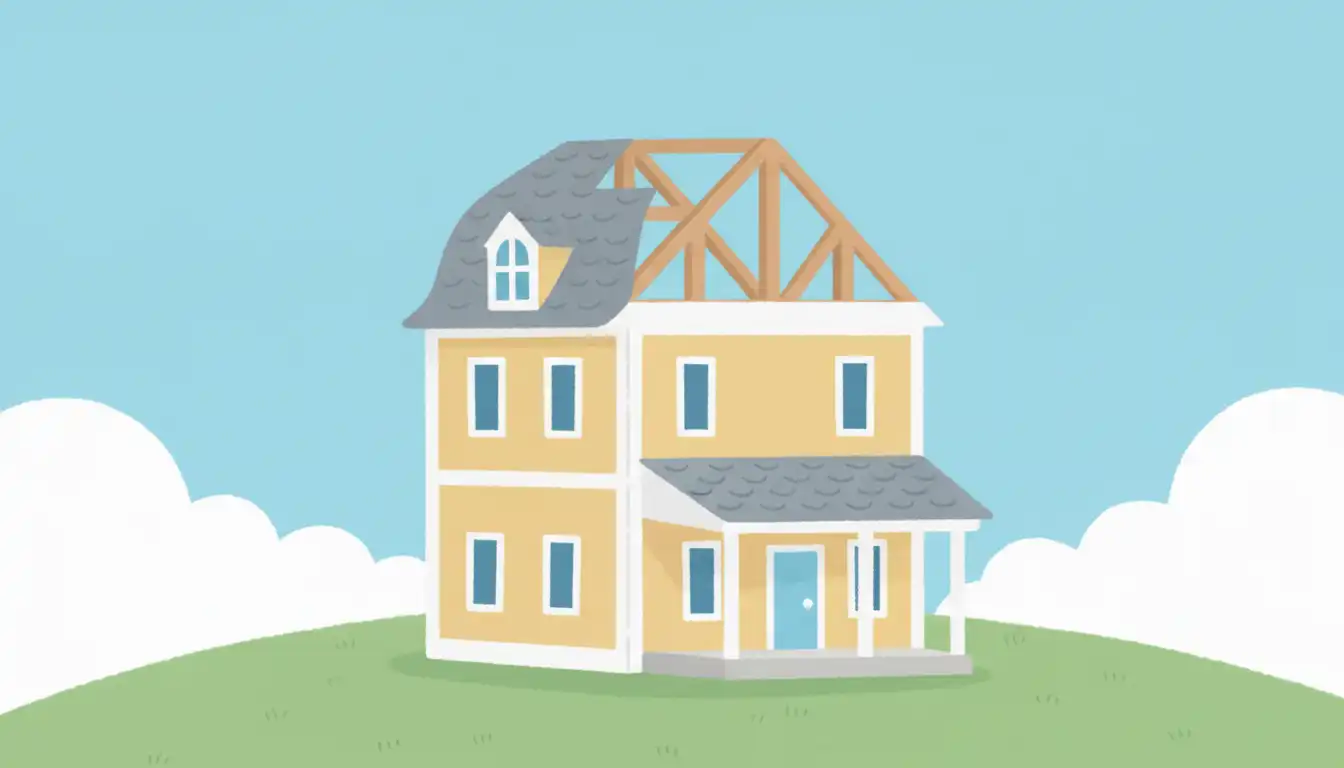
Once the plans are approved, the construction crew will begin the careful process of dismantling the old roof. This involves removing the existing roofing material, the underlying sheathing, and the complex framing of the mansard structure itself. This phase can be disruptive, and it’s essential to have a plan for protecting your home’s interior from the elements.
Phase 4: Framing the New Roof and Walls
With the old roof gone, the team will construct the new exterior walls to the required height for the new roofline. Then, they will install the new roof trusses or rafters according to the architectural plans. This is where the new shape of your home truly begins to emerge.
Phase 5: Finishing Touches – Roofing, Siding, and Windows
Finally, the new roof is sheathed and covered with your chosen roofing material. New siding is installed on the upper walls to blend seamlessly with the rest of the house. This is also the perfect time to install new, energy-efficient windows or skylights to complement the transformation.
Smart Alternatives: Modernizing Without Full Removal
If a full removal isn’t feasible, you can still make a dramatic impact by modernizing the existing mansard roof. These updates can solve many of the aesthetic issues and even some of the functional ones at a fraction of the cost.
Recladding for a Contemporary Facelift
One of the most effective ways to update a mansard roof is to replace the dated shingles on the steep slopes with a modern material. Standing-seam metal roofing, sleek fiber cement panels, or natural wood siding can instantly transform the look from dated to contemporary. This approach can be particularly effective when paired with a new color scheme for the rest of the home’s exterior.
Adding Dormers and Windows
Breaking up the large, monolithic slope of a mansard roof with dormers can add architectural interest and much-needed natural light to the upper floor. This not only improves curb appeal but also enhances the usability of the interior space. It’s an opportune time to consider upgrades, such as a wood window in a shower, to introduce unique design elements throughout the home.
Changing the Color Palette and Materials
Never underestimate the power of color. Painting the mansard siding a dark, modern color like charcoal or a deep blue can create a sophisticated, grounded look. Combining different materials and textures can also add depth and character, moving your home’s aesthetic far away from its 1970s origins.
Budgeting for Your Mansard Roof Transformation
The cost to remove or remodel a mansard roof varies widely based on your home’s size, location, the complexity of the new design, and the materials you choose. A full removal is a significant investment, often comparable to adding a new story to your home. Remodeling is more budget-friendly but still requires a substantial financial commitment.
While the upfront cost is high, the return on investment can be significant. This type of major exterior renovation dramatically boosts curb appeal, which can increase your property’s market value. It also resolves long-standing maintenance and energy efficiency issues, saving you money in the long run.
The Unspoken Challenge: Integrating the New Look with Your Home’s Architecture
A critical aspect that is often overlooked in the excitement of a renovation is the importance of holistic design. Simply removing the mansard structure and adding a new roof isn’t enough. The new design must be thoughtfully integrated with the home’s existing proportions, window placement, and overall architectural style.
A poorly executed conversion can result in an awkward, disjointed appearance where the new second story looks like an afterthought. This is why the role of a skilled architect is so crucial. They will ensure that the new roofline, wall height, and exterior finishes work in harmony to create a cohesive and aesthetically pleasing final result. This careful planning prevents a costly mistake and ensures the renovation truly adds to, rather than detracts from, your home’s value and beauty.
Whether you choose to remove it entirely or give it a modern facelift, addressing a dated and problematic mansard roof is a transformative project. It’s an opportunity to redefine your home’s character, improve its performance, and create a space that you truly love. And as you tend to your new exterior, you might even be inspired to take on other projects, like learning how to make yucca extract for your revitalized garden.
