
Determine Soil Temperature Without a Thermometer: 5 Pro Tricks
You feel the warm spring sun on your face, the days are getting longer, and the urge to plant your garden is undeniable. You have seeds in hand, beds prepared, but a critical question remains: is the soil actually warm enough? Planting seeds or seedlings into cold, damp earth is a recipe for disaster, leading to poor germination, rot, and stunted growth.
Many gardeners believe a special soil thermometer is the only way to get an accurate reading. While helpful, it’s not essential. For centuries, growers have relied on keen observation and sensory clues from the natural world to know precisely when to plant.
You'll Learn About
Why Soil Temperature Is the Unsung Hero of the Garden
Air temperature can be deceiving. A string of sunny days might warm the air, but the soil heats up at a much slower pace. This underground temperature is what truly dictates the success of your early-season planting efforts.
Optimal soil temperature is vital for kickstarting the chemical reactions that tell a seed it’s time to break dormancy and grow. For cool-season crops like spinach and peas, this can be as low as 50°F. In contrast, heat-loving plants like tomatoes and peppers demand soil temperatures of 70°F or more to germinate successfully.
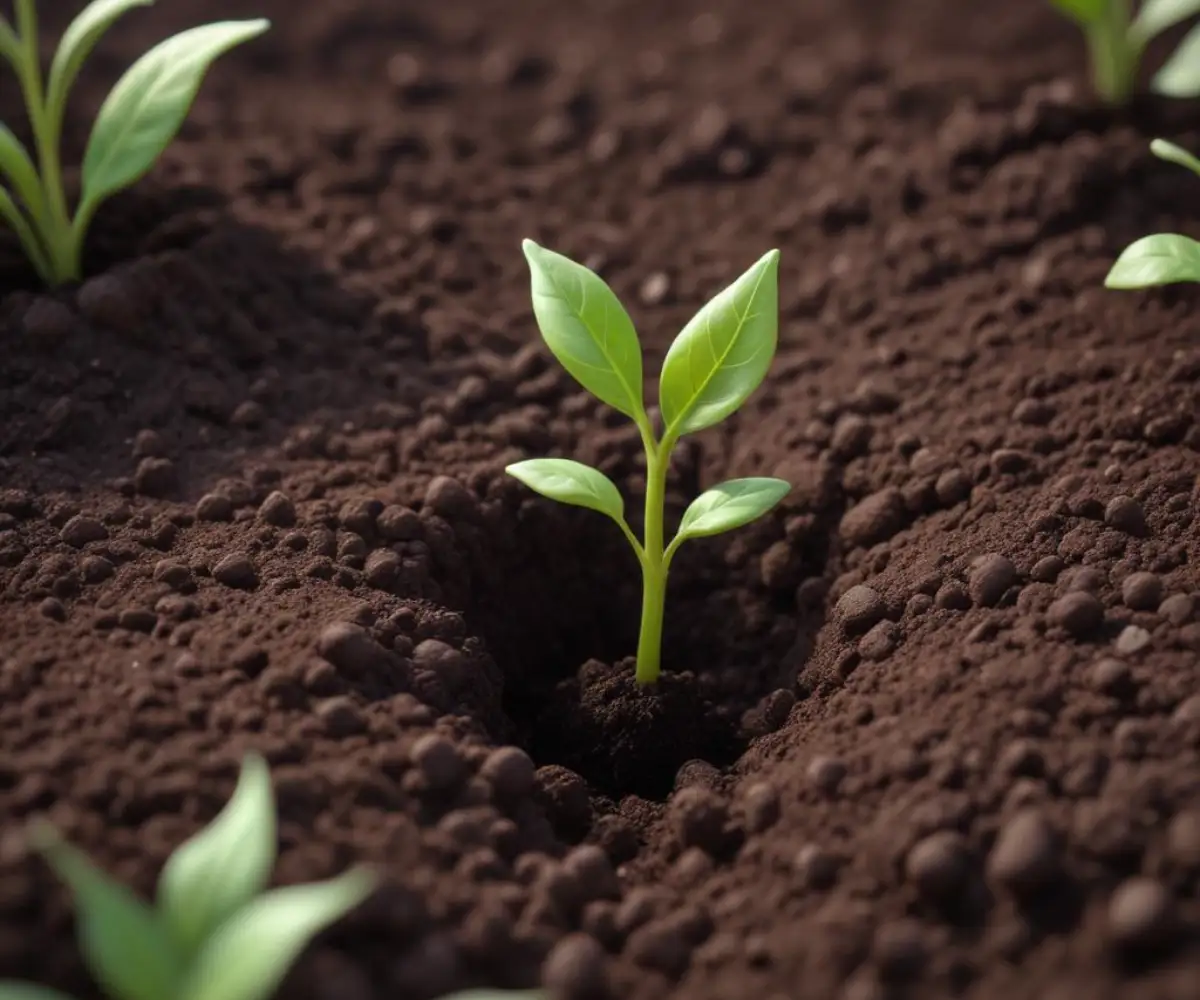
Planting too early in cold soil puts immense stress on seeds and young plants. They may fail to sprout entirely or, if they do, their growth will be weak, making them susceptible to disease and pests. This can lead to issues like phlox transplant shock when moving delicate flowers into a harsh, cold environment.
Nature’s Thermometers: 5 Ways to Read the Soil
Instead of relying on a gadget, you can learn to read the subtle and reliable signs that nature provides. These time-tested methods connect you more deeply with the rhythms of your garden and climate. From the feel of the earth to the behavior of weeds, the clues are all around you.
1. The Simple Hand Test: Your Built-in Sensor
One of the most direct and oldest methods is the tactile test. Your own hand is a surprisingly sensitive tool for gauging soil readiness. The process is simple but reveals a lot about the conditions several inches below the surface, right where new roots will be growing.
To perform the test, find a representative spot in your garden bed and dig down about 4 to 6 inches. Place the back of your hand against the soil and hold it there for a full minute. If the soil feels uncomfortably cold and damp, it is too early for most seeds. For cool-season crops like lettuce and radishes, the soil should feel cool but not biting. For warm-season crops like beans and corn, you should be able to press your hand into the soil without discomfort—it should feel pleasantly cool to neutral.
2. Weed Germination: Unwanted Plants with a Purpose
Weeds are often seen as a nuisance, but they are also powerful bio-indicators. Different weed species have specific soil temperature thresholds for germination, making them an excellent free guide for planting.
Pay close attention to which weeds are sprouting in your garden. For example, the emergence of smooth crabgrass is a reliable sign that soil temperatures have consistently reached 55°F for several days. The blooming of forsythia bushes often coincides with this, signaling it’s time to address crabgrass before it takes over but also that the soil is ready for cool-season vegetables. When you see dandelions blooming, the soil is typically warm enough for planting potatoes.
3. Phenology: Let Other Plants Be Your Calendar
Phenology is the science of observing nature’s cycles, such as flowering plants and animal migrations, as indicators of climatic conditions. Gardeners can use these events as reliable cues for planting times, a method that is often more accurate than following a rigid calendar date.
Classic phenological signs have been passed down for generations. A well-known piece of wisdom is to plant peas when the forsythia blooms. Wait until the lilac flowers are in full bloom before planting tender beans and squash. When you see oak leaves that are the size of a squirrel’s ear, it’s traditionally the right time to plant corn.
4. The Soil Workability Test: Structure Reveals Readiness
The physical condition of your soil is another strong indicator of its temperature and readiness for planting. Cold soil holds more moisture and has a dense, sticky structure, while warmer soil is drier and more crumbly. The “squeeze test” is a perfect way to assess this.
Take a handful of soil from a few inches below the surface and squeeze it firmly in your fist. If water drips out and the soil remains in a tight, muddy ball when you open your hand, it is too cold and wet to work. If the ball crumbles apart easily with a light poke, your soil is likely warm and dry enough for planting. This ideal, crumbly texture is exactly what you want when preparing garden soil for grass seed to ensure good seed-to-soil contact.
5. Earthworm Activity: A Sign of Life and Warmth
The creatures living within the soil also provide valuable clues. Earthworms and soil microbes are most active when the soil is warm and hospitable. A lack of visible earthworm activity can be a sign that the ground is still too cold for robust biological processes, including seed germination.
Dig into your garden bed and observe. If you find plenty of active, wriggling earthworms, it’s a positive indicator that the soil ecosystem is “awake” and warm enough to support new plant life. Additionally, take note of the soil’s aroma; warm, healthy soil rich with microbial life will have a distinctly sweet, earthy smell, whereas cold, inert soil often smells flat or metallic.
Quick Reference: Nature’s Planting Guide
To help summarize these natural indicators, here is a simple table you can use as a quick reference. This guide connects common natural events to the approximate soil temperature they signal, helping you decide what to plant and when.
| Natural Indicator | Approximate Soil Temperature (at 4 inches) | Crops Ready for Planting |
|---|---|---|
| Forsythia begins to bloom | 50-55°F (10-13°C) | Peas, spinach, lettuce, radishes |
| Dandelions are in full bloom | 60°F (15°C) | Potatoes, kale, chard, carrot seeds |
| Lilacs are in full bloom | 65°F (18°C) | Beans, summer squash, corn |
| Bearded irises are blooming | 70°F+ (21°C+) | Tomatoes, peppers, eggplant, melons |
Common Mistakes to Avoid When Planting Early
Even with nature’s guidance, a few common pitfalls can trip up the eager gardener. Being aware of these can save you from wasted seeds and disappointing results.
Confusing Air Temperature with Soil Temperature
The most frequent mistake is assuming a few warm, sunny days mean the soil is ready. Soil acts as a massive insulator and takes much longer to warm up than the air. Always check the conditions at root depth, not just on the surface.
Ignoring Your Garden’s Microclimates
Not all parts of your yard are the same. A south-facing bed against a brick wall will warm up weeks before a shaded area on the north side of your house. Test different locations in your garden to understand these microclimates and use them to your advantage for succession planting.
Planting Everything at Once
Resist the urge to plant your entire garden in one weekend. Use these observational techniques to stagger your planting. Start with cool-season crops when the first signs appear and wait for the later indicators to plant your heat-loving vegetables. This approach works with nature’s timing, not against it.
Trusting Nature Over the Calendar
Learning to determine soil temperature without a thermometer is more than just a gardening hack; it’s about developing a deeper connection with your local environment. By observing the weeds, the trees, and the very feel of the earth, you can make smarter planting decisions that lead to a healthier, more productive garden.
This spring, put the thermometer away and let nature be your guide. Your patience will be rewarded with stronger plants, better germination rates, and a garden that truly thrives in its natural rhythm. This observant approach ensures your soil is not just a medium for planting but a living partner in your gardening success.
