
Change Cathedral Cabinet Doors & Modernize Your Kitchen Fast
Does your kitchen feel trapped in a bygone era? Often, the culprit isn’t the entire room but a single, prominent feature: cathedral cabinet doors. Their signature arches, once the height of fashion, can now make a kitchen feel dated and heavy.
Many homeowners face the dilemma of wanting a modern update without the cost and chaos of a full remodel. The problem is knowing where to start. Changing your cabinet doors is one of the most impactful updates you can make, instantly transforming the style and feel of your space.
This guide provides a comprehensive roadmap to replacing those arched doors. We will explore everything from selecting new styles to the final installation, empowering you to reclaim your kitchen’s aesthetic. This project is more than a simple swap; it’s about redefining the heart of your home.
You'll Learn About
Why Cathedral Cabinets Can Date Your Kitchen
Cathedral cabinets rose to popularity in the late 20th century, defining the look of kitchens for decades. Their graceful arch offered a touch of traditional elegance. However, design trends have since shifted towards cleaner lines and simpler forms.
Today’s design landscape favors minimalism and functionality, making these ornate doors feel out of step. If you’ve ever wondered, “are cathedral cabinet doors out of style?,” the answer often lies in the desire for a more contemporary look. The pronounced arch can visually shorten the room and create a busier appearance than modern slab or Shaker-style doors.
Planning Your Cabinet Door Transformation: The Essential First Steps
A successful project begins with careful planning. Before you remove a single screw, take the time to measure accurately and set a realistic budget. These initial steps will prevent costly mistakes and ensure a smooth process from start to finish.
Proper preparation is the foundation of a professional-looking result. Rushing this stage is one of the most common DIY pitfalls. Grab a tape measure and a notepad, and let’s lay the groundwork for your kitchen’s refresh.
Measure Twice, Buy Once: A Foolproof Guide
Accurate measurements are non-negotiable. An error of just a fraction of an inch can result in doors that don’t fit properly. If you are replacing your old doors with new ones of the same size, the process is simple: measure the width and height of each existing door to the nearest 1/16th of an inch.
If you’re starting without existing doors or want a different overlay (the amount the door covers the cabinet frame), you’ll need to measure the cabinet opening first. Then, add the desired overlay amount to each of the four sides. For example, for a 1/2-inch overlay, you would add 1 inch to both the total width and total height of the opening measurement.
Setting a Realistic Budget for Your Project
The cost of replacing cabinet doors can vary significantly based on material, style, and whether you do the work yourself. New doors can range from affordable MDF (Medium-Density Fiberboard) options to high-end solid wood. Don’t forget to factor in the cost of new hinges, handles or knobs, and finishing supplies like primer and paint.
Create a detailed list of all potential expenses to get a clear picture of the total investment. This includes tools you may need to purchase, such as a drill or a hinge jig. Having a clear budget from the outset helps guide your decisions and prevents overspending.
Choosing Your New Cabinet Doors: A World of Options
This is the most exciting part of the process: selecting a style that reflects your personal taste and modernizes your space. Moving away from the cathedral arch opens up a variety of design possibilities. Your choice of door style, material, and finish will define your kitchen’s new character.
Consider the overall aesthetic you want to achieve. Are you aiming for a sleek, minimalist look, a warm and transitional feel, or something in between? The right doors will serve as the centerpiece of your kitchen’s new design.
Styles That Modernize: Shaker, Slab, and More
Shaker-style doors are a timeless and incredibly popular choice. Characterized by a simple frame and a recessed center panel, they offer a clean, classic look that bridges traditional and contemporary design. Their versatility makes them a safe yet stylish bet for almost any kitchen.
For a truly modern aesthetic, consider slab or flat-panel doors. These feature a single, smooth surface with no ornamentation, creating a sleek and minimalist appearance. They are exceptionally easy to clean and contribute to an uncluttered, streamlined look.
Material Matters: Wood vs. MDF vs. Thermofoil
Solid wood doors offer timeless beauty and durability but come at a higher price point. MDF is a more budget-friendly engineered wood product that provides a perfectly smooth surface for painting. Thermofoil doors consist of an MDF core with a vinyl laminate heated and sealed on top, offering a durable, easy-to-clean finish in a variety of colors.
Each material has its pros and cons regarding cost, durability, and maintenance. Researching these options will help you find the best fit for your lifestyle and budget. The right material ensures your new doors will look great for years to come.
The Finish Line: Paint, Stain, or Factory Finish?
The finish you choose has a major impact on the final look. Painting your doors, especially in a light color like white or gray, can dramatically brighten your kitchen. Staining allows the natural grain of wood doors to show through, adding warmth and texture.
Many companies also offer factory-finished doors that arrive ready to hang. While this can be more expensive, it provides a durable, professional-quality finish without the labor of doing it yourself. Consider the time and effort you’re willing to invest in the finishing process.
The Ultimate Step-by-Step Guide to Replacing Your Cabinet Doors
With planning complete and your new doors selected, it’s time for the transformation to begin. This step-by-step guide will walk you through the process of removing your old cathedral doors and installing your beautiful new ones. Work methodically and take your time for the best results.
Replacing cabinet doors is a manageable DIY project for many homeowners. Following these instructions carefully will help you achieve a professional-looking finish that completely revitalizes your kitchen.
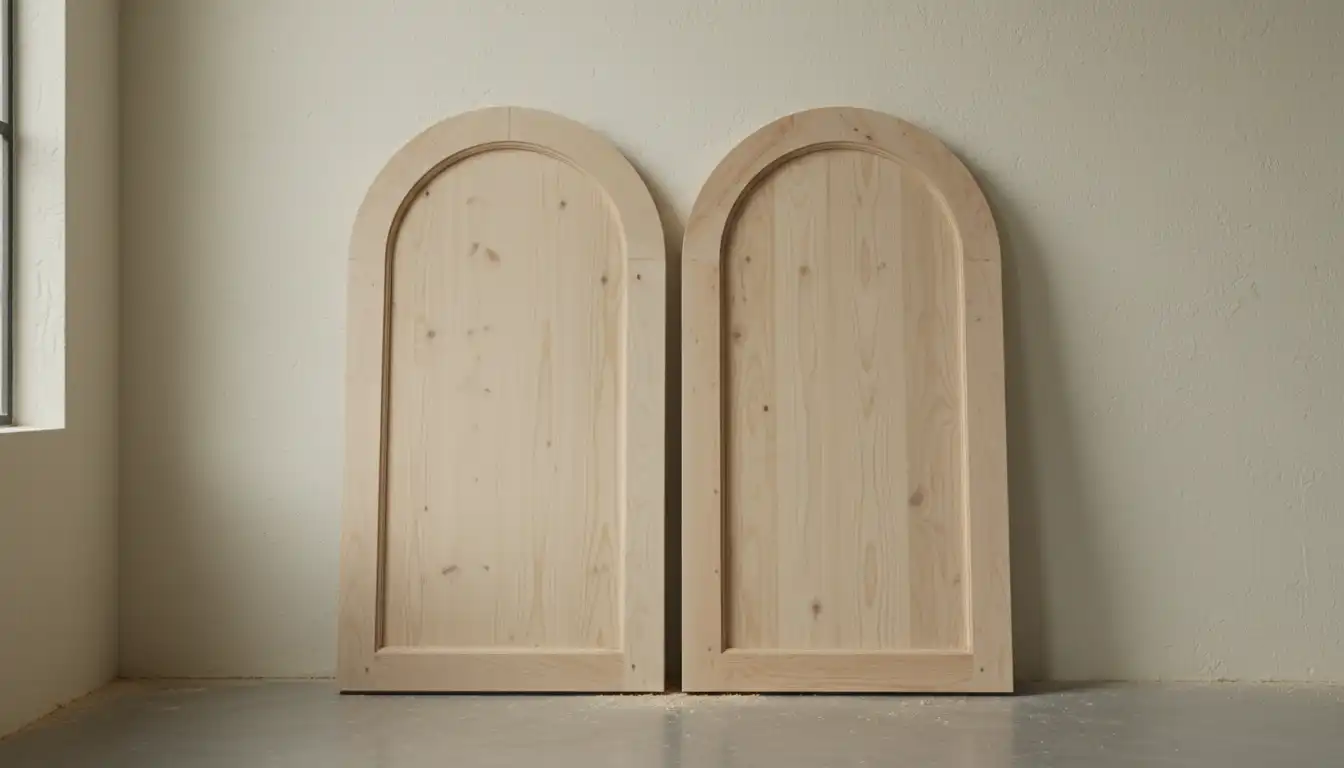
Step 1: Gathering Your Tools and Materials
Before you begin, assemble all the necessary tools. You will likely need a drill, a screwdriver, a tape measure, a pencil, and possibly a level. Having everything on hand before you start will make the process much more efficient.
Your materials list should include your new cabinet doors, new hinges, screws, and any hardware like knobs or pulls. If you plan to paint or stain the doors yourself, you’ll also need sandpaper, primer, paint or stain, and brushes or a sprayer.
Step 2: Carefully Removing the Old Doors and Hardware
Start by emptying your cabinets to give yourself clear access. Then, carefully unscrew the hinges from the cabinet frames and remove the old doors. It’s a good idea to label each door and its corresponding cabinet opening as you go, especially if your cabinets are different sizes.
Once the doors are off, remove the old hinges and hardware from them. Keep the old screws and hinges in a container until you are certain your new hardware has everything you need. This is also a great opportunity to thoroughly clean the inside of your cabinets and the frames.
Step 3: Prepping Your Cabinet Boxes for a Flawless Look
Do not overlook the cabinet frames. Since the frames will remain visible, their condition is crucial for a seamless final look. Clean the frames thoroughly with a degreasing cleaner to remove any built-up grime.
If you are changing the color of your doors, you will need to refinish the frames to match. This typically involves light sanding, priming, and then painting or staining. This extra step ensures a cohesive and professional appearance, making it look like you replaced the entire cabinetry.
Step 4: The Critical Art of Hinge Installation
Installing hinges correctly is vital for doors that hang straight and operate smoothly. Many modern doors come pre-bored for specific types of concealed hinges, often called European hinges. If your doors are not pre-bored, a hinge jig is an invaluable tool for drilling the cup holes in the correct location.
Upgrading to soft-close hinges is a small investment that makes a huge difference in the feel and functionality of your kitchen. They prevent slamming and add a touch of modern luxury. Ensure the hinges you choose are compatible with your cabinet type (face-frame or frameless).
Step 5: Hanging and Adjusting Your New Doors
Attach the hinges to your new doors first. Then, with the help of a partner or a cabinet door jig to hold the door in place, attach the hinges to the cabinet frame. Start all the screws but don’t tighten them completely until you are happy with the alignment.
Most modern hinges are adjustable in three directions (up/down, in/out, and side-to-side). Use these adjustment screws to get the spacing around each door perfectly even. This fine-tuning is the key to a polished, professional installation.
Beyond Simple Replacement: Creative Alternatives
While a full door replacement is transformative, there are other creative strategies to update your kitchen’s look. These alternatives can be used in combination with new doors or as standalone projects to breathe new life into your space. They offer opportunities for customization and can often be more budget-friendly.
Thinking outside the box can lead to a truly unique kitchen design. Consider these options to add personality and enhance the functionality of your cabinetry.
The Hybrid Approach: Mixing Styles for a Custom Look
You don’t have to replace every single door to make a significant impact. Consider a two-tone kitchen by replacing only the upper cabinet doors with a new style or color, while painting the lower cathedral doors to match or complement them. This creates a custom, designer look with less expense.
This approach breaks up the monotony of a single cabinet style. For instance, pairing modern slab doors on top with painted Shaker doors below adds visual interest and depth. It’s a sophisticated strategy that feels both intentional and unique.
Glass Inserts: Opening Up Your Space
Another excellent option is to replace the center panels of a few existing cathedral doors with glass. This can make a small kitchen feel larger and more open by creating visual depth. It also provides a beautiful way to display your favorite dishes or glassware.
You can choose from a variety of glass styles, from clear or frosted to textured or seeded, to match your desired aesthetic. This modification works particularly well on upper cabinets and can be a more affordable update than full door replacement.
DIY vs. Hiring a Pro: Making the Right Call
Deciding whether to tackle this project yourself or hire a professional depends on your skill level, available time, and budget. Replacing cabinet doors is a very achievable DIY project, but it requires patience and attention to detail. A professional refacing company can complete the job quickly and flawlessly but at a higher cost.
Carefully weigh the pros and cons of each option. The table below provides a clear comparison to help you make an informed decision that’s right for your situation.
| Factor | DIY Door Replacement | Professional Refacing | Full Cabinet Replacement |
|---|---|---|---|
| Cost | Low (materials only) | Medium (labor and materials) | High (new cabinets, labor, potential plumbing/electrical) |
| Time Commitment | Medium to High (several weekends) | Low (typically 2-4 days) | High (weeks to months) |
| Skill Level Required | Basic to Intermediate carpentry skills | None (handled by experts) | Advanced (often requires multiple trades) |
| Disruption | Minimal; kitchen remains usable | Low to Medium | Very High; kitchen is unusable for an extended period |
Finishing Touches: Integrating Your New Cabinets
Once your new doors are installed, the final touches will tie the whole room together. New cabinet hardware is a must. Knobs and pulls are like jewelry for your cabinets and are a fantastic opportunity to inject style, whether you choose sleek modern pulls or classic knobs.
Step back and look at the bigger picture. Your new cabinet doors can influence the entire room’s design. The clean, vertical lines of new Shaker or slab doors can create an illusion of height, a design trick that works especially well when considering options like 8 ft vs 9 ft ceilings, as it draws the eye upward.
Consider bringing elements of nature into your new kitchen design to soften the hard surfaces. The color palette for your walls or backsplash could be inspired by the view from your kitchen window. Imagine how the delicate pink blossoms of a Kwanzan cherry tree in a container on the patio could inspire a subtle accent color, creating a harmonious link between your indoor and outdoor spaces.
A Timeless Kitchen Awaits
Changing your cathedral cabinet doors is more than just a weekend project; it’s a strategic investment in your home. It’s a powerful way to erase decades from your kitchen’s appearance, replacing dated arches with clean, modern lines that will stand the test of time.
By following the steps of careful planning, thoughtful selection, and precise installation, you can achieve a dramatic transformation. Your kitchen will not only look updated but will also feel more functional and aligned with your personal style. Enjoy the renewed energy and timeless appeal of the beautiful, modern kitchen you’ve created.
