
How Should Grommet Curtains Look When Closed? Get a Flawless Drape
You’ve chosen grommet curtains for their modern, clean lines, but when you close them, the result is… underwhelming. Instead of the elegant, uniform waves you envisioned, you see a flat, messy sheet of fabric that cheapens the look of your entire room.
This is a frustratingly common problem. The good news is that it’s rarely the fault of the curtains themselves; rather, it’s a matter of technique and setup. Achieving that perfect, professionally styled look is entirely possible.
You'll Learn About
The Anatomy of a Perfect Grommet Curtain Drape
Before diving into the solutions, it’s crucial to understand what the ideal grommet curtain display looks like. The goal is to create a series of deep, consistent folds that look just as intentional when closed as they do when open.
The Signature S-Fold: What It Is and Why It Matters
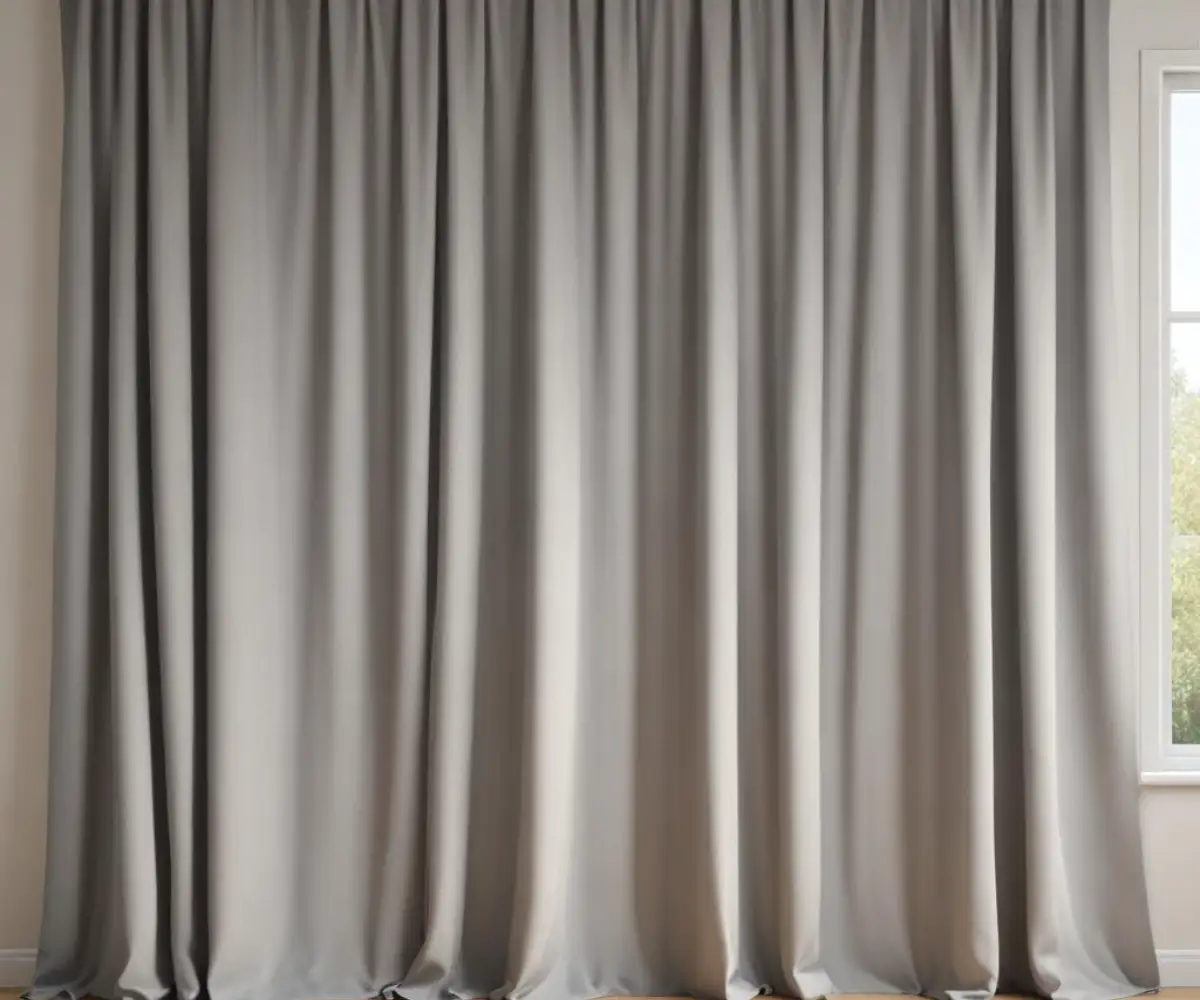
The hallmark of a properly hung grommet curtain is the deep, “S-shaped” fold. When closed, the curtains should not be pulled taut or flat. Instead, they should maintain a consistent, accordion-like pattern across the entire span of the window.
This structure adds dimension and a sense of luxury to the room. It’s this deliberate, sculptural quality that sets grommet curtains apart from other styles.
Fullness and Fabric: The Foundation of Luxurious Folds
The secret to achieving these deep folds lies in having the right amount of fabric. This is known as “fullness.” A curtain panel that is only as wide as the window will inevitably look stretched and sparse when closed.
The weight of the fabric also plays a significant role. Heavier materials like velvet, linen, or thick cotton blends have the necessary body to hold a crisp fold, while lighter, sheer fabrics will create a softer, more ethereal wave.
Achieving the Flawless Look: Your Step-by-Step Guide
Getting that designer drape is a matter of a few key details. From the hardware you choose to the way you hang the panels, every step matters. Follow this guide to transform your window treatments.
The Critical Role of the Curtain Rod
Your curtain rod is more than just a support; it’s an essential part of the system. The diameter of the rod should be at least half an inch smaller than the diameter of the grommets. This provides enough clearance for the curtains to slide effortlessly.
A common mistake is using a rod that is too wide, which causes the fabric to bunch up and the folds to look uneven. Smooth operation is key; just as a shower curtain gets stuck on a rod that’s improperly sized, your grommet curtains need the right fit to glide smoothly and look their best.
Measuring for Success: Getting the Fullness Right
To create those coveted deep folds, you need to use the correct fullness ratio. The total width of your curtain panels should be significantly wider than the width of your window. The ideal range is 1.5 to 2.5 times the width of the area you want to cover.
For most situations, a 2x fullness ratio is the sweet spot for grommet curtains, providing a lush, full appearance without being overly bulky. Refer to the table below to determine the best fullness for your desired look.
| Fullness Level | Recommended Ratio (Total Curtain Width vs. Window Width) | Resulting Appearance When Closed |
|---|---|---|
| Standard Fullness | 1.5x Window Width | Creates soft, gentle waves for a more casual look. |
| Deluxe Fullness | 2x Window Width | Achieves deep, defined S-folds for a classic, luxurious appearance. |
| Ultra Fullness | 2.5x Window Width | Provides a very rich, opulent drape with maximum light and sound insulation. |
The Secret to Even Folds: Training Your Curtains
Even with the right fullness, new curtains can sometimes look stiff or uneven. The solution is to “train” the fabric to hold the desired shape. This simple process makes a world of difference.
Once your curtains are hung, manually arrange them into the deep, even S-folds you want. Ensure each fold is uniform from top to bottom. Then, use loose ties or clips to secure these folds in place for a few days. After you release them, the fabric will have a “memory” of the folds, ensuring they hang perfectly.
Common Grommet Curtain Problems and How to Fix Them
If your curtains still aren’t looking right, don’t worry. Most issues are easily diagnosed and corrected with a few simple adjustments.
Problem: My Curtains Look Flat and Lifeless When Closed
This is almost always a sign of insufficient fullness. If your curtain panels combined are less than 1.5 times the width of your window, you simply don’t have enough fabric to create depth. The easiest solution is to add another curtain panel to each side.
If fullness isn’t the issue, the fabric may be too lightweight. You can add small drapery weights into the bottom hem to help pull the fabric down and create more defined folds.
Problem: The Folds Are Uneven and Messy
The first thing to check is your curtain rod. Ensure it is perfectly level, as even a slight tilt can cause the curtains to gather unevenly on one side. Also, confirm your support brackets are spaced correctly to prevent the rod from sagging in the middle.
If the hardware is correct, the curtains likely just need to be trained. Revisit the training process mentioned earlier, making sure to be precise when setting the folds.
Problem: The End of the Curtain Looks Awkward
A detail that often gets overlooked is how the final grommet on each end is treated. For a polished, professional finish, the end of the curtain panel should be turned towards the wall. This anchors the curtain and prevents the side of the window frame from being exposed.
To achieve this, simply ensure that the very last grommet hole on the rod is positioned between the wall-mounted bracket and the finial. This small adjustment creates a clean return to the wall and completes the look.
Beyond the Basics: Advanced Tips for a Designer Look
Once you have mastered the fundamentals, a few extra considerations can elevate your window treatments from good to great. These details create a truly custom and high-end feel.
The Importance of Stackback
Stackback is the amount of space the curtains occupy when they are fully open. To ensure your curtains don’t block the window and obstruct your view, your curtain rod should be long enough to extend well beyond the window frame.
A good rule of thumb is to add at least 10-15 inches on each side. This allows the “stack” of the open curtains to rest against the wall, maximizing natural light and creating a grander appearance for the window.
Pairing Grommet Curtains with Other Window Treatments
Grommet curtains offer a clean, structured frame that works beautifully in layered window designs. Placing a sheer curtain on a separate rod underneath can provide privacy while still allowing light to filter through. This combination adds both functionality and sophisticated depth.
For a truly refined window, consider layering your grommets over other treatments. The clean lines of grommet drapes pair beautifully with the warm, organic texture of wood blinds, creating a layered effect that offers both style and precise light control. Exploring curtains with wood blinds can unlock a new level of design for your space.
Your Perfect Window Awaits
Achieving a flawless look with grommet curtains when they are closed is not about luck; it’s about method. By focusing on adequate fullness, selecting the right hardware, and taking the time to train the fabric, you can create a stunning and professional-looking window treatment.
These simple steps will ensure your curtains provide not just privacy, but also a powerful design element that enhances the beauty of your entire room.
Frequently Asked Questions
How wide should grommet curtains be?
For a full and visually appealing look when closed, grommet curtains should ideally be 2 to 2.5 times the width of the window. This additional fabric ensures the curtains hang in neat, uniform pleats rather than looking stretched or skimpy. Proper fullness contributes to better light control and privacy.
How should the folds on grommet curtains look when closed?
When closed, the folds created by the grommets should appear neat, uniform, and evenly spaced. This creates a sleek and polished appearance without any awkward gaps or bunching. To achieve this, ensure the curtain rod is installed securely and is the correct diameter for the grommets to slide easily.
What is the ideal length for grommet curtains?
For a tailored and polished look, the bottom hem of the curtains should fall just above the floor. This prevents the fabric from dragging, which helps in keeping the curtains clean and enhances their durability. Hanging curtains close to the ceiling can also create the illusion of a taller room.
Should grommet curtains block out all light when closed?
Ideally, when closed, grommet curtains should effectively block external light and provide complete privacy. There should be no significant gaps or light leakage. The effectiveness of light blocking can also depend on the fabric type, with blackout fabrics offering the most light control.
How do I ensure there are no gaps when my grommet curtains are closed?
To prevent gaps, ensure your curtains are wide enough to cover the entire window with ample fullness. Additionally, proper installation of the curtain rod is crucial so the curtains hang straight without sagging. The last grommet on each end should be on the outside of the bracket to help anchor the curtain against the wall.
What kind of rod works best with grommet curtains?
A decorative rod that is slightly smaller in diameter than the grommets is the best choice. This allows the curtains to slide smoothly and easily. The exposed rod is a visible part of the overall look, so selecting a finish that complements your decor is important.
