
Costco Hostas: Your Secret to a Lush Garden on a Budget?
Every gardener dreams of a landscape filled with lush, vibrant foliage that looks effortlessly beautiful. The problem is that creating this dream garden often comes with a hefty price tag, as individual plants from specialty nurseries can quickly drain a budget. This financial barrier can leave you feeling like a stunning, mature garden is perpetually out of reach.
Enter the unexpected solution: Costco. While known for bulk groceries and electronics, their seasonal garden section presents a tempting offer—large bags of hosta roots for a fraction of the nursery price. Yet, this bargain brings its own set of worries: Are these plants healthy? Will they actually grow? Is this seemingly smart purchase secretly a horticultural gamble?
This guide will demystify the process of buying hostas from Costco, transforming that gamble into a calculated strategy. We will explore how to select the healthiest roots, the proper techniques for planting and care, and how to turn a single budget-friendly bag into a long-term investment for a truly spectacular garden.
You'll Learn About
The Allure of the Costco Hosta: Why Gardeners are Buzzing
The primary appeal of Costco hostas is undeniable: value for money. Gardeners can often purchase a bag containing multiple bare-root hostas, sometimes as many as eight or fifteen, for what one or two potted plants might cost at a traditional garden center. This bulk offering allows you to fill large, shady areas of your garden without the significant financial outlay typically required.
This cost-effectiveness makes Costco an attractive starting point for new homeowners or those undertaking a major garden renovation. The ability to acquire a large volume of robust, shade-loving perennials at once accelerates the journey to a full, established-looking garden. It’s an opportunity to achieve a high-impact look on a real-world budget.
Decoding the Costco Plant Aisle: What to Expect
When you venture into Costco during the spring planting season, you’ll typically find hostas sold in two main forms: large plastic bags of dormant, bare-root plants or, less commonly, potted and already leafed-out specimens. The bare-root bags are the most common and offer the greatest value. These packages usually contain a mix of popular and hardy varieties known for their reliability and vigorous growth.
Shopping for plants at Costco is often a “treasure hunt.” The inventory changes rapidly, and the best stock is usually available early in the season, typically in late winter or early spring. Arriving prepared and knowing what to look for is crucial to making a successful purchase before the best options are gone.
The Bare-Root Gamble: How to Pick a Winning Bag of Costco Hostas
Success with bare-root hostas begins in the store. Treating the selection process with a bit of scrutiny can dramatically increase your planting success rate. Don’t just grab the first bag you see; take a moment to inspect it carefully.
First, feel the bag. You want to feel firm, plump rhizomes (the horizontal root structures) inside. Avoid any bags that feel mushy, soft, or excessively wet, as this can be a sign of rot. Conversely, roots that feel lightweight and brittle are likely too dried out to be viable.
Look for visible “eyes,” which are the small, pointed buds from which leaves will sprout. The more healthy, firm eyes you can count, the more robust the plant will be. Some growth inside the bag is okay, but avoid plants that have already sent out long, pale, and spindly shoots, as this energy has been wasted in an environment without light.
Your Pre-Planting Prep for Bare-Root Success
Once you get your hostas home, your preparation is key to waking them up from dormancy and encouraging vigorous growth. Before planting, it’s beneficial to soak the bare roots in a bucket of lukewarm water for about 30 to 60 minutes. This simple step rehydrates the roots and gives them a much-needed drink after being in storage.
Carefully inspect each root division. Trim away any roots that are broken, mushy, or appear dead. This cleanup prevents potential rot and directs the plant’s energy toward developing healthy new growth. This initial care sets the stage for a successful transition into your garden soil.
From Cardboard Box to Garden Centerpiece: Planting Your Costco Hostas
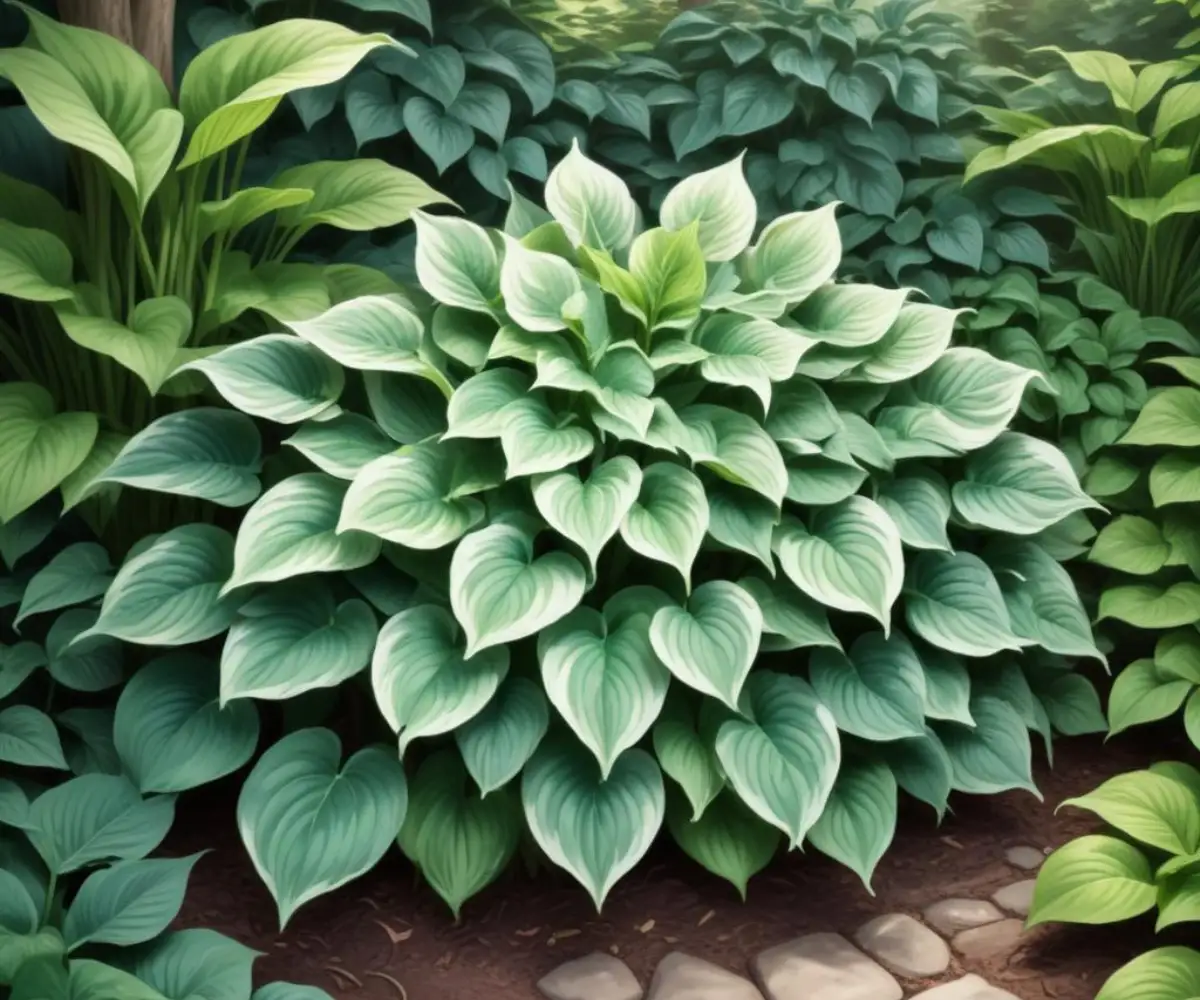
To give your budget-friendly hostas a premium start, proper planting is non-negotiable. Hostas are shade-loving plants, so choose a location that receives partial to full shade, especially protection from the harsh afternoon sun. Morning sun is generally well-tolerated and can even enhance the color of some varieties.
Hostas thrive in rich, well-draining soil. Prepare the planting site by amending your native soil with plenty of organic matter like compost or well-rotted manure. Dig a hole that is wide but not overly deep, about twice the width of the root mass. Create a small mound of soil in the center of the hole and spread the roots out over it, ensuring the crown (where the roots meet the base of the stems) is level with or just slightly below the soil surface.
Backfill the hole, gently firming the soil around the roots to eliminate air pockets. Water the newly planted hosta thoroughly to settle the soil and provide essential moisture. A good initial soaking helps establish strong contact between the roots and their new environment.
Essential First-Year Care for Thriving Hostas
The first year is critical for establishing a strong root system. Consistent moisture is the most important factor. Water your new hostas regularly, especially during dry spells, ensuring the soil remains moist but not waterlogged. Applying a two-inch layer of mulch around the base of the plant will help retain soil moisture, keep the roots cool, and suppress weed growth.
Keep an eye out for common hosta pests, primarily slugs and deer. Slugs are notorious for chewing holes in hosta leaves, while deer consider them a delicacy. Simple deterrents can protect your investment and ensure your plants have a chance to mature without being eaten.
Costco Hostas vs. Local Nursery: An Honest Comparison
While the value at Costco is compelling, it’s important to understand the trade-offs compared to buying from a local nursery. A nursery offers horticultural expertise, a wider and often more unique selection of cultivars, and plants that are already potted and actively growing. However, this comes at a significantly higher price point.
Deciding where to buy depends on your goals. If you need to fill a large space with reliable, common hosta varieties and are comfortable with the bare-root planting process, Costco is an unbeatable option. If you are searching for a specific, rare cultivar or desire personalized advice on plant selection and care, the expertise of a local nursery is invaluable. Much like when you should you tell a contractor your budget, being clear about your project’s scope and needs helps determine the best source for your materials.
| Feature | Costco | Local Nursery |
|---|---|---|
| Price | Excellent value, sold in bulk bags. | Higher price per individual plant. |
| Variety | Limited to popular, common varieties. | Wide selection, including rare and specialty cultivars. |
| Plant Form | Primarily dormant bare-root divisions. | Potted, actively growing plants. |
| Expert Advice | None available in-store. | Staffed by knowledgeable horticulturists. |
| Convenience | Requires immediate planting and care. | Ready to place directly in the garden. |
| Return Policy | Generous return policy on plants. | Varies, often with a limited guarantee. |
Maximizing Your Hosta Investment: Division and Long-Term Growth
One of the greatest benefits of hostas is their ability to be divided. This means your initial low-cost purchase from Costco is a long-term investment that multiplies over time. After three to five years, a mature hosta clump can be dug up and separated into several smaller plants, which can then be replanted in other areas of your garden or shared with fellow gardeners.
To divide a hosta, simply dig up the entire clump in the early spring, just as the new eyes are beginning to emerge. Use a sharp spade or garden knife to cut the clump into sections, ensuring each new division has at least two or three eyes and a healthy portion of roots. This process not only gives you free plants but also reinvigorates the parent clump, promoting healthier growth.
Common Questions and Concerns About Buying Hostas from Costco
Many gardeners have questions before committing to a bag of bare-root hostas. A frequent concern is whether the plants are labeled correctly. While mix-ups can happen, Costco’s suppliers are generally reliable, and the varieties are standard, well-known cultivars. Fortunately, Costco has a famously liberal return policy; if your plants fail to grow or you’re unsatisfied, you can typically return them for a full refund.
Another question is about longevity. As herbaceous perennials, hostas will die back to the ground in the winter and return each spring, bigger and more robust than the year before. With proper initial planting and basic care, your Costco hostas will be a permanent and rewarding feature in your garden for years to come.
Troubleshooting Your Costco Hostas: From Yellow Leaves to No-Shows
Even with the best care, you might encounter issues. If leaves turn yellow, it could be a sign of overwatering or poor drainage. Crispy brown edges often indicate underwatering or too much direct sun. Adjusting the plant’s environment is key; controlling light and moisture levels for your hostas is as critical as managing a complex system like 0-10v dimming multiple fixtures to achieve the right ambiance.
If a hosta fails to emerge in the spring, it may have fallen victim to rot from overly wet winter soil or simply wasn’t a viable root to begin with. Diagnosing plant problems often requires looking at the foundational elements, just as fixing an issue like water running back under metal roof requires investigating the source of the leak, not just patching the symptom. Don’t hesitate to use Costco’s satisfaction guarantee if a plant simply doesn’t perform.
The Final Verdict: Are Costco Hostas the Right Choice for Your Garden?
For the savvy gardener looking to create a significant impact without a substantial investment, Costco hostas are an outstanding choice. They provide an accessible entry point to establishing a lush, shade-filled garden with strong, reliable perennial plants. While they may lack the exotic appeal of specialty nursery offerings, their value is unmatched.
The key to success lies not in the source of the plant, but in the knowledge and care provided by the gardener. By carefully selecting your bag of bare roots, preparing them properly, and planting them with attention to their needs, you can turn a simple bulk purchase into the foundation of a stunning and enduring garden landscape.
