
Honed Porcelain Countertops: The Secret to a Chic, Bulletproof Kitchen
You crave a kitchen countertop that is effortlessly elegant, incredibly durable, and blissfully low-maintenance. The problem is, the world of countertops is a minefield of compromises. You love the look of natural marble, but fear the inevitable stains and etching. You consider quartz for its durability, but worry about its vulnerability to high heat and UV rays which can cause discoloration over time.
This constant trade-off leaves you feeling stuck, unable to find a single material that delivers both the sophisticated aesthetic you desire and the robust performance your busy life demands. It seems the perfect countertop—one that blends form and function seamlessly—is just a myth. This is where the understated brilliance of honed porcelain emerges as the ultimate solution.
You'll Learn About
What is a Honed Porcelain Countertop? The Understated Revolution
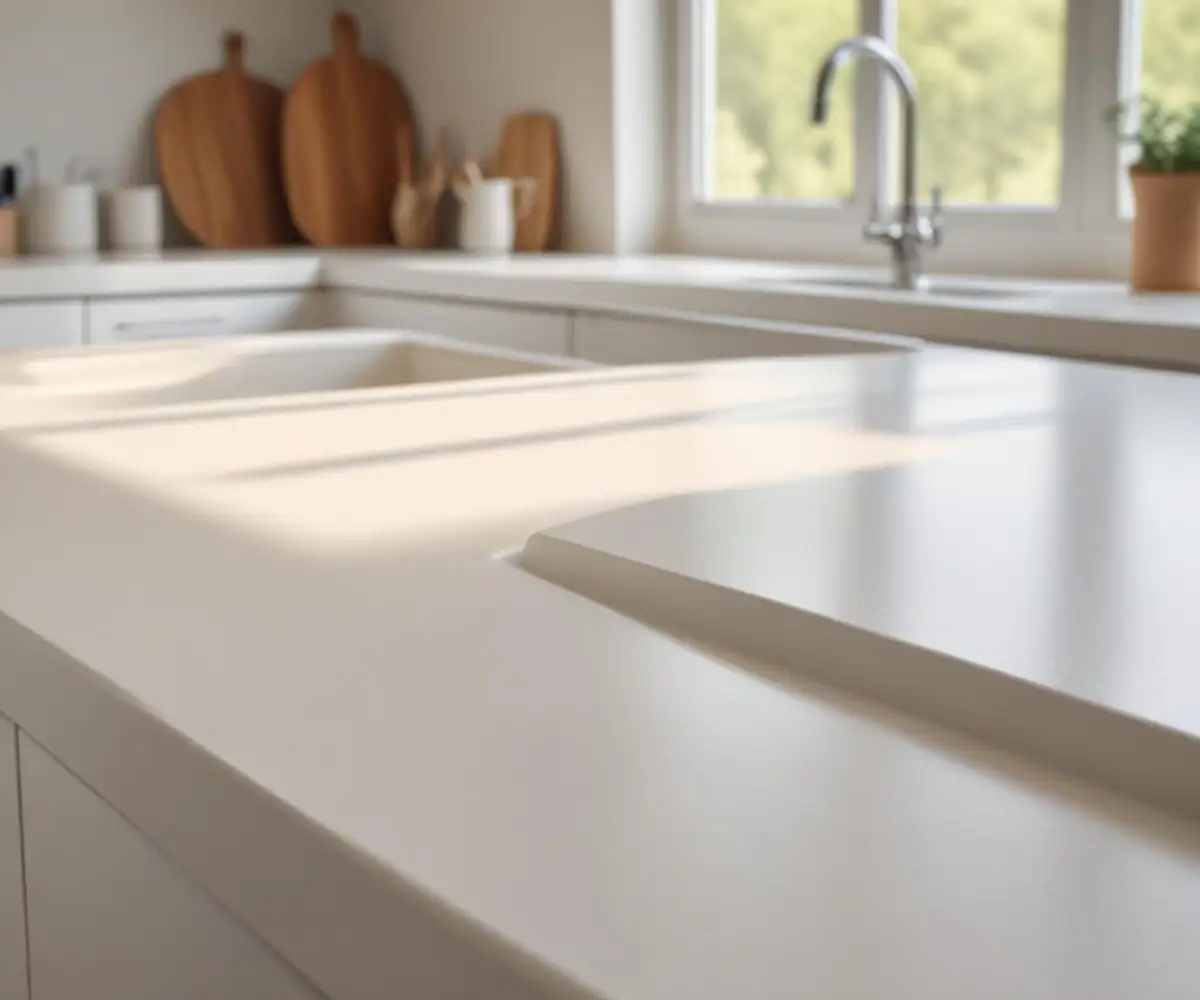
A honed porcelain countertop is a high-performance surface made from dense, non-porous ceramic clay fired at extremely high temperatures. Unlike its glossy, polished counterpart, a honed finish is matte, smooth, and has little to no shine. This velvety texture is achieved by grinding the surface to create a soft, natural appearance that beautifully diffuses light.
This process results in a surface that not only looks incredibly chic and modern but also boasts a technical resume that few other materials can match. It is engineered for life, providing a practical elegance that stands up to the rigors of daily use without demanding constant upkeep.
Unveiling the Unmatched Benefits of a Matte Finish
The hesitation for many homeowners often lies with the matte finish. Will it be hard to clean? Will it show fingerprints? The reality is that a honed finish offers unique advantages that solve many of the common problems associated with high-gloss surfaces.
Incredible Durability and Resilience
Honed porcelain is a true workhorse in the kitchen. Its manufacturing process creates a surface that is exceptionally hard and dense. It is highly resistant to scratches, stains, and impact damage, making it an excellent choice for busy kitchens. Most importantly, it is extremely heat resistant; you can place hot pots and pans directly on the surface without fear of scorching or damage.
Furthermore, porcelain is completely non-porous. This means it does not absorb liquids or stains, making it incredibly hygienic and resistant to mold and bacteria growth. Unlike natural stone, it requires absolutely no sealing to maintain its integrity.
A Timeless, Elegant Aesthetic
The beauty of a honed finish lies in its subtlety. It provides a soft, organic feel that can complement a wide range of design styles, from modern minimalist to cozy farmhouse. The matte surface is exceptional at hiding fingerprints, smudges, and minor imperfections, making it a practical choice for families and avid cooks.
Because it doesn’t reflect light like a polished surface, it creates a calm, low-glare environment. This can make a space feel more warm and inviting, allowing the natural beauty and patterns of the porcelain to take center stage without overwhelming the room with shine.
The Pinnacle of Low-Maintenance Luxury
Perhaps the most significant advantage of honed porcelain is how easy it is to care for. Daily cleaning requires nothing more than a damp cloth and a mild, pH-neutral detergent. Its non-porous nature means spills like wine, coffee, or oil can be wiped away effortlessly without a trace.
This resistance to staining and the fact that it never needs to be sealed translates to long-term peace of mind and lower lifetime costs. You get the luxurious look of materials like honed marble without the associated maintenance anxieties.
Honed vs. Polished Porcelain: A Head-to-Head Comparison
Choosing between a honed and polished finish depends entirely on your lifestyle and design preferences. While both offer the same foundational durability of porcelain, their look, feel, and daily interaction are quite different. Understanding these distinctions is key to selecting the perfect surface for your home.
| Feature | Honed (Matte) Finish | Polished (Glossy) Finish |
|---|---|---|
| Appearance | Soft, velvety, low-glare, natural look. | High-gloss, mirror-like, reflective shine. |
| Maintenance | Excellent at hiding fingerprints and smudges. Easy to clean. | Shows fingerprints and water spots more easily but is simple to wipe clean. |
| Best For | High-traffic areas, kitchens with bright lighting, achieving a warm or minimalist style. | Creating a sleek, luxurious, and formal look. Making a space feel brighter. |
| Scratch Visibility | Minor scratches are less noticeable due to the lack of reflection. | Superficial scratches can be more visible in direct light. |
| Feel | Smooth and slightly textured to the touch. | Completely smooth and slick. |
Honed Porcelain vs. The Titans: Quartz and Granite
When selecting a countertop, quartz and granite are often top contenders. However, honed porcelain outperforms them in several critical areas, making it a technologically superior choice for the modern home.
The Showdown with Quartz
Quartz is a durable, engineered stone, but it has a significant weakness: the resin binders used in its construction. These resins make quartz vulnerable to heat damage from hot pans and can discolor or yellow over time with prolonged exposure to direct sunlight (UV rays). Honed porcelain, containing no such resins, is completely UV stable and can withstand extreme heat without any damage. While quartz offers many styles, including some like quartz that looks like wood, porcelain provides a wider range of high-fidelity mimicry of natural stones.
Facing Off Against Granite
Granite is a classic choice known for its durability, but it is a porous natural stone. This means it can absorb liquids and stains if not sealed properly and regularly. Honed porcelain is non-porous by nature, eliminating the need for sealing and offering superior stain resistance from day one. Additionally, the patterns on porcelain slabs are consistent, whereas finding two perfectly matching granite slabs can be a challenge.
The Critical Detail: Why Your Fabricator Matters Most
The single most important factor in a successful honed porcelain countertop installation is the skill of your fabricator. Porcelain slabs are thinner and more rigid than quartz or granite, making them more challenging to handle, cut, and install. An inexperienced fabricator can easily cause chipping or cracking during the process.
It is crucial to hire a certified fabricator with specific experience in large-format porcelain panels. They possess the specialized tools, such as rail cutter systems and diamond drill bits, and the precise techniques required for a flawless result. Ask to see a portfolio of their porcelain work and verify their credentials before committing.
Your Guide to Flawless Honed Porcelain Countertop Care
Maintaining the pristine look of your honed porcelain countertop is remarkably simple. By following a few basic guidelines, you can ensure it remains beautiful for decades to come.
Daily Cleaning Made Simple
For everyday cleaning, simply use a soft cloth or sponge with warm water and a mild, pH-balanced soap. Wipe the surface down and dry it with a microfiber cloth to prevent water spots. This is typically all that is needed to keep your countertops looking their best.
Tackling Tough Stains
While honed porcelain is highly stain-resistant, it’s always best to wipe up spills promptly. For more stubborn messes, you can use a non-abrasive household cleaner. Always avoid using abrasive scouring pads or harsh chemicals like bleach or ammonia, as they can damage the surface over time.
Long-Term Preservation
Although porcelain is scratch-resistant, it is not scratch-proof. To preserve its perfect finish, always use a cutting board when chopping or slicing. While the surface can handle heat, using trivets for hot pots and pans is a good practice to protect it from any potential thermal shock or abrasion from rough-bottomed cookware.
What Is the Real Cost of Honed Porcelain?
The cost of honed porcelain countertops typically ranges from $55 to $120 per square foot, including installation. This price is competitive with mid-to-high-end quartz and granite. While it may represent a significant initial investment, its longevity and lack of maintenance costs make it a highly cost-effective choice over the long term.
Several factors can influence the final price, including the thickness of the slab (typically 12mm for countertops), the complexity of the edge profile, and the labor rates of your chosen fabricator. A mitered edge, which creates the illusion of a thicker slab, is a popular but more costly option.
Is a Honed Porcelain Countertop Right for You?
A honed porcelain countertop is the ideal solution for homeowners who refuse to compromise. It is for those who demand aesthetic beauty, superior performance, and effortless maintenance in one package. If you are looking for a durable, heat-proof, stain-proof, and stylish surface that will anchor your kitchen design for years to come, honed porcelain is an unparalleled choice.
Investing in quality materials is a cornerstone of a well-maintained and comfortable home. Ensuring every element functions perfectly, from your kitchen surfaces to having a dripless air conditioner for summer comfort and knowing how to handle home maintenance tasks like bleeding radiators with no hissing in the winter, contributes to a stress-free living environment.
