
Heinz Genuine Dill Pickle Recipe: Unlock the Secret to Iconic Crunch
There’s a specific, satisfying crunch that comes with a genuinely good dill pickle. For many, that iconic taste and texture belong to Heinz Genuine Dill Pickles. The problem arises when you, a passionate home gardener and canner, try to replicate that perfect pickle in your own kitchen, only to be met with disappointment. Your homemade pickles might be too soft, the brine cloudy, or the flavor just slightly off, lacking that signature tangy perfection you crave.
This is a common frustration for even seasoned preservers. The journey from a crisp, garden-fresh cucumber to a perfectly preserved pickle is a delicate science. One wrong step, an incorrect ingredient, or a misunderstanding of the process can lead to a less-than-perfect outcome, leaving you wondering where the magic lies in those store-bought jars. This article will demystify the process, guiding you through the science and technique needed to create a copycat Heinz dill pickle that boasts that legendary crunch and flavor right in your own home.
You'll Learn About
Why Replicating That Heinz Crunch Is So Challenging
Achieving the perfect pickle is more than just following a simple recipe; it’s about understanding the intricate variables at play. Commercial producers have fine-tuned their processes with industrial equipment and proprietary spice blends that are difficult to replicate at home. However, the most common failures in homemade pickles stem from a few key areas that are entirely within your control.
The choice of cucumber, the quality of your water, the type of salt, and the precise acidity of your vinegar all play crucial roles. Deviating from the ideal in any of these areas can compromise the final product. Furthermore, the canning process itself—from preparation to heat processing—must be executed with precision to ensure both safety and the desired texture.
The Science Behind the Perfect Pickle
The foundation of a great pickle lies in its ingredients. Using the wrong type of cucumber is a primary cause of mushy pickles. Salad cucumbers, with their high water content and thin skins, are not suitable for pickling. They lack the structural integrity to withstand the brining and heating process, resulting in a soft texture.
Equally important is the brine. The vinegar must have an acidity of at least 5% to ensure food safety and prevent the growth of harmful bacteria. The type of salt is also critical; common table salt contains iodine and anti-caking agents that can make your pickle brine cloudy and negatively affect the color and texture of the pickles. This is why recipes consistently call for canning or pickling salt.
The Ultimate Copycat Heinz Genuine Dill Pickle Recipe
This recipe is designed to overcome the common pitfalls of home pickling and deliver a pickle with a superior crunch and a flavor profile that closely mimics the beloved Heinz original. Success hinges on using high-quality ingredients and following the steps with care. From selecting the right equipment to allowing the pickles to properly cure, every detail matters.
Investing in quality canning equipment is a wise decision for any serious home preserver. When selecting new tools like a water bath canner, it’s beneficial to understand all its features and think about practical considerations, such as when the warranty coverage begins, which can protect your purchase in the long run.
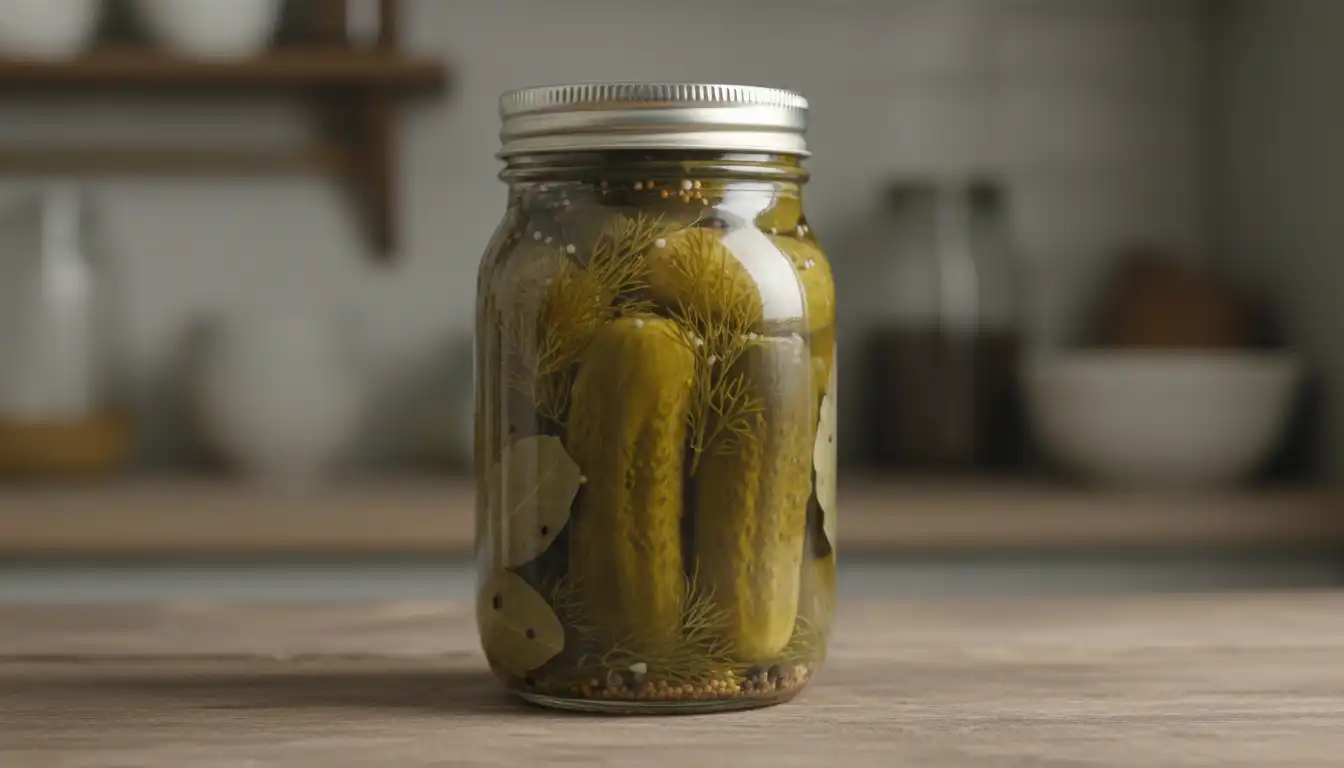
Core Ingredients for Success
Cucumbers: The star of the show must be a pickling variety. Look for Kirby cucumbers, which are known for their firm flesh, bumpy skin, and low seed content. Select cucumbers that are fresh, firm, and unwaxed. Aim for a uniform size, around 3 to 4 inches long, to ensure even pickling.
Vinegar: Use distilled white vinegar with 5% acidity. This type of vinegar provides the necessary acidity for preservation without adding any unwanted color or flavor, allowing the dill and spices to shine through. Do not use homemade vinegar, as its acidity level is unknown and potentially unsafe for canning.
Salt: Only use canning and pickling salt. This pure salt (sodium chloride) dissolves clearly in the brine and does not contain the additives found in table salt that can spoil your pickles. Accurate salt measurement is crucial for both flavor and preservation.
Water: The quality of your water can significantly impact your results. Hard water, which contains high levels of minerals, can cause pickles to discolor and the brine to become cloudy. For the best results, use filtered or distilled water.
Spices: A classic dill pickle flavor profile is key. This recipe uses a combination of fresh dill, garlic, dill seed, mustard seeds, and black peppercorns to create that signature taste. The quantities are carefully balanced to complement the cucumbers without overpowering them.
Step-by-Step Recipe and Canning Instructions
Yields: Approximately 6-7 Pints
Ingredients:
- 4 lbs pickling cucumbers (3-4 inches long)
- 14 cloves of fresh garlic, peeled and halved
- 12-14 sprigs of fresh dill
- 1/4 cup canning or pickling salt
- 2 3/4 cups distilled white vinegar (5% acidity)
- 2 3/4 cups filtered or distilled water
- 28 black peppercorns (approx. 4 per pint jar)
- 7 teaspoons dill seed (1 tsp per pint jar)
- 7 teaspoons yellow mustard seeds (1 tsp per pint jar)
- Optional: 7 grape leaves or 1/4 tsp of Pickle Crisp (calcium chloride) per jar for extra crunch
Instructions:
1. Prepare the Cucumbers: Wash the cucumbers thoroughly under cool running water, gently scrubbing away any dirt. A critical step for ensuring crisp pickles is to trim away 1/16th of an inch from the blossom end of each cucumber. This part of the cucumber contains enzymes that can cause softening during the pickling process.
2. Cold Water Soak: For an extra layer of crunch, soak the trimmed cucumbers in an ice water bath for at least 2 hours, but no more than 8. This helps to firm up the cell walls of the cucumbers before they go into the brine.
3. Prepare Jars and Lids: Wash your pint jars, lids, and screw bands in hot, soapy water and rinse well. Since the jars will be processed in a boiling water bath for 10 minutes, pre-sterilization is not required, but the jars must be hot when you fill them to prevent thermal shock and potential breakage. You can keep them warm in the dishwasher on a sanitize cycle or in the water bath canner as it heats up.
4. Make the Brine: In a large, non-reactive pot (such as stainless steel or enamel), combine the vinegar, water, and pickling salt. Bring the mixture to a rolling boil, stirring to ensure the salt dissolves completely.
5. Pack the Jars: Remove the hot jars from your canner. In each jar, place 2 sprigs of fresh dill, 4 garlic halves, 1 teaspoon of dill seed, 1 teaspoon of mustard seeds, and 4 black peppercorns. If using, add a grape leaf or 1/4 teaspoon of Pickle Crisp to each jar. Tightly pack the cucumbers into the jars, leaving a 1/2-inch headspace at the top.
6. Fill with Brine: Carefully ladle the hot brine into the packed jars, ensuring the cucumbers are completely covered. Maintain the 1/2-inch headspace. Use a bubble remover tool or a thin plastic spatula to run along the inside of the jar and release any trapped air bubbles.
7. Seal the Jars: Wipe the rims of the jars with a clean, damp cloth to ensure a proper seal. Center the lids on the jars and screw on the bands until they are fingertip-tight. Do not overtighten, as air needs to escape during processing.
8. Process in Water Bath Canner: Place the jars into the rack of your boiling water canner, ensuring the water covers the jars by at least 1-2 inches. Cover the canner and bring the water back to a full rolling boil. Process the pint jars for 10 minutes (adjusting for altitude if necessary).
9. Cool and Cure: After processing, turn off the heat, remove the canner lid, and let the jars stand for 5 minutes. Carefully remove the jars and place them on a towel-lined countertop. Let them cool, undisturbed, for 12-24 hours. You should hear the satisfying “ping” sound as the lids seal. For the best flavor, allow the pickles to cure for at least 4-6 weeks before opening. This waiting period is crucial for the flavors to fully develop and penetrate the cucumbers.
Advanced Techniques for a Flawless Pickle
Beyond the basic recipe, a few advanced techniques can elevate your pickles from good to truly exceptional. These methods address the finer points of texture and flavor development, adding a layer of expertise to your home canning practice. One such technique involves adding tannins to your jars.
Tannins are natural compounds found in certain leaves that help inhibit the enzymes responsible for making pickles soft. Adding a fresh grape leaf, oak leaf, or even a black tea bag to each jar is an old-world trick that provides an extra guarantee of a crisp, crunchy pickle. This is a simple, organic way to enhance texture.
Furthermore, maintaining a meticulously clean workspace is paramount for food safety. This principle of a sanitary environment is universal for major home projects, extending beyond the kitchen to tasks like preparing for pest control, where you might have to decide whether it’s better to handle repairs before or after a pest treatment. A clean process prevents contamination and ensures the longevity of your preserved goods.
Troubleshooting Common Pickling Problems
Even with the best recipe, issues can sometimes arise. Understanding the cause of these problems is the key to preventing them in the future. The following table outlines common issues, their likely causes, and actionable solutions to help you perfect your pickling craft.
| Problem | Likely Cause(s) | Solution(s) |
|---|---|---|
| Mushy or Soft Pickles | – Using non-pickling cucumbers – Blossom end not removed – Brine too weak (low salt or acid) – Over-processing (too long or too hot) |
– Use only firm, fresh pickling cucumbers – Always trim 1/16-inch from the blossom end – Follow the recipe’s salt and vinegar ratios precisely – Adhere to the specified processing time and temperature |
| Cloudy Brine | – Using table salt instead of pickling salt – Using hard water with high mineral content – Spices that are not whole (ground spices) – Natural fermentation (if brine is otherwise fine) |
– Use only canning/pickling salt – Use filtered or distilled water for your brine – Use whole spices instead of ground powders – If pickles smell fine and are firm, cloudiness from fermentation is often harmless |
| Hollow Pickles | – Cucumbers were not fresh (too long between harvest and pickling) – Poorly developed cucumbers – Improper fermentation (in fermented pickle recipes) |
– Pickle cucumbers within 24 hours of picking – Discard cucumbers that float in water, as they are likely hollow – Ensure proper brine strength and temperature for fermented varieties |
| Shriveled Pickles | – Brine is too strong (too much salt, sugar, or vinegar) – Over-cooking or over-processing – Cucumbers were not fresh |
– Measure ingredients accurately and follow a tested recipe – Do not exceed the recommended processing time – Use cucumbers as fresh from the vine as possible |
| Discolored or Dark Pickles | – Using ground spices – Using hard water with iron – Using utensils made of iron, copper, or brass – Over-mature dill |
– Use whole spices and remove them before canning if desired – Use soft or distilled water – Use stainless steel, glass, or unchipped enamelware for preparation – Use fresh, vibrant dill heads |
The Importance of the Curing Process
Patience is perhaps the most underrated ingredient in pickling. While it can be tempting to crack open a jar just a few days after canning, this is a mistake. The real magic happens during the curing period, which should last a minimum of four weeks.
During this time, the brine works to fully penetrate the cucumbers, developing the deep, complex flavor profile you’re seeking. The acidity mellows slightly, the spices infuse completely, and the texture settles into its final, crisp state. Opening a jar too soon will only give you a hint of what the final product will be. For that true, authentic Heinz-style flavor, you must let them rest.
Conclusion
The secret to bridging the gap between a garden cucumber and a Heinz-caliber spear lies in the precision of the process. Achieving that elusive “snap” requires more than just vinegar; it demands the right balance of calcium chloride for crispness, high-quality dill seed, and a carefully controlled brine temperature.
By mastering the science of preservation, you can transform your harvest into a pantry staple that rivals the commercial gold standard. With the right technique, your homemade jars won’t just be a substitute—they’ll become the new benchmark for flavor and crunch in your household.
