Hearth or No Hearth? The #1 Design Choice You Absolutely Can’t Get Wrong
Deciding on the centerpiece of a living room often comes down to the fireplace. But the decision that stumps many homeowners is not the fireplace itself, but the foundation it stands on: the hearth. This single choice dramatically impacts your room’s style, safety, and functionality.
Opting for a traditional hearth offers a classic, cozy feel, while a hearthless design screams modern minimalism. Getting this choice wrong can disrupt your home’s entire aesthetic and even pose safety risks. Let’s break down this crucial decision to ensure your fireplace is a masterpiece, not a mistake.
You'll Learn About
What Exactly Is a Hearth and Why Does It Matter?
A hearth is the floor area in front of a fireplace, typically made of non-combustible material like brick, stone, or tile. Its primary, historical purpose is safety—to protect your home’s flooring from stray sparks, embers, and intense radiant heat. Without it, a wood-burning fire could easily ignite nearby carpet or hardwood.
Beyond safety, the hearth serves as a visual anchor, grounding the fireplace and defining the space. It can be flush with the floor or raised, creating additional seating or a decorative platform. The material and style of the hearth are fundamental to the overall design of the room.
The Great Debate: Traditional Charm vs. Modern Minimalism
The core of the “hearth or no hearth” debate is a clash of two distinct design philosophies. Traditional design celebrates the hearth as the heart of the home—a rustic, welcoming feature. It’s often raised, made of classic materials like brick or rugged stone, inviting people to gather around.
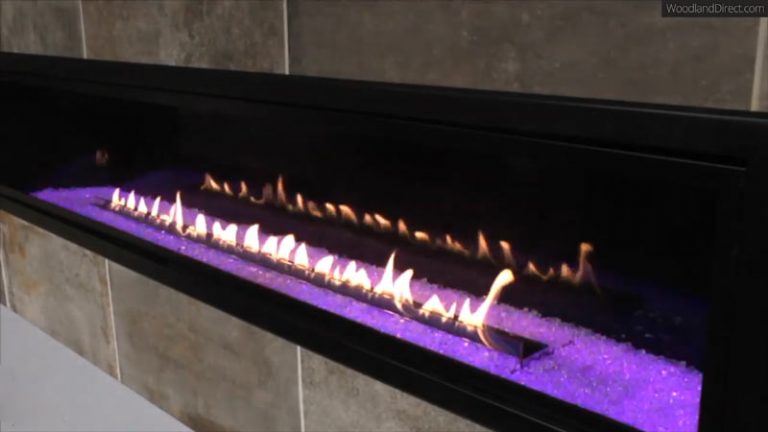
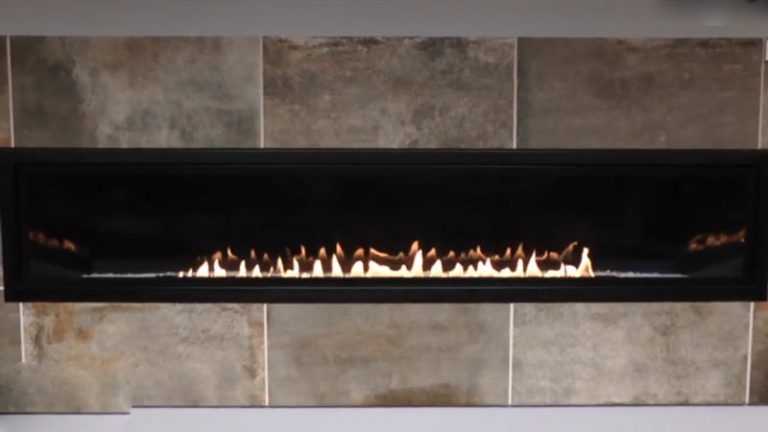
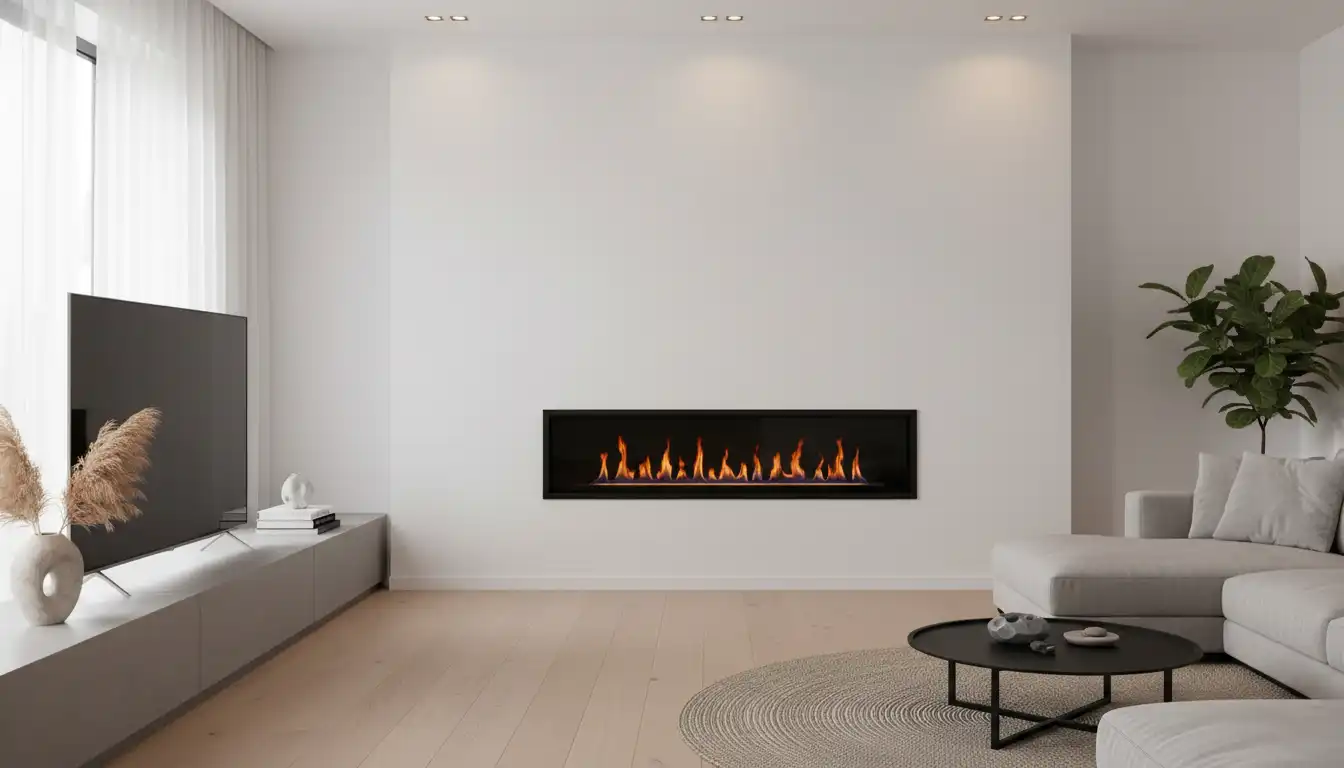
In contrast, modern design prioritizes clean lines and uncluttered spaces. A hearth can feel bulky and unnecessary in a minimalist interior. Hearthless designs, where the fireplace is flush with the wall, create a sleek, seamless look that maximizes floor space and enhances a contemporary feel.
Safety First: When a Hearth Is Non-Negotiable
Before you get lost in design dreams, it’s crucial to understand that sometimes, the choice is made for you by building codes and the type of fireplace you have. Safety is the most important factor, and local regulations are strict for a reason.
A wood-burning fireplace, with its live embers and intense heat, almost universally requires a substantial hearth made of non-combustible materials. Codes typically specify the hearth’s thickness and how far it must extend in front of and to the sides of the fireplace opening to be considered safe.
Gas and Electric Fireplaces: Where You Have More Flexibility
The rules change when you move away from wood. Gas fireplaces, especially direct-vent sealed units, produce radiant heat but no sparks. While many still require a non-combustible surface directly in front, the requirements are often less stringent than for wood fireplaces. Some “zero-clearance” gas models may not require a hearth at all if installed according to the manufacturer’s specifications.
Electric fireplaces are the most flexible. Since they produce heat via coils or infrared technology and have no actual flame, they typically do not require a hearth for safety. This allows for fully integrated, wall-mounted designs that offer the ultimate minimalist aesthetic.
Breaking Down the Pros and Cons
Making an informed decision requires weighing the advantages and disadvantages of each option. Your lifestyle, room size, and design preferences will all play a role in determining the best fit for your home.
The Case for a Traditional Hearth
A hearth offers more than just safety. A raised hearth can provide charming, informal seating, perfect for warming up on a cold day. It also creates a natural stage for seasonal decorations, from pumpkins in the fall to garlands during the holidays.
For many, the visual weight of a hearth makes the fireplace feel complete and substantial. It grounds the room and provides a clear focal point. However, hearths consume valuable floor space, which can be a significant drawback in smaller rooms. Their corners can also be a tripping hazard, especially for households with small children.
The Allure of a Hearthless Design
Going without a hearth is the go-to choice for a modern, uncluttered look. It maximizes usable floor space, making a room feel larger and more open. This design choice creates a striking, “hole-in-the-wall” effect that is both sophisticated and understated.
Cleaning is also simpler without a hearth to collect dust and debris. The primary downside is the potential lack of a visual anchor, which can make the fireplace feel less prominent. It also eliminates the practical benefits of extra seating and a decorative platform.
Hearth vs. No Hearth: A Head-to-Head Comparison
To simplify your decision, here is a direct comparison of the key attributes of each design choice. This table breaks down the essential factors to consider when planning your fireplace project.
| Feature | With a Hearth | Without a Hearth (Hearthless) |
|---|---|---|
| Primary Aesthetic | Traditional, Rustic, Cozy | Modern, Minimalist, Sleek |
| Safety Requirement | Mandatory for wood-burning fireplaces; often required for gas. | Generally only an option for certain gas and most electric fireplaces. |
| Space Impact | Consumes floor space; can make a room feel smaller. | Maximizes floor space; makes a room feel larger and more open. |
| Functionality | Provides extra seating and a surface for decor. | Offers a clean, unobstructed wall surface. |
| Potential Hazards | Can be a tripping hazard, especially if raised. | Fewer physical obstructions. |
| Cost | Adds material and labor costs to the installation. | Potentially lower material costs. |
Making the Right Choice for Your Home
Your final decision should be a balance of personal taste, practical needs, and safety regulations. Start by identifying your fireplace type—wood, gas, or electric—as this will define your baseline requirements. Always consult your local building codes and the manufacturer’s installation manual before proceeding.
If you have an existing hearth you’re considering getting rid of, understand that concrete hearth removal is a significant undertaking that requires careful planning. On the other hand, if you’re keeping your hearth but notice wear and tear, learning how to fill a gap between the hearth and fireplace is a valuable maintenance skill.
The Financial Factor: Budgeting for Your Decision
Cost is another critical element. Adding a hearth involves expenses for materials—like stone, brick, or tile—and the labor to install it. A hearthless design might save on these costs but could require more complex wall framing or finishing to achieve a seamless look.
Removing an existing hearth also comes with a price tag, including demolition, disposal, and repairing the floor and wall underneath. Factor these potential costs into your budget to avoid any surprises down the line.
A Note on Resale Value
Finally, consider the long-term impact on your home’s value. In a traditionally styled home, a classic fireplace with a hearth is often a strong selling point. In a contemporary house, a sleek, hearthless fireplace may be more appealing to potential buyers.
The key is to create a cohesive design that feels intentional and well-executed. Whether you choose the timeless appeal of a hearth or the clean lines of a hearthless design, a well-planned fireplace will always be a valuable and beloved feature of your home.
Frequently Asked Questions
Is a hearth required for all fireplaces?
No, not all fireplaces require a hearth. Wood-burning fireplaces almost always necessitate a hearth constructed from a non-combustible material to shield the floor from heat and embers. While many gas fireplaces also feature hearths, some contemporary designs do not, and electric fireplaces typically do not require one at all.
What is the primary function of a fireplace hearth?
The main purpose of a hearth is safety. It acts as a protective barrier to keep sparks and embers from coming into contact with flammable flooring, thereby minimizing fire hazards. Additionally, hearths can offer structural support for the fireplace and contribute to the room’s aesthetic.
What are the aesthetic benefits and drawbacks of a hearth?
A hearth can provide a traditional, finished look to a fireplace and offers a designated area for fireplace accessories. Conversely, a hearthless design can offer a more modern and seamless appearance, which can also be a space-saving option. A raised hearth can double as informal seating but may also present a tripping hazard and occupy more floor space.
Does having a hearth impact a home’s resale value?
While fireplaces, in general, are considered a desirable feature that can increase a home’s value, the presence of a hearth is primarily a matter of style and safety. For wood-burning fireplaces, a correctly installed hearth is a crucial safety component that potential buyers would expect. For gas and electric models, the choice between a hearth and a sleek, hearthless look is a design preference that will appeal to different tastes.
What are popular materials for constructing a hearth?
Hearths must be built from non-combustible materials. Popular options include brick, various types of stone like granite, slate, and limestone, as well as tile. The choice of material often depends on the type of fireplace; for instance, durable materials like granite and brick are well-suited for wood-burning fires, whereas certain stones like limestone are more appropriate for gas or electric fireplaces.
Can I have a fireplace without a hearth for a modern look?
Yes, especially with gas and electric fireplaces, a hearthless design is a popular option for achieving a modern, minimalist aesthetic. This style allows for a clean, uninterrupted flow from the wall to the floor. However, it is crucial to ensure that this design complies with local building codes and the manufacturer’s specifications for your specific fireplace model to guarantee safety.