
Havahart Trap Rental: The Secret Weapon for a Pest-Free Garden
There’s nothing quite like the pride of a well-tended garden or a pristine lawn. But discovering that uninvited wildlife has turned your beautiful space into their personal buffet can be incredibly frustrating. From raccoons treating your trash cans like a drive-thru to groundhogs tunneling under your prized petunias, nuisance animals can cause significant damage and disruption.
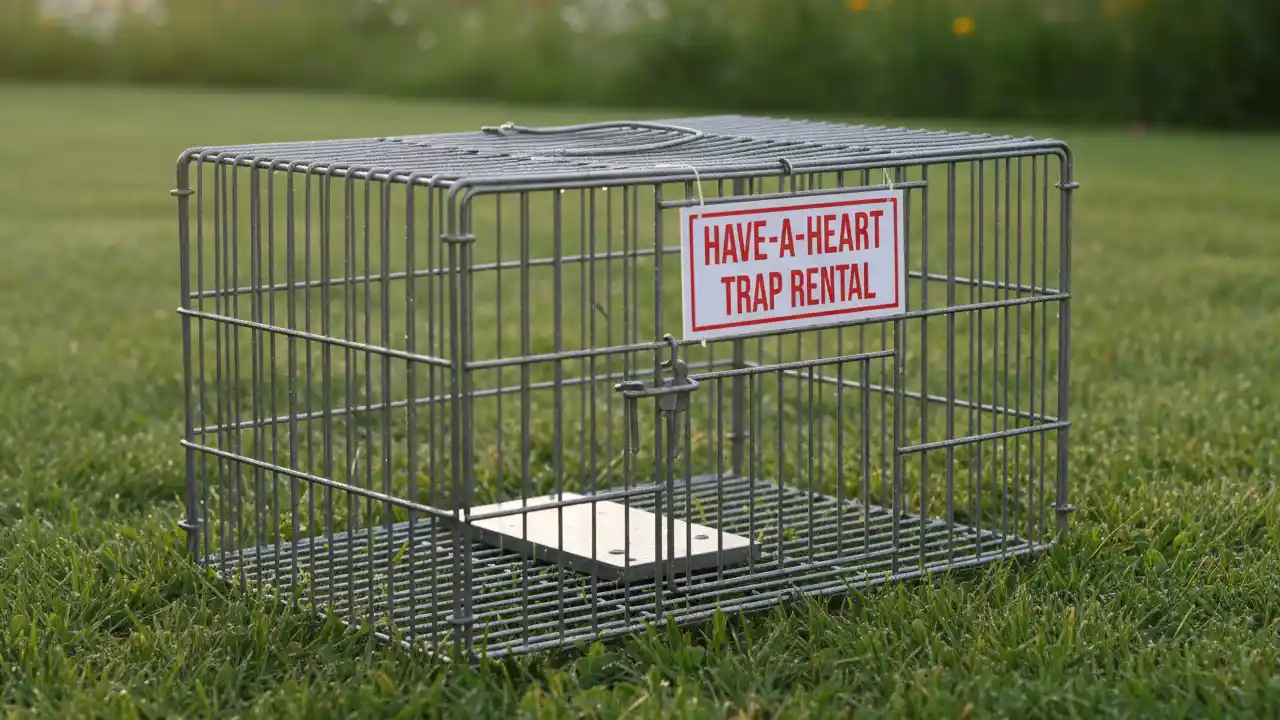
Many homeowners face the difficult choice of how to handle these furry intruders. While the goal is to reclaim your property, doing so humanely and effectively is paramount. This is where a Havahart trap rental becomes an invaluable tool for any home and garden enthusiast, offering a safe, effective, and responsible solution to wildlife problems.
You'll Learn About
Why Humane Trapping is the Smart Choice
When dealing with wildlife, it’s essential to consider the most ethical approach. Lethal traps and poisons can pose a danger to pets, children, and non-target species. Humane live traps, like those made by Havahart, are designed to capture animals without causing injury, allowing for their safe relocation.
These traps typically feature smooth, rolled internal edges to protect the animal from harm and a sensitive trigger mechanism that ensures a quick and secure capture. By choosing a humane trap, you are not only resolving your pest issue but also respecting the local ecosystem. It’s a method that aligns with a gardener’s instinct to nurture and protect the environment.
The Big Question: Should You Rent or Buy a Trap?
Once you’ve decided on humane trapping, the next consideration is whether to purchase a trap or opt for a rental. For many homeowners dealing with a temporary or one-time animal issue, renting is the most practical and economical choice. A Have a heart trap rental service provides access to professional-grade equipment without the long-term commitment.
Buying a quality live trap can be a significant investment, and afterwards, you’re left with a bulky item that needs to be stored. Rental services eliminate these concerns, offering a cost-effective solution tailored to your immediate needs. They often provide expert advice on which trap size and type will be most effective for the specific animal you’re targeting.
Renting vs. Buying: A Head-to-Head Comparison
To make the decision clearer, it helps to weigh the pros and cons directly. Renting offers flexibility and affordability for short-term problems, while buying might be better for persistent, recurring wildlife issues. Consider your specific situation and what makes the most sense for your home and garden needs.
| Feature | Havahart Trap Rental | Buying a Havahart Trap |
|---|---|---|
| Cost | Low upfront cost, ideal for single-use or occasional problems. | Higher initial investment, can be cost-effective for long-term use. |
| Storage | No storage required; simply return the trap after use. | Requires space to store a bulky metal cage when not in use. |
| Variety & Sizing | Access to a wide variety of sizes for different animals. | Limited to the single size you purchase. |
| Maintenance | Rental traps are typically well-maintained and ready to use. | Owner is responsible for cleaning, maintenance, and repairs. |
| Expertise | Rental providers often offer valuable advice on placement and baiting. | Requires personal research to ensure proper and effective use. |
A Practical Guide to Using Your Rented Havahart Trap
Successfully and humanely trapping a nuisance animal involves more than just setting out a cage. It requires a bit of strategy, the right bait, and careful handling. Following a step-by-step process will greatly increase your chances of success and ensure the well-being of the animal.
Step 1: Identify Your Unwanted Guest
The first and most crucial step is to know what kind of animal you’re dealing with. The type of damage can offer clues: tipped trash cans often point to raccoons, while tunnels and mounds of dirt suggest a groundhog. Choosing the right size trap is essential; a trap that’s too small won’t capture the animal, and one that’s too large might not trigger correctly.
Step 2: Select the Perfect Bait
Different animals are attracted to different foods. Using the right bait is key to luring the animal into the trap. Be sure to place the bait at the back of the trap, behind the trigger plate, forcing the animal to fully enter and step on the plate to get its reward.
Common baits for frequent garden visitors include:
- Raccoons: Marshmallows, sardines, or fish-flavored cat food are highly effective.
- Squirrels & Chipmunks: Peanut butter, nuts, and sunflower seeds are favorites.
- Groundhogs (Woodchucks): Fresh vegetables like cantaloupe, apples, or lettuce work well.
- Opossums: These animals are not picky, but cat food or fruit will often do the trick.
Step 3: Strategic Trap Placement
Where you place the trap is just as important as the bait you use. Position the trap on a level surface in an area where you have seen the animal or noticed signs of its activity, such as along a travel path or near its den entrance. Camouflaging the trap with leaves and twigs can make it seem less intimidating to a wary animal.
Step 4: Setting and Monitoring the Trap
Follow the rental service’s instructions for setting the trap mechanism. Once set, it is critically important to check the trap frequently, at least every few hours. Leaving an animal in a trap for an extended period exposes it to stress, dehydration, and potential harm from predators or the elements.
Step 5: Safe Handling and Release
Once you’ve captured an animal, approach the trap calmly. Wear heavy gloves and hold the trap away from your body. To keep the animal calm during transport, cover the trap with a blanket or tarp. Before releasing the animal, you must check your local and state wildlife regulations. Many areas have specific laws about where and how wildlife can be released. Generally, it’s recommended to release the animal several miles away in a suitable habitat to prevent it from returning.
Common Trapping Mistakes to Avoid
Even with the best intentions, mistakes can happen. Being aware of common pitfalls can mean the difference between success and failure. Avoid using the wrong size trap, which can lead to escapes or harm the animal. Also, ensure your bait is fresh and securely placed so a clever critter can’t steal it without triggering the trap.
One of the biggest errors is infrequent monitoring. A captured animal is vulnerable and stressed, and it’s your responsibility to ensure its welfare. Finally, never release the animal on private property without permission or in an area where it could become a nuisance to someone else. Always follow local wildlife guidelines for relocation.
Beyond the Trap: Long-Term Wildlife Prevention
Trapping solves the immediate problem, but the best strategy is to make your property less inviting to wildlife in the first place. A little prevention goes a long way in maintaining a peaceful coexistence with your wild neighbors. By taking proactive steps, you can deter animals from seeing your garden as their primary residence or food source.
Secure Potential Food Sources
Wildlife is primarily driven by the search for food. Eliminating easy meals is your first line of defense. Secure garbage and compost bins with tight-fitting or locking lids. If you feed pets outdoors, bring their food and water bowls inside at night. Clean up fallen fruit from trees and ensure bird feeders are designed to be squirrel-proof or are placed away from your home.
Seal Off Entry Points and Shelters
Animals look for safe, sheltered places to build their dens. Inspect your home and outbuildings for potential entry points. Seal gaps in your foundation, cover vents with sturdy mesh, and close off access under decks and porches with hardware cloth. Keeping your property tidy by removing brush piles and maintaining your landscaping, perhaps with a reliable machine like a Toro S-120, can also remove potential hiding spots. Considering how to seal small openings, even knowing the proper gap between a stove and countertop, can inform a mindset of closing off all potential pest entryways inside and out.
Use Natural and Commercial Repellents
There are various repellents that can deter animals without causing harm. Motion-activated sprinklers can startle animals away, while certain plants emit odors that wildlife dislikes. For a different aesthetic approach to home protection, updating your home’s exterior, such as considering a whitewashed brown brick look, can sometimes accompany repairs that seal up animal access points.
When to Call a Professional
While a Havahart trap rental is an excellent DIY solution for common pests, some situations are best left to the experts. If you’re dealing with a particularly large, aggressive, or protected species, or if you suspect a mother animal has left babies behind, it’s wise to contact a professional wildlife control service. They have the training and equipment to handle complex situations safely and humanely.
A Harmonious Backyard Awaits
Your home and garden should be a source of enjoyment, not a battleground with local wildlife. By utilizing a have a heart trap rental, you can address nuisance animal problems in a way that is effective, affordable, and humane. This responsible approach, combined with long-term prevention strategies, allows you to protect your property while respecting the animals that share our environment. You can successfully manage unwanted visitors and restore peace and balance to your backyard sanctuary.
Reclaiming Your Outdoor Oasis
Maintaining a beautiful garden and lawn is a rewarding endeavor, and while the presence of wildlife is natural, their destructive habits don’t have to be. By consistently applying the principles of exclusion (fencing and netting), deterrence (scents and sounds), and habitat modification (removing food and water sources), you can effectively communicate to these nuisance animals that your property is no longer their ideal residence.
Remember, the goal is not to harm, but to encourage relocation. With a combination of patience and persistent, humane strategies, you can minimize damage, protect your investment, and restore the peaceful balance to your personal outdoor oasis.
