
Hansgrohe Shower Mixer Problems? Fix Leaks & Temp Swings Now
Hansgrohe is a name synonymous with quality, precision engineering, and luxurious bathroom experiences. Yet, even the most premium fixtures can encounter issues over time. If your once-perfect shower is now a source of frustration due to leaks, unpredictable temperature, or weak water flow, you’ve come to the right place.
This comprehensive guide will walk you through the most common Hansgrohe shower mixer problems. We’ll explore the root causes and provide detailed, step-by-step solutions to help you restore your shower to its former glory. You can solve many of these issues yourself with a few basic tools and a little patience.
You'll Learn About
Decoding the Drips and Drops: Common Hansgrohe Mixer Issues
A flawless shower experience can be quickly ruined by a few persistent problems. Understanding the specific issue you’re facing is the first step toward a successful repair. Most issues with these high-quality mixers stem from a few key areas, often related to the internal cartridge or buildup of mineral deposits.
The Annoying Drip: Leaks from the Handle or Shower Head
A persistent drip is one of the most frequent complaints. Whether it’s a slow leak from the shower head after the water is turned off or water seeping from around the handle itself, the culprit is often an internal component. This is not only wasteful but can also lead to water stains and more significant damage if ignored.
The primary cause is usually a worn-out O-ring or a failing thermostatic cartridge. Over time, the seals within the cartridge degrade, allowing water to pass through even when the mixer is in the “off” position. This is especially common in areas with hard water, where mineral buildup can accelerate the wear and tear on these sensitive parts.
Rollercoaster Temperatures: Sudden Hot and Cold Swings
One of the main reasons for investing in a thermostatic mixer is to enjoy a stable, comfortable water temperature. When that stability is gone, and you’re met with sudden bursts of scalding hot or icy cold water, the thermostatic cartridge is almost certainly the issue. This component is designed to automatically mix hot and cold water to a preset temperature.
Debris from your water lines, or more commonly, limescale buildup, can interfere with the cartridge’s sensitive internal mechanism. This prevents it from properly regulating the water mix, leading to those unpleasant and potentially dangerous temperature fluctuations. Incorrect installation, such as reversed hot and cold water supply lines to the valve, can also cause this exact problem.
Weak Flow: When Your Shower Loses its Power
A sudden drop in water pressure can turn a refreshing shower into a disappointing drizzle. If other faucets in your home are working fine, the problem is localized to your shower mixer. The issue is often a blockage preventing water from flowing freely through the valve.
The most common blockages are caused by sediment and limescale buildup on the filter screens of the thermostatic cartridge. These tiny screens are designed to protect the cartridge from debris but can become clogged over time, restricting water flow. In some cases, the issue might be as simple as a clogged shower head, which can be easily cleaned.
The Sticking Point: A Stiff or Difficult-to-Turn Handle
Your shower controls should operate smoothly. If you find the temperature or diverter handle has become stiff, jammed, or difficult to turn, it’s a clear sign of an internal problem. This stiffness is typically caused by limescale buildup around the moving parts of the cartridge, creating friction and preventing easy operation.
In some cases, the internal gearing of the cartridge itself may have worn out or broken. Ignoring a stiff handle can lead to greater damage, as forcing it can break the handle itself or the connection to the internal valve. Addressing this promptly ensures the longevity of your fixture.
Your Step-by-Step Guide to Troubleshooting and Repairs
Now that you’ve diagnosed the likely problem, it’s time to roll up your sleeves. With the right approach, you can perform many of these repairs yourself. Remember, the most important first step in any plumbing repair is to shut off the water.
Preparation is Key: Tools and Turning Off the Water
Before you begin, gather the necessary tools to make the job go smoothly. You will likely need a set of Allen keys (metric sizes are common for Hansgrohe), a flathead screwdriver, an adjustable wrench or channel-lock pliers, a bucket, and some old towels.
To begin any work, you must turn off the main water supply to the shower. Most Hansgrohe concealed valves, like the iBox, have integrated service stops. You can turn these off by removing the decorative trim plate and using a flathead screwdriver or Allen key to turn the stop valves on the hot and cold inlets a quarter turn. This isolates the shower without shutting off water to the entire house.
The Heart of the Matter: Servicing the Thermostatic Cartridge
The thermostatic cartridge is the core component responsible for both temperature control and shutting the water off completely. Most common Hansgrohe shower mixer problems, from leaks to temperature swings, are solved by cleaning or replacing this part. The process is straightforward for a confident DIYer.
First, remove the handle. This is usually done by locating a small set screw, often hidden under a small cap, and loosening it with an Allen key. Once the handle is off, you’ll see the decorative escutcheon plate, which can typically be pulled off or may be held by screws. This will expose the valve body and the cartridge.
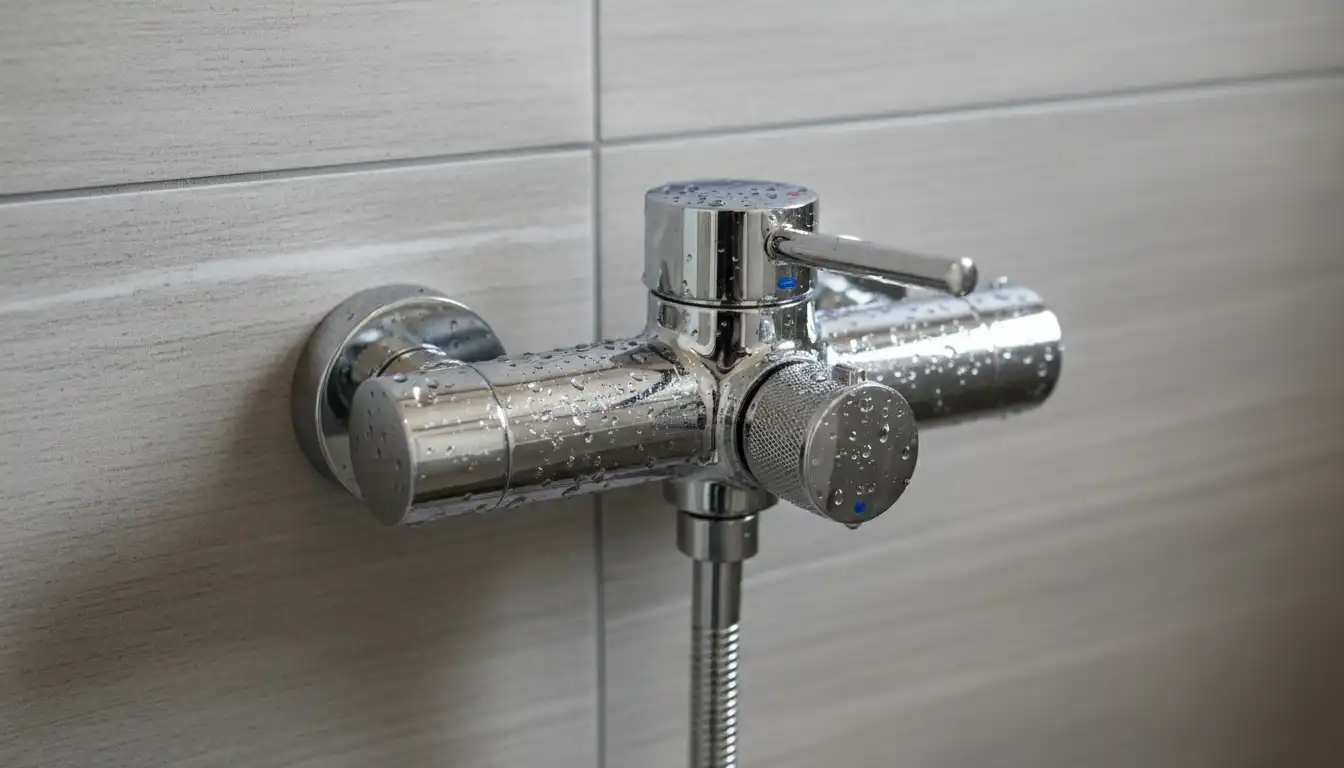
The cartridge is held in place by a retaining nut or screws. Use your adjustable wrench to carefully unscrew the cartridge from the valve body. Be prepared for some residual water to spill out. Once the cartridge is removed, you can inspect it for damage or buildup. Soaking it in a 50/50 solution of white vinegar and water for a few hours can dissolve mineral deposits. Use a soft brush to gently clean the filter screens.
If the cartridge is visibly damaged or cleaning doesn’t solve the problem, a replacement is necessary. Reinstallation is simply the reverse of removal. Ensure all O-rings are properly seated and lightly lubricated with silicone grease. After reinstalling, turn the water back on slowly and check for any leaks before putting the trim and handle back on.
Restoring Flow and Defeating Limescale
If low pressure is your main issue, cleaning the cartridge filters as described above is the first step. While you have the water off, it’s also the perfect time to clean your shower head. Unscrew it from the shower arm and soak it in the same vinegar solution to dissolve any limescale clogging the spray nozzles.
For more stubborn flow issues, you may need to flush the system. With the cartridge removed, you can briefly turn the service stops on and off to flush out any debris that was sitting in the pipes behind the valve. Place a bucket over the opening to catch the water. This ensures a clean path for water to flow through your newly cleaned or replaced cartridge.
The design of Hansgrohe’s concealed iBox system is a marvel of engineering, but its performance is highly dependent on a correct installation. An often-overlooked cause of chronic flow and temperature problems is an iBox that was installed too deep within the wall. If the valve body is recessed too far, the cartridge may not seat properly, leading to poor performance and leaks. Always ensure the finished wall surface falls within the minimum and maximum installation depths marked on the valve’s plaster shield.
A Quick Guide to Common Fixes
For at-a-glance help, this table summarizes the most common issues and their solutions. It’s a handy reference to keep you on track during your repair.
| Problem | Likely Cause | Primary Solution | Secondary Checks |
|---|---|---|---|
| Persistent Drip from Shower Head/Handle | Worn thermostatic cartridge seals or O-rings. | Replace the thermostatic cartridge. | Check for debris on seals; ensure retaining nut is tight. |
| Unstable Water Temperature | Clogged cartridge filters or failing thermostatic element. | Remove and clean the cartridge in a descaling solution. | Verify hot/cold supply lines are not reversed; flush the system. |
| Low Water Pressure | Blocked cartridge filters or clogged shower head. | Clean cartridge filters and descale the shower head. | Check that service stops are fully open. |
| Stiff or Jammed Handle | Limescale buildup on the cartridge body. | Remove, clean, and lubricate the cartridge with silicone grease. | If cleaning doesn’t work, replace the cartridge. |
| Diverter Not Fully Engaging | Worn diverter seals or mineral buildup. | Replace the diverter cartridge (often separate from the main cartridge). | Check for debris within the diverter housing. |
Proactive Care: Preventing Future Hansgrohe Shower Problems
The best way to deal with problems is to prevent them from happening in the first place. A little regular maintenance can go a long way in keeping your Hansgrohe shower mixer operating flawlessly for years to come. This proactive approach saves you time, money, and the headache of unexpected failures.
The Power of Regular Cleaning
Regularly cleaning the exterior of your shower mixer with a mild, non-abrasive cleaner will keep it looking new. More importantly, periodically descaling your shower head will maintain strong water flow. In areas with very hard water, consider doing a full cartridge cleaning annually to prevent severe limescale buildup before it causes a problem.
Know Your Water Hardness
Understanding the hardness of your water is crucial. Hard water contains high levels of minerals like calcium and magnesium, which are the primary cause of limescale. If you live in a hard water area, installing a whole-house water softener can dramatically extend the life of all your plumbing fixtures, including your shower mixer.
Navigating Warranty and Professional Help
Even with the best maintenance, some issues may require extra support. Understanding your coverage and knowing when to call a professional is key. It is important to know when does warranty start on appliances and fixtures, as this can save you significant costs on parts.
Hansgrohe offers a robust limited lifetime warranty on its products for manufacturing defects. If you suspect a part has failed prematurely, it’s always worth contacting their customer service. They can often provide replacement parts, like a new cartridge, free of charge. However, this warranty typically does not cover issues caused by improper installation or mineral buildup.
While many repairs are manageable for a DIYer, there are times when calling a licensed plumber is the wisest choice. If you are not comfortable shutting off the water, if a component is seized and won’t come loose, or if you suspect the problem lies with the plumbing inside the walls, it’s best to seek professional help. A qualified plumber can diagnose complex issues and prevent you from causing more significant damage.
Conclusion: Taking Control of Your Shower Experience
A malfunctioning shower can disrupt your daily routine, but it doesn’t have to be a major crisis. By understanding the common causes of Hansgrohe shower mixer problems, you are empowered to tackle these issues head-on. Most fixes revolve around the central thermostatic cartridge and can be managed with basic tools and a methodical approach.
From cleaning mineral buildup to replacing a worn-out cartridge, these solutions can restore your shower’s performance and reliability. Embrace regular maintenance to prevent future issues and don’t hesitate to contact Hansgrohe’s support or a professional plumber when needed. With this knowledge, you can ensure your shower remains a sanctuary of comfort and reliability for many years.
