
Grounding Your Gas Meter: The Hidden Danger in Your Home
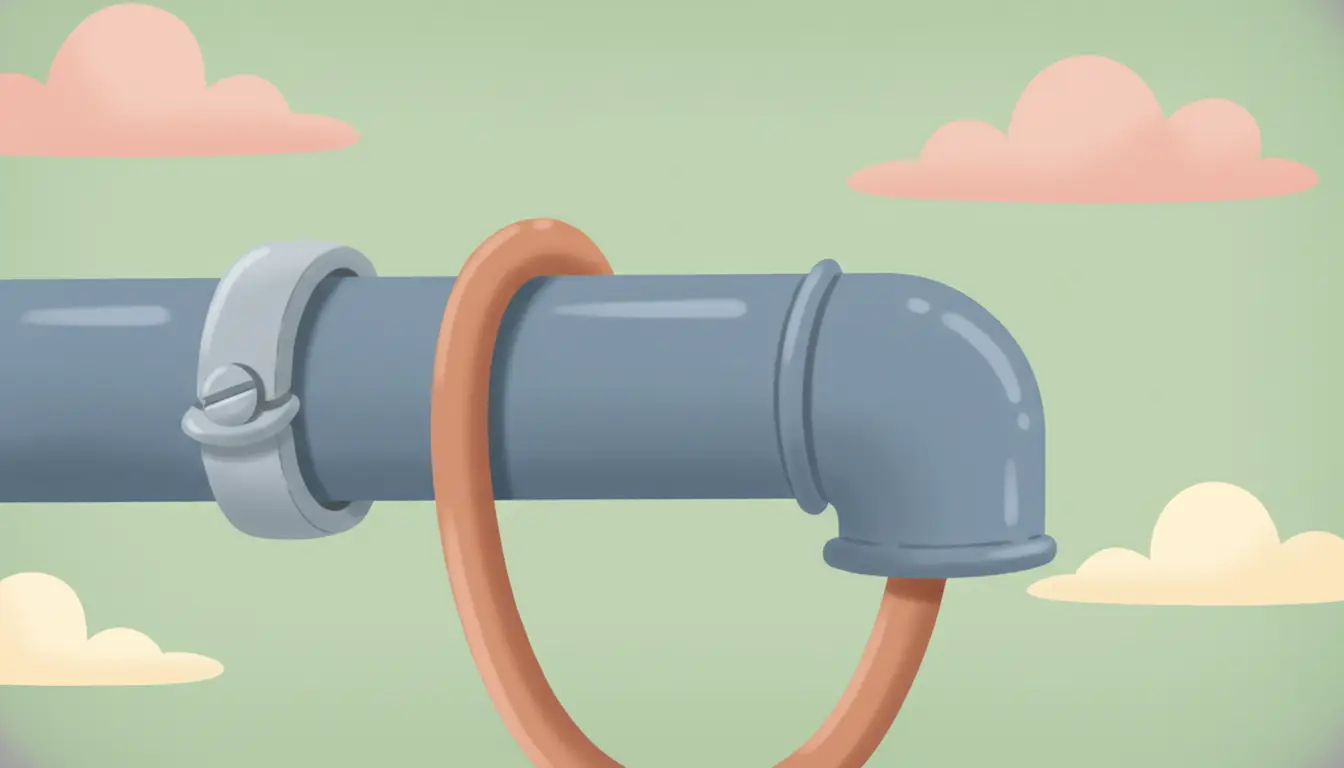
You may have noticed a thick copper wire clamped to the gas pipes near your meter. This isn’t just a stray piece of electrical work; it’s one of the most critical safety features in your home’s entire utility system. This is the gas line bonding wire, and its job is to prevent a catastrophe.
A missing, damaged, or improperly installed bonding wire creates a silent but deadly hazard. Without it, your gas piping can become a pathway for dangerous electrical currents, leading to sparks, fires, and explosions. Understanding the purpose of grounding your gas meter is the first step toward ensuring your home is protected from this hidden threat.
You'll Learn About
What Is Gas Meter Grounding and Why Is It a Non-Negotiable Safety Feature?
The correct term for this safety connection is “bonding.” While grounding and bonding are related, bonding specifically refers to connecting all metallic systems (like gas pipes, water pipes, and electrical enclosures) together to ensure they are at the same electrical potential. This equalization is the key to preventing disaster.
Think of it as creating an electrical team where every player is in sync. If one part of the system is suddenly hit with a high electrical charge, the whole team absorbs it and safely directs it away. This prevents a dangerous electrical arc between two metal components at different potentials.
The Core Purpose: Equalizing Electrical Potential
The primary job of the bonding wire is to connect your home’s metal gas piping directly to its main electrical grounding system. This system is typically connected to grounding rods driven deep into the earth. This connection ensures that if your gas pipes are ever exposed to electricity, the current has a safe and immediate path to the ground.
Without this path, the electrical energy can build up on the pipes, seeking the easiest way out. That “easiest way” could be a jump to another metal object, creating a powerful spark—the last thing you want near a natural gas supply.
The “Big Three” Dangers It Prevents
Properly bonding your gas line is not just about following code; it’s about actively preventing three specific, life-threatening scenarios. Each of these dangers highlights the non-negotiable importance of this safety feature.
First and foremost is protection from lightning strikes. A nearby or direct lightning strike can induce an immense electrical surge onto any metallic system. A bonded gas line safely diverts this catastrophic energy into the earth, preventing it from perforating the pipe and causing a massive gas leak and subsequent explosion.
The second danger is accidental electrical faults. Imagine a scenario where a live electrical wire inside a wall is frayed and comes into contact with a gas pipe. Without a bonding wire, the entire gas piping system becomes energized at 120 volts or more, creating a severe shock hazard and the potential for sparks anywhere along the line. With proper bonding, that fault current is immediately directed back to the electrical panel, tripping the circuit breaker and shutting off the danger.
Finally, bonding mitigates the risk of static electricity. While less common, the flow of gas itself can create static charges. A sufficient buildup could theoretically cause a small spark at a connection or fitting. Bonding ensures that any static charge is dissipated harmlessly into the grounding system.
The Code: Understanding the Rules of Electrical and Gas Safety
The requirements for bonding gas piping are laid out in the National Electrical Code (NEC), specifically in Article 250. The NEC states that metal piping systems “likely to become energized” must be bonded to the service equipment enclosure or the grounding electrode system. This is not a suggestion; it is a mandatory safety requirement enforced by local building inspectors.
It’s crucial to understand that gas piping is explicitly prohibited from being used as a grounding electrode. You cannot use the gas pipe itself as the main connection to the earth for your electrical system. It must only be bonded *to* the existing, dedicated grounding electrode system.
Who is Responsible? The Homeowner, the Utility, or the Electrician?
This is a common point of confusion for homeowners. The responsibility is divided: The gas utility company is responsible for all equipment up to and including the meter. This includes maintaining the underground service line and the meter itself.
However, the homeowner is responsible for all piping on the “house side” of the meter. This includes the bonding wire that connects this piping to the home’s electrical ground. While the utility company may flag a missing bond during a safety inspection, the responsibility—and cost—of hiring a qualified electrician to install or repair it falls squarely on the homeowner.
How to Tell If Your Gas Meter is Grounded Correctly
You can perform a quick visual inspection to get a sense of your system’s safety, but this should never replace a professional evaluation. Look for a thick, bare copper wire, typically a #6 AWG (American Wire Gauge) or larger, attached to your gas piping with a purpose-built metal clamp.
Crucially, this connection must be on the pipe that comes out of the meter and goes into your house, not the pipe coming from the street into the meter. Attaching the clamp to the utility side can interfere with their corrosion protection systems. The other end of this copper wire should run to your main electrical panel’s grounding bus bar or to the grounding electrode conductor where it connects to your ground rods or water main.
Red Flags That Signal an Immediate Problem
Several warning signs should prompt an immediate call to a licensed electrician. If you see no bonding wire at all, that is a major red flag, especially in homes with modern wiring or flexible gas lines. A wire that is visibly corroded, frayed, or disconnected is just as dangerous as a missing one.
Also, look for improper connections. The clamp must be tight and make solid metal-to-metal contact; it should not be loose or attached to a painted surface. A wire connected to the wrong place, like the meter body itself or the utility’s pipe, is also a code violation and a safety hazard.
The Dangers of Improper Grounding: More Than Just a Shock
The consequences of an unbonded or improperly bonded gas line can be devastating. The primary risk is fire and explosion. An electrical arc in the presence of even a small natural gas leak is a recipe for disaster.
Beyond the immediate explosive threat, electrical surges traveling through unbonded gas lines can destroy the sensitive electronic components in modern appliances. Your furnace, boiler, and even some high-end tankless water heaters rely on circuit boards that can be instantly fried by a surge that should have been routed to the ground.
Correcting a Grounding Issue: A Step-by-Step Professional Process
This is a job exclusively for a licensed electrician. Attempting this as a DIY project is extremely dangerous and illegal in most areas. A professional will follow a precise process to ensure your home’s safety.
The process begins with a thorough assessment of your home’s entire grounding and bonding system. The electrician will identify the correct attachment point on your gas line and the proper destination at your main electrical grounding system. They will use a listed bonding clamp and the correct gauge copper wire to make a secure, permanent, and code-compliant connection.
The Special Case of CSST (Corrugated Stainless Steel Tubing)
One of the most critical areas where bonding is non-negotiable is with Corrugated Stainless Steel Tubing (CSST). This flexible, yellow-jacketed tubing became popular in recent decades for its ease of installation. However, early versions were found to be susceptible to damage from lightning-induced electrical surges, which could perforate the thin walls of the tubing, causing gas leaks and fires.
As a result, codes were updated to mandate that all systems using yellow CSST must be directly bonded. This involves running a #6 AWG copper wire from a rigid pipe component or a CSST fitting directly to the grounding system. If you have CSST, which is often used for a gas line in wall installations, and you do not see this dedicated bonding wire, it is a significant safety issue that needs immediate professional attention.
Frequently Asked Questions About Gas Meter Grounding
Homeowners often have similar questions about this important safety topic. Getting clear, accurate answers is vital for peace of mind and home safety.
Can I ground the gas line to a water pipe?
This was a common practice in the past, but it is now largely prohibited. The reliability of water pipes as a grounding path has diminished with the increased use of plastic water mains and PEX tubing inside homes. The bond should always be made directly to the primary electrical grounding system.
What does the bonding wire look like?
It is typically a solid copper wire that is noticeably thicker than standard electrical wires in your home. It will be at least the diameter of the lead in a wooden pencil (#6 AWG). It can be bare copper or have a green insulation jacket.
How much does it cost to have a professional bond my gas line?
The cost can vary based on your location and the complexity of the installation. If the gas meter is close to the main electrical panel, the job is simpler and less expensive, often falling in the range of $150 to $350. If the wire must be run a long distance through finished areas, the cost can be higher.
| Component | What to Check For | Action to Take |
|---|---|---|
| Gas Meter Bond Wire | Missing, frayed, corroded, or loose wire and clamp. Clamp on the wrong side of the meter. | Call a licensed electrician immediately. Do not attempt to touch or repair it yourself. |
| Electrical Panel | Rust, buzzing sounds, or breakers that trip frequently. | Contact a licensed electrician for a panel inspection and tune-up. |
| Outdoor Electrical Equipment | Damaged conduits, exposed wiring, or rust on meter boxes. | Keep the area clear and call an electrician for repairs. |
| CSST Gas Lines (Yellow) | Absence of a visible, dedicated #6 AWG copper bonding wire. | This is a high-priority safety issue. Contact an electrician for immediate inspection and correction. |
Beyond the Meter: A Holistic Approach to Home System Safety
Properly bonding your gas meter is a critical piece of a larger puzzle: your home’s unified grounding system. This system connects not only your electrical and gas services but also other metallic systems like communications cables (phone, TV) to the same grounding point. This creates a safe, equipotential plane across your entire home, minimizing the risk from any external electrical event.
Regular maintenance of all your home’s systems contributes to this safety net. Just as you would ensure your electrical panel is in good working order, keeping other equipment maintained, like having your John Deere 524 snowblower serviced before winter, is part of a responsible homeowner’s safety mindset.
Ultimately, the small wire clamped to your gas pipe plays a huge role in protecting your property and your family. Take a moment to visually inspect your system. If you have any doubts or see any of the red flags mentioned, don’t hesitate. Making the call to a qualified electrician is a small price to pay for invaluable peace of mind.
