Green Satsumas? The #1 Reason Your Fruit Isn’t Orange (And How to Fix It!)
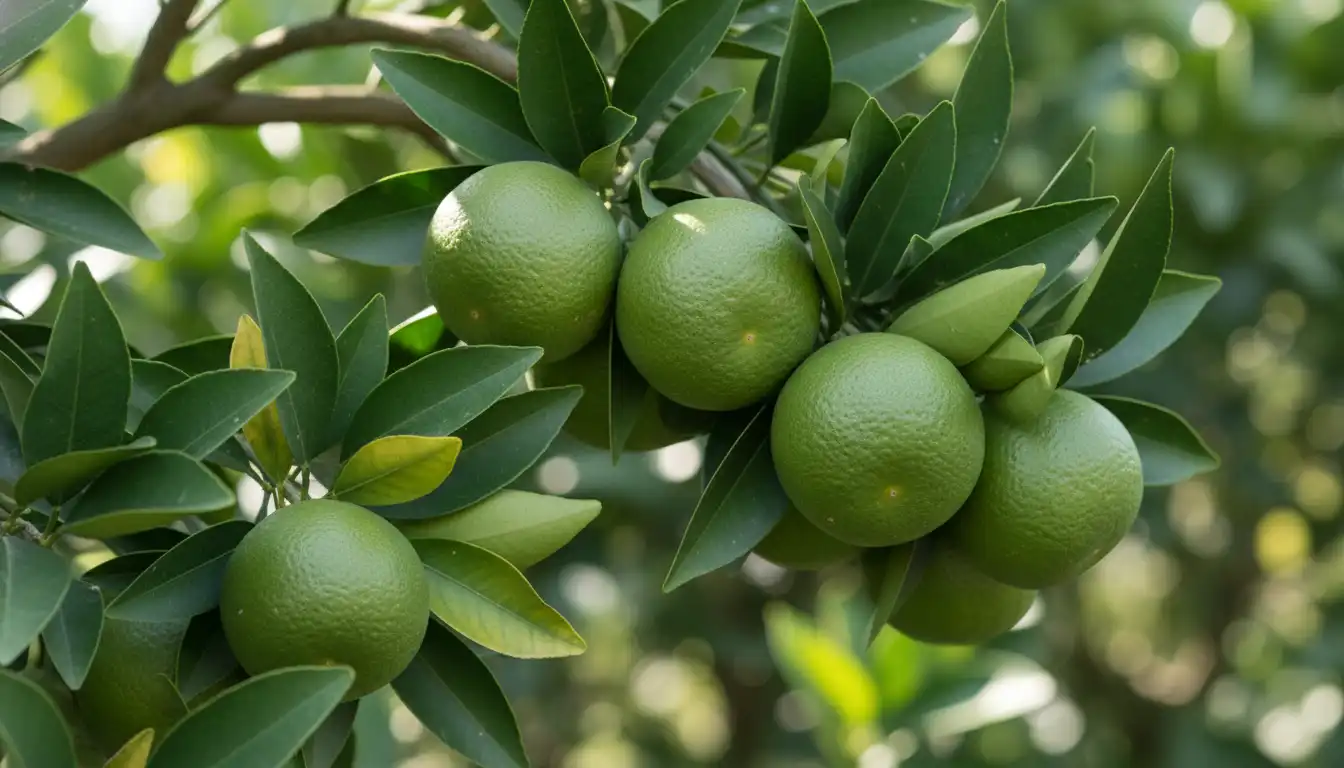
There’s a unique frustration that comes with growing your own fruit. You’ve nurtured your satsuma tree, watched the blossoms turn to tiny green orbs, and waited patiently for that vibrant orange hue to signal a sweet, juicy harvest. But the weeks drag on, and the fruit remains stubbornly, disappointingly green.
This common problem leads many home gardeners to a single, pressing question: Why are my satsumas still green, and will they ever ripen? The answer, surprisingly, is that they may already be perfectly ripe. The color of a satsuma’s peel is one of the most misunderstood aspects of this delicious citrus fruit.
You'll Learn About
Decoding the Green Satsuma: Is It Ripe or Not?
Before you can solve the problem of green satsumas, you must first understand the science behind their color and ripeness. Unlike many fruits, citrus does not continue to ripen after being picked. This makes it crucial to know the true signs of maturity before you harvest.
The Great Color Deception: Why Green Doesn’t Mean Unripe
The biggest secret of the satsuma world is that color is not a reliable indicator of ripeness. Satsumas ripen from the inside out, meaning the flesh can be sweet and bursting with juice while the peel is still green. The orange color is a result of a chemical process separate from sugar development.
The green color in the peel comes from chlorophyll. For the orange and yellow pigments, known as carotenoids, to become visible, the chlorophyll must break down. This process is triggered not by the fruit’s internal sugar content, but by cooler evening temperatures. In regions with warm nights, a satsuma can be perfectly ripe and sweet while its skin remains entirely green.
The Squeeze Test: Your Best Indicator of Ripeness
Forget color and trust your sense of touch. The most reliable way to check if a satsuma is ready to eat is the squeeze test. Gently cup the fruit in your hand and apply light pressure.
A ripe satsuma will have a slight give; it should feel slightly soft and puffy, not rock-hard. The skin on a mature fruit will also feel a bit loose, as if it’s beginning to separate from the segments inside. Be careful not to press too hard, as the delicate flesh can bruise easily.
Other Sensory Clues: Smell and Sheen
Your other senses can also help determine ripeness. Bring the fruit close to your nose and take a sniff near the stem. A ripe satsuma will have a faint, sweet citrus fragrance.
Visually, look for a slight gloss or sheen on the skin’s surface. While the color may be green, a dull appearance often indicates an immature fruit, whereas a healthy sheen suggests the oils in the peel are well-developed, a common sign of maturity.
The Root Causes: Why Your Satsuma Tree Produces Green Fruit
Even if your green satsumas are ripe, you probably still want that beautiful orange color. If your fruit stays green long after it has softened, it’s typically due to specific environmental and horticultural factors. Understanding these causes is the first step toward achieving a picture-perfect harvest.
The Climate Conundrum: Temperature’s Critical Role
As mentioned, the transition from green to orange is highly dependent on temperature. Satsuma trees need a significant temperature difference between day and night for the chlorophyll to break down. Hot days followed by cool nights (ideally with temperatures dropping into the 40s Fahrenheit) signal the peel to change color.
In consistently warm or tropical climates, this temperature swing may never happen, leaving you with perpetually green—but still delicious—fruit. This is a natural occurrence and not a sign of a problem with your tree.
Nutritional Imbalances: Are You Feeding Your Tree Correctly?
The right nutrients are essential for fruit development, and an imbalance can affect everything from taste to color. A common mistake is providing too much nitrogen, especially late in the growing season. Nitrogen encourages leafy growth, often at the expense of fruit quality.
For vibrant fruit, your tree needs a balanced citrus fertilizer rich in phosphorus and potassium. These elements support fruit production and sugar development. Ensure your feeding schedule is consistent, typically with applications in late winter, late spring, and late summer.
Watering Woes: Too Much or Too Little
Inconsistent watering is a major source of stress for citrus trees. Drought conditions can stunt fruit growth, while overwatering can lead to root rot, preventing the tree from absorbing the nutrients needed for proper ripening.
The key is deep, infrequent watering. Allow the top few inches of soil to dry out between waterings, and then water thoroughly until the soil is saturated deep down. This encourages a strong, resilient root system. Proper watering is a cornerstone of overall plant health, much like ensuring your home has the right protection, where a good house wrap alternative can guard against moisture issues.
Sun Exposure and Airflow: The Overlooked Essentials
Satsuma trees are sun-lovers. They need at least eight hours of direct sunlight per day to produce the energy required for developing sweet, high-quality fruit. A tree planted in a shady spot may produce fruit, but it will likely be sour and slow to mature.
Good airflow is equally important. A dense canopy can trap humidity, promoting fungal diseases and preventing sunlight from reaching all the fruit. Strategic pruning to thin out crowded branches ensures that sunlight and air can penetrate the entire tree, leading to a healthier and more uniform crop.
The Action Plan: Your Step-by-Step Guide to Vibrant Orange Satsumas
Now that you understand the “why,” it’s time for the “how.” By implementing a few key strategies, you can significantly improve your tree’s health and increase the chances of a colorful, bountiful harvest.
Mastering Your Watering Schedule
Develop a consistent watering routine based on your climate and soil type. For container-grown trees, this may mean watering every few days. For trees in the ground, a deep soak every one to two weeks during the growing season is often sufficient. Always check the soil moisture before watering to avoid drowning the roots.
Perfecting Your Fertilization Strategy
Switch to a fertilizer specifically formulated for citrus trees. These products have the correct ratio of nitrogen, phosphorus, and potassium (NPK). Apply the fertilizer according to the package directions, typically three times a year, avoiding late-fall applications that could spur new growth vulnerable to frost.
Strategic Pruning for a Healthier, Happier Tree
The best time to prune a satsuma tree is in the early spring, after the danger of frost has passed but before the new flush of growth begins. Your goal is to open up the canopy. Remove any dead or crossing branches, as well as any low-hanging limbs where fruit might touch the ground.
Just as thoughtful design inside your home can be transformative, perhaps when solving challenges like arranging decor around different height windows in the same room, strategic pruning shapes your tree for long-term success. A well-pruned tree is not only more productive but also more resistant to pests and diseases.
TABLE: Green Satsuma Troubleshooting Guide
Use this table to quickly diagnose and solve the most common issues preventing your satsumas from turning orange.
| Symptom | Possible Cause | Solution |
|---|---|---|
| Fruit is soft and sweet but remains green. | Lack of cool night temperatures. | This is a climatic issue. Enjoy the ripe, green fruit! No action is needed. |
| Fruit is hard, green, and sour. | Fruit is not yet mature. | Be patient. Allow more time on the tree and test one fruit weekly. |
| Tree has lush, dark green leaves but small, poor-quality fruit. | Excess nitrogen fertilizer. | Switch to a balanced citrus fertilizer and reduce feeding frequency. |
| Leaves are yellowing, and fruit is stunted. | Inconsistent watering or poor drainage. | Establish a deep, infrequent watering schedule. Ensure the soil drains well. |
| Fruit on the inside of the tree stays green longer. | Lack of sunlight and airflow. | Prune the tree to thin the canopy and improve light penetration. |
So, You Have Green Satsumas… Now What?
Even after your best efforts, you might end up with a crop of green satsumas. Don’t despair! This is an opportunity to explore the unique qualities of this fruit in a new way.
The Taste Test: Can You Eat Green Satsumas?
Absolutely! As long as the fruit passes the squeeze test and feels slightly soft, it is ready to eat. Many people find that ripe, green satsumas have a more complex flavor profile than their orange counterparts. They are often delightfully sweet with a pleasant tartness, similar to a sweet lime or a tangerine.
Creative Culinary Uses for Tart Satsumas
The brighter, tangier flavor of green satsumas makes them incredibly versatile in the kitchen. Their juice and zest can elevate a variety of dishes. Consider using them to make a vibrant marmalade, a zesty marinade for chicken or fish, or a tangy vinaigrette for salads.
The zest can also be used in baking to add a fresh citrus note to cakes, scones, and cookies. For a simple and refreshing drink, squeeze the juice into sparkling water with a sprig of mint. The possibilities are as endless as your culinary imagination.
A Word of Caution: When Not to Eat Them
While ripe green satsumas are a treat, you should avoid eating fruit that is still rock-hard and immature. These will be extremely sour and lack the sugar and juice that make satsumas so enjoyable. If a fruit doesn’t have a slight give when squeezed, leave it on the tree longer.
Advanced Insights for the Dedicated Gardener
For those looking to truly master the art of growing citrus, a few deeper concepts can make all the difference. These principles focus on long-term tree health and understanding your unique growing environment.
Understanding Your Microclimate
Every garden has microclimates—small pockets where conditions like temperature and sun exposure differ from the surrounding area. A satsuma planted against a south-facing wall that retains heat may experience warmer nights, inhibiting color change. Conversely, a tree in a lower-lying area might get the cool air it needs to turn orange.
Observing these subtle differences can help you make better decisions about where to plant and how to manage your tree. Cultivating a healthy garden often involves careful maintenance of all your tools and equipment. Keeping a reliable toolset, like the versatile Craftsman ProSeries 88976, in good working order ensures you are always ready for any gardening task.
The Importance of Rootstock
Most citrus trees you buy are grafted, meaning the top part of the tree (the scion, which produces the fruit you want) is attached to the root system of a different variety (the rootstock). The rootstock is chosen for its durability, disease resistance, and adaptability to specific soil types and climates.
While you may not choose the rootstock yourself, being aware of its role is important. A high-quality rootstock contributes significantly to the overall vigor and health of the tree, which in turn impacts its ability to produce excellent fruit. A healthy root system is the foundation of a productive tree.
Long-Term Tree Health is Long-Term Fruit Health
Ultimately, the secret to a great harvest, whether green or orange, is a healthy tree. Consistent care is paramount. A tree that is properly watered, fed, and pruned year after year will be more resilient to pests, diseases, and environmental stress.
Don’t look for quick fixes. Instead, focus on providing a stable and nurturing environment. Your dedication will be rewarded with years of delicious, homegrown satsumas that are a testament to your skill and patience as a gardener.