Goodman Furnace Condensate Drain Leaking? Your #1 Fix Guide
You walk into your basement or utility closet and notice it—a dreaded puddle of water pooling around the base of your Goodman furnace. Your first thought might be a plumbing leak, but the culprit is often a small but vital component: the condensate drain.
This unassuming pipe is essential for the proper function of any high-efficiency furnace, and when it fails, it can lead to water damage, system shutdowns, and costly repairs. Understanding how to manage this drain is a cornerstone of responsible homeownership.
You'll Learn About
Why Your High-Efficiency Goodman Furnace Produces Water
To appreciate the role of the condensate drain, it’s important to understand why modern furnaces create water in the first place. High-efficiency furnaces, like those made by Goodman, are designed to extract as much heat as possible from the combustion process.
They use a secondary heat exchanger that cools exhaust gases to the point where water vapor—a natural byproduct of burning gas—condenses into liquid. This process releases more heat into your home, making the furnace highly efficient. However, this acidic liquid must be safely drained away from the unit. This is entirely different from seeing steam coming out of your furnace, which could signal a more serious issue like a cracked heat exchanger.
The Critical Role of the Condensate Drain System
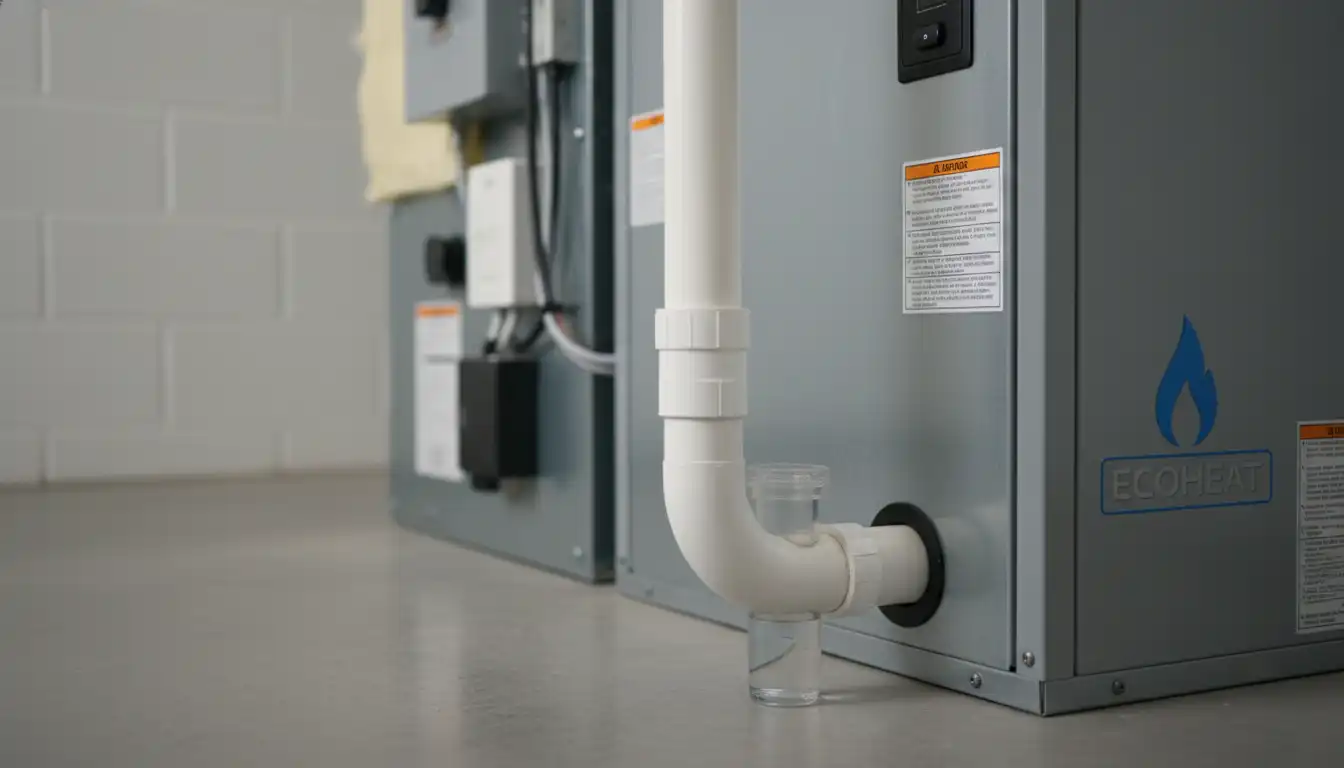
The condensate drainage system is a network of tubing, a trap, and sometimes a pump designed to channel this water away. The drain line, typically made of PVC, directs the water to a floor drain, utility sink, or a condensate pump if the drain is below the furnace.
The P-trap is a U-shaped pipe that holds water to prevent exhaust gases from escaping into your home. If any part of this system becomes blocked, the water will back up and leak out, causing the problems you see on your floor.
The Silent Threat: How to Spot a Clogged Condensate Drain
A clogged condensate line doesn’t always announce itself with a large puddle. The initial signs can be subtle, but catching them early can save you from significant headaches and expenses. Pay close attention to these warning signals.
Ignoring these signs can lead to more than just a messy cleanup; it can cause component rust, electrical shorts, and even complete system failure.
Telltale Puddles and Water Stains
The most obvious sign of a blockage is water pooling around the base of your furnace. Even a small amount of moisture is a red flag. Over time, this can lead to water damage on your floors, walls, and even compromise the structural integrity of the furnace cabinet itself.
Keep an eye out for discoloration or warping on nearby surfaces. What starts as a minor drip can quickly escalate into a more severe leak.
Gurgling Sounds and System Noises
When the condensate drain is partially blocked, you might hear unusual gurgling or bubbling sounds coming from the furnace area. This noise is caused by trapped air and water struggling to move through the constricted pipe. It’s an auditory clue that a clog is forming, even before water starts to leak.
Furnace Shuts Down Unexpectedly
Modern Goodman furnaces are equipped with a safety feature called an overflow float switch located in the drain pan or connected to the drain line. If water backs up due to a clog, this switch will trip and automatically shut down your furnace to prevent water damage. If your furnace stops working without an obvious cause, a clogged drain is a prime suspect.
Musty Odors and Poor Air Quality
Standing water inside a dark drain line is the perfect breeding ground for mold, mildew, and bacteria. As these microorganisms grow, they can produce a musty or sour smell near your furnace and vents. This not only creates an unpleasant odor but can also negatively impact your home’s indoor air quality, potentially aggravating allergies and respiratory issues.
The Main Culprits: What’s Blocking Your Goodman’s Drain?
Understanding what causes these blockages is the first step toward prevention. The dark, damp environment of the condensate line is ideal for biological growth, which is the most common reason for clogs. However, other factors can contribute to the problem as well.
Regional environmental conditions can play a surprisingly significant role. Homes in areas with high pollen counts or frequent dust storms may experience faster buildup in their drain lines, requiring more frequent checks.
Algae, Mold, and Slime Buildup
The primary offender is often a slimy mixture of algae, mold, and bacteria. This organic gunk thrives in the condensate pan and drain line, eventually growing thick enough to obstruct the flow of water completely. Without regular cleaning, this buildup is almost inevitable.
Dust, Debris, and Installation Issues
During installation or home renovation projects, dust, drywall particles, or other small debris can find their way into the drain line, creating a blockage. Additionally, an improperly installed drain line that lacks a sufficient downward slope will not drain effectively, allowing water to sit and debris to settle, leading to frequent clogs.
Your Step-by-Step Guide to Clearing the Condensate Drain
For many homeowners, clearing a clogged condensate drain is a manageable DIY task that can save you a service call fee. With a few basic tools and a little patience, you can get your furnace back up and running safely. This routine maintenance should be part of your yearly home care checklist.
Before you begin, gather all your tools and familiarize yourself with the components. This will make the process smoother and more efficient.
Step 1: Safety First – Power Down Your System
Before performing any maintenance, always turn off the power to your furnace. Locate the power switch on or near the furnace and turn it off. For added safety, shut off the corresponding breaker in your home’s main electrical panel. This prevents the furnace from cycling on while you work and eliminates any risk of electrical shock.
Step 2: Locate the Condensate Drain Line and Trap
The condensate drain line is typically a white or clear PVC pipe coming from the side of your furnace. Follow this line to locate the P-trap, the U-shaped section of the pipe. You will also see a vent tee, which is a vertical pipe with a cap that provides access for cleaning.
Step 3: The Cleaning Process
Remove the cap from the vent tee. First, use a thin, flexible brush to gently dislodge any gunk near the opening. Next, use a wet/dry vacuum to suction out the blockage. Create a seal around the vacuum hose and the vent opening with your hand or a rag to maximize suction. Let the vacuum run for a minute or two to pull out the clog.
After clearing the initial blockage, it’s time to flush the line. Pour a solution of one part distilled white vinegar and three parts water into the access tee. Let this solution sit for about 30 minutes to break down any remaining algae or slime. Afterward, flush the line with fresh water to clear out the vinegar and any loosened debris.
| Tool | Purpose | Pro-Tip |
|---|---|---|
| Wet/Dry Vacuum | Sucks out clogs and standing water. | Use a crevice tool attachment to get a better seal on the drain opening. |
| Distilled White Vinegar | Natural cleaning agent that kills mold and algae. | Avoid using bleach, as it can be corrosive to metal components if it splashes. |
| Flexible Brush | Loosens debris inside the pipe. | A bottle brush or a dedicated drain snake works well. |
| Rags and Bucket | Cleans up spills and catches excess water. | Place rags under the P-trap before opening it to catch any residual water. |
| Funnel | Helps pour the cleaning solution without spilling. | A simple kitchen funnel is all you need for this task. |
Beyond the Clog: Advanced Troubleshooting and Prevention
Sometimes, a simple cleaning isn’t enough, or you want to take steps to prevent future clogs. Implementing a proactive maintenance plan can ensure your system runs smoothly for years to come and helps you avoid emergency situations.
An excellent upgrade for easier monitoring is to install a clear P-trap. This allows you to visually inspect for blockages without having to disassemble any parts, making it easy to see when a cleaning is needed before a leak occurs.
Checking the Condensate Pump
If your furnace is installed in a basement where the drain line can’t rely on gravity, it will have a condensate pump. This small box collects the water and pumps it out. If the pump fails or its internal float switch gets stuck, water will overflow. Check that the pump has power and test it by pouring water into its reservoir to see if it activates.
The Quarterly Vinegar Flush
The single most effective preventive measure is to flush the drain line regularly. Every three months, pour a cup of distilled vinegar down the condensate line access port. This simple action helps prevent the buildup of algae and slime, keeping the line clear year-round.
When to Call a Professional HVAC Technician
If you’ve cleaned the drain and the pump is working, but your furnace still leaks or won’t turn on, it’s time to call a professional. There could be a more complex issue, such as a cracked collector box, a damaged secondary heat exchanger, or an electrical problem with a safety switch. Do not hesitate to seek expert help for issues that go beyond a simple clog.
Frequently Asked Questions (FAQ)
Navigating furnace maintenance can bring up a lot of questions. Here are answers to some of the most common inquiries about the Goodman furnace condensate drain.
Can a clogged drain damage my furnace?
Yes, absolutely. If water backs up, it can overflow into the furnace cabinet, causing rust and corrosion on critical components like the blower motor and control board. This can lead to expensive repairs and shorten the lifespan of your furnace. This is a very different issue from something like a Carrier high humidity alert, which points to airflow or refrigerant problems.
How often should I clean the condensate drain?
It’s a good practice to inspect the drain monthly and perform a thorough cleaning at least twice a year—once before the heating season and once before the cooling season. A preventive vinegar flush every three months is highly recommended to keep the line clear.
What’s the difference between a standard and high-efficiency furnace drain?
A standard-efficiency furnace’s exhaust is hot enough that water remains as vapor and exits through the flue. Only high-efficiency models cool the exhaust enough to produce liquid condensate, which is why they are the only ones that require a drain line. When you’re looking at different models, such as in an Amana vs Trane furnace comparison, the design of the condensate management system is a key feature to consider for long-term reliability.
Take Control of Your Home’s Health
Maintaining your Goodman furnace’s condensate drain is not just about preventing a puddle on the floor; it’s about protecting your investment, ensuring your family’s comfort, and maintaining healthy indoor air quality. By understanding how the system works and following these simple maintenance steps, you can prevent most common issues.
A few minutes of preventive care can save you from the stress and expense of an emergency breakdown. Take a proactive approach to your furnace maintenance and ensure your home stays warm and dry all winter long.