
Gnomes in Your House: Meaning & Decoration Guide
You hear a sound in the night or notice an object isn’t quite where you left it. For most, it’s a simple, forgettable moment. But for others, it sparks a curious question: could there be gnomes in the house?
This thought, seemingly whimsical, connects to centuries of folklore and a deep-seated human need to find meaning in the unexplained. Understanding this phenomenon is the first step toward creating a peaceful and harmonious home environment.
You'll Learn About
The Unseen Houseguest: Understanding the Gnome Phenomenon
The idea of small, bearded figures protecting or causing mischief in a home is not a modern invention. These beliefs are rooted in rich cultural histories from across Europe, where gnome-like creatures were seen as powerful earth spirits. Recognizing this history helps explain why these figures still capture our imagination today.
From Folklore to Your Fireplace: The Real Origins of House Gnomes
The concept of gnomes traces back to Renaissance-era theories about earth elementals—beings tied to the very soil and rock beneath our feet. In Scandinavian and Germanic folklore, similar creatures known as “tomte” or “nisse” were believed to be household spirits. These beings acted as protectors of the home and farm, but only if they were treated with respect.
Families would leave out offerings, like a bowl of porridge, to keep their resident tomte happy. An appeased spirit brought good fortune and protection, while a disrespected one could become a source of endless pranks and misfortune. This folklore underscores a core theme: a reciprocal relationship with the unseen world around us.
Is It Just a Decoration? Signs Your Gnome Might Be More
In modern times, a gnome is often just a charming statue. However, for those who experience strange occurrences, these decorative figures can take on a new significance. Common signs attributed to a gnome’s presence include misplaced keys, flickering lights, or the feeling of being watched.
While often harmless, these events can be unsettling. People report small items disappearing only to reappear in obvious places days later. Such experiences blur the line between simple forgetfulness and something more mysterious at play within the home.
The Root of the Issue: Why Do People Believe Gnomes Are in Their Homes?
Belief in household spirits like gnomes often arises from a combination of psychological factors and the interpretation of ambiguous events. Our brains are wired to seek patterns and explanations, especially for things that feel out of our control. This can lead us to attribute strange noises or misplaced objects to a specific cause, such as a mischievous gnome.
Psychological Explanations: Pareidolia and the Power of Suggestion
One key psychological principle at play is pareidolia, the tendency to perceive familiar patterns, like faces, in random stimuli. A shadow in the corner of your eye or a pattern in wood grain can momentarily trick the brain into seeing a small figure, planting a seed of belief.
Furthermore, the power of suggestion is immense. Once the idea of a gnome is introduced, confirmation bias can take over. This is where you unconsciously start looking for and giving more weight to “evidence” that supports the belief, while dismissing logical explanations for unusual events.
Interpreting the “Signs”: Common Occurrences and Their Meanings
Many events attributed to gnomes have practical, non-supernatural explanations. Strange sounds in the walls, for instance, could be pests, plumbing issues, or the house settling. Investigating these noises might be more complex than imagined; sometimes, you may need to know how to remove acoustic foam from a wall just to get a clear look.
Flickering lights are often a sign of a simple electrical issue. Before assuming a supernatural cause, it might be worth checking the connection or considering if the bulb, such as a specialty light bulb, needs replacing. Addressing these mundane possibilities is a crucial step in gaining peace of mind.
Harmless Guardians or Mischievous Tricksters?
Folklore presents a dual nature for gnomes: they can be benevolent protectors or chaotic pranksters. Historically, their temperament depended entirely on how the human inhabitants of the home treated them. This duality reflects a basic human understanding of nature itself—it can be nurturing and beautiful, but also unpredictable and disruptive.
This belief empowers the homeowner. It suggests that by fostering a positive and respectful environment, you can encourage the “guardian” aspect and discourage any mischievous behavior. The key is to take control of your home’s atmosphere.
A Practical Guide to Living with Household Gnomes
Whether you are a firm believer or simply wish to address unsettling feelings in your home, a structured approach can be highly effective. The following steps provide a framework for understanding and resolving the situation, blending respect for folklore with practical, real-world solutions.
Step 1: Observation and Identification
Begin by documenting the strange occurrences in your home. Keep a simple log of what happened, where it happened, and when. This objective record can help you identify patterns that may point to logical explanations you hadn’t considered before.
At the same time, consider the folkloric perspective. Different “signs” can be interpreted in various ways. Understanding these traditional meanings can provide comfort and a sense of control, even if viewed as symbolic.
| Observed Sign | Common Folkloric Interpretation | Potential Practical Explanation |
|---|---|---|
| Small items go missing (keys, jewelry) | A gnome is playing a prank or is displeased. | Simple misplacement, memory lapse, or items being knocked over by pets. |
| Faint giggling or whispering sounds | Gnomes are communicating with each other. | Drafts, sounds from pipes, or noise from outside traveling in. |
| Flickering lights or electronics turning on/off | A gnome is manipulating energy to get attention. | Faulty wiring, power surges, or aging appliances. |
| Objects moved to a different location | The gnome is tidying up or redecorating to its taste. | Vibrations from traffic, pets, or family members moving things unconsciously. |
| Feeling of being watched in a room | A guardian gnome is keeping a protective eye on the family. | Heightened awareness due to stress, drafts causing subtle movements. |
Step 2: Establishing a Respectful Coexistence
If you choose to engage with the idea of a household spirit, the key according to folklore is respect. This doesn’t require elaborate rituals. It can be as simple as verbally acknowledging the presence and stating your intention to live together peacefully.
Some traditions suggest leaving a small, symbolic offering, such as a shiny stone, a piece of fruit, or a bowl of milk, in a quiet corner of the house. This gesture, rooted in centuries of folklore, is about showing respect for the home and any spirit that might reside there. It’s a powerful act of creating a positive and welcoming atmosphere.
Step 3: What to Do If Things Feel Wrong
If the occurrences in your home feel negative or unsettling, it’s important to reclaim your sense of security. Start with a thorough spring cleaning. Decluttering and organizing your space can have a profound psychological impact, making a home feel fresher and more positive.
Letting in natural light is also critical. A bright, sunny space feels more open and less mysterious. If you have a room that feels particularly dark, like a sunroom with old panels, making improvements such as looking into sunroom replacement panels can dramatically change the energy. A home filled with light is often a home filled with peace.
Beyond Folklore: Creating a Harmonious Home Environment
Ultimately, the feeling of “gnomes in my house” points to a deeper need for security and harmony in one’s personal space. Focusing on tangible actions that improve your home environment can resolve these feelings, regardless of their source. A well-maintained, positive home is a happy home.
The Modern Gnome: A Symbol of Hearth and Home
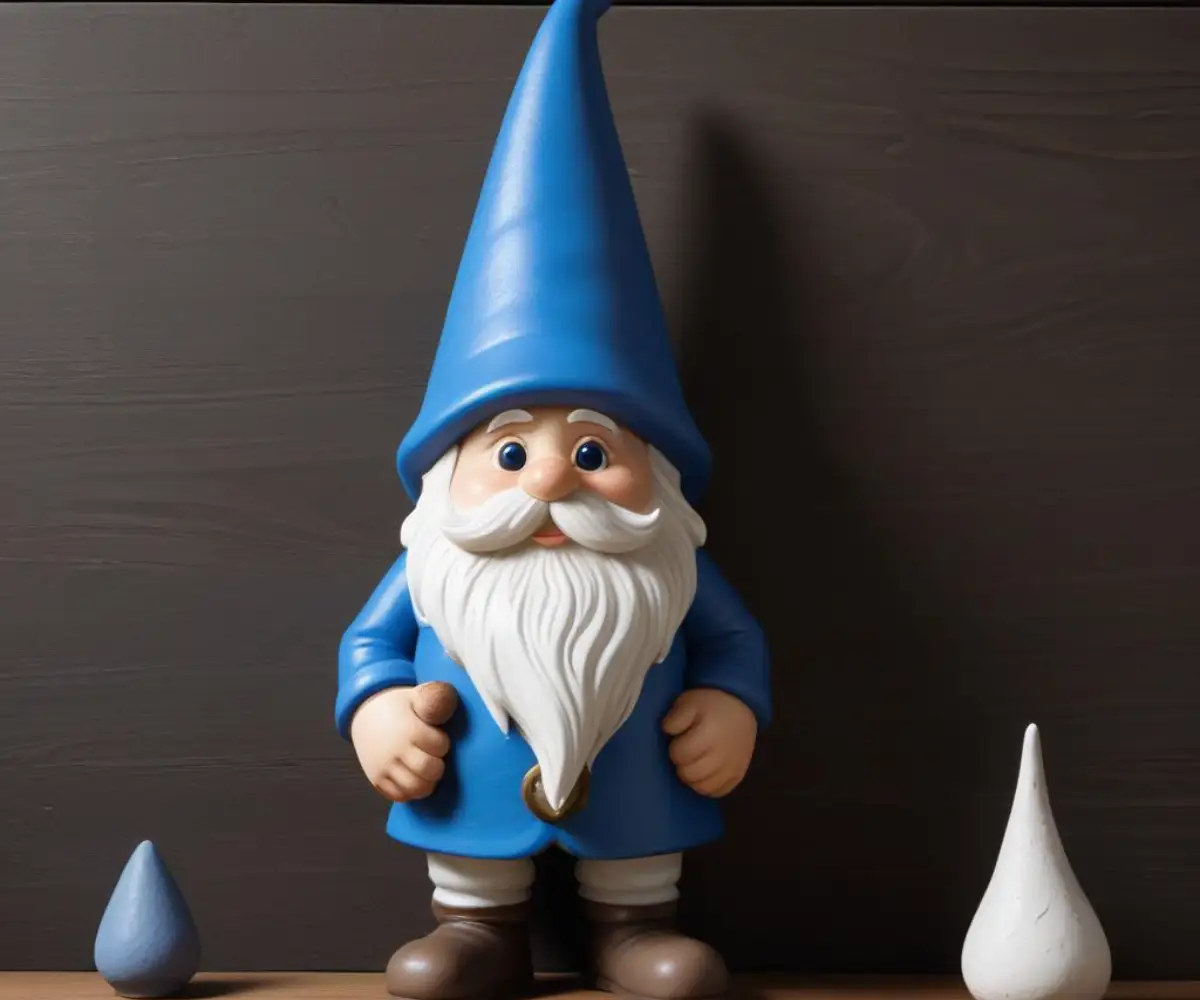
Today, the gnome has largely transformed into a symbol of good luck and protection. People place them in gardens and homes not out of fear, but as a charming reminder of nature and a whimsical guardian for their property. Embracing this modern interpretation can turn a source of anxiety into a positive symbol.
Seeing your gnome statue as a cheerful protector rather than a mischievous trickster can reframe your entire mindset. This shift in perspective can be incredibly powerful in making you feel more secure and at ease in your own space.
Long-Term Solutions for Peace of Mind
Creating a truly peaceful home is an ongoing process. Regularly check for and address mundane issues like drafts, pests, or faulty wiring to eliminate sources of unexplained activity. Cultivate a positive atmosphere through music, pleasant scents, and spending quality time with loved ones in the space.
By taking proactive steps to make your home a secure, logical, and positive place, you address the root cause of the unsettling feelings. Whether you believe in gnomes or not, these actions will lead to a greater sense of well-being and control over your environment, ensuring your house truly feels like a sanctuary.
