Gas Stoves Without Electricity: Your Ultimate Off-Grid Guide
The power grid is more fragile than ever. A storm, a heatwave, or an unexpected outage can leave you without the ability to cook a warm meal for your family.
You thought you were prepared with a gas stove, only to discover it’s useless without electricity. This guide reveals the secret to true cooking independence.
You'll Learn About
The Modern Problem: Why Your Gas Stove Secretly Relies on Electricity
Many homeowners choose gas appliances for their reliability during a power outage. It’s a shocking realization when the power goes out and their expensive gas range becomes little more than a countertop.
Modern gas stoves are packed with features that depend on a constant electrical supply. Understanding these components is the first step toward finding a truly off-grid solution.
The Spark of the Problem: Electronic Ignition
That familiar clicking sound you hear just before the flame ignites is the electronic ignition system. This component uses an electric spark to light the gas, replacing the old-fashioned pilot light.
Without electricity, there is no spark, and the burners won’t light automatically. This is the most common point of failure during an outage.
More Than Just a Flame: Clocks, Timers, and Touchscreens
The conveniences of modern cooking come at a cost. Digital displays, oven timers, smart features, and even the oven light all require electricity to function.
These features render the entire control panel useless without power, often preventing the oven from operating at all, even if you could light it manually.
The Hidden Veto: The Oven’s Electric Safety Valve
Here is the critical piece of information most people overlook. Nearly all modern gas ovens are equipped with an electric safety valve, often a solenoid.
This valve requires an electrical current to open and allow gas to flow to the oven’s burner. It’s a safety feature designed to prevent gas from filling your oven and home if the flame goes out. No electricity means the valve stays shut, and your oven will not heat up, period.
The Solution: Finding a Gas Stove That Truly Works Off-Grid
True energy independence in the kitchen is achievable. You need a stove designed with simplicity and reliability in mind, one that doesn’t depend on the grid for its core function: cooking.
These stoves fall into a few key categories, each with its own set of advantages and disadvantages. Let’s explore the best options for your home.
The Old-School Guardian: Stoves with Standing Pilots
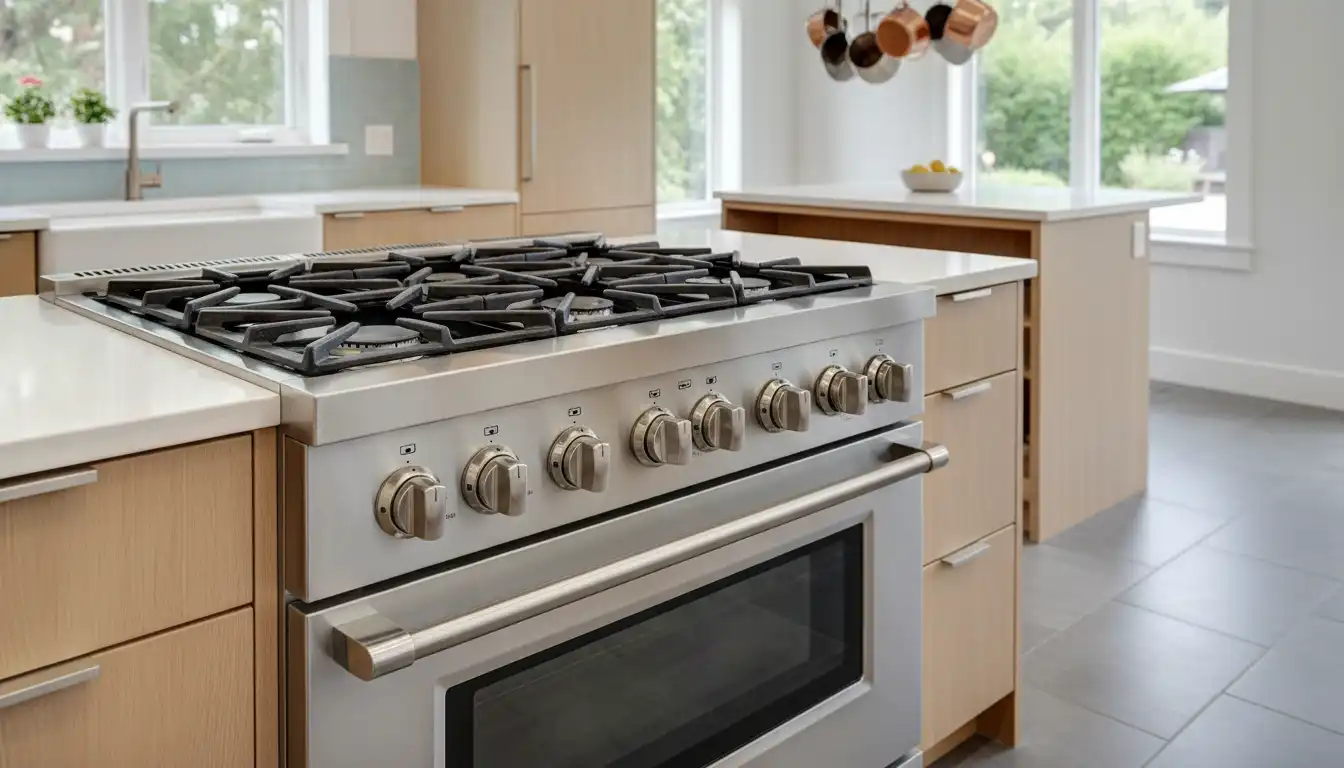
The most reliable option for off-grid cooking is a stove with a standing pilot light. This is a small, continuous flame that burns next to each burner and inside the oven.
When you turn the knob, it releases a larger flow of gas that is instantly ignited by this constant flame. This system is entirely mechanical and requires zero electricity to operate the cooktop and the oven.
The Modern Compromise: Battery-Powered Ignition
A great middle-ground, often found in RVs, boats, and specific off-grid appliance lines, is battery-powered ignition. These stoves use a battery (like a 9-volt or AA) to create the spark.
This gives you the convenience of automatic ignition without being tethered to the main power grid. You simply have to replace the battery occasionally.
Manual Lighting: Can You Use Your Current Stove?
What about the stove already in your kitchen? For the cooktop only, most electronic ignition models can be lit manually with a match or a lighter.
You turn the knob to release gas as usual and then carefully bring a flame to the burner. However, as we covered, the oven will almost certainly not work, making this only a partial solution.
Buyer’s Guide: How to Choose Your Off-Grid Gas Stove
When you’re ready to buy, you need to know what to look for. Not all stoves are created equal, and the marketing language can be confusing. Focus on the ignition system and mechanical controls.
Prioritize function over flashy features that will fail you when you need them most. While some homeowners look into a gas to electric stove conversion, those seeking true self-sufficiency are looking for a reliable gas-powered option.
Ignition System Comparison
Your primary decision revolves around the ignition type. Each system offers a different balance of convenience, efficiency, and off-grid reliability.
The table below breaks down the key differences to help you make an informed choice for your home and garden lifestyle.
| Feature | Standing Pilot Ignition | Electronic Ignition (Grid-Powered) | Battery-Powered Ignition |
|---|---|---|---|
| Works in Power Outage? | Yes (Cooktop & Oven) | Cooktop Only (Manual Lighting) | Yes (Cooktop & Oven) |
| Energy Efficiency | Lower (uses a small amount of gas constantly) | High (uses gas only when cooking) | High (uses minimal battery power) |
| Convenience | High (instant ignition) | Highest (automatic spark) | High (automatic spark) |
| Safety Concern | The pilot light can go out, requires proper ventilation. | Reliance on the power grid. | Requires battery replacement. |
| Best For | True off-grid living, ultimate reliability. | Standard modern homes. | RVs, cabins, modern off-grid homes. |
Look for Mechanical Simplicity
When shopping, look for stoves with simple, robust knobs and minimal digital displays. The fewer electronic components, the better.
Ranges marketed for “Amish,” “off-grid,” or “commercial” use often feature standing pilot systems. Brands like Premier, Brown, and certain models from Unique Off-Grid Appliances specialize in these types of ranges.
Installation and Safety: The Non-Negotiable Rules
Once you have your stove, proper installation is paramount for safety and performance. This is not a DIY project for the inexperienced.
A licensed professional must handle the gas line connection to ensure it’s free of leaks and meets all local building codes. An improper connection is a serious fire and health hazard.
Ensure a Flush, Secure Fit
Professional installation also ensures the appliance fits correctly in your space. A common issue is when the gas line causes the stove to stick out from the wall, creating a gap.
An expert can properly recess the connection or use specific fittings to guarantee a clean, flush fit that is both safe and aesthetically pleasing.
The Unseen Danger: Carbon Monoxide
Any appliance that burns fuel, including a gas stove, produces carbon monoxide (CO). Proper ventilation is absolutely critical.
Ensure you have a functional range hood that vents to the outside. In any home with gas appliances, you must have working carbon monoxide detectors on every level.
How to Manually Light a Burner Safely
If you need to light your electronic ignition cooktop during an outage, follow these steps precisely to avoid a dangerous flare-up.
First, strike your match or get your lighter ready. Have the flame ready before you turn on the gas. Then, push in and turn the burner knob to a low setting and immediately bring the flame to the edge of the burner. It should ignite right away. If it doesn’t, turn the gas off immediately, wait a minute for the gas to dissipate, and try again.
Beyond the Stove: A Whole-Home Approach
Achieving true independence from the electrical grid can be a larger project. Many who invest in an off-grid stove are also considering other aspects of their home’s energy use.
Thinking about how you heat your water is another logical step. Understanding the cost to convert an electric water heater to gas can be part of a comprehensive strategy to reduce your home’s reliance on the electrical grid, ensuring you have hot water even when the power is out.
Frequently Asked Questions
Do gas stoves need electricity to work?
While many modern gas stoves use electricity for features like electronic ignition, clocks, and oven lights, the basic cooktop burners can often be lit manually with a match or lighter during a power outage. However, gas ovens in most modern ranges will not work without electricity due to safety features.
How can I light a gas stove without electricity?
If you have a gas stove with an electric ignition, you can usually light the burners manually. Hold a lit match or a lighter near the burner and then turn the burner knob to the “lite” or “ignite” position to start the flow of gas. Once the burner is lit, you can adjust the flame as needed.
Are there gas stoves that are designed to work completely without electricity?
Yes, there are “off-grid” or battery-operated ignition gas ranges specifically designed for use without a connection to the electrical grid. These stoves often use a battery to create the spark for ignition and have mechanical controls that do not require electricity. This makes them a reliable option for homes with frequent power outages or for off-grid living.
What are the benefits of a gas stove that doesn’t rely on electricity?
The primary advantage is the ability to cook during a power outage, providing a reliable food preparation method. Gas stoves also offer precise temperature control and instant heat. For those living off-grid, these stoves are essential for daily cooking without dependence on a generator or solar power.
Are there any safety concerns with using a gas stove during a power outage?
Yes, it’s important to be cautious. Ensure you have proper ventilation to avoid the buildup of carbon monoxide, especially if your range hood does not work without electricity. Never leave a lit burner unattended and be careful when manually lighting the burners.
Can I use a camping stove indoors if my gas stove won’t work?
It is not recommended to use a propane or camping grill indoors. These appliances are designed for outdoor use and can release harmful gases like carbon monoxide, which can be deadly in an enclosed space without proper ventilation.
Final Thoughts: The Peace of Mind of Preparedness
Choosing a gas stove that doesn’t require electricity is more than just an appliance purchase. It’s an investment in security, preparedness, and peace of mind.
By understanding the hidden electrical dependencies of modern stoves and seeking out models with standing pilots or battery ignition, you can ensure your ability to provide warm meals for your family, no matter what happens to the power grid.