
Gas Line Causes Stove to Stick Out? Here’s the Fix for a Flush Fit
You’ve just upgraded your kitchen with a beautiful new gas stove. But after the excitement of installation, you’re left with a frustrating problem: a noticeable, awkward gap between the back of the stove and the wall. This not only ruins the seamless look of your countertops but also creates a trap for dust, food crumbs, and dropped utensils.
The culprit is almost always the gas line connection. Many modern stoves have a flat back to maximize oven space, leaving no room for a protruding gas pipe and valve. This guide will walk you through why this happens and provide the definitive solutions to get your stove sitting perfectly flush against the wall for a clean, professional finish.
You'll Learn About
Why Your Gas Stove Won’t Sit Flush: The Culprit Behind the Gap
That annoying gap isn’t a design flaw in your stove; it’s an issue with how the gas supply line is configured in your wall. Understanding the specific cause is the first step toward finding the right solution. Most of the time, the problem comes down to one of a few common installation issues.
The Protruding Gas Valve and Connector
The most frequent cause is a standard gas shut-off valve and flexible connector pipe that sticks straight out from the wall. Older stoves often had a recessed area in the back to accommodate this hardware. However, newer appliances, especially slide-in and professional-style ranges, often have a completely flat back. There is simply no physical space for the pipe and valve, preventing the stove from being pushed all the way back.
This setup forces the stove to sit several inches away from the wall, creating that unsightly and impractical gap. The flexible gas line, while necessary, can also become kinked or bunched up if there isn’t adequate space, which can be a safety concern.
Incorrect Gas Line Placement
Even if the valve itself isn’t the issue, the location of the gas pipe stub-out might be. Every gas range has a manufacturer’s specification sheet that details the precise area on the wall where the gas and electrical connections should be located. If a plumber or builder installed the gas pipe outside of this designated zone, it will interfere with the stove’s chassis.
A gas line that is too high, too low, or too far to one side will physically block the appliance from sliding into place. This is a common oversight during kitchen renovations if the specific model of the new stove wasn’t known beforehand.
Using the Wrong Type of Gas Connector
There are different types of flexible gas connectors, and their bulkiness can vary. A thick, rigid, or overly long connector can be difficult to maneuver in the tight space behind a stove. It can coil up and create a “roadblock” that prevents the appliance from getting closer to the wall.
Simply forcing the stove back can damage the connector, leading to dangerous gas leaks. The choice of connector is crucial for both a proper fit and a safe installation.
The Ultimate Fix: How to Get Your Stove Flush Against the Wall
Achieving a flush-mounted stove is not only possible but also essential for a finished kitchen look. The right solution depends on your specific situation and budget, but one method stands out as the industry standard for a clean, safe, and professional installation.
Solution 1: Install a Recessed Gas Valve Box (The Best Method)
The most effective and professional solution is to install a recessed gas outlet box. This is a small, purpose-built box that is installed inside the wall cavity, similar to a recessed electrical outlet for a wall-mounted TV. The gas valve and connection point are housed inside this box, sitting behind the surface of the drywall.
With this setup, the flexible gas line connects to the valve inside the wall, allowing the back of your stove to slide right over it without any obstruction. This method completely eliminates the gap and is the cleanest, safest, and most code-compliant way to solve the problem.
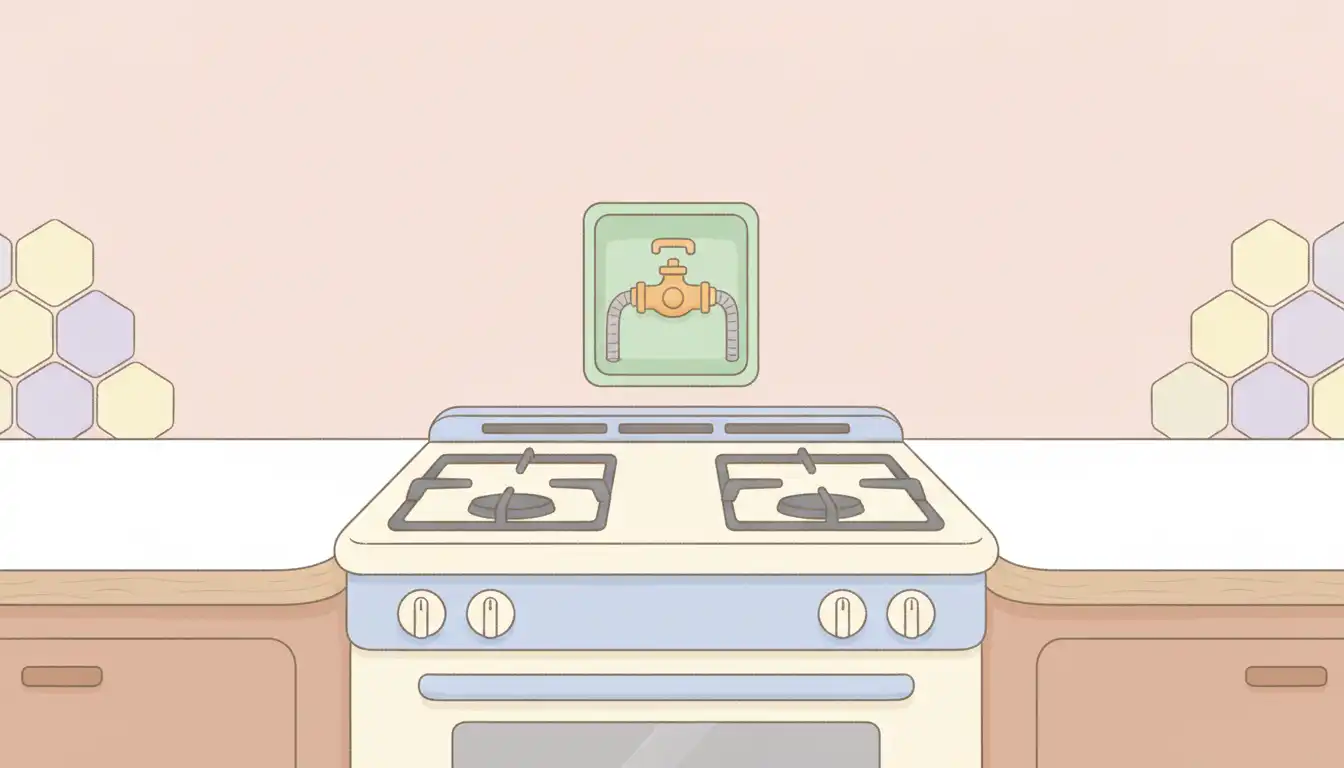
While the concept is simple, installing a recessed gas box involves cutting into the drywall and modifying the gas plumbing. This is not a DIY job. It requires a licensed plumber or gas fitter to ensure it’s done safely and to code.
Solution 2: Relocate the Gas Stub-Out
If a recessed box isn’t feasible, another option is to have a plumber move the gas pipe stub-out to a location that aligns with the recessed area on your specific stove model. You will need to consult your stove’s installation manual, which provides a diagram of the back of the appliance, showing the exact dimensions of the “safe zone” for plumbing and electrical.
A plumber can then cut into the wall and reroute the pipe to the correct location. This is often more involved and potentially more expensive than installing a recessed box, but it is a viable solution if the stove’s design allows for it.
Solution 3: Use Low-Profile Fittings (A Partial Fix)
In some rare cases where the gap is very small, it might be possible to use a 90-degree “elbow” fitting at the wall to redirect the flexible connector immediately downward or sideways. This can sometimes save just enough space to get the stove a little closer.
However, this is often not a complete solution and may still leave a small gap. It is also critical to ensure that this doesn’t put any strain or sharp bends on the flexible gas line, which could compromise its integrity.
Comparing Your Options: What’s the Right Choice?
Making the right decision involves balancing cost, effectiveness, and the complexity of the installation. Here’s a breakdown to help you choose the best path forward for your kitchen.
| Solution | Effectiveness | Average Cost (Labor + Parts) | Best For |
|---|---|---|---|
| Recessed Gas Box | Excellent (Completely eliminates gap) | $250 – $600 | Virtually all situations, especially with flat-backed stoves. The gold standard for a professional finish. |
| Relocate Gas Stub-Out | Good to Excellent | $300 – $750+ | When the stove has a specific recessed area and a box installation is not preferred. Can be more complex. |
| Low-Profile Fittings | Fair (May only reduce the gap) | $150 – $300 | Situations where only a very small amount of extra clearance is needed. Not a guaranteed fix. |
Safety First: Why You MUST Hire a Professional for Gas Line Work
It cannot be stressed enough: any work involving your home’s gas lines must be performed by a licensed and insured professional. The risks associated with an improper gas connection are severe and life-threatening.
The Dangers of DIY Gas Work
Attempting to move, cut, or modify a gas pipe yourself can lead to catastrophic consequences. A small, undetected leak can fill your home with flammable natural gas, creating a risk of explosion from a simple spark of static electricity or an appliance cycling on. Furthermore, improper combustion can lead to carbon monoxide poisoning, which is odorless, colorless, and deadly.
Beyond the immediate safety risks, DIY gas work will void your homeowner’s insurance and any warranties on your new appliance. If an incident occurs, you will be held financially and legally responsible. Always check local building codes, as permits are almost always required for this type of work.
Checking for Leaks After Any Adjustment
After a professional has completed the work, they will perform a leak test. You can also perform a simple check yourself. Mix a solution of dish soap and water and apply it to the connections with a small brush. If you see any bubbles forming, there is a gas leak, and you should turn off the gas at the main valve immediately and call the professional back.
It’s also wise to be aware of other potential gas appliance issues. For instance, seeing a blue flame with orange tips on your burners can sometimes indicate incomplete combustion, which could be related to improper gas pressure or connection issues.
Beyond the Gas Line: Other Causes for a Protruding Stove
While the gas line is the most common reason for a stove not fitting flush, there are a few other, simpler issues to rule out before calling a plumber. Check these potential obstructions first.
Baseboard and Molding Interference
Sometimes, the problem is as simple as thick baseboard molding along the bottom of the wall. The stove’s base may be hitting the molding before its back can touch the wall. If this is the case, you may need to carefully cut a small notch in the baseboard to allow the stove’s feet or body to slide into place.
Power Cord and Outlet Issues
Just like the gas connection, the electrical outlet can also cause an obstruction. A bulky plug or a surface-mounted electrical box can prevent the stove from sitting flush. Similar to the gas line solution, an electrician can install a recessed electrical outlet to solve this problem.
Ensure the power cord is not bunched up or kinked behind the appliance. Sometimes simply rearranging the cord can provide the extra inch of space needed.
Anti-Tip Bracket Placement
All modern ranges come with an anti-tip bracket, a crucial safety device that must be installed to prevent the stove from tipping forward. If this bracket is installed incorrectly—too far from the wall or in the wrong position—it can interfere with the stove’s rear legs and prevent it from sliding fully into place.
Consult your installation manual to confirm the correct placement and ensure the bracket is properly secured to the floor or wall as specified.
Planning for a Perfect Fit: Kitchen Design Integration
The best way to avoid appliance installation headaches is to plan for them during a kitchen renovation or new build. Always select your appliances *before* finalizing your plumbing and electrical rough-ins. Provide the specification sheets for your stove, refrigerator, and dishwasher to your contractors.
This allows them to place the gas lines, water lines, and electrical outlets in the precise locations required for a seamless, integrated fit. Proper planning also ensures other kitchen systems are correctly placed, such as making sure your microwave vents into cabinet space correctly and efficiently above the new stove.
Being proactive eliminates the need for costly and inconvenient modifications after your cabinets and countertops are already installed. A well-planned kitchen also reduces the chance of other household issues, like noticing a strange hot glue gun smell in house that could be caused by an unrelated overheating electrical component, by ensuring all systems are installed with proper clearances and safety measures from the start.
Conclusion: A Flush Fit is Within Reach
A gas stove that sticks out from the wall is a common and fixable problem. While the cause is typically a poorly placed gas line, the solution is straightforward for a qualified professional. Installing a recessed gas outlet box is the premier solution, providing a safe and effective way to achieve a truly flush, built-in look for your appliance.
Never compromise on safety by attempting to modify gas lines yourself. By investing in a professional plumber, you can resolve the issue correctly, protect your home and family, and finally enjoy the clean, seamless appearance of your new stove as it was meant to be.
