Gas Fireplace vs Gas Starter: The #1 Mistake Homeowners Make
Choosing the right hearth for your home can feel like a monumental decision. You want warmth, ambiance, and a solution that fits your lifestyle and budget. Many homeowners find themselves stuck on a critical choice: installing a modern gas fireplace or simply using a gas starter for a traditional wood fire.
This decision goes far beyond simple aesthetics. It impacts your home’s heating efficiency, your long-term costs, your maintenance routine, and even your family’s safety. Making the wrong choice can lead to years of frustration, unexpected expenses, and a fireplace that doesn’t meet your needs.
You'll Learn About
What is a Gas Starter? Understanding the Basics
A gas starter, also known as a log lighter, is not a fireplace itself. It is a simple piece of plumbing installed within a traditional wood-burning masonry fireplace. Its sole purpose is to make lighting a wood fire easier.
It consists of a pipe, typically with small holes, that runs under the fireplace grate. When you turn a key valve, natural gas or propane flows through the pipe, creating a flame that ignites your logs. This eliminates the need for kindling, newspaper, and the patience required to get a fire going.
The Appeal of Simplicity: Pros of a Gas Starter
The primary benefit of a gas starter is convenience. It transforms the often-frustrating task of starting a wood fire into a quick and simple process. Within minutes, you have a roaring fire without any of the usual hassle.
For those who cherish the authentic experience of a real wood fire—the crackling sound, the distinct aroma, the radiant heat—a gas starter enhances that experience by removing the most tedious part. It’s a modest upgrade to a classic fireplace.
The Hidden Downsides: Cons of a Gas Starter
However, the simplicity of a gas starter comes with significant drawbacks. It provides zero heating efficiency on its own; all the heat comes from the wood it ignites. Traditional masonry fireplaces are notoriously inefficient, with most of the heat escaping up the chimney.
Furthermore, you are still dealing with all the realities of burning wood. This includes the cost of firewood, the mess of ash and soot, and the critical need for regular chimney sweeping to prevent dangerous creosote buildup. The risk of stray embers and the constant need to tend the fire remain.
What is a Gas Fireplace? The All-in-One Solution
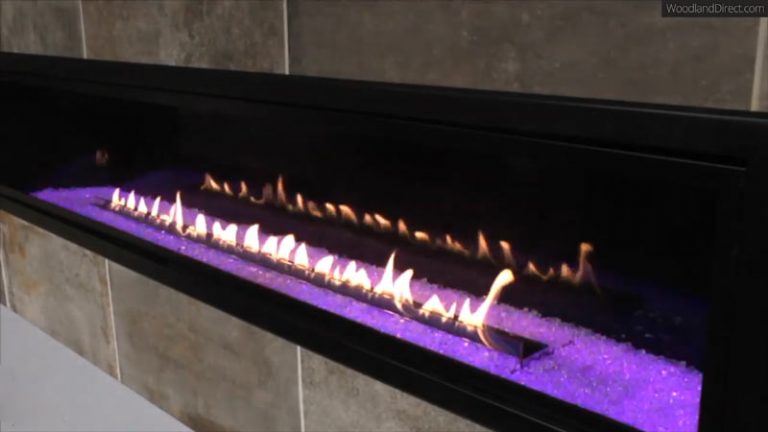
A gas fireplace is a self-contained appliance that burns natural gas or propane to generate consistent, controllable heat and a beautiful flame. These units come in various forms, including inserts designed to fit into existing fireplaces, built-in models for new construction, and freestanding stoves.
They are a complete system, incorporating the burner, realistic-looking ceramic logs or fire glass, and a sealed glass front. Modern gas fireplaces are sophisticated heating appliances designed for both performance and aesthetics.

Effortless Warmth and Style: Pros of a Gas Fireplace
The advantages of a gas fireplace are extensive. They offer incredible convenience and control, often operated by a remote or even a smart home app. You can turn the fire on or off instantly and adjust the flame height and heat output.
Most importantly, gas fireplaces are highly efficient heaters. Because they are sealed, very little heat is lost, making them excellent for supplemental or “zone” heating. This can help lower your overall energy bills by allowing you to turn down your central furnace while keeping the room you’re in cozy and warm.
The Investment and Authenticity Question: Cons of a Gas Fireplace
The main barrier for many homeowners is the upfront cost. A gas fireplace, especially a high-quality insert or built-in unit, is a significant investment that requires professional installation. This is a far more complex project than simply adding a gas line for a starter.
While technology has improved dramatically, some people feel that even the best gas fireplaces can’t perfectly replicate the organic feel of a real wood fire. The experience, while visually appealing, is more controlled and predictable, lacking the rustic crackle and scent of burning logs.
Head-to-Head: The Critical Differences
Understanding the fundamental differences in function, cost, and maintenance is key to making an informed decision. The right choice depends entirely on what you value most in a hearth.
This table breaks down the essential factors to consider when comparing these two very different systems.
| Feature | Gas Fireplace | Gas Starter |
|---|---|---|
| Primary Function | Provides heat and ambiance | Ignites wood logs only |
| Heat Output | High and efficient; a true heat source | None; heat comes from inefficient wood fire |
| Upfront Cost | High ($2,000 – $10,000+) | Low ($300 – $800) |
| Operating Cost | Based on natural gas or propane usage | Cost of firewood and gas for ignition |
| Convenience | Instant on/off, remote control, temperature adjustment | Easy ignition, but requires manual fire tending |
| Authenticity | Realistic logs/flames, but controlled appearance | 100% authentic wood fire experience |
| Maintenance | Annual professional servicing of the unit | Requires constant ash cleanup and annual chimney sweeping |
| Safety | Sealed system reduces risk of sparks and poor air quality | Open hearth carries risk of embers and requires chimney care |
The Efficiency and Heating Power Showdown
This is arguably the most significant difference. A gas fireplace is an active part of your home’s heating system. A direct-vent gas fireplace, for example, can have an efficiency rating of 70% or higher, meaning most of the fuel consumed is converted into usable heat for your home.
A gas starter does nothing to improve the dismal efficiency of a traditional fireplace, which can be as low as 10%. You are essentially paying for firewood to send warm air straight up your chimney. If heating is a priority, the gas fireplace is the undisputed winner.
Installation and Renovation Considerations
Installing a gas starter is a relatively simple plumbing job for a qualified professional. In contrast, installing a gas fireplace insert requires fitting the unit into your existing firebox and running venting lines. A new built-in unit is an even larger construction project.
When planning a major home update, such as considering if replacing cedar shake siding with vinyl is a mistake, it’s the perfect time to evaluate your fireplace goals. Integrating a new gas fireplace into a larger renovation can be more cost-effective than doing it as a standalone project.
The Unspoken Factor: Home Value and Insurance
Here is a consideration few homeowners think about until it’s too late: the impact on your home’s value and insurance premiums. A modern, professionally installed gas fireplace is often seen as a desirable upgrade by potential homebuyers. It adds a feature that is safe, efficient, and easy to use, which can increase your home’s marketability.
Conversely, a wood-burning fireplace, even with a gas starter, can be a point of concern for some buyers and insurers. Due to the higher risk of chimney fires and air quality issues, some insurance companies charge higher premiums for homes with active wood-burning fireplaces compared to those with sealed gas units. This long-term cost should be factored into your decision.
Making the Right Choice for Your Home
The decision ultimately comes down to your personal priorities and how you envision using your fireplace. There is no one-size-fits-all answer, but we can break it down into clear scenarios.
Who Should Choose a Gas Starter?
A gas starter is the ideal choice for the purist. If you already have a well-maintained masonry fireplace and your primary goal is to simplify the process of lighting a real wood fire, this is your solution. You should choose a gas starter if you love the ritual of building a fire, don’t mind the cleanup, and are not relying on it as a primary heat source.
It’s a small investment for a significant upgrade in convenience for an activity you already enjoy. It’s about enhancing the traditional experience, not replacing it.
Who Should Choose a Gas Fireplace?
A gas fireplace is for the homeowner seeking efficiency, convenience, and safety. If you want the ambiance of a fire at the touch of a button, significant heat output to warm your living space, and minimal maintenance, a gas fireplace is the superior option. This is especially true if you are sensitive to smoke, have young children or pets, or are looking to reduce your overall heating costs.
It is a modern heating appliance that provides both functional warmth and aesthetic beauty. For those undertaking a home renovation, it’s an investment that pays dividends in comfort and potential home value.
Conclusion: A Decision of Lifestyle, Not Just Logs
The “gas fireplace vs gas starter” debate is not about which is better, but which is right for you. A gas starter is a simple tool that makes a traditional activity easier. A gas fireplace is a sophisticated appliance that provides heat and ambiance with modern convenience.
By focusing on your primary goal—be it authentic ambiance or efficient heat—you can avoid the common mistake of choosing a system that doesn’t align with your lifestyle. Carefully weigh the costs, maintenance requirements, and safety features to ensure your hearth brings you comfort and joy for years to come.