
Decoding Garlic Prices at Farmers Markets: Why It’s Worth It
You see a beautiful braid of purple-striped garlic at the local farmers market. You reach for your wallet, ready to bring home some fresh, locally grown flavor, only to be stopped in your tracks by the price. Why does this garlic cost so much more than the plastic-sleeved bulbs at the grocery store? It’s a common frustration for home cooks and gardeners alike who want to support local agriculture but face the reality of a tight budget.
This “sticker shock” isn’t a scam or arbitrary price-gouging by small farmers. The higher price is a direct reflection of a completely different system of agriculture, one built on intensive labor, superior genetics, and a commitment to quality over sheer volume. Understanding the hidden costs and incredible value behind that price tag not only makes you a smarter shopper but can also inspire a deeper appreciation for this essential ingredient, perhaps even motivating you to cultivate it yourself.
You'll Learn About
Deconstructing the Price Tag: The True Cost of a Garlic Bulb
The journey of a farmers market garlic bulb from a single clove to a cured, market-ready product is far more complex and costly than that of its mass-produced counterpart. Several key factors contribute to the final price, each adding a layer of value that you can taste and feel.
The Power of Provenance: Hardneck vs. Softneck Varieties
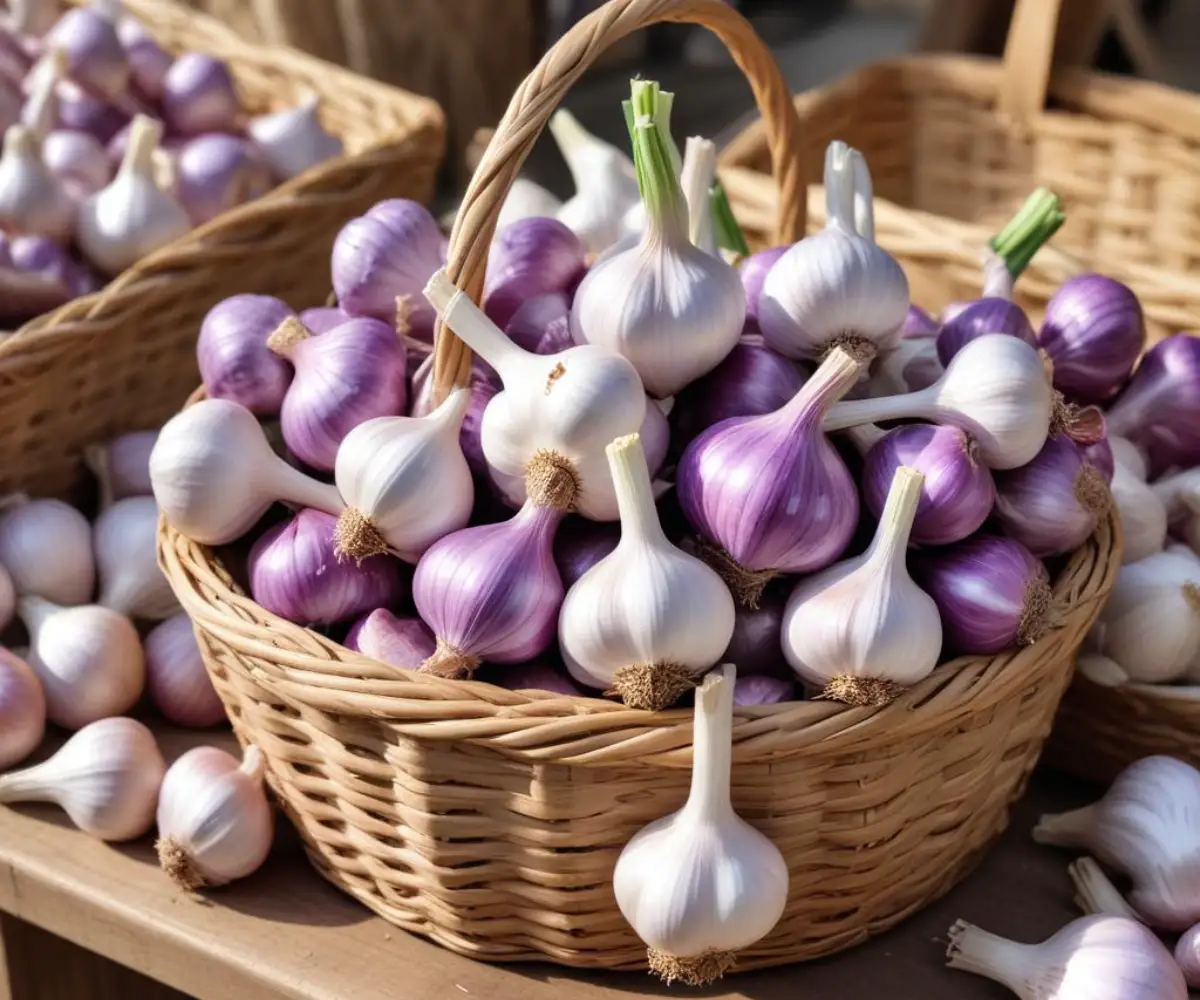
Most garlic you find in a supermarket is a softneck variety, likely grown on a massive industrial scale. These types are bred for high yields, mechanical harvesting, and incredibly long shelf life, but often at the expense of flavor complexity. Farmers market growers, on the other hand, typically cultivate hardneck varieties like Porcelain, Rocambole, or Purple Stripe.
Hardneck garlics produce a stiff central stalk, called a scape, and generally have fewer, but much larger, cloves. Their flavors are more robust, nuanced, and varied, ranging from fiery heat to sweet and nutty notes when cooked. However, they yield less per acre, have a shorter storage life, and require more hands-on effort, making them a premium product from the start.
The Labor of Love: Why Small-Scale Farming is So Intensive
Unlike industrial operations that use machinery for planting and harvesting, small-scale garlic farming is overwhelmingly a manual process. Every single clove is often planted by hand in the fall. Throughout its long growing season, which spans over winter, weeding is a constant, labor-intensive battle, as garlic competes poorly with weeds for nutrients.
Harvesting is also done carefully by hand to avoid bruising the delicate bulbs, a critical step for ensuring a long storage life. This hands-on approach from planting to harvest is a major driver of the cost, but it also results in a higher-quality, undamaged product. The economic reality is that this meticulous manual labor simply costs more than automated, large-scale production methods.
The Hidden Cost of Curing and Storage
One of the most critical and least understood steps in producing quality garlic is the curing process. After harvest, garlic isn’t ready to sell; it must be cured for several weeks to a month in a well-ventilated, shaded area. This process is essential for developing its full flavor, drying out the protective outer wrappers, and ensuring it will last for months in your pantry.
For a small farmer, this requires significant dedicated space—like a barn or shed—with proper airflow. Improper curing can lead to mold and rot, wiping out a portion of the harvest. This multi-week, space-intensive process is a hidden production cost that adds immense value by creating a shelf-stable, flavorful bulb, a stark contrast to hastily processed commercial garlic.
Supermarket vs. Farmers Market: An Unfair Comparison?
Directly comparing the price of supermarket garlic to farmers market garlic is like comparing a mass-produced fast-food burger to a handcrafted one from a local restaurant. They may seem similar, but the ingredients, production methods, and resulting quality are worlds apart. The value proposition extends far beyond the per-pound price.
Flavor, Potency, and Culinary Value
The primary reason chefs and discerning home cooks seek out farmers market garlic is its superior flavor. Heirloom hardneck varieties offer a spectrum of tastes that commercial softneck garlic simply cannot match. Because it’s harvested at peak freshness and cured properly, local garlic is also often more potent.
This means you may need to use less of it to achieve the same flavor impact in your dishes, slightly offsetting the higher initial cost. The culinary experience—the pungent aroma when you slice a fresh clove, the rich flavor it imparts to a sauce—is a key part of its value.
The Supply Chain and Freshness Factor
The garlic at your local grocery store has likely traveled hundreds, if not thousands, of miles and could be months old by the time it reaches the shelf. This long supply chain necessitates treatments to prevent sprouting and prolong shelf life. In contrast, the garlic at a farmers market was likely harvested just weeks before and traveled only a few miles.
This freshness not only means better flavor but also a higher concentration of beneficial compounds like allicin. You are paying for a product at its absolute peak, direct from the person who grew it.
A Savvy Shopper’s Guide to Farmers Market Garlic
Understanding the value is the first step; the next is learning how to be a smart consumer. With a few strategies, you can enjoy the benefits of high-quality local garlic while making your dollars stretch further.
When to Buy for Peak Value
Garlic is typically harvested in mid-summer. The best time to buy is from late July through early fall, when the supply is at its peak and the bulbs are freshly cured. During this period, you’ll find the widest variety and often the best prices.
Don’t hesitate to ask about “seconds” or “ugly” garlic. Farmers often have bulbs that are perfectly fine to eat but may be too small or oddly shaped to sell at a premium. These are often available at a significant discount and are perfect for everyday cooking.
The Power of Bulk Purchases and Smart Inquiry
Many farmers offer a discount for buying in larger quantities, such as by the pound instead of by the bulb. If you use a lot of garlic, this is the most economical way to purchase it. Before you buy, engage with the farmer. Ask them what varieties they have, what their flavor profiles are like, and which ones they recommend for long storage.
This conversation not only provides valuable information but also builds a connection to your food source. They can tell you which varieties will last until spring and which should be used first, helping you minimize waste and maximize your investment.
Garlic Variety and Price Guide
To help navigate the diverse offerings at a farmers market, here is a guide to common garlic types, their typical price ranges, and best uses. Prices are estimates and can vary significantly by region and grower.
| Garlic Type | Typical Farmers Market Price Range ($/lb) | Best Culinary Use | Storage Potential |
|---|---|---|---|
| Hardneck – Porcelain (e.g., Music) | $15 – $22 | Roasting, general cooking; strong, rich flavor. | Excellent (6-9 months) |
| Hardneck – Rocambole (e.g., Spanish Roja) | $16 – $25 | Raw in dressings, pesto; complex, fiery taste. | Fair (4-6 months) |
| Hardneck – Purple Stripe (e.g., Chesnok Red) | $16 – $24 | Baking and roasting; becomes sweet and mild. | Good (6-8 months) |
| Softneck – Artichoke (Heirloom Varieties) | $12 – $18 | Braiding, general use; milder flavor. | Excellent (9-12 months) |
| Green Garlic / Scapes | $4 – $6 per bunch | Sautéing, grilling, pesto; mild, fresh flavor. | Short (1-2 weeks refrigerated) |
The Ultimate Solution: Turning Price Pain into Garden Gain
For the true home and garden enthusiast, the high price of quality garlic presents not a problem, but an opportunity. Growing your own garlic is one of the most rewarding and cost-effective projects you can undertake. It connects you directly to the food cycle and provides a year’s supply of unparalleled flavor for a fraction of the cost.
Calculating Your “Garden ROI”: Is Growing Your Own Worth It?
The economics of homegrown garlic are incredibly favorable. A single pound of high-quality “seed garlic” from a farmers market might cost $20, but it can contain 40-60 individual cloves. Each of those cloves, when planted in the fall, will multiply into a full bulb by the next summer.
This means your initial $20 investment can yield 40-60 bulbs of garlic—a value of well over $100 at market prices. After the first year, you can save your biggest and best bulbs for replanting, making your garlic patch a self-sustaining and virtually free source of amazing flavor year after year.
Getting Started: Your Own Garlic Patch
Starting a garlic patch is surprisingly simple. Garlic is planted in the fall, typically a few weeks before the ground freezes, and requires minimal maintenance over the winter. It needs a sunny spot with well-drained soil rich in organic matter.
For many gardeners, building raised beds is an ideal solution for controlling soil quality. When constructing these, it’s wise to consider the longevity of your materials; understanding the differences between treatments like WeatherShield wood vs pressure-treated options can ensure your garden structure lasts for many seasons. Once planted, a thick layer of mulch like straw or shredded leaves will protect the cloves through the winter.
Essential Preparation for a Thriving Harvest
Proper preparation is key to a successful harvest. Just as you would perform maintenance on winter equipment before the first snow, like ensuring an Ariens Compact 24 won’t start issue is resolved, preparing your garden beds in the fall sets the stage for success. This means clearing weeds, amending the soil with compost, and ensuring good drainage before planting your cloves.
Once spring arrives, the garlic will begin to sprout vigorously. Keep the bed well-watered and weed-free until the lower leaves start to turn yellow in mid-summer, signaling that it’s time to harvest.
Long-Term Storage: Protecting Your Investment
Whether you buy it or grow it, knowing how to store garlic properly is essential to enjoying it for months to come. The key is the curing process, which transforms a freshly harvested bulb into a long-lasting pantry staple.
Curing Your Homegrown Harvest
The curing process for homegrown garlic mirrors what farmers do. After gently harvesting the entire plant, brush off excess dirt but do not wash the bulbs. Bundle them in small groups and hang them in a dry, airy location away from direct sunlight, such as a garage, shed, or covered porch.
While some indoor growers use specialized lighting, the curing process requires darkness and good air circulation, not the intense light of something like a Chuan Shi PLC26W bulb. Let them hang for at least two to three weeks, or until the wrappers are papery and the stem is completely dry and stiff.
The Best Methods for Keeping Garlic Fresh
Once fully cured, you can trim the roots and stems, leaving about an inch of stem on the bulb. Store your garlic in a cool, dark, and dry place with good air circulation. Mesh bags, wire baskets, or even paper bags work well.
Never store garlic in the refrigerator, as the cool, humid environment will encourage it to sprout. Properly cured and stored hardneck garlic can last for six to nine months, providing you with incredible flavor all through the winter.
Conclusion: Reframing the Value of Farmers Market Garlic
The price of garlic at a farmers market is more than just a number; it’s a story of artisanal cultivation, superior flavor, and the true cost of sustainable, small-scale farming. While the initial expense may be higher, the value delivered in taste, freshness, and culinary potential is unmatched. By understanding the factors behind the price, shopping smartly, and perhaps even embracing the rewarding challenge of growing your own, you can transform a moment of sticker shock into a deep and lasting appreciation for the humble, yet remarkable, garlic bulb.
