
Garbage Mites in Your Kitchen? The Ultimate Plan to Stop Them
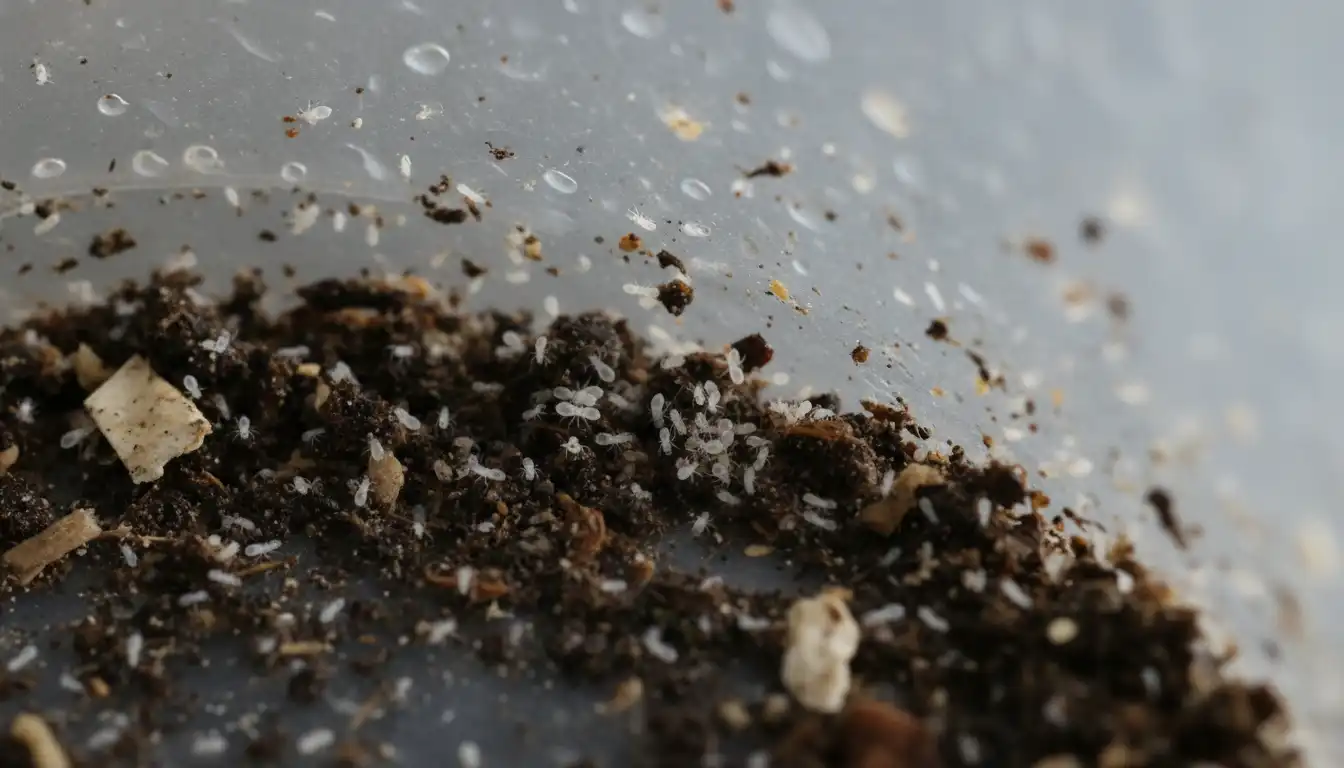
You open the lid to your kitchen trash can, and you see it. What at first looked like a sprinkling of dust is now moving. Hundreds, maybe thousands, of tiny white specks are crawling over the bin and the trash bag. This unsettling discovery is a common problem for many homeowners: an infestation of garbage mites.
These tiny pests, often no bigger than a grain of salt, thrive in the exact conditions your trash can provides. While alarming, this is a solvable problem. With the right knowledge and a clear plan, you can eliminate these intruders and ensure they never return, reclaiming your peace of mind and the cleanliness of your home.
You'll Learn About
What Exactly Are Garbage Mites?
Before you can fight an enemy, you need to know what it is. The term “garbage mites” is a catch-all for several species of minuscule arthropods that flourish in damp, dark environments with a ready food source. Understanding them is the first step toward effective control.
Demystifying the Tiny White Specks
The tiny white bugs you see are most likely mould mites (like Tyrophagus putrescentiae) or grain mites. These creatures are not insects but are more closely related to spiders and ticks. They are drawn to the fungi and mould that grow on decaying organic matter, making a garbage can a five-star resort for them.
Their life cycle is incredibly fast. In warm, humid conditions, a female mite can lay hundreds of eggs, leading to a population explosion in a matter of days. This is why an infestation can appear to happen overnight, turning a few specks of “dust” into a moving carpet of mites.
Are They Harmful to Your Family or Pets?
The good news is that garbage mites do not bite or transmit diseases to humans or pets. They are primarily a nuisance pest, contaminating surfaces and causing disgust. However, their presence can be a problem for individuals with allergies or asthma.
The mites themselves and their waste products can become airborne, acting as allergens. For sensitive individuals, inhaling these particles can trigger reactions like sneezing, coughing, itchy eyes, and skin irritation. While not directly dangerous, they can certainly degrade the air quality and comfort of your home.
Why Your Home Has Become Their Paradise
An infestation of garbage mites is not a sign of a dirty home; it is a sign that specific environmental conditions are being met. Mites are opportunistic and will thrive anywhere their basic needs for food, water, and shelter are available. The modern kitchen, especially around the trash area, can accidentally create the perfect habitat.
The Unseen Feast: Moisture and Mold
The single most important factor for a mite infestation is moisture. Mites cannot survive in dry conditions and require high humidity (well above 50%) to reproduce. Moisture in your trash comes from discarded wet food scraps, liquids that weren’t fully drained, and condensation.
This moisture allows mould and fungi to grow on the organic waste, which is the primary food source for these mites. Even a small, unseen patch of mould at the bottom of the bin can support a massive mite population. The combination of dampness and a food supply is the core reason they appear.
Your Trash Can: The Perfect Breeding Ground
Think of your garbage can from a mite’s perspective: it’s a dark, protected cave with an all-you-can-eat buffet. Food scraps, especially starchy or high-protein items like bread, grains, and decomposing vegetables, are ideal for mould growth. The lid traps humidity, creating a microclimate that is perfectly suited for their rapid reproduction.
Overfilling trash bags or using bags that tear easily can worsen the problem. Spills and residue inside the bin ensure that even after the trash is taken out, a food source and moisture remain, allowing the mite colony to persist and infest the next bag you put in.
Your Step-by-Step Battle Plan to Eradicate Garbage Mites
Discovering a mite infestation is stressful, but getting rid of them is straightforward with a systematic approach. Do not panic. Follow these steps methodically to eliminate the existing population and remove the conditions that allowed them to thrive in the first place.
Step 1: Isolate and Immediately Dispose
Your first move is damage control. Carefully remove the infested trash bag from the bin, making sure to seal it tightly. If possible, place this bag inside another, larger trash bag and seal that one as well to prevent any mites from escaping.
Take this double-bagged trash directly outside to your main receptacle for pickup. Do not leave it sitting in your garage or near the house. The goal is to get the bulk of the population out of your living space as quickly as possible.
Step 2: The Deep Clean is Your Most Powerful Weapon
With the primary source of the infestation removed, it’s time to sanitize the bin itself. This is the most critical step. Take the empty trash can outside for cleaning to avoid spreading any remaining mites or eggs in your kitchen.
Pour boiling water carefully down the inner sides of the bin. The extreme heat will kill any remaining mites and their eggs instantly. After letting the hot water sit for a few minutes, dump it out and proceed with a thorough scrubbing using hot, soapy water and a stiff brush. Pay close attention to corners, ridges, and any crevices where residue can hide.
For an extra level of disinfection, use a solution of one part white vinegar to three parts water. Spray the entire inside and outside of the bin, let it sit for 10-15 minutes, and then wipe it down. Most importantly, let the bin dry completely, preferably in direct sunlight, before bringing it back inside. Mites need moisture, so a bone-dry environment is your best defense.
Step 3: Natural and Non-Toxic Treatments
After a thorough cleaning, you can apply a natural deterrent to keep mites from re-establishing themselves. One of the most effective and safest options is diatomaceous earth. This fine powder, made from fossilized algae, is harmless to humans and pets but lethal to mites.
It works by absorbing the oils from their exoskeletons, causing them to dehydrate and die. Once your bin is completely dry, sprinkle a light layer of food-grade diatomaceous earth on the bottom. This will create a deadly barrier for any new mites that might appear.
How to Keep Garbage Mites from Ever Coming Back
Eradication is only half the battle; prevention is the key to long-term success. By making small adjustments to your routines and your kitchen environment, you can make your home inhospitable to these pests. A proactive approach ensures you won’t have to deal with another infestation.
Master Your Garbage Routine
The frequency and manner in which you handle your trash can make a huge difference. Make it a habit to take out the trash more frequently, especially during warmer months. Do not let it sit for days, as this gives mould time to grow and mites time to reproduce.
Always use high-quality, durable trash bags that are less likely to rip or leak. Ensure each bag is tied securely before placing it in the bin. A simple but often overlooked trick is to rinse and dry containers before throwing them away to reduce the amount of liquid and food residue in the bag.
Control Your Kitchen’s Climate: The Power of Dehumidification
Mites are entirely dependent on high humidity. By controlling the moisture levels in your kitchen, you can effectively shut down their ability to thrive. Aim to keep your home’s humidity level below 50% if possible.
Use the exhaust fan when cooking to vent steam, and consider running a dehumidifier in the kitchen or adjacent areas if you live in a particularly humid climate. Proper ventilation is one of the most powerful, yet underrated, tools in home pest control. These small changes create an environment where mites simply cannot survive.
Smart Food Storage and Pantry Management
Garbage mites can easily migrate from the trash can to other food sources if given the chance. Store dry goods like flour, cereal, and grains in airtight containers made of glass, metal, or hard plastic. This not only protects your food but also cuts off potential food sources for mites and other pests.
Regularly clean your pantry shelves and immediately wipe up any spills or crumbs. A clean and well-organized pantry is less attractive to all kinds of household pests, creating a more hygienic space for your family.
| Prevention Strategy | Why It Works | Implementation Tips |
|---|---|---|
| Frequent Trash Removal | Reduces time for mould to grow and mites to reproduce. | Take out kitchen trash daily, especially if it contains wet food scraps. |
| Use Durable Bags | Prevents leaks and spills that create a food source in the bin. | Invest in high-quality, tear-resistant trash bags. |
| Keep Bin Dry | Eliminates the moisture mites need to survive and breed. | Wipe down the inside of the bin regularly and after any spills. Let it air dry completely. |
| Control Kitchen Humidity | Creates an environment that is too dry for mites. | Use exhaust fans and dehumidifiers. Aim for humidity below 50%. |
| Airtight Food Storage | Protects pantry items and removes alternative food sources. | Store all grains, flours, and cereals in sealed containers. |
| Regular Bin Cleaning | Removes residual food particles and mite eggs. | Wash the bin with hot, soapy water and vinegar at least once a month. |
When Mites Signal Bigger Problems
Sometimes, a persistent mite problem is a symptom of a larger issue in your home. If you have followed all the cleaning and prevention steps but the mites keep returning, it is time to look for underlying causes. Pests are often messengers, pointing to hidden problems that need attention.
Mites, Drains, and Moisture: A Deeper Connection
Chronic moisture issues are a common culprit. A slow leak under your sink can create a perpetually damp environment perfect for mould and mites. This hidden moisture can also lead to more serious issues like wood rot and structural damage over time.
If you suspect a hidden leak, or if you are dealing with a perpetually clogged sink with a dishwasher, it is crucial to address the plumbing. Fixing the root cause of the moisture will not only solve your mite problem but also protect your home from costly repairs down the road.
Are Other Pests Attracted to the Same Conditions?
The conditions that attract garbage mites—food, water, and shelter—are also highly attractive to other, more destructive pests. The smell of decaying organic matter can be an open invitation for cockroaches, ants, and even rodents.
If you have seen signs of other pests, it is important to act quickly. For instance, dealing with the unsettling sound of mice in walls but not in the house requires a comprehensive strategy. A mite infestation could be the first warning sign that your home is vulnerable to a wider range of pests.
Structural Integrity and Pest Entry Points
Pests need a way to get in. Even small gaps in your home’s exterior can serve as an entry point. It’s a good practice to periodically inspect your home’s foundation, siding, and window seals for any cracks or openings.
Proper home maintenance is a critical layer of pest defense. A seemingly unrelated issue, like when a window fell out of frame, can create the very opening that pests use to invade your home. Sealing these entry points is essential for long-term pest management.
Reclaiming Your Clean and Pest-Free Home
Discovering garbage mites can be a jarring experience, but it is a manageable one. By understanding what these pests need to survive, you can systematically remove those elements from your home. A combination of immediate, thorough cleaning and long-term preventative habits is the ultimate solution.
Stay vigilant, keep your kitchen clean and dry, and manage your waste effectively. These simple practices will not only keep garbage mites at bay but will also contribute to a healthier, more pleasant home environment for you and your family.
