
Garage With Master Suite Above Cost: Don’t Build Until You Read This
You need more space, and the area above your garage seems like the perfect untapped resource. A private master suite, an in-law apartment, or even a rental unit could transform your home’s functionality and value. But before you start dreaming of waking up in your new light-filled oasis, it’s crucial to understand the real garage with master suite above cost. This isn’t just a simple room addition; it’s a complex project with unique structural, mechanical, and financial considerations that can quickly spiral out of control if you’re not prepared.
Many homeowners underestimate the true investment required, leading to budget overruns, compromises on quality, and immense stress. The problem isn’t just about the price of lumber and drywall. It involves everything from reinforcing the existing foundation to navigating complex zoning laws for accessory dwelling units (ADUs). This guide breaks down the real costs, uncovering the hidden expenses and critical factors you must consider before breaking ground.
You'll Learn About
Understanding the True Cost: More Than Just Square Footage
When budgeting for a master suite above the garage, thinking in simple per-square-foot terms can be misleading. While a general range is often quoted between $200 and $350 per square foot, this figure can fluctuate dramatically. A standard 24×24 foot two-car garage offers 576 square feet, placing the average total cost anywhere from $115,000 to over $200,000. However, this is just a starting point.
The final price tag depends on whether you’re building on top of an existing garage or constructing a new garage with a suite from the ground up. Adding a second story to an existing structure is often more complex and can introduce unforeseen costs related to bringing the foundation and framing up to code to support the new weight. A new build, while more expensive upfront, allows for integrated design and engineering from the start.
The Critical First Step: Structural Integrity and Foundation Assessment
Before any other planning, you must answer one critical question: Can your existing garage foundation support a second story? Most garage slabs are not designed to carry the load of a full living space. An inadequate foundation is a non-negotiable roadblock that requires immediate and significant investment to correct.
A structural engineer must perform a thorough assessment. This inspection alone can cost between $1,500 and $3,000. If the foundation needs reinforcement, which is common, you could be looking at an additional $5,000 to $15,000 to prevent catastrophic failure. This is the most crucial, and often overlooked, initial expense.
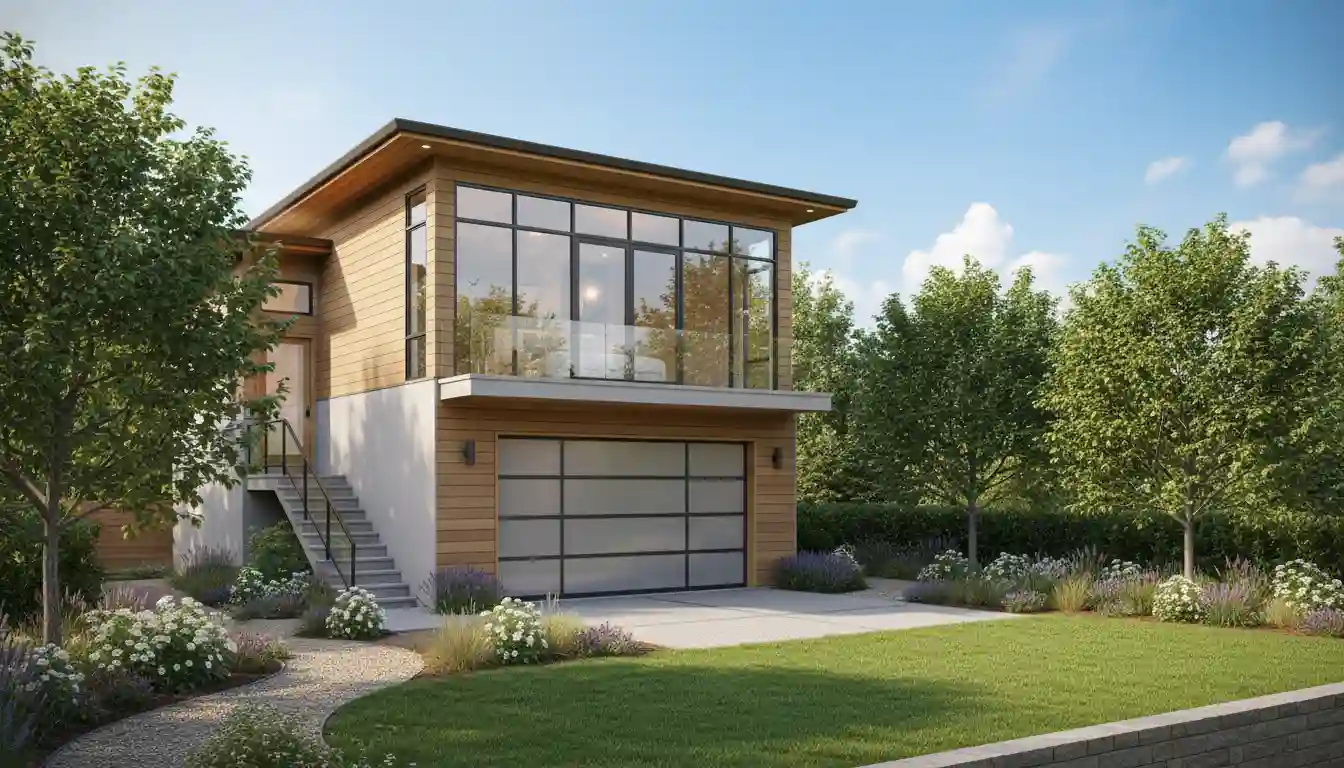
Detailed Cost Breakdown: Where Your Money Really Goes
Building a master suite above the garage is like building a small, elevated house. It requires the same trades, systems, and finishes. Understanding the cost of each component is key to creating a realistic budget and avoiding sticker shock.
Core Construction Costs
The shell of your addition represents a significant portion of the budget. This includes the “bones” of the structure that make it safe and weatherproof. Key expenses include:
- Framing: Expect to pay $11 to $30 per square foot for framing. Two-story structures require more complex and robust framing than a simple ground-level addition.
- Roofing: Tying a new roof into your existing home’s roofline is critical for aesthetics and water management. Roofing costs range from $3 to $10 per square foot depending on the material.
- Siding, Windows, and Doors: Matching the exterior to your home is vital for curb appeal. Siding can cost $4 to $13 per square foot, while new windows and an exterior door add several thousand dollars to the total.
Mechanical, Electrical, and Plumbing (MEP) Systems
This is where costs can escalate quickly, especially in a detached garage. Running new utility lines is a major undertaking. A master bedroom above garage requires dedicated systems for comfort and safety.
- HVAC: You cannot simply extend your home’s existing system. An independent system, like a ductless mini-split, is often the best solution and can cost between $3,000 and $8,000.
- Plumbing: Running water and sewer lines for a full master bathroom is a significant expense, often costing $5,000 to $12,000 or more, particularly if trenching is required to connect to the main house.
- Electrical: A new subpanel and wiring for lights, outlets, and appliances are necessary. This can range from $4,000 to $10,000, as the space will need its own dedicated service to meet code.
The Secret Killer of Comfort: Insulation
One of the biggest complaints about rooms over garages is temperature fluctuation—they are often freezing in the winter and sweltering in the summer. This is almost always due to improper insulation. Solving this issue is not a place to cut corners. If you have an existing bonus room, you might already be familiar with this challenge and looking for a fix for a master bedroom over garage freezing problem.
The floor of the suite (the garage ceiling) is the most critical area. Spray foam insulation is the superior choice here. While more expensive than fiberglass batts, it creates a complete air seal, preventing cold air and exhaust fumes from the garage from entering your living space. Insulating the entire suite properly can cost between $500 and $2,000, but it is an essential investment for long-term comfort and energy efficiency.
Cost Breakdown Table: Attached vs. New Build
To provide a clearer picture, the table below estimates the cost differences between adding a suite to an existing two-car garage versus a completely new build. Costs assume a 576 sq. ft. space with mid-range finishes.
| Expense Category | Building Above Existing Garage (Est. Cost) | New Detached Garage with Suite (Est. Cost) | Key Considerations |
|---|---|---|---|
| Structural Assessment & Foundation | $6,500 – $18,000+ | $5,000 – $18,000 | Existing foundation almost always needs reinforcement. |
| Framing & Structural | $8,000 – $18,000 | $12,000 – $25,000 | New builds are engineered from the start for two stories. |
| Exterior (Roof, Siding, Windows) | $15,000 – $30,000 | $20,000 – $40,000 | Includes garage doors and openers for the new build. |
| Plumbing & Electrical | $9,000 – $22,000 | $10,000 – $25,000 | Trenching costs can be high for detached structures. |
| HVAC System | $3,000 – $8,000 | $3,000 – $8,000 | Mini-split systems are efficient for both scenarios. |
| Insulation (Full Envelope) | $2,000 – $4,000 | $2,500 – $5,000 | Crucial for comfort and preventing temperature issues. |
| Interior Finishes (Drywall, Paint, Flooring) | $10,000 – $25,000 | $12,000 – $30,000 | Bathroom and kitchen fixtures drive costs up. |
| Permits, Fees, & Design | $3,000 – $7,000 | $4,000 – $9,000 | Permits for new dwellings (ADUs) are more expensive. |
| Estimated Total | $76,500 – $162,000+ | $88,500 – $200,000+ | A 10-15% contingency fund is highly recommended. |
Beyond Construction: Hidden Costs and Long-Term Value
The budget doesn’t end when the contractor leaves. Several other factors contribute to the overall cost and ultimate return on your investment.
Zoning, Permits, and ADUs
You can’t just decide to build. Your project must comply with local zoning ordinances and building codes. Getting the necessary permits can cost anywhere from $1,500 to $5,000 or more.
If your master suite includes a kitchen, it will likely be classified as an Accessory Dwelling Unit (ADU). Many municipalities have specific, and often strict, regulations regarding ADUs, covering everything from size and height to parking requirements and whether you can rent the unit out. Navigating these rules can be complex and may require hiring a specialist, adding to your costs.
The Unseen Financial Impact
Your financial obligations will change after the project is complete. Property taxes will increase due to the added square footage and assessed value of your home. You will also need to update your homeowner’s insurance policy to cover the new structure and its contents, which will increase your premiums.
Return on Investment (ROI)
Despite the high upfront cost, a well-designed master suite over the garage can be a fantastic investment. It significantly increases your home’s usable living space and can add substantial market value. Some estimates suggest an ROI of 60-80% or more. If you use the space as a rental unit, it can generate a steady stream of income, helping to offset the construction costs over time.
Is a Master Suite Above the Garage Right for You?
Building a master suite above the garage is a major undertaking that requires careful planning, a realistic budget, and a skilled team of professionals. The allure of extra space is strong, but the financial and logistical hurdles are real. Before you commit, perform a thorough cost-benefit analysis.
Start by getting a professional structural assessment of your existing garage. Consult with local contractors to get detailed quotes, and speak with your municipal planning department to understand the specific zoning and permit requirements in your area. By arming yourself with accurate information and a comprehensive budget that includes a healthy contingency fund, you can turn the dream of a private retreat above your garage into a valuable and rewarding reality.
